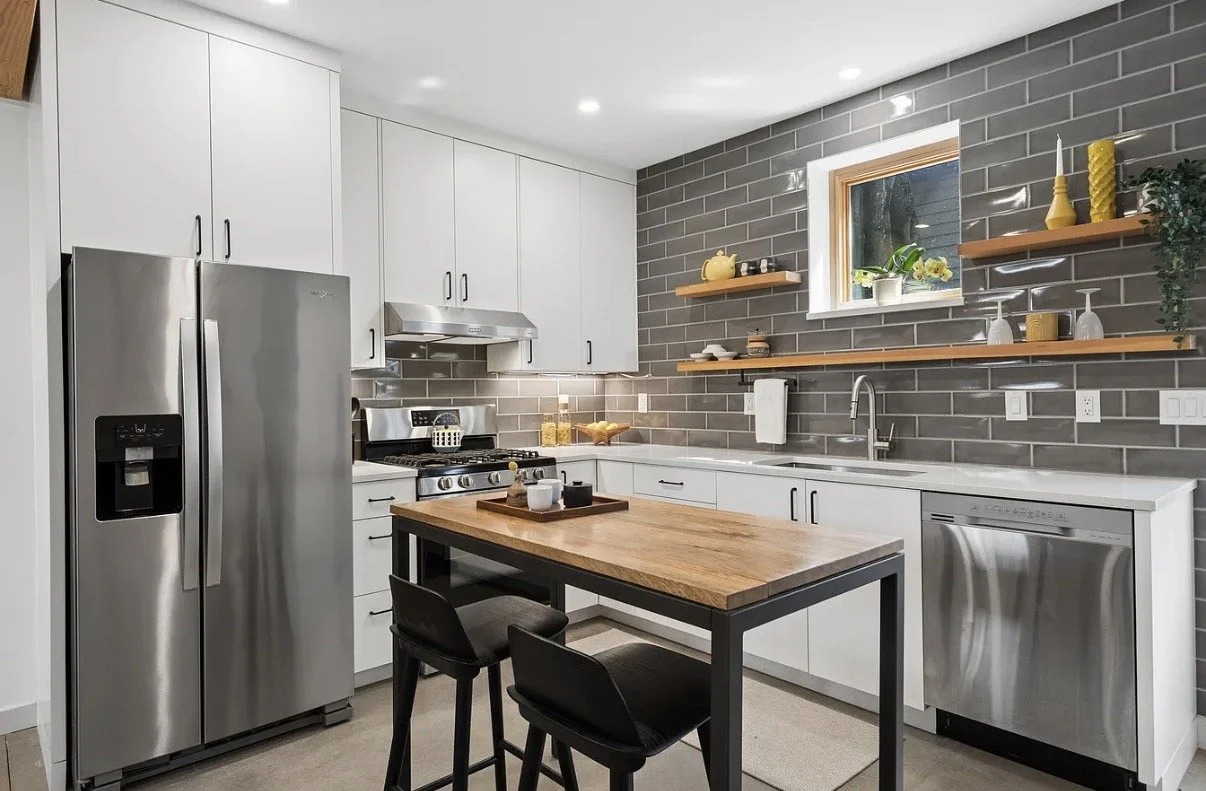
The Portland Metro ADU + Rental Guide: What Buyers Need to Know
If you're considering buying a home with an ADU in the Portland metro, understanding the rental options and local ADU rules can help you evaluate the property's true potential.
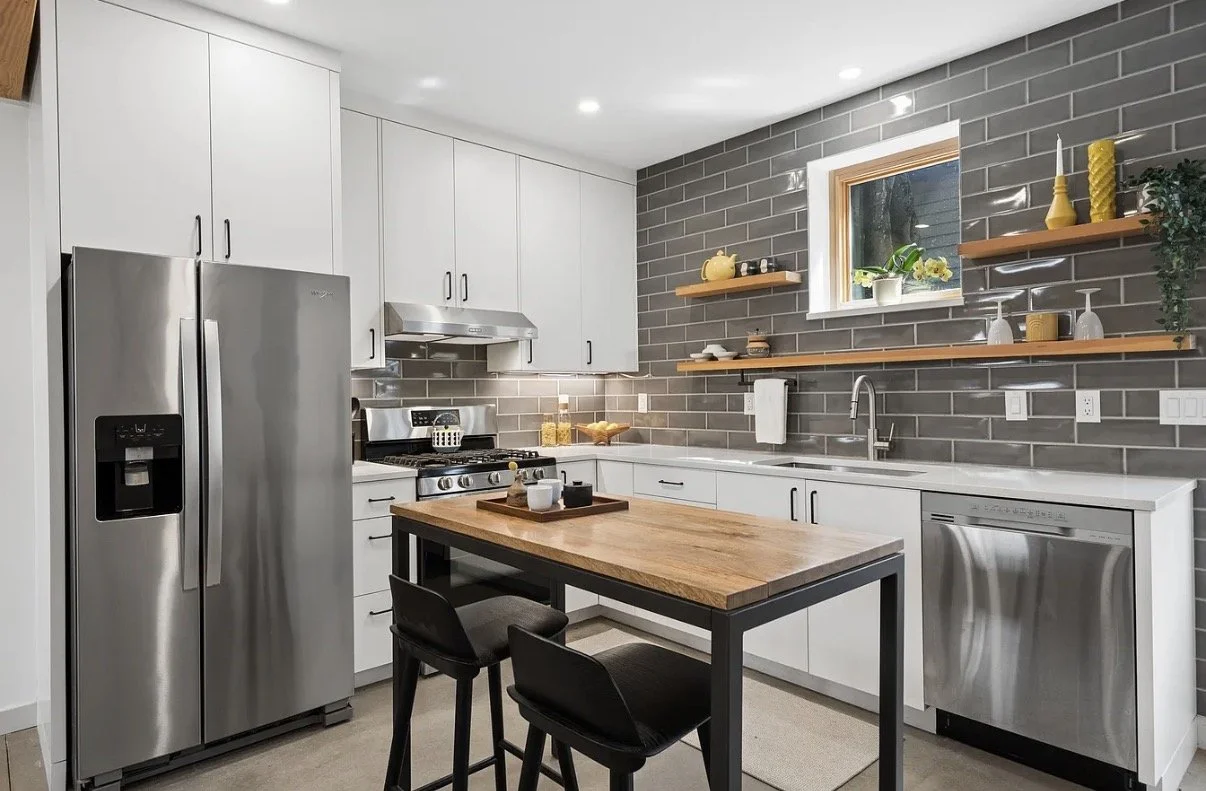
Long-term rentals, furnished mid-term rentals, short-term rentals + creative ways to use an ADU
One of the things I love about homes with accessory dwelling units is that the extra space doesn't have to serve just one purpose. An ADU might provide rental income today, become a private space for an aging parent later, house an adult child someday, serve as a furnished rental between those times, or simply give you a separate place to work, host guests or create. That flexibility can add real value to a home. But if you're considering buying a home with an ADU because of its income potential, there's something important to understand:
The rules can change depending on exactly where the property is located, even within the Portland metro area.
Portland, Milwaukie, Washington County and other cities and jurisdictions have different rules around ADUs, short-term rentals and landlord responsibilities. So before asking, “How much could I rent this for?” I encourage buyers to start with two questions:
What are all the ways I could use this space?
and
Which rules actually apply to this property?
Let's break it down.
What Can You Do With an ADU?
Depending on the property, its permits and the local jurisdiction, an ADU may potentially give you several options:
Rent it long-term to a traditional tenant.
Offer it as a furnished 30+ day mid-term rental for traveling professionals, relocating households, people between homes, insurance-displacement housing and more.
Explore permitted short-term rental use where local regulations allow it.
Use it for multigenerational living for an aging parent, adult child or extended family.
Create private guest quarters.
Use it as a home office, studio or creative space.
Live in the ADU later and potentially rent the main house.
The big takeaway?
An ADU isn't just a rental. It's flexibility.
And if rental income is part of your plan, always verify the property's permits, jurisdiction and current regulations before relying on that income.
If you’re still figuring out where and what to buy, start with my [Portland Home Buyer Guide] for resources on neighborhoods, the buying process, financing and making a smart Portland-area purchase.
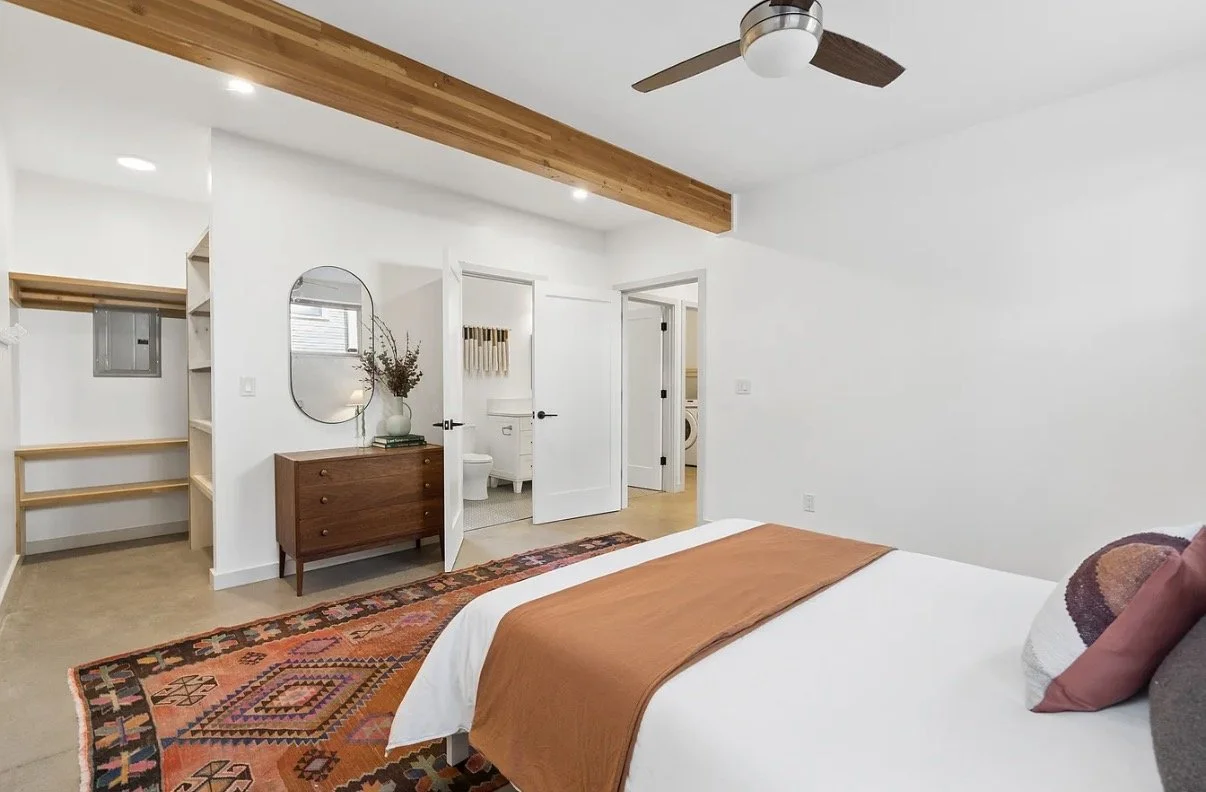
First: What Exactly Is an ADU?
An Accessory Dwelling Unit, or ADU, is an additional dwelling located on the same property as another residence.
Depending on the home, it might be:
A detached backyard cottage
An apartment over a garage
A converted basement
An attached addition
A dwelling created within the primary house
A true ADU generally has its own facilities for living, sleeping, cooking and bathing.
But here's an important distinction for buyers:
A space that looks like an ADU isn't necessarily a legally permitted ADU.
A beautiful finished basement with a kitchen and bathroom may have a very different permit history than a legally established dwelling unit.
If you're considering buying a home with an ADU in the Portland metro, understanding both the rental options and the property's permit history can help you evaluate its true potential.
Six Ways an ADU Could Work for You
1. Create Income With a Long-Term Rental
This is probably the most familiar option. You live in the primary house and rent the ADU to a traditional tenant, potentially creating consistent monthly income while maintaining separate living spaces. Depending on the circumstances, that could involve a fixed-term lease or month-to-month tenancy. It's relatively straightforward conceptually, but once you become a landlord, Oregon landlord-tenant law applies — along with any additional protections imposed by the city or jurisdiction where the property is located. That's why a rental in Portland may be treated differently from an otherwise identical rental a few miles away in Milwaukie or Washington County.
2. Consider a Furnished Mid-Term Rental
This is one of the rental strategies I think buyers often overlook. A mid-term rental generally refers to a furnished home rented for 30 days or longer — often for one, two, three or several months. It's the space between a traditional year-long lease and a nightly vacation rental.
And the potential renter pool is much broader than just travel nurses.
Who Needs Furnished Housing for 30–90+ Days?
Traveling Healthcare Professionals
Portland's large healthcare community creates temporary housing needs for people such as:
Travel nurses
Physicians
Physical and occupational therapists
Medical residents and fellows
Technicians
Other traveling medical professionals
People Relocating to Portland
Imagine moving across the country for a new job.
You may not want to sign a year-long lease before you understand Portland's neighborhoods — and you probably don't want to live in a hotel for three months.
A furnished ADU can fill that gap while someone gets settled and searches for a permanent home.
Buyers + Sellers Between Homes
Real estate timelines rarely line up perfectly.
Someone might sell their house before finding the next one. A buyer might be waiting for a renovation or new construction to finish.
A furnished monthly rental can provide a comfortable bridge.
Insurance-Displacement Housing
Families sometimes need temporary furnished housing after:
Fire or smoke damage
Water damage
Major repairs
Other insured losses
Those stays can last weeks or months.
Corporate + Project-Based Housing
Consultants, executives, contractors, academics and other professionals sometimes need temporary Portland-area housing for a specific assignment.
People Renovating Their Homes
Sometimes moving out for two or three months is considerably easier than trying to live through a major renovation.
People Navigating a Life Transition
Temporary furnished housing can also serve people going through divorce or separation, caring for a family member, hosting extended family, changing jobs or navigating another situation where a traditional year-long lease doesn't make sense.
Why Mid-Term Rentals Are Worth Considering
For the right homeowner, a furnished 30+ day rental can create an interesting middle ground:
More flexibility than a traditional year-long lease.
Less turnover than a nightly vacation rental.
A tenant pool that isn't dependent on tourism.
The ability to keep the space furnished and potentially use it for family or guests between tenants.
There are also tax and regulatory distinctions between transient lodging and longer stays.
For example, under Oregon's transient lodging tax rules, lodging occupied by the same person for 30 consecutive days or more may qualify for an exemption from the state's transient lodging tax.
That doesn't mean a 30+ day rental is regulation-free. Landlord-tenant laws, taxes, insurance and other requirements may still apply.
It simply makes 30 days an important line to understand.
If you’re the one making the move, my [Moving to Portland: How to Choose the Right Neighborhood] guide is a good place to start. It walks through how to narrow down neighborhoods based on lifestyle, commute, housing style and the things that actually matter to your day-to-day life.
3. Explore Short-Term Rental Potential
Airbnb, VRBO and similar short-term rentals are another potential strategy — but this is where buyers should be particularly careful about making assumptions.
Owning a home with an ADU does not automatically mean you can operate the ADU as a full-time vacation rental.
Short-term rental rules vary by jurisdiction.
Portland Short-Term Rental Rules
Portland regulates qualifying short-term rentals as Accessory Short-Term Rentals, or ASTRs.
For a typical Type A ASTR, the resident must occupy the dwelling as their primary residence for at least 270 days during the calendar year.
The resident can generally be away while guests occupy the rental for up to 95 days per year.
Permitting, business registration, neighborhood notification, lodging taxes and other requirements may also apply.
ADUs can potentially be used for accessory short-term rental purposes, but property-specific restrictions matter. For example, certain ADUs that received previous System Development Charge incentives may have restrictions on short-term rental use.
Bottom line: Don't automatically count on full-time Airbnb income when evaluating a Portland ADU.
Milwaukie Short-Term Rental Rules
Milwaukie has its own short-term rental regulations.
A qualifying short-term rental generally involves stays of fewer than 30 days and is treated as an accessory use to a primary residence.
Current rules include an owner or primary-operator occupancy requirement of at least 270 days per year, and unhosted short-term rentals are limited to 95 days per year.
Milwaukie also has registration, building and safety requirements associated with establishing a short-term rental.
So while Milwaukie's overall rental regulations differ from Portland's, an ADU there should not automatically be viewed as an unrestricted vacation rental.
What About Washington County?
This is where understanding jurisdiction becomes especially important.
A property with a Portland mailing address may actually be located in unincorporated Washington County rather than within Portland city limits.
Washington County currently states that it does not generally regulate short-term rentals at the county level.
That does not mean every dwelling in Washington County can automatically become a vacation rental.
Zoning, building requirements, state regulations, HOA rules and property-specific restrictions can still matter.
Washington County also expanded ADU allowances to certain rural residential properties in 2026, and those newly permitted rural ADUs specifically cannot be used for vacation occupancy.
And if the property is located within Beaverton, Hillsboro, Tigard or another incorporated city, you'll need to check that city's requirements rather than relying on Washington County's rules.
Which brings me to one of the most important lessons in this guide:
Never determine rental rules from the city written on the mailing address alone.
4. Create Multigenerational Housing
Of course, not every benefit of an ADU has to show up as rental income.
An ADU can provide independent housing for:
Aging parents
Adult children
Extended family
An au pair or caregiver
Long-term guests
Having a separate kitchen, bathroom, living space and entrance can create a completely different experience from simply adding another bedroom.
Family can be close while everyone maintains some privacy and independence.
And even if you don't need that arrangement today, you may really appreciate having the option ten years from now.
5. Live in the ADU + Rent the Main House
Here's another strategy buyers don't always consider.
Your housing needs at 40 may be very different from your housing needs at 65.
Someone might initially live in the primary residence and use the ADU for rental income.
Later, depending on applicable rental, financing, insurance and local requirements, that same homeowner might choose to occupy the smaller ADU and rent the larger house.
That could allow someone to remain on a property, and in a neighborhood they love, while significantly reducing the amount of living space they personally maintain.
That's one reason I think of ADUs as long-term housing flexibility, rather than simply rental units.
6. Don't Rent It at All
Sometimes the luxury is simply having another space.
An ADU could potentially become a:
Private home office
Art studio
Writing space
Guest suite
Remote-work retreat
Hobby space
Place for visiting family
You don't have to become a landlord to benefit from having an independent living space.
Location Matters: Portland Metro Rental Rules Aren't All the Same
One of the most useful things a buyer can understand is that “Portland metro” isn't one rental jurisdiction.
A property could fall within:
City of Portland
City of Milwaukie
City of Beaverton
City of Hillsboro
City of Tigard
Unincorporated Washington County
Unincorporated Clackamas County
Another local jurisdiction entirely
And the rules aren't interchangeable.
A Portland mailing address doesn't necessarily mean a property is located within Portland city limits.
So what's the first step?
Determine the property's actual jurisdiction before researching its rental rules.
From there, I like to think of rental research in three layers:
1. Oregon law
The statewide landlord-tenant, rent-stabilization and lodging requirements that may apply.
2. Local city or county rules
Portland, Milwaukie, Beaverton, Washington County and other jurisdictions may add their own requirements.
3. The specific property
Permit history, zoning, ADU approvals, prior incentives, HOA restrictions, financing and other property-specific considerations.
All three matter.
Portland Has Additional Local Landlord Requirements
This distinction becomes particularly important for traditional and mid-term rentals.
Properties within Portland city limits may be subject to additional local renter protections, including Portland's Mandatory Renter Relocation Assistance program.
Certain events can potentially trigger relocation assistance, including some termination and non-renewal situations, substantial changes to lease terms and rent increases of 10% or more within a 12-month period.
But There's an Important Owner-Occupied ADU Exemption
Portland has a potential relocation-assistance exemption specifically for certain landlords who live on the property and rent a dwelling unit on a property containing an ADU.
However, don't assume that exemption happens automatically.
Portland has an exemption process with specific requirements and notice procedures.
This is exactly the kind of thing I'd want a buyer to understand before signing their first lease, rather than discovering it later when they want the space back for another purpose.
Buying a Home With an ADU? Here's What I'd Investigate.
Before relying on potential ADU income when deciding whether to purchase a property, I recommend verifying:
Whether the ADU was legally permitted
Whether final inspections were completed
The property's actual jurisdiction
Zoning and approved use
Whether previous incentives or fee waivers restrict how the ADU can be used
Short-term rental eligibility
Business-registration requirements
Local landlord regulations
Oregon landlord-tenant requirements
Insurance requirements
Mortgage or lender restrictions
Smoke and carbon-monoxide requirements
Bedroom and egress requirements
Utility arrangements
Parking and access
Privacy between the two living spaces
Realistic long-term and furnished rental rates
And if anticipated rental income is an important part of making the purchase financially viable, I'd want these questions answered before you rely on that income in your purchasing decision.
The Bigger Question: How Flexible Is the Property?
When buyers see an ADU, one of their first questions is often:
“How much could I rent it for?”
That's certainly worth investigating.
But I think there's an even better question:
“How many different ways could this property work for me over the next 10 or 20 years?”
Maybe today you want rental income.
Five years from now you need space for a parent.
Later you want a home office.
Your adult child might need somewhere to live.
Eventually, you may want to live smaller without leaving your neighborhood.
The same ADU could potentially serve a completely different purpose during each of those chapters.
A home that can adapt along with you can be incredibly valuable.
Thinking About Buying a Home With an ADU?
Homes with ADUs, duplexes, guest houses and other flexible living spaces can create opportunities a traditional single-family home simply can't.
But evaluating one involves more than estimating the rent.
When I'm helping a buyer consider a property like this, I want to understand how they might use the space now, how that could change over time, and which questions we need answered before they rely on potential rental income.
If you're considering a Portland-area home with an ADU, guest house or other income-producing potential, I'm happy to help you think through those possibilities and identify the questions you'll want answered before you buy.
Denise Wolfe | Urban Nest Realty
Portland-area residential real estate
This guide is intended for general educational purposes and does not constitute legal, tax, financial, zoning, property-management or investment advice. Rental and land-use regulations change, and individual properties and tenancies may be subject to different requirements. Buyers and property owners should independently verify current regulations and property-specific information with the appropriate government agencies and qualified professional advisors.
Frequently Asked Questions About Portland Metro ADUs + Rentals
-
Potentially, yes. A legally established ADU can generally be rented as a residential dwelling, but the rules depend on how you plan to rent it. A traditional or furnished 30+ day rental is treated differently from a short-term rental. Portland also has local landlord requirements in addition to Oregon landlord-tenant law.
Always verify the specific property's permits and any restrictions before relying on rental income.
-
Potentially, but owning an ADU does not automatically mean you can operate it as a full-time Airbnb.
Portland regulates short-term rentals through its Accessory Short-Term Rental program. Primary-residency, permitting, business registration, lodging-tax and other requirements may apply. Certain ADUs may also have property-specific restrictions related to previous incentives or System Development Charge waivers.
If short-term rental income is important to your purchase, verify eligibility for that particular property before you buy.
-
Potentially, yes. A furnished 30+ day mid-term rental can be an interesting alternative to both a traditional year-long lease and a nightly vacation rental.
Potential renters might include traveling healthcare professionals, relocating employees and families, people between homes, corporate travelers, people displaced by insurance claims and homeowners temporarily relocating during renovations.
Keep in mind that a 30+ day furnished rental may still create a residential tenancy and trigger applicable Oregon and local landlord-tenant requirements.
-
No, and this is one of the most important things for buyers to understand.
Oregon law creates the statewide foundation, but cities and counties may have additional rules. Portland and Milwaukie have their own short-term rental requirements, while unincorporated Washington County has different regulations.
Properties inside Beaverton, Hillsboro, Tigard or another incorporated city may be subject to that city's rules instead.
Always determine the property's actual jurisdiction before researching its rental potential.
-
Not necessarily.
A property can have “Portland, OR” as its mailing address while actually being located in an unincorporated area or another jurisdiction.
The governing jurisdiction — not simply the mailing address, determines which local zoning and rental regulations apply.
-
Potentially. This can be one of the most interesting long-term benefits of owning a property with an ADU.
An owner might live in the primary residence today, rent the ADU for income, and eventually choose to live in the smaller unit while renting the larger house.
Whether that works for a particular property and tenancy depends on local regulations, financing, insurance and other requirements, so it should be verified before making it part of your financial plan.
-
Don't rely solely on how the property is described in a real estate listing.
Permit records can help determine whether the ADU was legally established and whether required inspections and approvals were completed.
When I'm helping a buyer evaluate a home with an ADU or other separate living space, permit history is one of the things I want to investigate before the buyer relies on that space as a legal rental.
-
It can be, but rental income is only one part of the equation.
An ADU may provide income, but it can also create value through flexibility: housing for a parent, space for an adult child, a home office, furnished temporary housing, guest quarters or even a future downsizing option.
Rather than asking only “How much can I rent this for?” I encourage buyers to ask:
“How many different ways could this property work for me over time?”
That's often where the real value of an ADU becomes apparent.
Thinking About Buying a Home With an ADU?
Homes with ADUs, duplexes, guest houses and other flexible living spaces can create opportunities a traditional single-family home simply can’t.
But evaluating one involves more than estimating the rent. When I’m helping a buyer consider a property like this, I want to understand how they might use the space now, how that could change over time, and which questions we need answered before they rely on potential rental income.
If you’re considering a Portland-area home with an ADU, guest house or other income-producing potential, I’m happy to help you think through those possibilities and identify the questions you’ll want answered before you buy.
Just starting your home search? Visit my [Portland Home Buyer Guide] for more resources on buying a home in the Portland metro.

A Girls' Getaway on the McKenzie River: Oregon's Hidden Summer Camp for Moms
Escape to the McKenzie River for the perfect Oregon girls' getaway. From soaking in a riverside hot tub and hiking to Blue Pool to unforgettable meals and breathtaking scenery, this hidden gem near Vida is the kind of weekend that leaves you refreshed, inspired, and already planning your next visit.
Portland Lifestyle

Hiking the Blue Pool with Daphne, happy dog.
Tucked along the McKenzie River near Vida, about 2½ hours from Portland and just under two hours from Bend, is the kind of place that makes you immediately start planning your next trip before you've even packed to leave.
When your best friend lives in Bend and you live in Portland, you're always searching for the perfect place to meet in the middle. I think we finally found it.

The whole weekend felt like summer camp for moms.
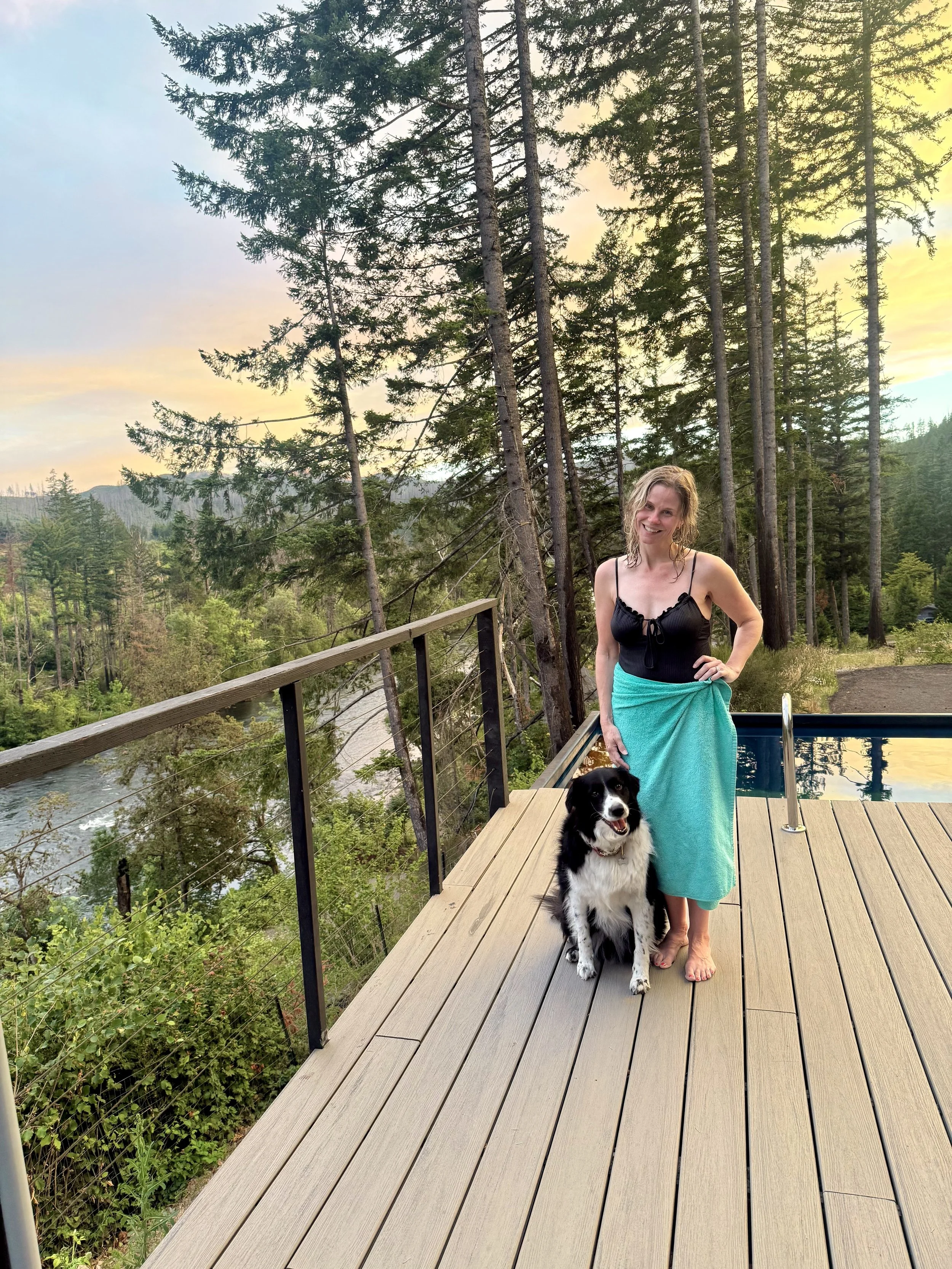
We brought our favorite four-legged girl, Daphne, and settled into a room perched high above the McKenzie River. Every window framed the rushing water below, and the views somehow became even more beautiful as the day went on.
The property itself was unforgettable. There was a cedar sauna, a shipping-container pool that seemed to float over the edge of the hillside, and a hot tub overlooking the river. We spent hours simply watching the changing light dance across the water. Sunset was especially magical, the warm glow lingered over the canyon for what felt like hours.
Each morning started with a homemade breakfast, and just a short drive away were charming restaurants and grocery stores to stock up on picnic supplies and snacks.

One meal deserves its own paragraph.
If you find yourself nearby, don't skip Obsidian Grill. I still can't stop thinking about the carnitas chimichurri nachos. Crispy chips piled high with tender pork and topped with bright, herbaceous chimichurri, it was one of those meals you talk about long after the trip ends. The onion rings were perfectly crunchy, and their outdoor seating made it easy for Daphne to relax with us while we ate. Sadly, we forgot to take a picture of the nachos, we were so hungry after our hike, we dug in and devoured them.


One of the highlights of the weekend was hiking to Tamolitch Blue Pool, about 30 minutes away. The trail is roughly four miles round trip, winding beside the crystal-clear McKenzie River with countless places to stop for a cold drink, a quick swim, or—in Daphne's case—a joyful splash.
The forest completely surprised me.
Imagine if the forests around Bend and Portland had a baby. You get the towering pines, lava rock, and warm reddish soil that remind you of Central Oregon, combined with the lush ferns, filtered light, and shaded canopy that make western Oregon forests feel so peaceful. It somehow captures the best qualities of both landscapes.
And then you arrive at Blue Pool. Pictures simply don't prepare you for the color of the water. It's one of those places you truly have to experience in person.

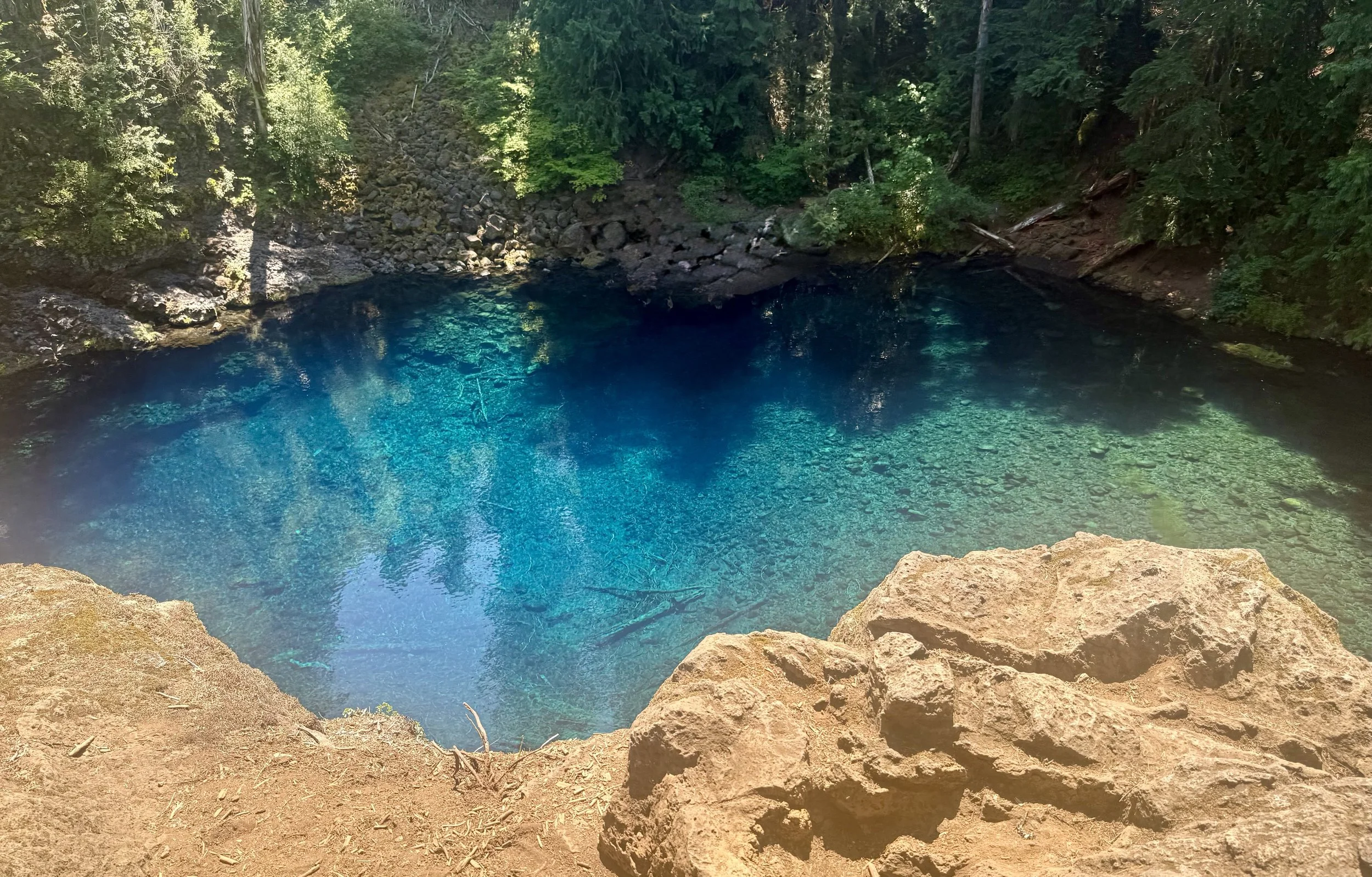
If you're looking for a weekend escape with your best friends, or even just a peaceful retreat to reconnect with nature, the McKenzie River is one of Oregon's hidden gems. It has just the right mix of relaxation, adventure, incredible food, and breathtaking scenery.
Experiences like this are one of the things I love most about living in the Pacific Northwest. Adventure doesn't always require boarding a plane. Sometimes it's as simple as packing up the dog, grabbing your best friend, and meeting somewhere in the middle for a weekend that leaves you feeling completely recharged.
What struck me most about the McKenzie River was how many different landscapes came together in one place. The river itself was impossibly clear, winding through towering evergreens and moss-covered banks. Then, just a short drive away, the hike to Blue Pool introduced a forest that felt like the perfect blend of western Oregon and Central Oregon—lush ferns beneath your feet, towering pines overhead, lava rock scattered throughout, and warm reddish soil that hinted at the high desert beyond.
It's easy to forget just how much beauty exists within a couple of hours of Portland until you slow down and experience places like this. Whether we were soaking in the hot tub above the river, watching the sunset linger over the canyon, or hiking alongside the McKenzie with Daphne happily splashing in the water, every moment reminded me why Oregon is such an incredible place to call home.
Weekends like this leave you rested, inspired, and already dreaming about your next visit.

The view from the hot tub was unbeatable, we were perched high overlooking the Mackenzie.
P.S. I'm almost tempted to keep this place to myself because I definitely want to come back. 😉 If you're planning your own McKenzie River getaway, send me a message and I'll happily share where we stayed.
If you're looking for a coastal adventure instead, here's another one of my favorite Oregon weekend escapes Northern Coast Road trip
Where to Start When Buying a Home in Portland (And What to Expect Along the Way)
Buying a home in Portland? Learn what to expect from your first conversation through closing with this step-by-step guide for confident buyers.
Buying a home in Portland is easier when you understand the process before you begin. Here's what to expect:
Connect with a trusted Portland Realtor and create a buying strategy.
Get pre-approved so you know your budget before touring homes.
Tour homes and narrow down your priorities.
Find the right home and submit a competitive offer.
Once your offer is accepted, complete inspections, appraisal, title review, and any negotiations.
Sign your closing documents and get the keys to your new home.
The goal isn't just finding a house, it's making a confident, informed decision that fits your lifestyle and long-term goals.
Buying a home can feel overwhelming, especially if it's your first purchase, you're relocating to Portland, or you haven't bought a home in years.

One of the biggest misconceptions I hear is that buyers think they need to have everything figured out before they ever reach out to a Realtor. The truth?
You don't need to know everything. You just need to know where to start.
This guide walks you through the entire buying process, from our first conversation all the way to getting the keys to your new home.
Step 1: Connect With Your Realtor
Everything starts with a conversation.
We'll talk about things like:
What kind of home you're looking for
Your ideal neighborhoods
Your budget
Your timeline
Whether you're relocating
Any questions or concerns you have
This isn't about looking at houses.
It's about creating a strategy.
Step 2: Get Pre-Approved
Before we start touring homes, I always recommend talking with a trusted lender. I help match buyers with the right lender for their specific needs.
A pre-approval helps you understand:
Your comfortable monthly payment
Your purchasing power
Your estimated cash to close
Which loan programs fit your goals
Even if you're months away from buying, this conversation is incredibly valuable. Sometimes a lender can help make suggestions to make your credit score higher to help you qualify for a better rate. It’s worth talking to a lender to see where you stand, sometimes you are closer to purchasing a home than you think.
Step 3: Start Touring Homes
Now the fun begins.
We'll tour homes that fit your goals, not just because they're available.
As we walk through homes, you'll quickly learn:
what you love
what you don't
where you're willing to compromise
what matters most
Almost every buyer's priorities evolve after seeing homes in person. That's completely normal.
Step 4: Find "The One"
Eventually you'll walk into a house that feels different.
That's when we slow down.
We'll evaluate:
comparable sales
condition
disclosures
inspection concerns
neighborhood
future resale potential
Buying the right home isn't just about falling in love with it. It's about making a smart investment.
Step 5: Make an Offer
Once we've found the right home, I'll help you build the strongest offer possible.
Depending on the market, that may include:
price
earnest money
contingencies
closing timeline
seller credits
possession timing
Every situation is different. And Portland is a competitive market, I will help you structure an offer that will help you get accepted, while also protecting you, and your money.
Step 6: Mutual Acceptance 🎉
Congratulations!
Once both parties sign the agreement, you're officially under contract. But we're not done yet. Now the due diligence begins.
What Happens After You're Under Contract?
Many buyers think they're finished once the offer is accepted. In reality, several important steps still happen before closing.
Buyer Deposits Earnest Money
This deposit demonstrates your commitment to purchasing the home. It eventually becomes part of your down payment or closing costs.
Escrow Opens
A neutral escrow company begins coordinating all of the paperwork and money involved in the transaction.
Preliminary Title Report
We'll review the property's title history to ensure there aren't unexpected liens, ownership issues, or easements that could affect your purchase.
Home Inspections
One of the most important steps.
Licensed inspectors evaluates the home's major systems and helps us understand:
maintenance items
safety concerns
larger repairs
items to negotiate
Typical Inspections in Portland Include:
General Home inspection
Radon
Sewer scope
Underground oil tank search
Mold, Asbestos or lead evaluations if needed
The inspection period isn't about finding a perfect house. It's about making an informed decision. I see the inspection period as a valuable planning opportunity. I bring in contractors, discuss future projects, gather estimates, and help you start envisioning how you’ll make the home your own over time.
One of my favorite parts of the process is helping buyers create a roadmap for improvements. Together, we’ll prioritize projects, that fit your budget, lifestyle and long-term goals, while identifying the updates most likely to add value, and build equity along the way.
Negotiations
Sometimes everything looks great.
Other times we'll negotiate:
repairs
credits
price adjustments
additional inspections
I'll help you decide what's reasonable and what isn't.
Appraisal
If you're financing the purchase, your lender will order an appraisal to confirm the home's value. In a sense it is like a less extensive inspection for the lender. Sometimes the lender may require certain repairs prior to the close of escrow.
Signing Day
A few days before closing, you'll sign your final loan and escrow documents.
Closing Day
The sale records. The seller receives their proceeds.
And then...
You Get the Keys! 🔑
One of my favorite moments in every transaction. It never gets old!
My Job Throughout the Process
Many people think a Realtor's job is opening doors. That's actually a very small part of what I do.
My role is to help you:
create a strategy
avoid costly mistakes
evaluate neighborhoods
negotiate confidently
hold your hand and help you stay calm
understand inspections
coordinate lenders and escrow
solve problems when they arise
make informed decisions from start to finish
Frequently Asked Questions:
-
No. I actually encourage buyers to reach out first if they have questions. I can explain the buying process, recommend trusted local lenders if needed, and help you understand what to expect before you begin touring homes.
-
It depends on the loan program, your down payment, and closing costs. Many buyers are surprised to learn they may not need a 20% down payment. A lender can help you understand your options based on your financial situation.
-
Every purchase is different, but many buyers spend anywhere from a few weeks to a few months searching for the right home. Once you're under contract, closing typically takes about 30 days, depending on financing and the terms of the agreement.
-
After mutual acceptance, you'll typically deposit earnest money, complete inspections, review the preliminary title report, go through the appraisal process (if financing), negotiate any repairs or credits if needed, sign your closing documents, and receive the keys once the sale records.
-
Yes! A home inspection helps you understand the property's condition before closing and can identify maintenance items or repairs that may affect your decision or become part of negotiations.
-
Absolutely. Many homeowners do exactly that. Planning the timing carefully is important, and there are several strategies depending on your financial situation and the current market.
👉 Related: Should I Sell My House Before Finding My Next Home?
-
Think about your commute, lifestyle, schools, walkability, budget, and future plans. Every neighborhood has its own personality, and part of my job is helping you narrow down the areas that best fit your goals.
👉 Related: Portland Neighborhood Guide
-
That depends more on your personal goals than trying to perfectly time the market. The best time to buy is when you're financially prepared and find a home that fits your needs. We can discuss current market conditions together and create a strategy that's right for you.
-
In many transactions, the buyer's agent compensation is addressed as part of the purchase agreement, but how compensation is handled can vary. We'll discuss it before you begin your search so you understand exactly how representation works and there are no surprises.
-
Yes! A large part of my business is helping people relocate to Portland. I can help you compare neighborhoods based on your commute, lifestyle, schools, budget, and the type of community you're looking for.
Whether you're moving from Seattle, the Bay Area, or another part of Oregon, I'll help you narrow down your options before you even start touring homes.
Thinking About Buying in Portland?
Whether you're buying your first home, moving across town, or relocating from another state, you don't have to figure it out alone.
Every purchase is different, but the process doesn't have to feel overwhelming when you have someone guiding you every step of the way. I'd love to help you build a plan that's tailored to your goals, and then walk beside you all the way to closing.



Our Favorite Northern Oregon Coast Road Trip: Long Beach, Astoria, Cannon Beach & Manzanita
From shipwrecks and puffins to bike rides, elk sightings, and sunsets with our dog Daphne, our family's northern Oregon coast road trip reminded us why we love calling Portland home. Join us as we explore Long Beach, Astoria, Cannon Beach, Manzanita, and Nehalem Bay State Park, and why life here is about so much more than where you live.
Portland Lifestyle

A classic Oregon coast view that never gets old.
One of my favorite things about living in Portland is that adventure never feels very far away.
When summer arrives, our family starts dreaming about salty air, bike rides, campfires, and the kind of long beach walks that somehow make life feel a little simpler. To kick off Summer this year, we packed up the trailer, loaded the bikes, brought Daphne, and headed out on one of our favorite traditions: a northern coast road trip with stops in Long Beach, Astoria, Cannon Beach, and Nehalem Bay State Park. It reminded me once again why I love calling Portland home.

Our first stop was Long Beach, Washington, where miles of sandy shoreline and easygoing beach town charm made it easy to settle into vacation mode.
One of the highlights was Cape Disappointment. Despite its unfortunate name, the views are anything but disappointing. Standing above the Pacific and imagining the explorers who first arrived here always gives me a sense of just how wild and beautiful this part of the country really is.
Exploring Astoria and Fort Stevens by Bike
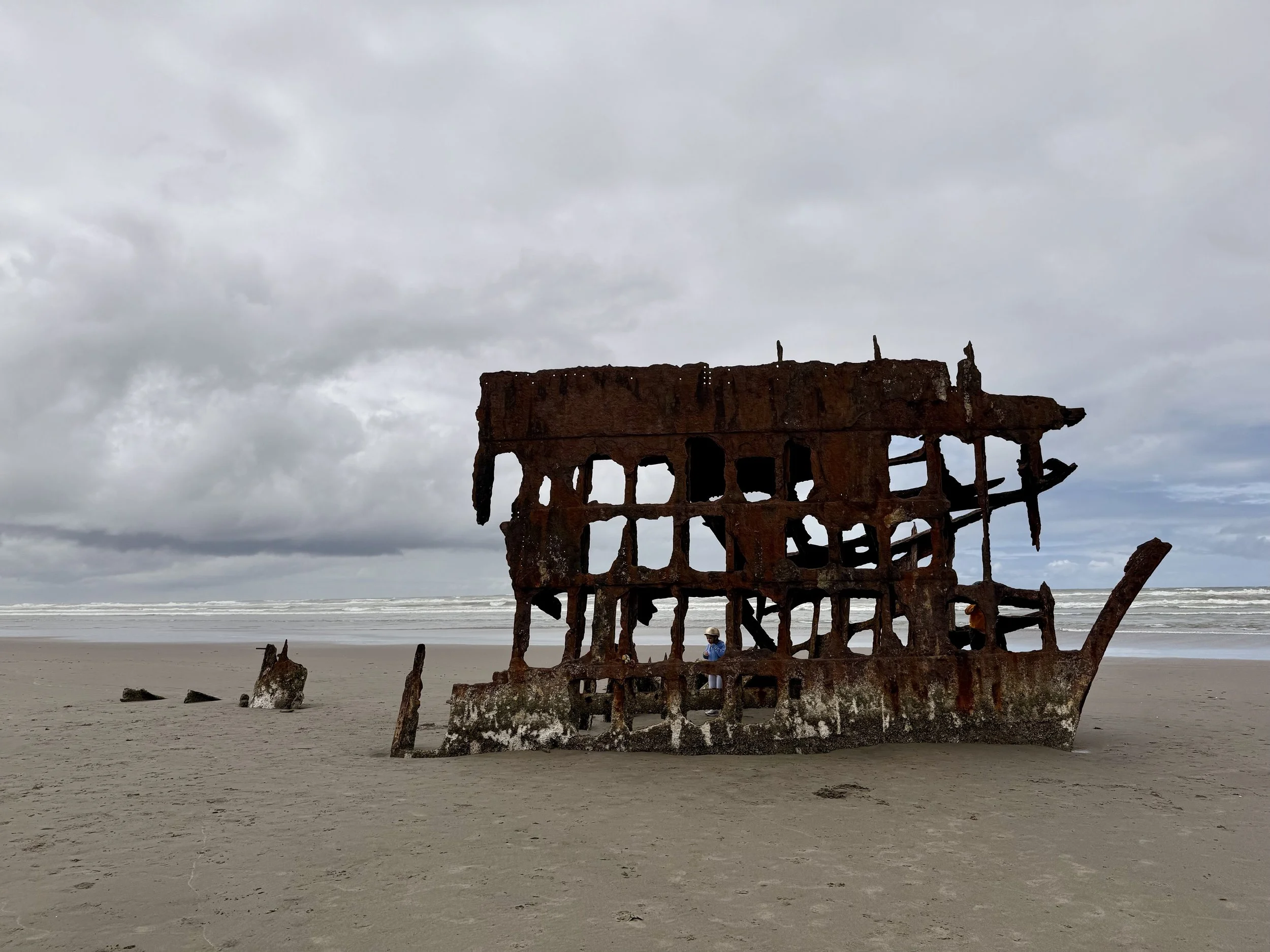
One thing we almost always bring on our coastal trips is our bikes, and this year they probably got more use than anything else. From our campsite in Astoria, we were able to hop on the trail system and ride all the way through Fort Stevens State Park. Along the way, we explored the historic army barracks, wandered through old bunkers, and eventually made our way to the Peter Iredale shipwreck. There is something special about experiencing it all at bike speed. You notice more, stop more often, and somehow feel more connected to the landscape. It ended up being one of our favorite days of the trip.
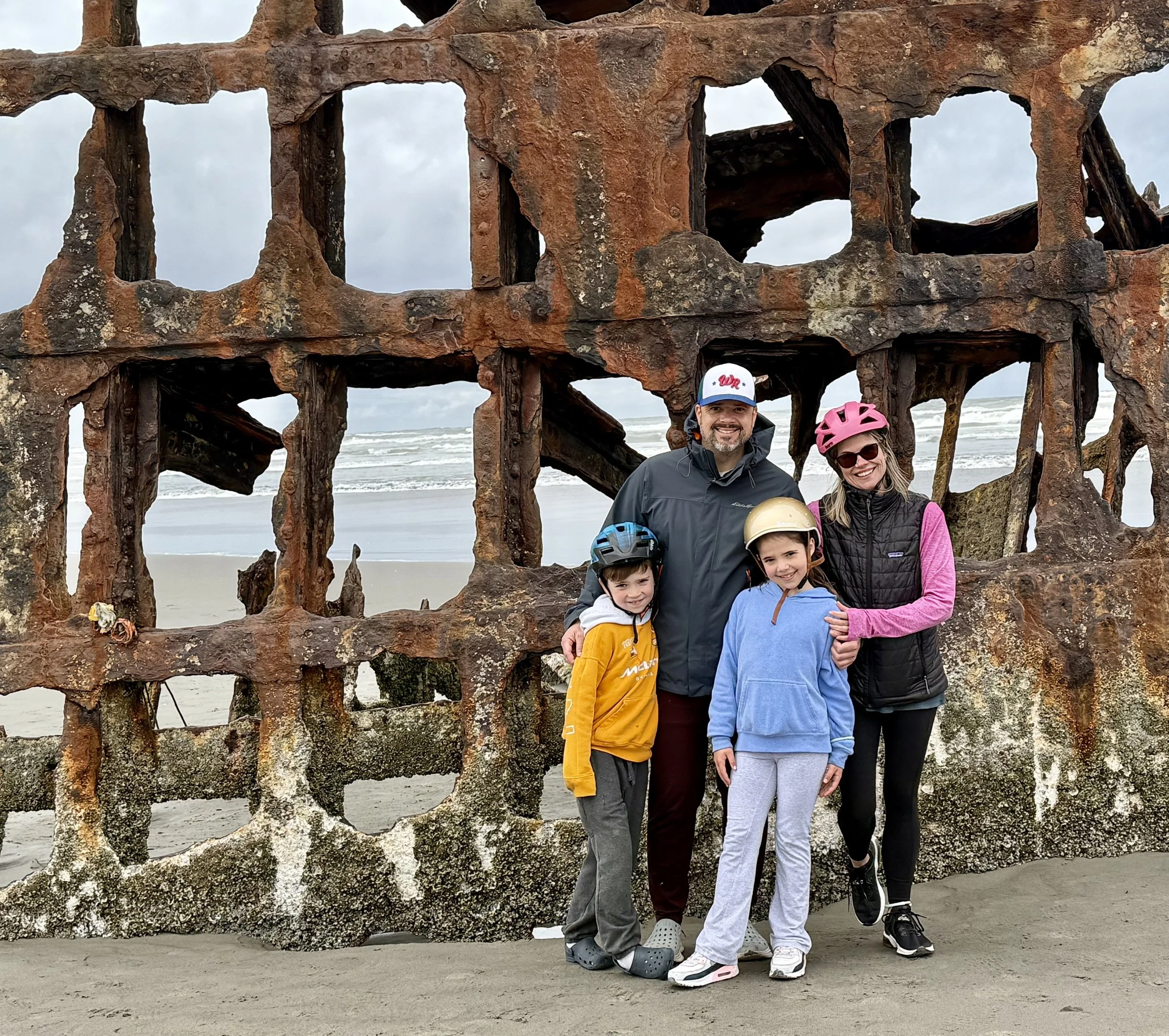
Cannon Beach on Two Wheels
Cannon Beach offered a completely different experience. We loved being able to ride our bikes into town for coffee, browse the shops, and enjoy the little conveniences that make beach towns so charming. One of the things I appreciate most about the Oregon Coast is how each stop has its own personality. Even though these communities are relatively close to one another, they all feel remarkably different.
Puffins and Bird Watching
We even managed to spot puffins during one of our outings, which quickly became one of the highlights of the trip. Bird watching wasn't exactly part of the original plan, but sometimes the unexpected discoveries become the memories everyone talks about later.



If told you this was halfway around the World, you might believe me. Instead it was just another reminder of how lucky we are to cal the Pacific Northwest home.
Nehalem Bay State Park: Miles of Trails and Endless Beach
One of the most magical moments of the trip happened at Nehalem Bay State Park. Over the course of our stay, we spotted multiple elk throughout the park, but one evening, we looked up to find a member of the herd calmly walking right through our campsite. As if it owned the place, it continued along the same trail we used each day to reach the beach. It was one of those moments that makes you stop everything and simply appreciate where you are. Between the elk, the miles of bike trails, the endless beaches, and the quiet beauty of the coast, it felt like we had stepped into another world, despite being only a few hours from home.

The Elk we saw had fuzzy, velvet-covered antlers that were still growing, and none of us realized that elk actually regrow their antlers every year.
Experiences like these are part of what I love most about living in the Pacific Northwest. Adventure doesn't have to mean boarding a plane. Sometimes it's as simple as loading up the bikes, packing up the dog, and heading west. What struck me most was how dramatically the scenery changed from stop to stop. The forests around Astoria felt lush and wild. Cannon Beach had a different rhythm altogether. And Nehalem felt softer and quieter, with windswept dunes, beautiful stands of shore pine, and beaches that seemed to stretch forever. It's amazing how much variety exists within just a couple hours of Portland. Some evenings, it felt as though we had the beach entirely to ourselves.

Daphne taking in another Oregon coast sunset. I’m pretty sure this was her favorite stop of the trip.
Why We Love Living in Portland
People often ask me what makes Portland so special. For me, it's this.
Within just a few hours, we can trade city life for shipwrecks, puffins, bike rides, elk wandering through camp, campfires, and beaches that stretch for miles.
This trip reminded me how fortunate we are to live somewhere with so much variety and beauty packed into such a small corner of the world. Each stop felt completely different, from the historic charm of Astoria to the wide-open beaches of Long Beach, the bustle of Cannon Beach, and the quiet forests and endless trails of Nehalem Bay.
Adventure doesn't have to mean boarding a plane. Sometimes it means loading up the bikes, packing up the dog, and heading west.
And perhaps no one enjoyed it more than Daphne.
Watching our sweet English Shepherd race across the sand and then settle in to watch the sunset quickly became one of my favorite memories of the entire trip. If happiness could be captured in a photograph, I'm pretty sure it would look exactly like Daphne gazing out toward the Pacific. Because life here isn't just about where you live.
It's about how you live.
What Should You Do Before Listing Your House?
One of the first questions I hear from sellers is:
“What should we actually do before listing?”
And once you start looking around your home, it’s easy to feel like everything needs updating.
The truth is, most sellers don’t need a major renovation. In fact, some of the highest-impact improvements are also the simplest.
From staging and fresh paint to lighting and hardware, here’s how I help Portland sellers focus on the updates that matter most, avoid unnecessary projects, and create a plan that maximizes value without creating overwhelm.
Because the goal isn’t to renovate your home.
It’s to make the right improvements, coordinate them efficiently, and create the kind of confidence that makes buyers willing to pay top dollar.
Portland Selling Guide, Denise Wolfe
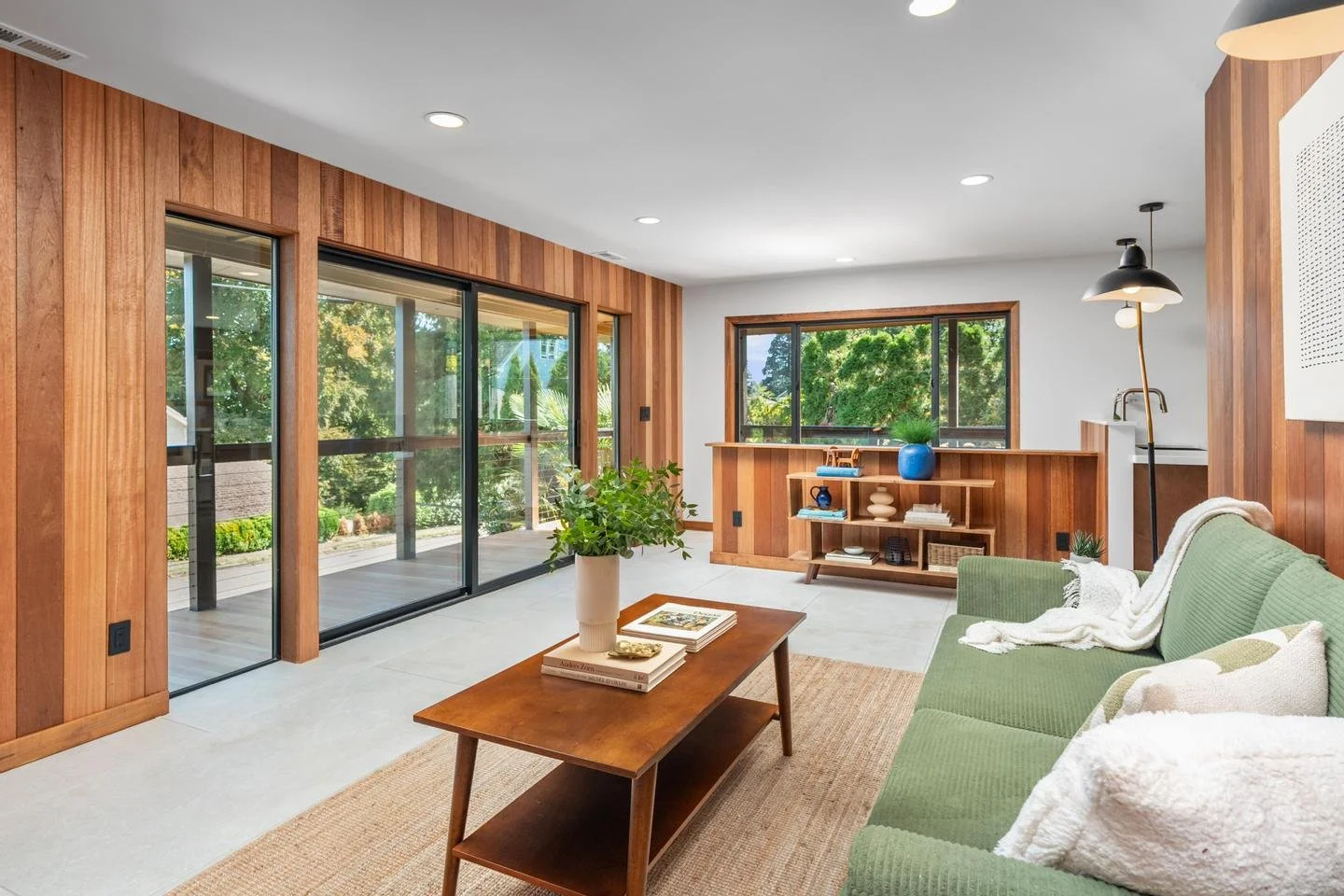
Strategic preparation doesn't mean renovating. It means focusing on what buyers actually notice.
Preparing your home for sale doesn’t mean renovating everything.
In fact, if you only do one thing, I almost always recommend staging. From there, focus on small repairs, fresh paint, updated lighting and hardware, and curb appeal.
Most of my clients don’t spend the most money.
They simply spend money in the right places.

My process starts with a walk-through and a consultation with my designer. Together, we create a list of possible improvements, estimate costs, and prioritize projects based on your goals and budget.
What Should You Actually Do Before Listing Your House?
One of the first questions I get from sellers is:
“What should we actually do before listing?” And I understand why. Once you start looking around your home, it’s easy to feel like everything needs updating.
But here’s the good news:
Most sellers don’t need a major renovation. In fact, one of the biggest mistakes I see is people spending money in places that buyers won’t value. The goal isn’t to do everything. It’s to do the right things.
My Process
When I first meet with a seller, one of the things we do is walk through the home together. Then I bring in my designer, and together we create a detailed list of potential updates. From there, I gather bids, estimate costs, and organize everything into a prioritized plan based on each client’s budget and goals. Not every seller does every project. And that’s okay. The goal is never to spend the most money. The goal is to make smart decisions and focus on the improvements that will have the biggest impact.
Start With the Small Stuff
Before we even talk about paint colors or light fixtures, I always recommend taking care of the little things. These are often inexpensive repairs, but they make a huge difference in how a home feels to buyers.
Things like:
Torn window screens
Wobbly doorknobs
Loose cabinet doors
Burned-out light bulbs
Sticky locks
Non-functioning switches
Small areas of caulking that need attention
Buyers notice when a home feels well cared for.
And while these details may seem insignificant, they quietly communicate that the home has been maintained.
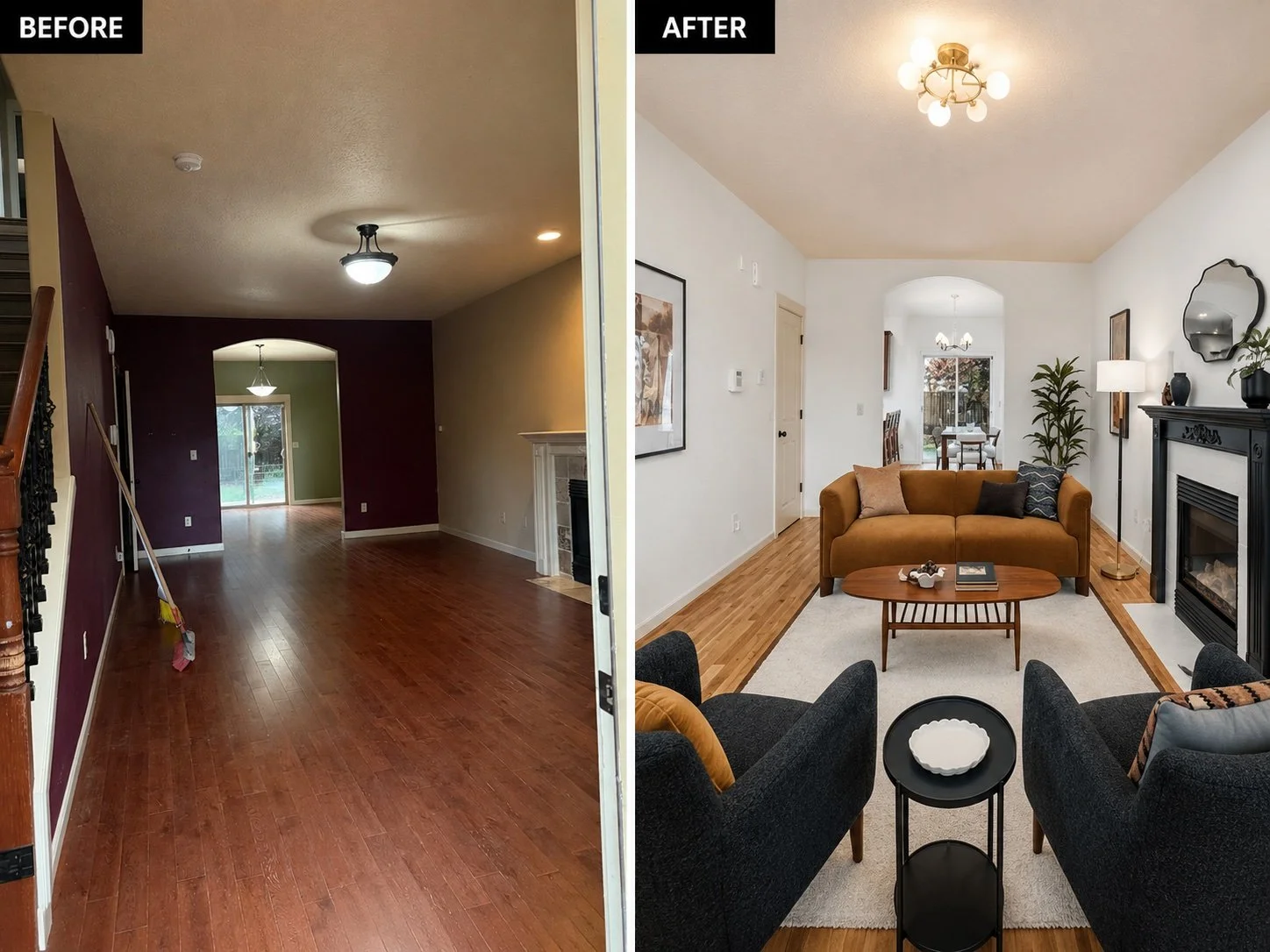
This space felt dark, and outdated. It’s hrd for buyers to understand the potential of space, and they almost always overestimate the costs of a refresh.
Fresh Paint Is Almost Always Worth It
Never underestimate what a fresh coat of paint can do. Paint is one of the highest-impact improvements you can make before listing.
Fresh paint:
Brightens a space
Creates a cohesive feel
Helps buyers see the home as move-in ready
Makes rooms photograph beautifully
And perhaps most importantly, it allows buyers to focus on the home itself rather than being distracted by outdated colors or worn walls. Time and time again, I’ve seen paint transform a home.
Lighting and Hardware: Small Changes, Big Impact
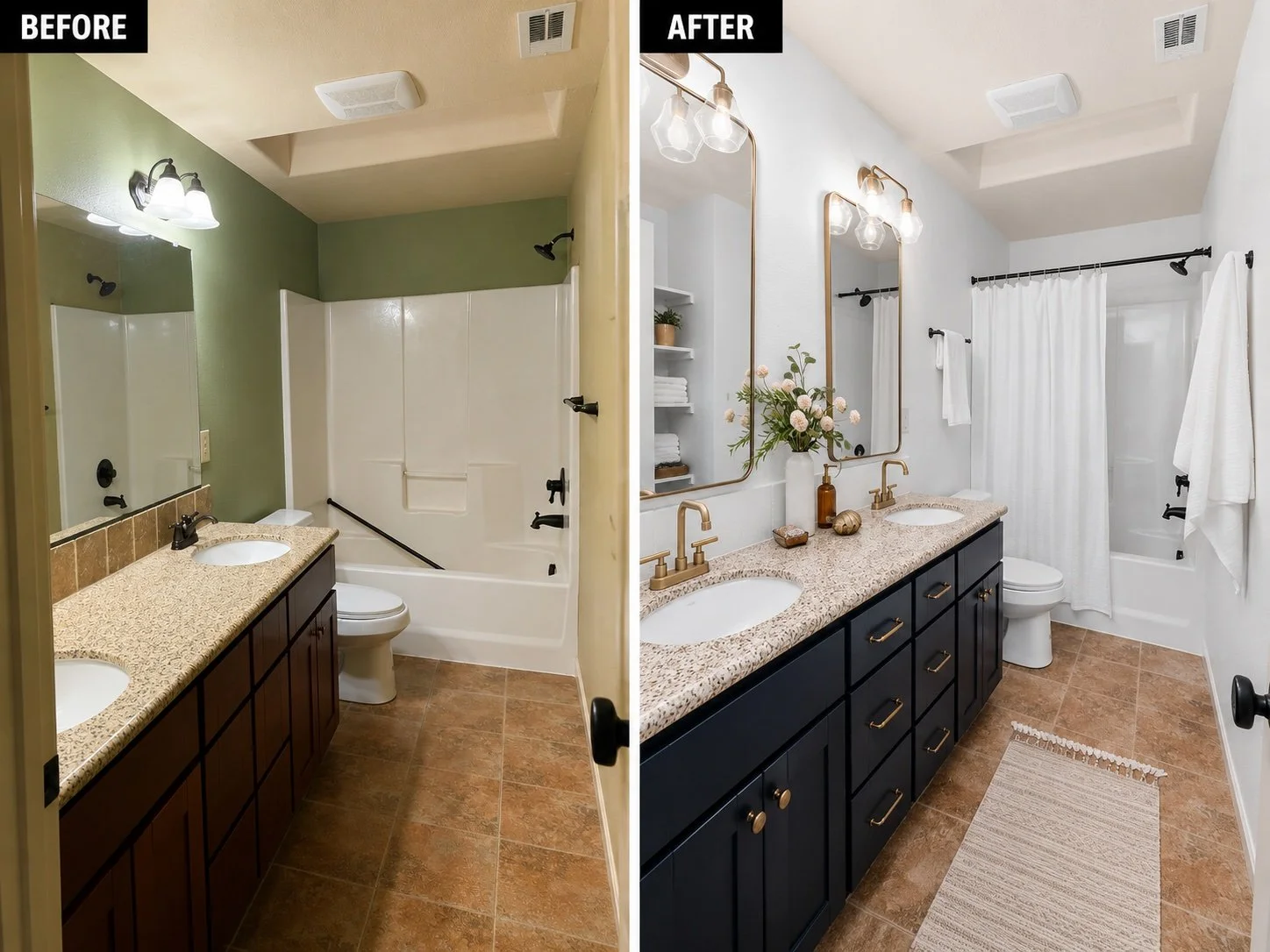
Fresh paint, updated hardware, and new fixtures were all it took to bring this bathroom in line with today’s design preferences. Sometimes it’s not about spending more. It’s knowing where t spend.
This is one of my favorite categories because the investment is relatively small, but the visual return can be tremendous.
Updating things like:
Light fixtures
Cabinet hardware
Plumbing fixtures
Door hardware
can instantly make a home feel more current and intentional. These aren’t expensive renovations. They’re simply thoughtful updates that help a home feel refreshed and aligned with today’s design aesthetic.
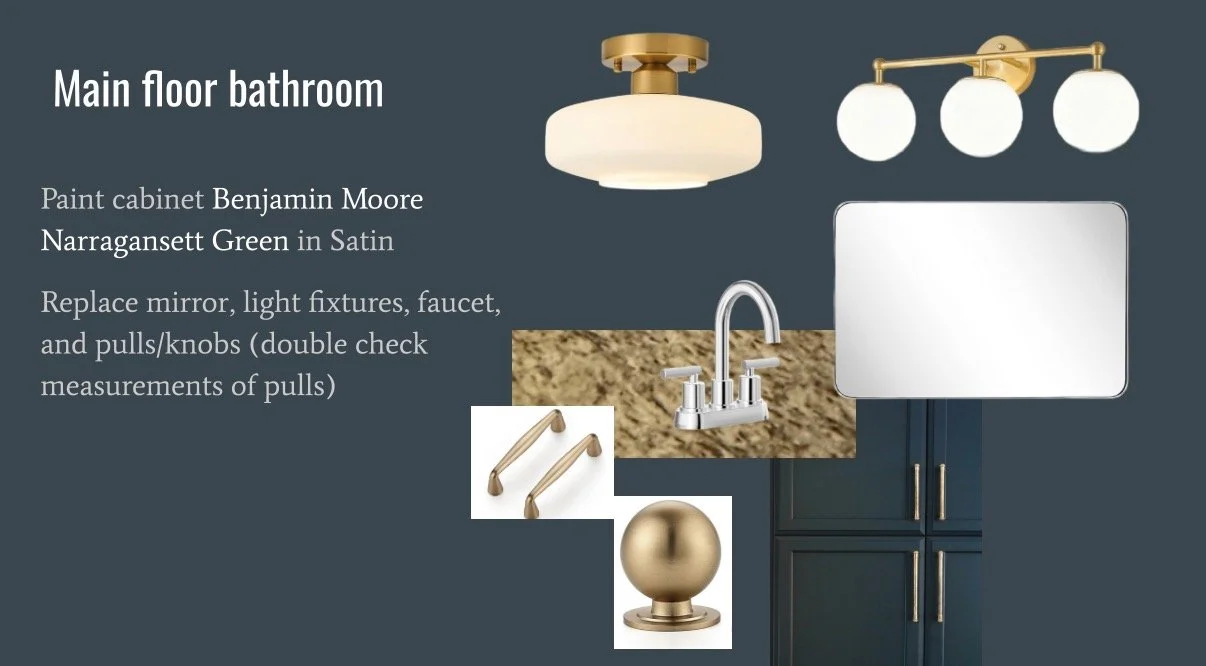
From paint colors to hardware. Everything is in the report, it will all flow and create a cohesive design.
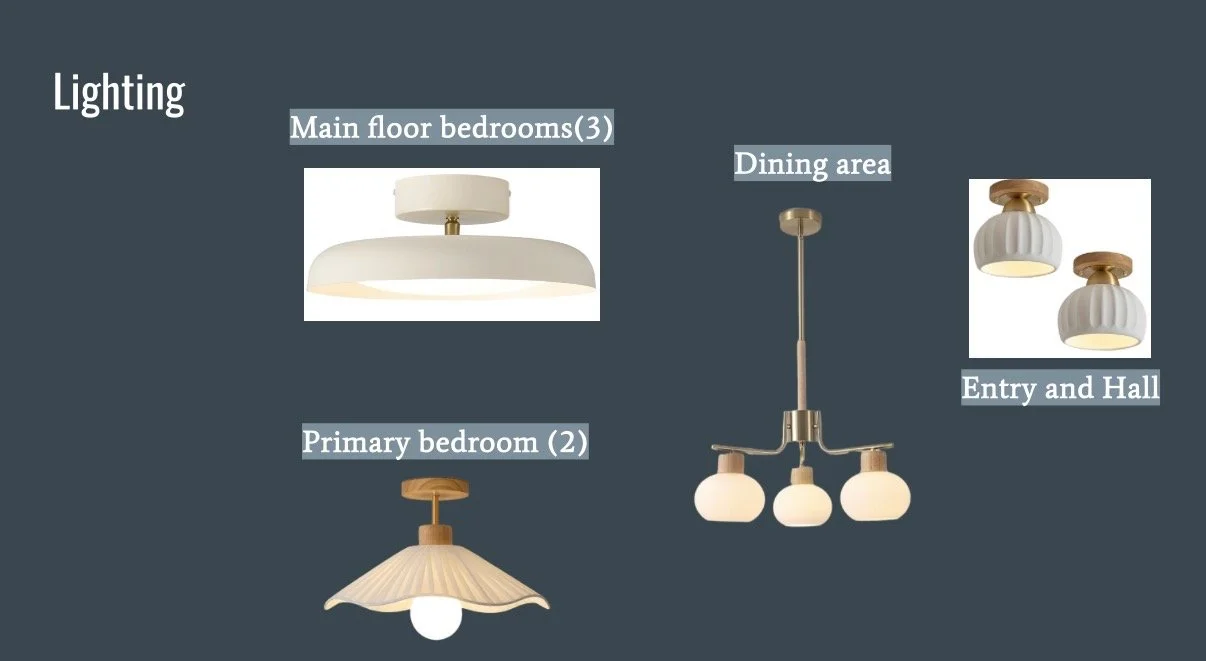
No need to guess what light fixtures will work, i provide all of the information in my design report.
Don’t Forget Curb Appeal
First impressions matter. Sometimes buyers start forming opinions before they even step inside. Fortunately, curb appeal improvements don’t always have to be expensive.
Simple updates like:
Painting the front door
Refreshing trim
Updating house numbers
Pressure washing
Adding fresh mulch
Planting seasonal flowers
can completely change the feel of a home. And landscaping, in particular, goes a long way. A well-maintained yard creates a sense of care and pride that buyers immediately respond to.
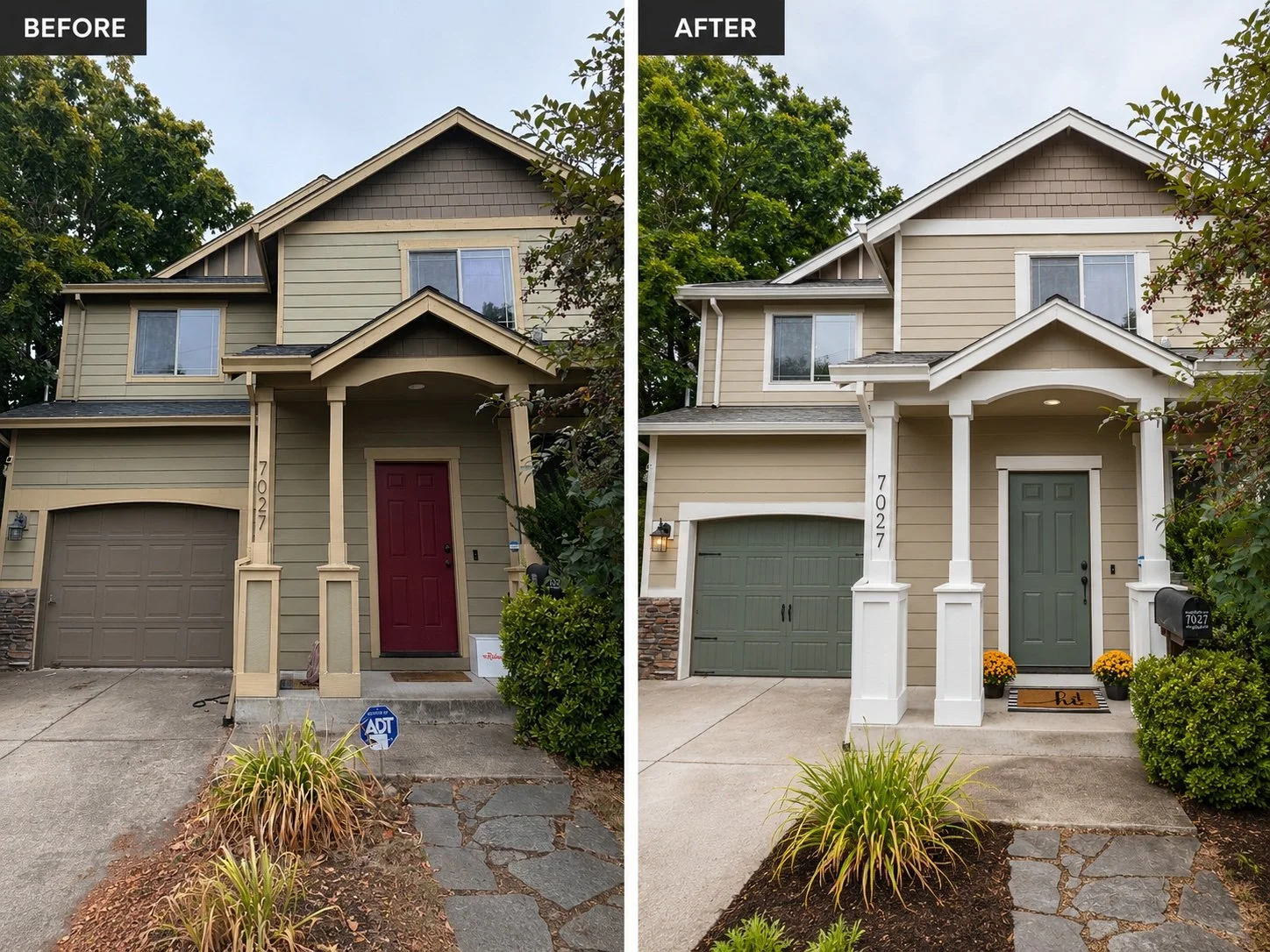
Small changes can go a long way. Refreshing trim and a door instead of a full repaint, can help stretch a budget.
What I Tell My Clients
Preparation isn’t about turning your home into something it isn’t. It’s about helping buyers see the very best version of what already exists. And that rarely means doing everything. It means making thoughtful improvements that maximize your home’s appeal and ultimately help you achieve the strongest result. That’s why I encourage sellers to start the conversation earlier than they think they need to.Whether you’re planning to move in three months or three years, we can create a roadmap and tackle projects gradually. That approach tends to be less stressful, more efficient, and ultimately far more effective.
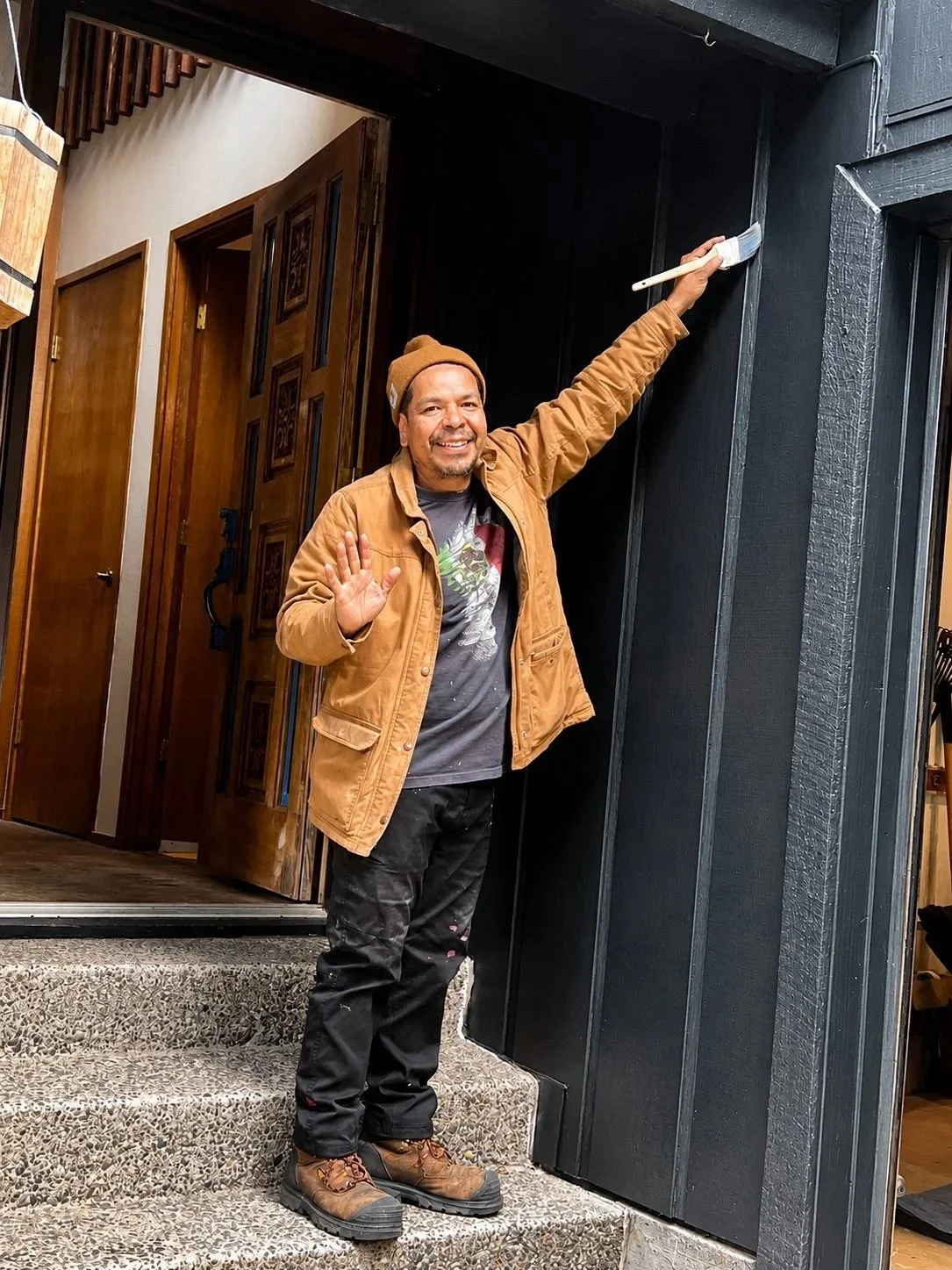
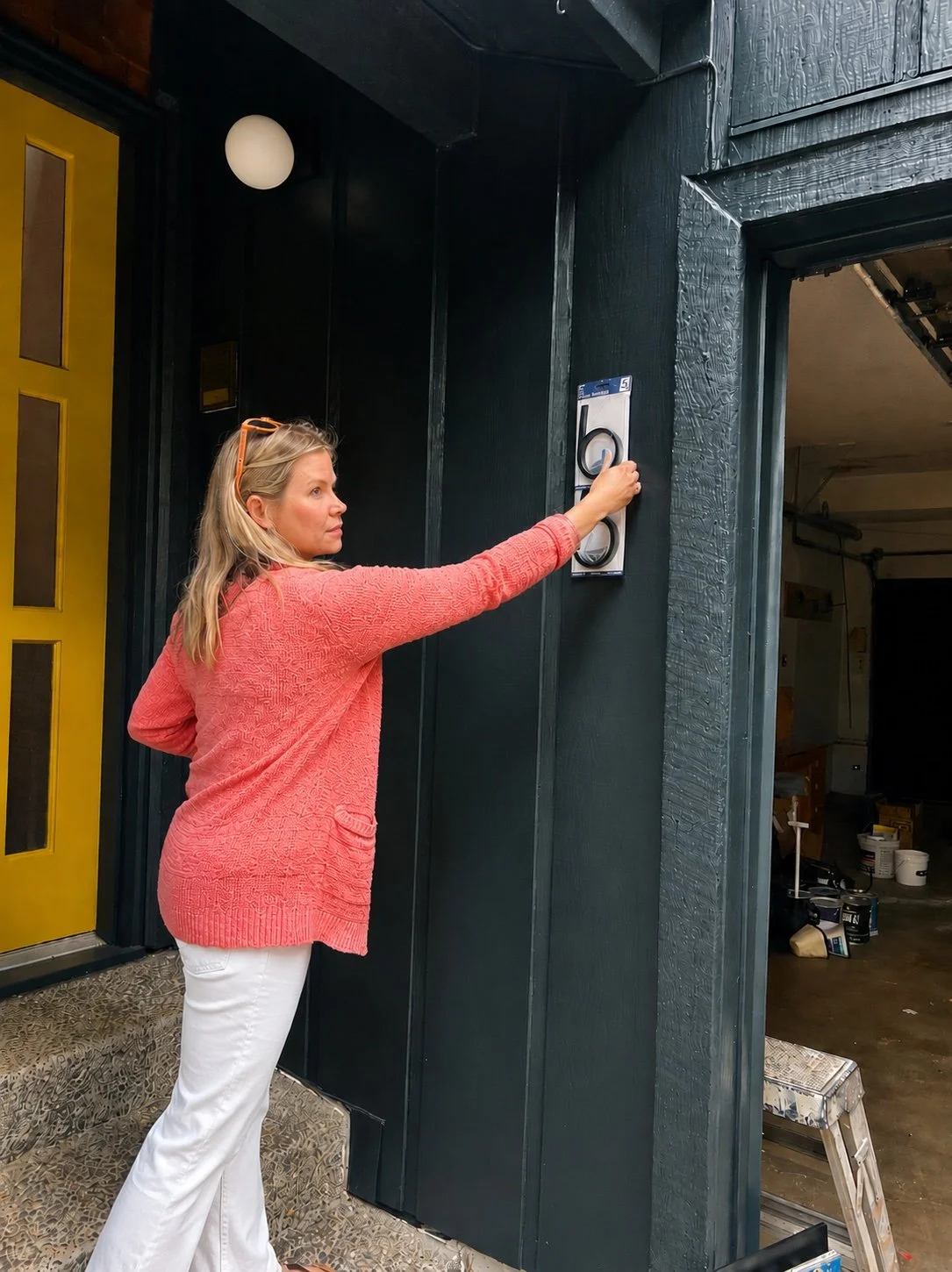
A Trusted Team Behind Every Successful Sale
Preparing a home for market is rarely a one-person job. Over the years, I’ve assembled a trusted team of stagers, designers, painters, contractors, electricians, plumbers, landscapers, and specialists who help ensure every project moves smoothly and efficiently. Together, we create a plan, coordinate the work, and keep the timeline on track so that homes spend less time in transition and more time doing what they’re supposed to do: attracting buyers. Whether you’re living in the home during the process or preparing a vacant property for market, my role is to oversee the details, manage the moving pieces, and help make what can feel overwhelming surprisingly manageable, and fast.
Because selling a home isn’t just about strategy.
It’s about execution.
And having the right team behind you can make all the difference.
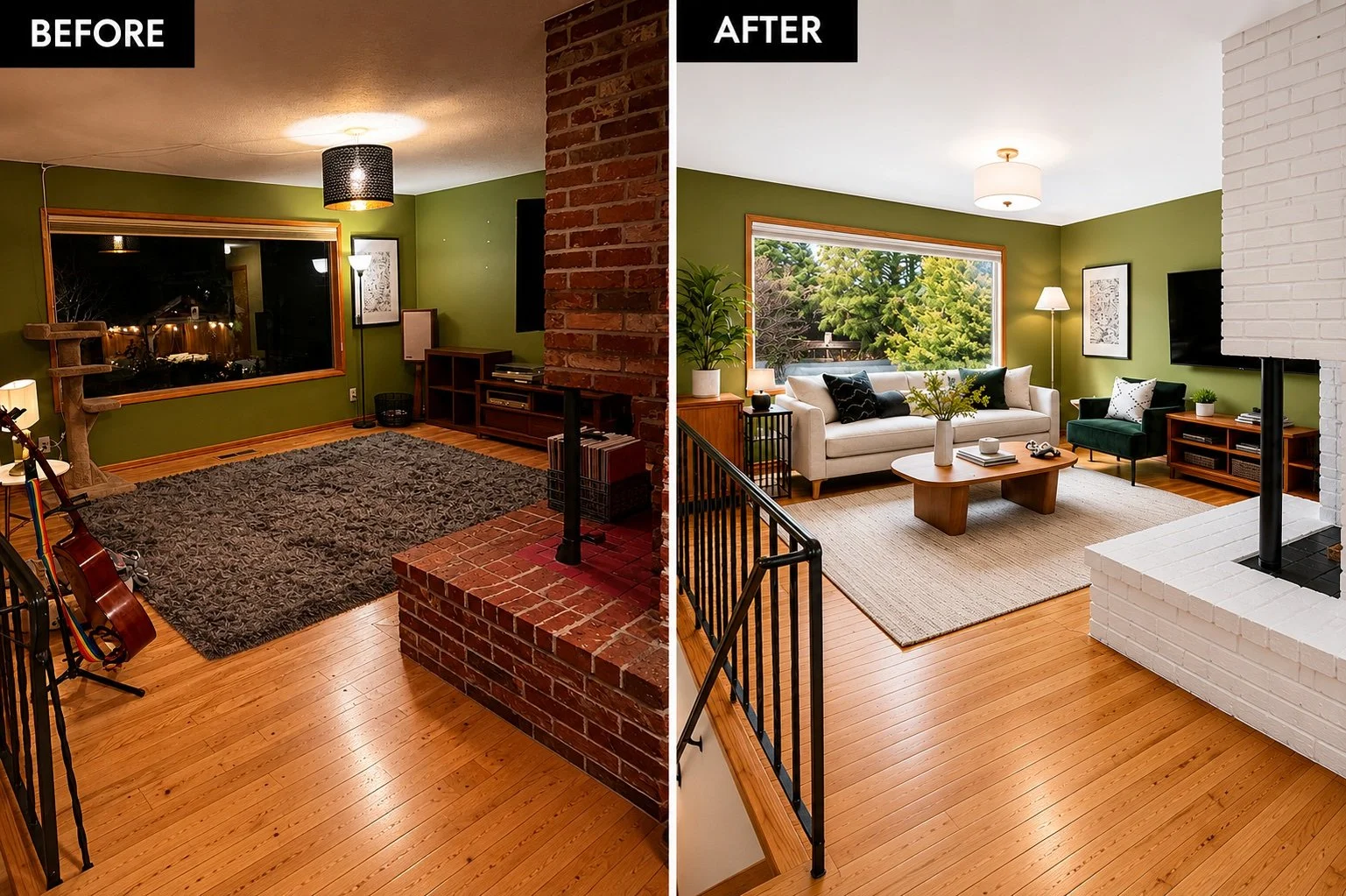
The transformation in this room was incredible, the whitewashed brick brightened the room, and became a visual centerpiece of the room.
One thing I always tell my clients is that if we make the right improvements, we’re often creating leverage before we ever hit the market.
In today’s environment, where interest rates are higher and everyday costs have increased, many buyers don’t feel like they have the extra cash or emotional bandwidth to take on major renovations after purchasing a home. They’re looking for confidence. They want to move in, settle into their new space, and enjoy it without feeling overwhelmed by additional projects and unexpected expenses. That’s why well-prepared homes tend to command such strong interest. When buyers walk through a home that feels cohesive, thoughtfully updated, and move-in ready, they’re often willing to pay a premium for that sense of certainty and ease. Because in many ways, we’re not just selling the house. We’re selling the feeling of being able to relax.
And if we can create that feeling, we’re often starting the negotiation long before the home officially hits the market.
Frequently Asked Questions
-
Most sellers don’t need a major renovation before listing. I typically recommend focusing on the improvements that buyers notice most, including staging, fresh paint, and updated lighting and hardware. The goal isn’t to do everything. It’s to make thoughtful updates that create the biggest impact.
-
Usually not. One of the biggest mistakes I see sellers make is over-improving for their price point. Many homes can be brought in line with current design preferences through strategic cosmetic updates rather than expensive renovations.
-
Almost always. Staging helps buyers understand how the space lives, creates stronger listing photos, and allows buyers to emotionally connect with the home. In many cases, staging is one of the highest-return investments a seller can make.
-
In my experience, the biggest impact usually comes from:
• Professional staging
• Fresh interior paint
• Updated lighting
• New hardware and fixtures
These relatively simple improvements often create more value than major remodeling projects.
-
Absolutely. Most of my clients don’t spend the most money. They simply spend wisely. Thoughtful preparation often matters far more than expensive renovations.
-
Depending on the scope of the project, we can prioritize only the highest-impact updates and, in some cases, work with vendors who may be willing to wait until closing to be paid through escrow. The goal is to remove obstacles, not create additional stress.
-
No. Over the years, I’ve assembled a trusted team of painters, contractors, electricians, plumbers, landscapers, and stagers who help bring our preparation plans to life. Together, we coordinate the work and keep the timeline moving so homes spend less time in transition and sellers spend less time living in a construction zone.
-
Earlier than most people think. Even if you’re planning to sell next year, we can walk through your home together and create a plan you can tackle gradually over time. Starting early allows you to spread out costs, avoid last-minute stress, and make smarter decisions.
-
With higher interest rates and rising costs, many buyers don’t feel like they have extra cash to take on major projects after closing. Buyers are increasingly willing to pay a premium for homes that feel cohesive, updated, and ready to enjoy from day one.
-
No. More money spent does not always equal a higher sale price. The key is understanding which improvements buyers will value and which projects are unlikely to provide a meaningful return.
-
Absolutely. One of the first things I do with sellers is walk through the home, identify what will actually move the needle, and create a clear plan. No pressure. Just thoughtful advice, a trusted team, and a strategy designed to help you maximize your results.
Wondering Where to Start?
If you’re wondering where to start, I’d be happy to walk through your home and help you understand what’s worth doing, what isn’t, and how to prioritize improvements based on your goals and budget.

Why Does Everyone Want to Live in Alameda?
Why do so many buyers want to live in Alameda Portland? From ridge-top views and beautiful historic homes to the famous Alameda Bike Bus and strong community feel, here’s why this Northeast Portland neighborhood keeps ending up at the top of buyers’ lists.
Portland Neighborhood Guide, Denise Wolfe
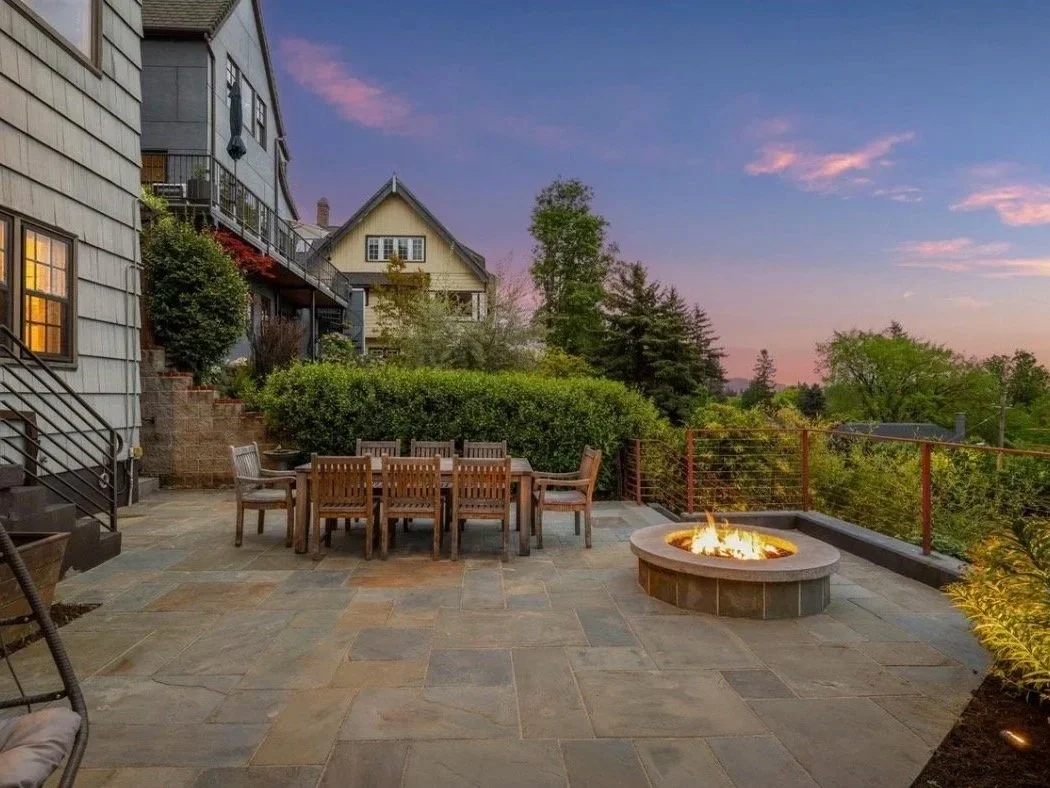
Elevated views are hidden in backyards of beautiful Alameda Ridge homes
Alameda combines stunning views, historic homes, mature tree-lined streets, and a strong sense of community. It’s one of Northeast Portland’s most desirable neighborhoods, and one that many families move into and rarely leave.

There are plenty of beautiful neighborhoods in Portland. What makes Alameda special is that it feels like a neighborhood in the truest sense of the word. Between the historic homes, tree-lined streets, and traditions like the Alameda Bike Bus, there’s a genuine sense of connection here that’s increasingly rare.
There are certain Portland neighborhoods that people ask about over and over again, and Alameda is always at the top of that list.
Even buyers who start out looking “all over Northeast” tend to slowly gravitate here. So what is it about Alameda that keeps pulling people in? This is one of the few neighborhoods in Portland where the views truly live up to the hype.
Alameda sits right along the ridge in Northeast Portland, just east of Sabin and Irvington.
It feels tucked away and quiet, but you’re still minutes from Fremont, Beaumont, and some of the best parts of NE.
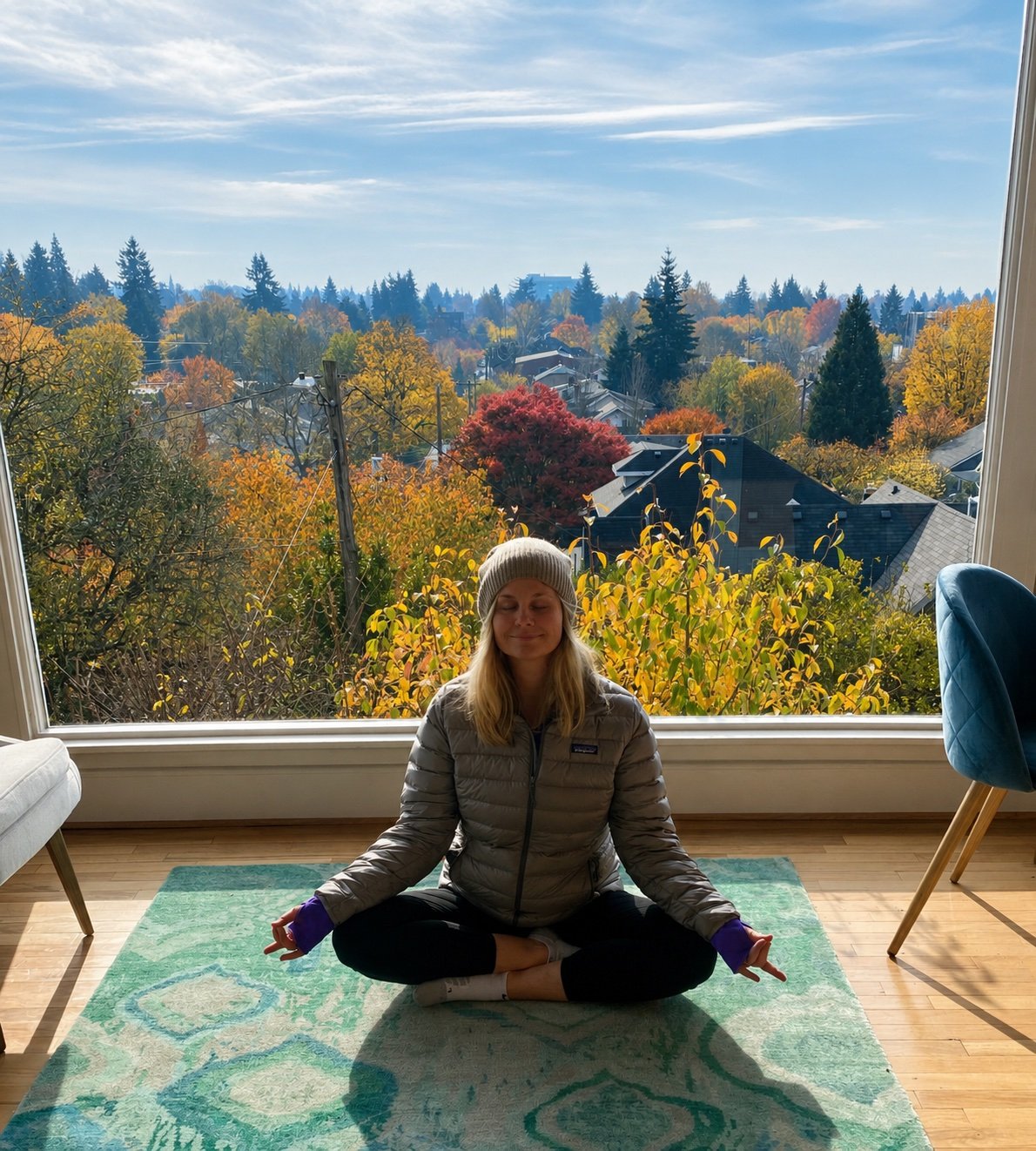
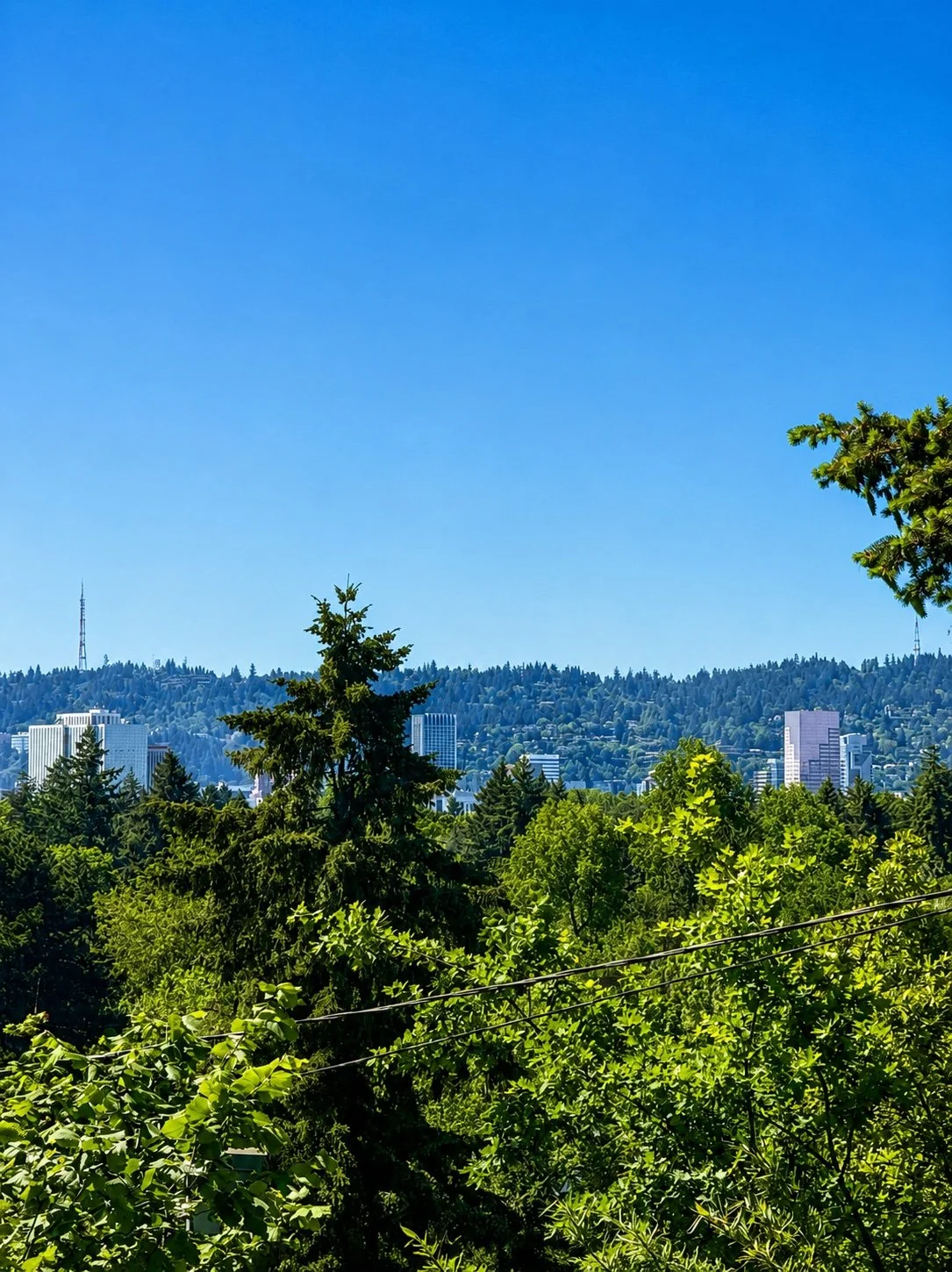
I couldn’t help myself, had to take a moment to take in the view while out previewing a home for an out-of-state client on Alameda Ridge. The views are truly breathtaking.
Because Alameda sits along the ridge, many homes have:
Mt. Hood views
City skyline views
West-facing sunsets
And not just from a tiny corner window, often from main living spaces, porches, and entire floors.
👉 This is a big reason values hold here.
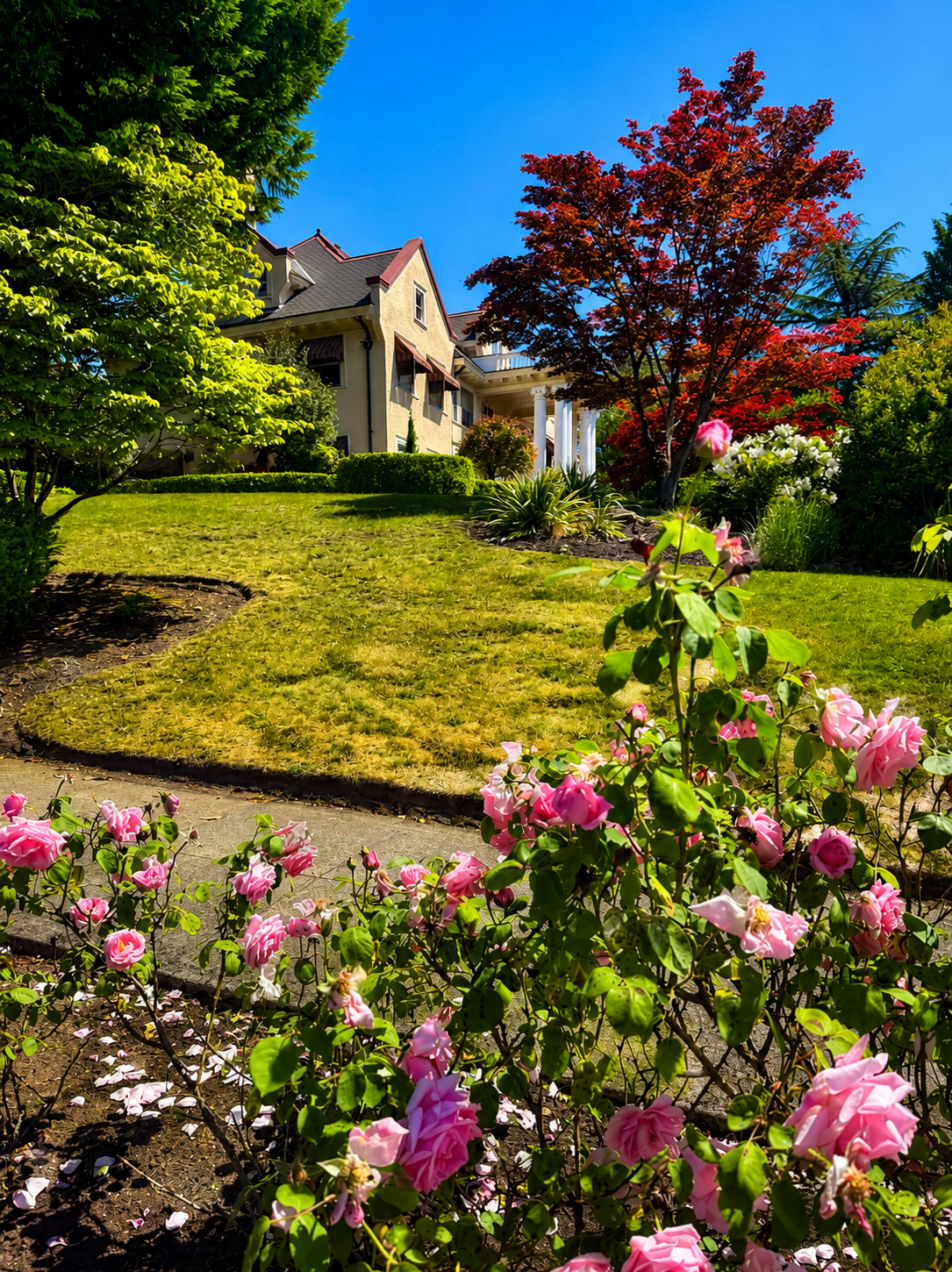
The Architecture Feels Special (Not Cookie-Cutter)
Alameda has that “wow, this feels different” factor.
You’ll see:
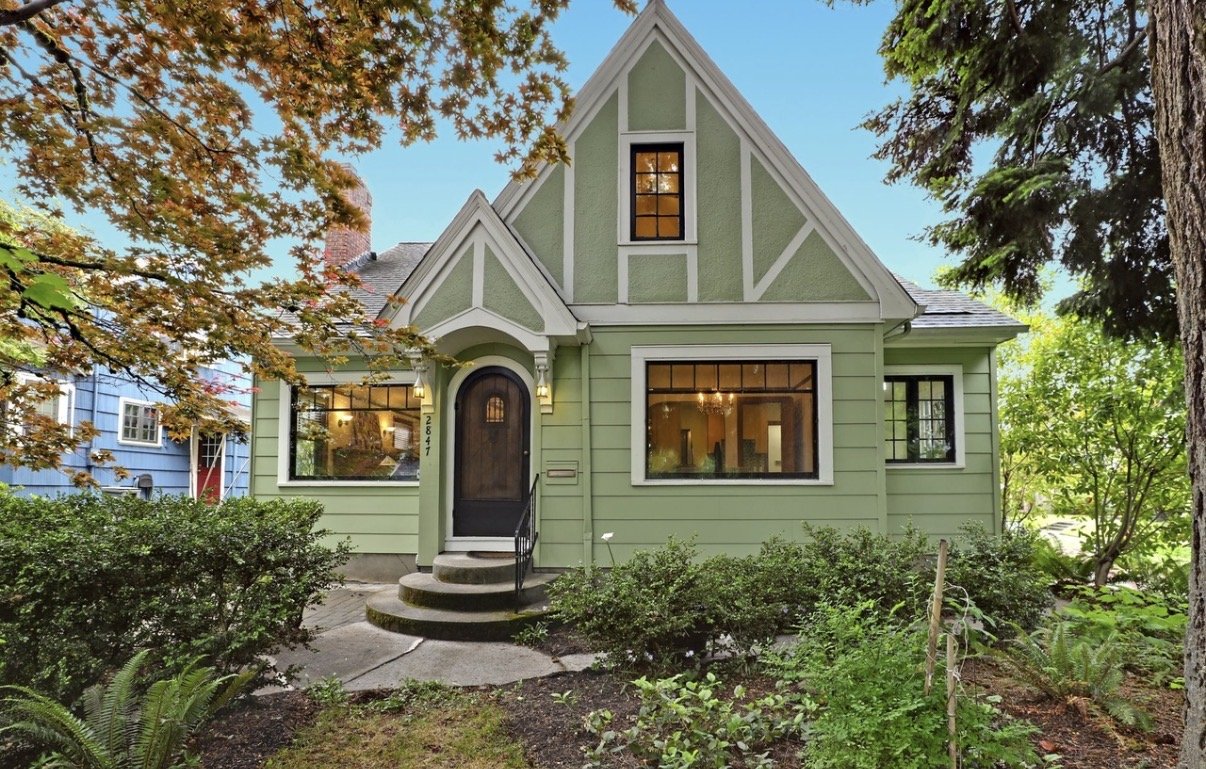
Tudors
Colonials
Craftsman homes with real presence
Larger lots and more space between homes
It feels elevated, but still charming.
It’s Quiet… But Not Isolated
This is one of Alameda’s biggest strengths.
It’s:
Tucked away from heavy traffic
Less dense than nearby neighborhoods
Noticeably quieter
But you’re still close to:
Fremont shops + restaurants
Beaumont Village
Quick access to the rest of NE
So you get calm without feeling disconnected.
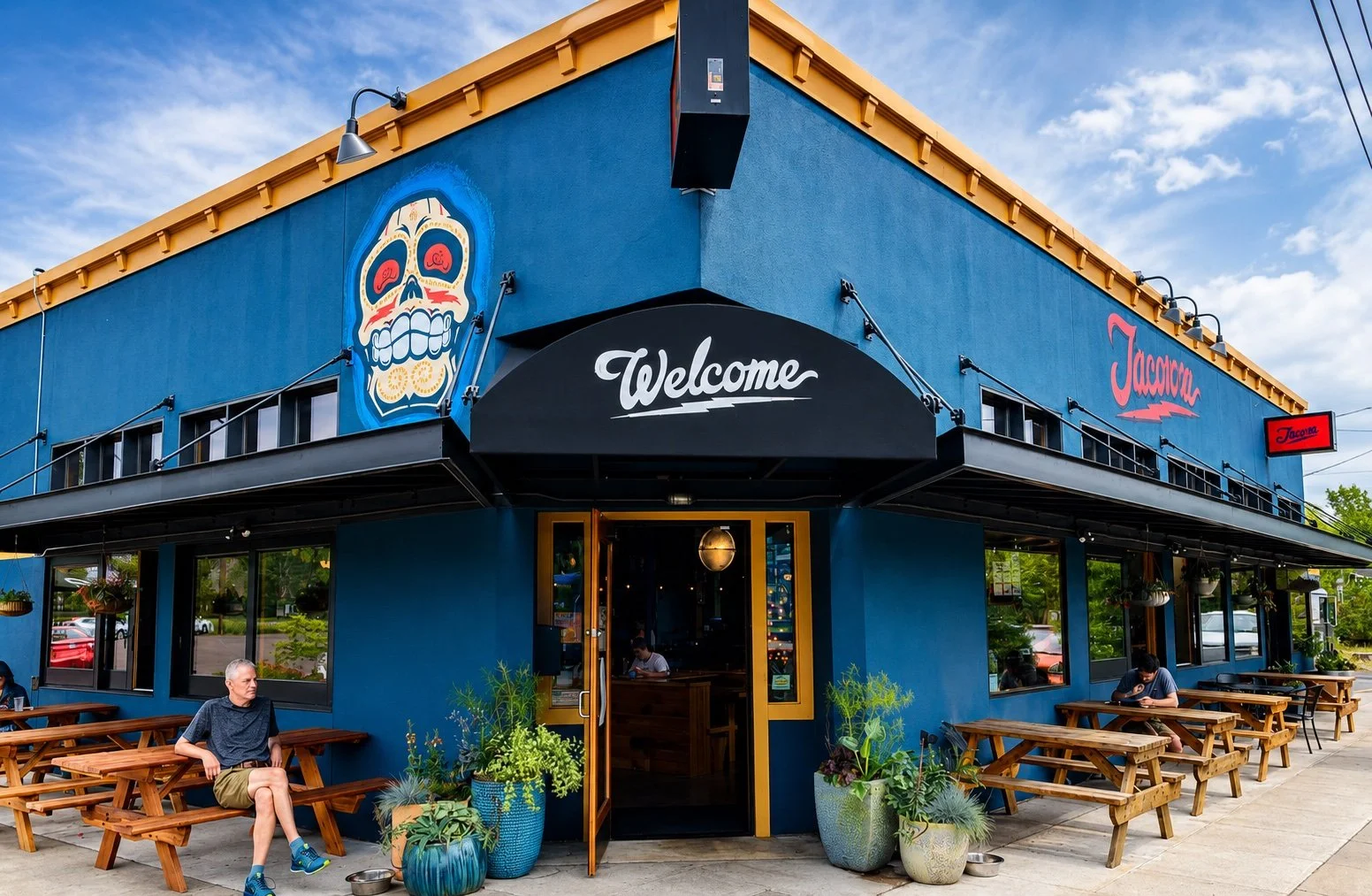
Tacovore sits right in the middle of the Alameda neighborhood, on Fremont, at a bike crossing intersection with little orange flags, for pedestrians to wave as they safely walk across the street. It’s the spot to catch up with the neighbors from Sabin, Irvington, Beaumont and of course Alameda.
It Feels “Established” in a Way Buyers Trust
There’s a psychological piece here that’s hard to quantify—but buyers feel it immediately.
Alameda has:
Mature tree canopy
Elevated Views
Consistent home quality
Pride of ownership
It feels stable. And in uncertain markets, that matters more than people realize.
The Schools + Location Combo
Without getting too deep into boundaries (because they do change), Alameda tends to attract buyers who are thinking long-term about:
Schools
Community feel
Resale value
It checks a lot of those boxes in one place.
One of the most unexpectedly cool things about Alameda isn’t something you’ll see in a listing—it’s the community energy.
At Alameda Elementary, the PE teacher helped organize what’s now known as the Alameda Bike Bus.
It’s exactly what it sounds like—a huge group of kids biking to school together along a set route—but it’s turned into something much bigger.
Dozens (sometimes more) of kids riding together
Parents and volunteers helping guide the group
A full-on neighborhood event, not just a commute
And somehow… it’s even caught national attention.
They’ve invited celebrities like Justin Timberlake, Zara Larsson, and Benson Boone to join rides, and incredibly, they’ve actually shown up.
It sounds almost unreal until you see it.
👉 But what it really says is this:
This is a neighborhood where people show up for each other.

Rain or shine Coach Balto, from Alameda Elementary School, leads the Alameda Bike Bus, while blasting pop songs and singing through the streets. Kiddos just wait on the corner of their street to join in on the fun.
The Alameda Ridge Staircases: A Hidden Piece of Portland History
One of my favorite lesser-known features of Alameda is the network of public staircases that connect the ridge to the neighborhoods below.
Because Alameda sits along the Alameda Ridge, many of these stairways were built in the early days of Portland's development to help residents move between neighborhoods before cars became the primary mode of transportation. Today, they're still maintained by the city and offer a unique way to explore the area.
Many locals use them for:
Morning walks
Running workouts
Dog walks
Exploring different pockets of Northeast Portland
What I love most is that they make the neighborhood feel connected. The stairways literally stitch together Alameda, Sabin, Beaumont, Rose City Park, and the neighborhoods below the ridge.
If you're someone who enjoys walking a neighborhood rather than just driving through it, the Alameda staircases are one of those details that make this area feel uniquely Portland.
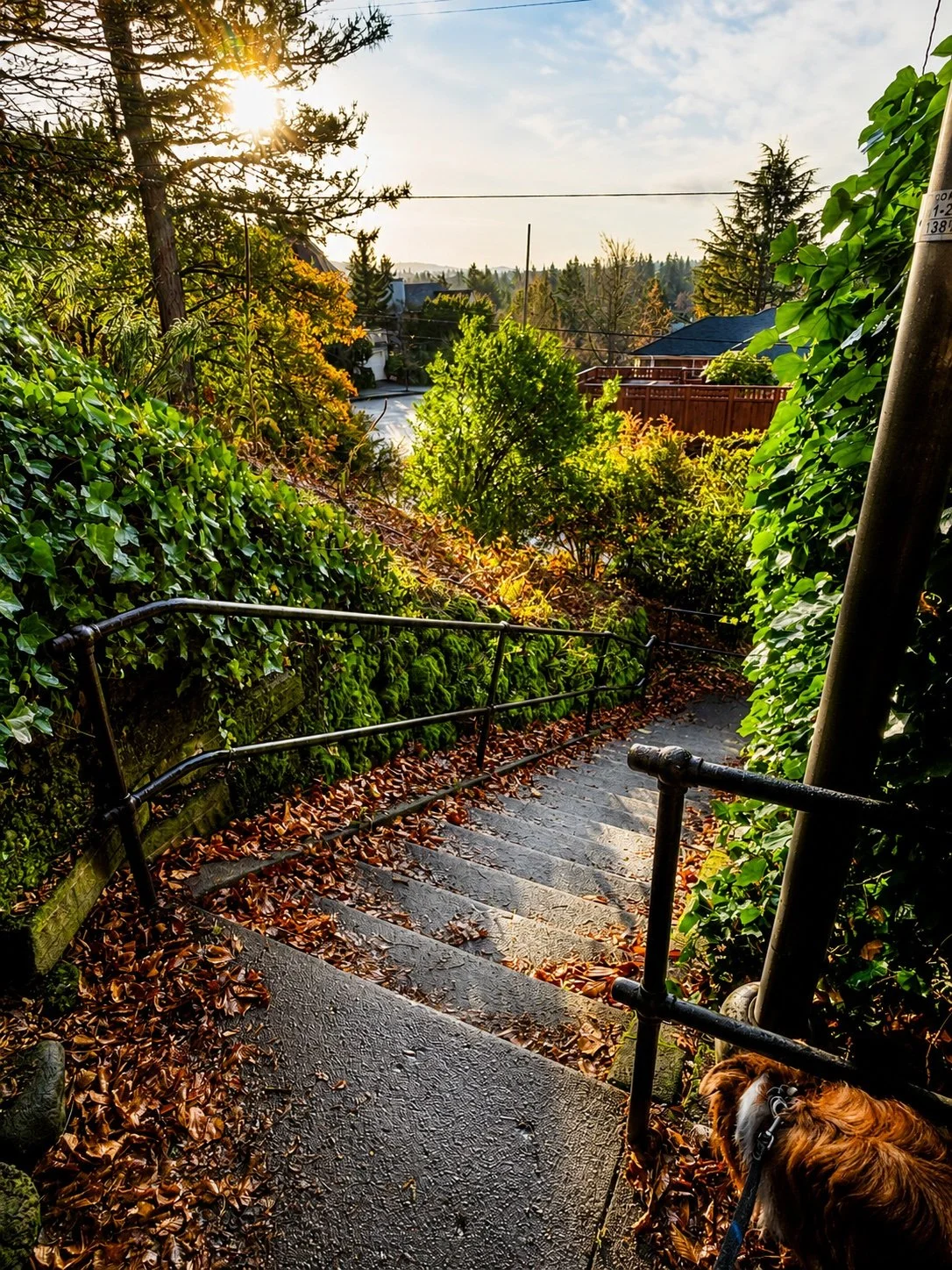
One of the many hiddenaircases in the Alameda neighborhood.
It Holds Value. Even When the Market Shifts
This is where Alameda really stands out from a strategy standpoint.
Homes here tend to:
Get strong early interest
Attract serious buyers
Hold pricing better than surrounding areas
👉 This ties directly into how you price a home here.
→ Price High vs. Price to Entice
In some cases, neighborhoods like Alameda are where pricing slightly higher can work, especially for:
Unique homes
View properties
Higher price points
The Tradeoffs (Because There Always Are)
One of the biggest realities with Alameda is the price point.
For most single-family homes, you’re typically looking at:
Around $1M+ (and often well above, depending on size and views)
Strong competition, especially for well-presented homes
And it’s not just competitive on paper, it’s competitive emotionally.
A lot of buyers targeting Alameda are:
Very intentional about being there
Willing to stretch to make it happen
Competing hard when the right house comes up
And here’s the part people don’t always talk about:
Once families get into Alameda… they tend to stay.
So inventory can feel tight, and when a great house hits the market, it gets a lot of attention quickly.
One thing I talk about with Alameda buyers all the time is timing.
Because homes here don’t come on the market every day, many homeowners worry they’ll miss the right house while waiting to sell their current one. The good news? There are often more options than people realize.
If Alameda feels like your dream neighborhood, but you’re wondering if there’s a similar option nearby, don’t overlook Sabin.
It’s one of the neighborhoods I frequently recommend to buyers who love Northeast Portland’s character, community, and sunshiney elevated streets.
And if you’re looking for shade from a 100 year old treecanopy, be sure to check out:
And if you’re strategizing on how to move into one of these neighborhoods, and they are slightly out of reach, a busy street might be a good start for you.
→ Pros and Cons of Buying on a busy Street in Portland
Frequently Asked Questions About Alameda Portland
-
Many buyers consider Alameda one of the most desirable neighborhoods in Northeast Portland. It's known for beautiful historic homes, mature trees, strong community involvement, and its location along the Alameda Ridge, which provides views that are hard to find elsewhere in the city.
-
Alameda is known for its historic architecture, ridge-top views, tree-lined streets, and strong neighborhood identity. It's also home to the Alameda Bike Bus, a community-driven school biking program that has gained national attention.
-
Yes, although it's a different kind of walkability than neighborhoods like Alberta or Hawthorne. Alameda is highly walkable for neighborhood strolls, dog walks, and access to nearby areas like Fremont and Beaumont Village, but it has a quieter, more residential feel.
-
You'll find a mix of Tudor, Colonial Revival, Craftsman, and other historic homes, many built in the 1920s and 1930s. Larger lots, architectural character, and well-maintained properties are part of what makes the neighborhood so sought after.
-
Yes. Because Alameda sits on the Alameda Ridge, many homes enjoy views of Mt. Hood, the Portland skyline, sunsets, or the surrounding hills. Even some of the public staircases and walking routes offer beautiful vantage points.
-
One of Alameda's hidden gems is its network of public staircases connecting the ridge to the neighborhoods below. They're popular for walking, running, dog walks, and exploring different parts of Northeast Portland while taking in the neighborhood's unique topography.
-
Alameda's popularity comes from a combination of factors: location, views, architecture, community feel, and limited inventory. Homes don't come on the market frequently because many residents stay for years once they've settled into the neighborhood.
-
Many buyers are attracted to Alameda because of its strong sense of community, neighborhood events, parks, and proximity to schools. The Alameda Bike Bus is one example of the neighborhood culture that many families appreciate.
-
Both neighborhoods offer beautiful historic homes and mature trees. Irvington tends to have larger historic estates and a more formal feel, while Alameda often feels a little quieter, more residential, and benefits from its ridge-top location and views.
-
Alameda and Sabin are neighboring communities that often appeal to similar buyers. Alameda generally has a higher price point and larger historic homes, while Sabin offers a slightly more eclectic, close-in feel with easier access to some commercial corridors.
-
For many buyers, the combination of views, architecture, community, and long-term desirability makes Alameda worth the premium. Whether it's the right fit depends on your lifestyle, priorities, and budget.
Seller Fear: “What Happens If We Sell and Don’t Have Our Next Home Yet?”
One of the most common fears I hear from Portland homeowners is this:
“What if we sell our house and don’t have our next home lined up?”
The good news is that selling and buying at the same time isn’t your only option. From rent-backs and bridge financing to flexible closing timelines and temporary housing solutions, there are several ways to create a smoother transition. Here’s how I help sellers make a move without feeling rushed or homeless in the process.
Portland Home Selling Guide, Denise Wolfe
Worried about selling your home before finding the next one?
You have more options than you might think.
Most Portland sellers choose one of three paths:
🏡 Buy first, then sell
🔑 Sell with flexibility built into the sale
📦 Sell first and use short-term housing while you shop
What happens if you sell before finding your next home?
After helping Portland sellers for 15 + years, I’ve guided many clients through this exact situation.
In Portland, it’s no secret, our inventory is tight, especially if you are trying to move into a bigger home in your favorite neighborhood. Don’t worry, I have a strategy for that very scenario.
Once pricing starts to make sense, the next question almost always comes up:
“Okay… but where do we go if we sell?”
For a lot of sellers, this is the part that causes hesitation.
Not because they don’t want to move, but because they don’t want to:
Move twice
Feel rushed into buying
Disrupt their day-to-day more than necessary
The good news is there’s not just one way to handle this. There are a few clear paths, and together we, can choose the one that fits your situation best.
🧭 3 Paths Sellers Take
Path 1: Buy First, Then Sell (the ideal when possible)
👉 Secure your next home → move once → prepare and sell strategically
Path 2: Sell with Flexibility Built In
👉 Sell first → use rent-back or timing strategies → buy next
Path 3: Sell, Then Bridge the Gap
👉 Sell → move into short-term housing → buy with clarity and no pressure
💡 Most sellers don’t use just one of these—they use a combination.
When possible, moving first allows us to prepare, stage, and market your home for optimal results, without disrupting your life. Just leave all the work to me.
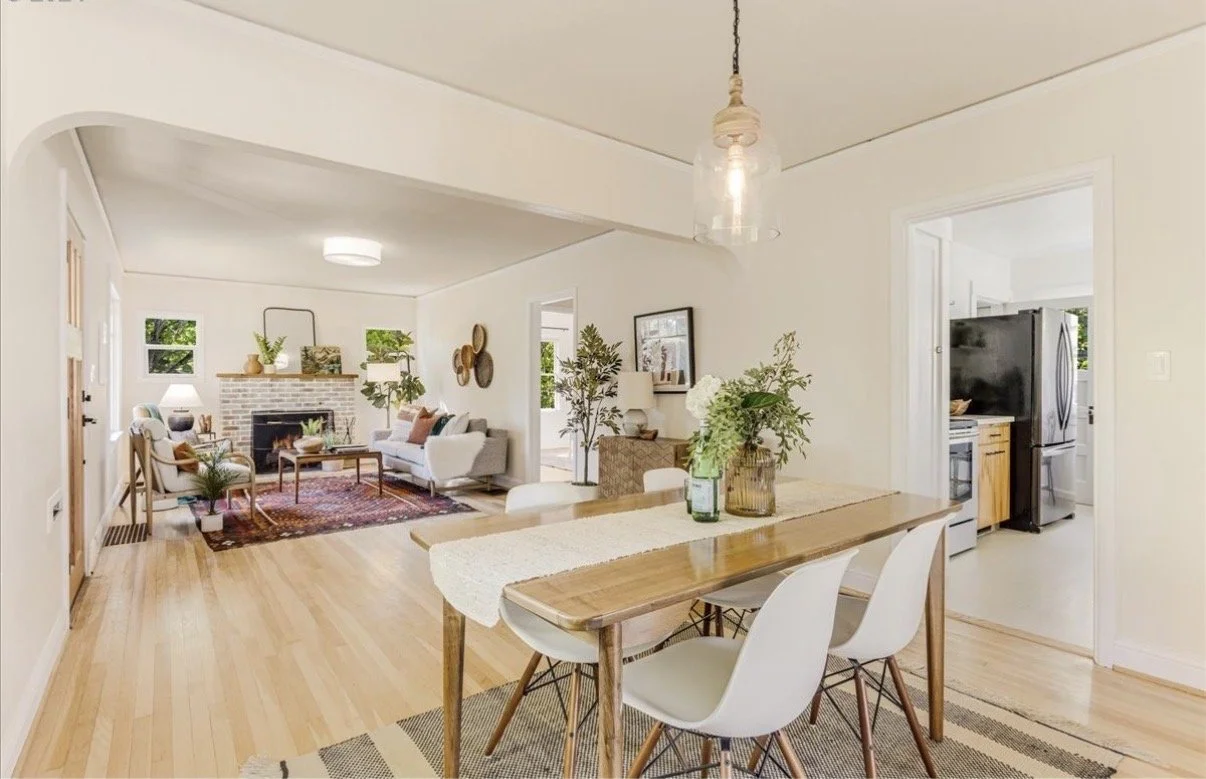
🥇 Path 1: Buy First, Then Sell
If we can make this work financially, this is usually the smoothest experience.
You:
Secure your next home first
Move once
Then let me come in and fully prepare your current home
This allows us to:
Handle updates without disruption
Stage the home properly
Launch with intention
Maximize buyer interest from day one
👉 This is where you tend to see the strongest results.
💡 How sellers make this work
This is where the right lending strategy matters.
Options can include:
HELOC (home equity line of credit)
Bridge loans designed for buying before selling
Other tailored financing solutions
I work closely with lenders who specialize in this, so we can explore whether it’s a fit before making any decisions.
🥈 Path 2: Sell with Flexibility Built In
If buying first isn’t the right fit, the next best option is building flexibility into your sale.
Rent-Back Agreements
You sell your home, then stay in it temporarily after closing, up to 60 days in most cases or up to 90 days if the sale is cash.
This gives you:
Time to find your next home
Liquid funds to purchase non-contingent
Flexibility without an immediate move
Extended Closing Timelines
Instead of a quick close, we negotiate more time upfront.
This creates breathing room while you:
Continue your search
Align timelines more comfortably
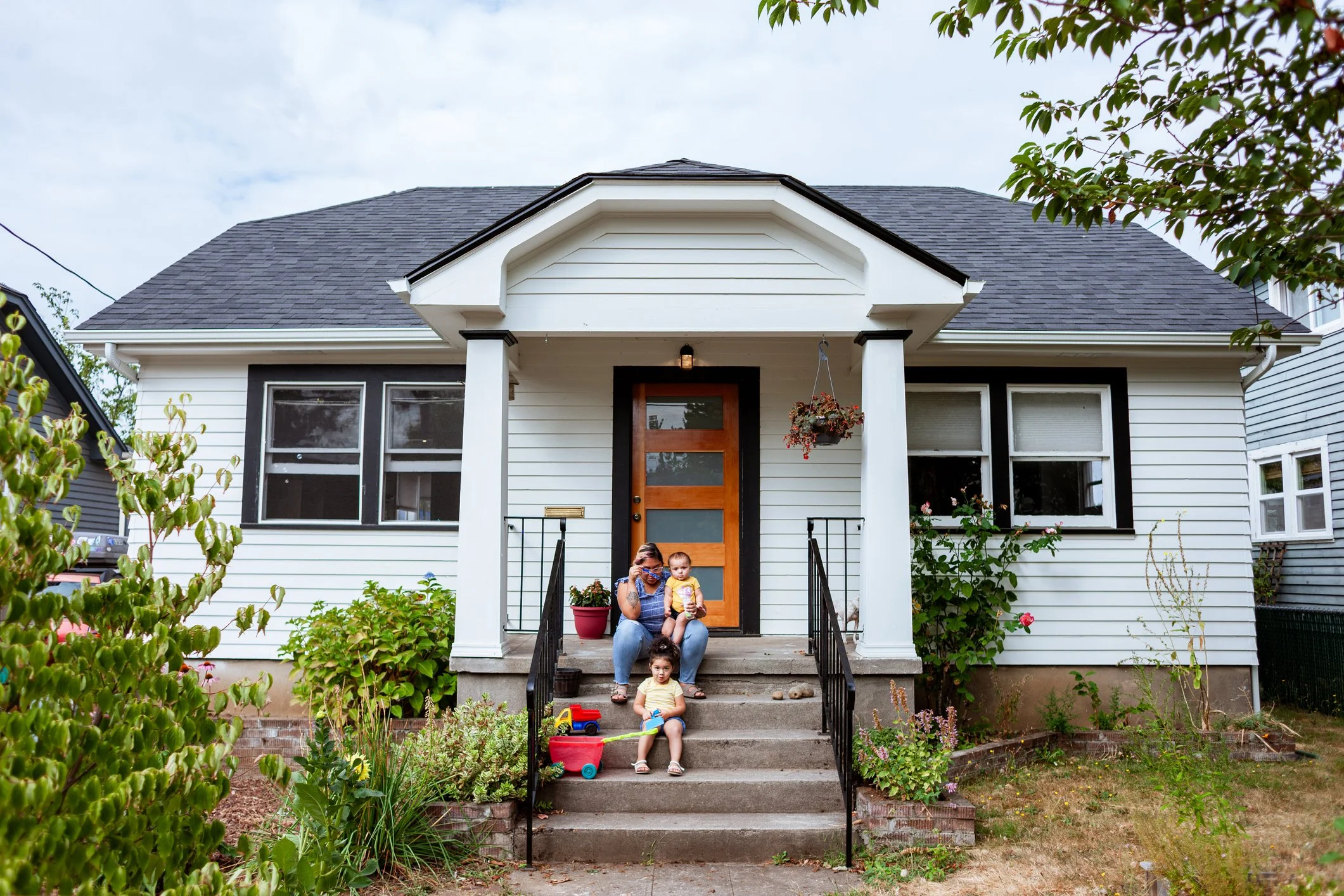
Rent-backs and extended closings can provide breathing room while you search for your next home.
Contingent Sale (Buying with Your Home Still on the Market)
Another option is writing an offer on your next home that’s contingent on the sale of your current home.
This means:
You find a home you love
You make an offer
But the purchase only moves forward once your current home goes under contract or closes
This can work well if:
Your home is already on the market (or even better if you have an accepted offer on your home)
It’s priced strategically and generating strong interest
Or you’re in a less competitive buying environment
That said, in Portland, especially in more competitive price points, contingent offers can be harder to get accepted.
Sellers often prefer offers without that added layer of uncertainty.
👉 When we use this strategy, it’s usually paired with a strong pricing plan and a clear timeline to make your home as attractive to buyers as possible.
In the right scenario, it can work well—but it’s something we approach strategically, not by default.
👉 These strategies work best when your home is positioned well and attracting strong buyer demand.
Which comes back to pricing.
If you haven’t read it yet, this breaks down how pricing impacts your leverage → 👉 how to price your home in Portland to avoid leaving money on the table
🥉 Path 3: Sell, Then Bridge the Gap
This is more common than people expect—and often less stressful than it sounds.
You sell first, then buy with clarity.
The key is having a plan for the in-between.
Short-Term + Mid-Term Housing Options
Short term rentals (Airbnb, VRBO)
30–90 day mid-term furnished housing
Executive or travel nurse housing
👉 In Portland, there are a surprising number of flexible options depending on timing and location.
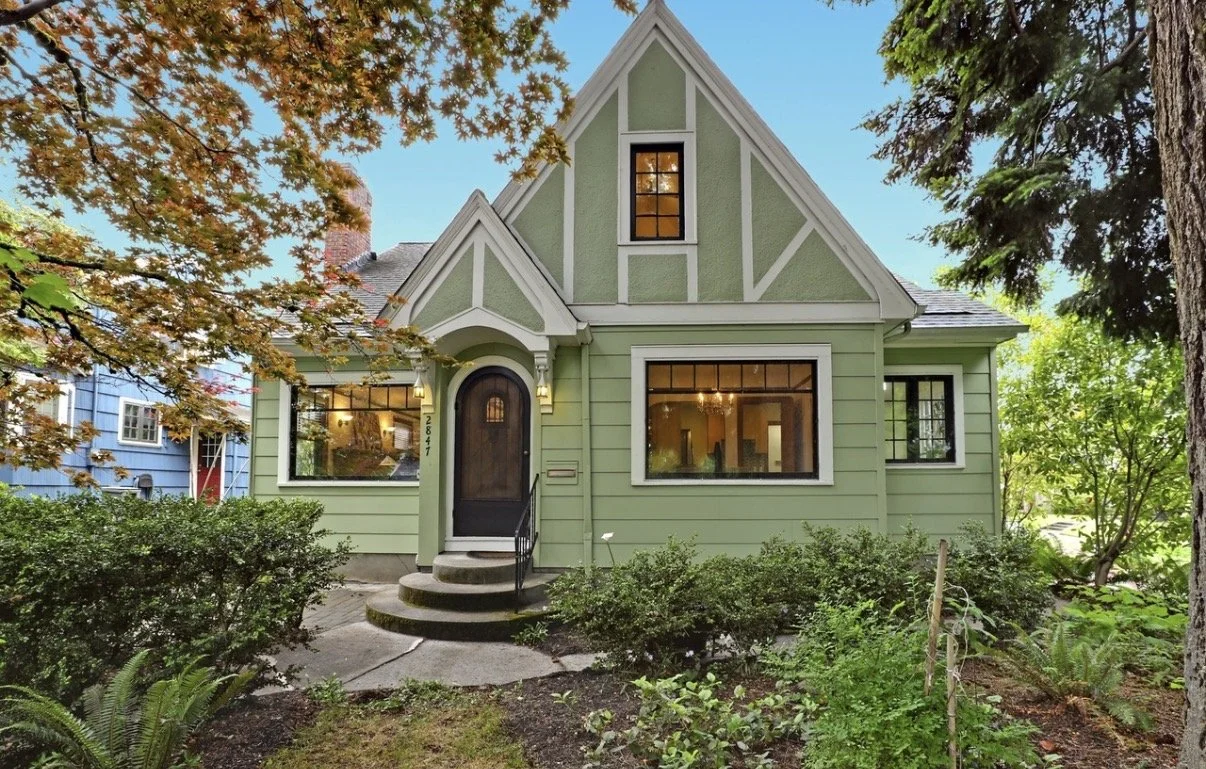
A home in Alameda may attract very different terms and buyer behavior than a similar home elsewhere. Portland is a city of micro-markets.
Where Micro-Markets Still Matter
One thing that impacts all of these paths? Your specific location and buyer pool. A home in a high-demand pocket of Alameda or Irvington may attract different terms than one on a busier street or in a different price bracket.
That affects:
Rent-back feasibility
Timeline flexibility
Negotiation strength
If you want to understand how street location plays into demand, I break that down here.
→ Pros and Cons of Buying on a busy Street in Portland
The Real Takeaway
There isn’t one “right” way to do this.
There’s a strategy that fits:
Your finances
Your timeline
Your tolerance for flexibility
The goal isn’t to rush you out of your home.
It’s to create a plan where:
You’re not scrambling
You’re not settling
And every step feels intentional
How This Connects to the Bigger Picture
A lot of this becomes easier when your home is:
Priced strategically
Positioned correctly
Generating strong demand early
That’s exactly why the first step matters so much
→How to price your home in Portland (and avoid leaving money on the table)
And if you want to go deeper into how buyer behavior plays into this
→ price high vs price to entice: understanding buyer psychology in Portland real estate
Frequently Asked Questions About Buying and Selling Simultaneously
-
This is one of the most common concerns I hear from Portland sellers. Fortunately, there are several strategies available, including buying before selling, negotiating a rent-back agreement, extending closing timelines, or using short-term housing while you search for your next home.
-
Sometimes, yes. Many homeowners use a HELOC, bridge loan, or other lending solutions to access their equity before selling. If buying first is important to you, I can connect you with lenders who specialize in these strategies.
-
A rent-back allows you to remain in your home after closing for a negotiated period of time. In many Portland transactions, sellers can stay up to 60 days after closing, and sometimes longer in cash transactions. This can provide valuable breathing room while searching for your next home.
-
They can be, but it depends on market conditions, price point, and competition. In highly competitive neighborhoods, contingent offers may be less attractive to sellers. However, when paired with strong pricing, preparation, and timing, they can still be successful.
-
If financially possible, buying first is often the smoothest experience because you only move once and can prepare your current home after moving out. That said, every situation is different. Sometimes selling first provides more certainty and negotiating power.
-
Portland is a city of micro-markets. A home in Alameda, Irvington, Sabin, Mount Tabor, or Eastmoreland may attract different buyer behavior than a similar home elsewhere. Demand, timing, and negotiation strength can all influence which strategy makes the most sense.
-
The best place to start is with a conversation. We'll look at your home's value, your timeline, your financial goals, and the neighborhoods you're considering. From there, we can build a plan that helps you move forward without feeling rushed or pressured.
Moving from Seattle to Portland: What Actually Feels Different (and What Your Budget Gets You)
Moving from Settle to Portland? Here’s what actually feels different, and how your budget translates across neighborhoods. A clear, real-world comparison to help you figure out where you’ll feel at home.
Portland Relocation Guide, Denise Wolfe

The Seattle skyline with the Space Needle rising above the city, a familiar view for many making the move from Seattle to Portland.
✔ Portland feels smaller and more neighborhood-driven
✔ Your money often stretches further
✔ Neighborhood personalities are strong
✔ Commutes often feel easier
✔ Buyers usually choose different areas than expected
After helping people relocate to Portland for over 15 years, I’ve learned Portland isn’t one market. It’s dozens of micro-markets with completely different personalities.
If you’re moving from Seattle to Portland, a lot will feel familiar at first. The climate, the general pace, even the emphasis on walkable neighborhoods, it’s not a dramatic shift.
But once you start looking more closely, there are a few differences that tend to shape how people actually live here day to day.
This guide is meant to help you understand those differences more clearly so you can focus on the areas that will actually feel like the right fit.
Moving from Seattle to Portland isn’t about adjusting to a completely new lifestyle. It’s about understanding how Portland’s micro-markets work, and how your budget and preferences translate into specific neighborhoods.
Seattle tends to feel more uniform from block to block. Portland varies more, and that variation can significantly impact both lifestyle and value.
In general, your budget often goes further in Portland. But in highly walkable, close-in neighborhoods, competition is still strong and pricing can feel similar in key pockets.
Is moving from Seattle to Portland a big adjustment?
Not usually, but the differences show up in how neighborhoods feel and how your budget translates.
Portland tends to feel more neighborhood-driven, where small pockets can vary significantly block to block
Seattle buyers are often surprised by how much micro-location and street placement impact both lifestyle and value
While pricing can feel more approachable in some areas, competition still exists in highly walkable neighborhoods
For most people, the transition is less about adapting to a new city and more about learning how to navigate Portland’s micro-markets.
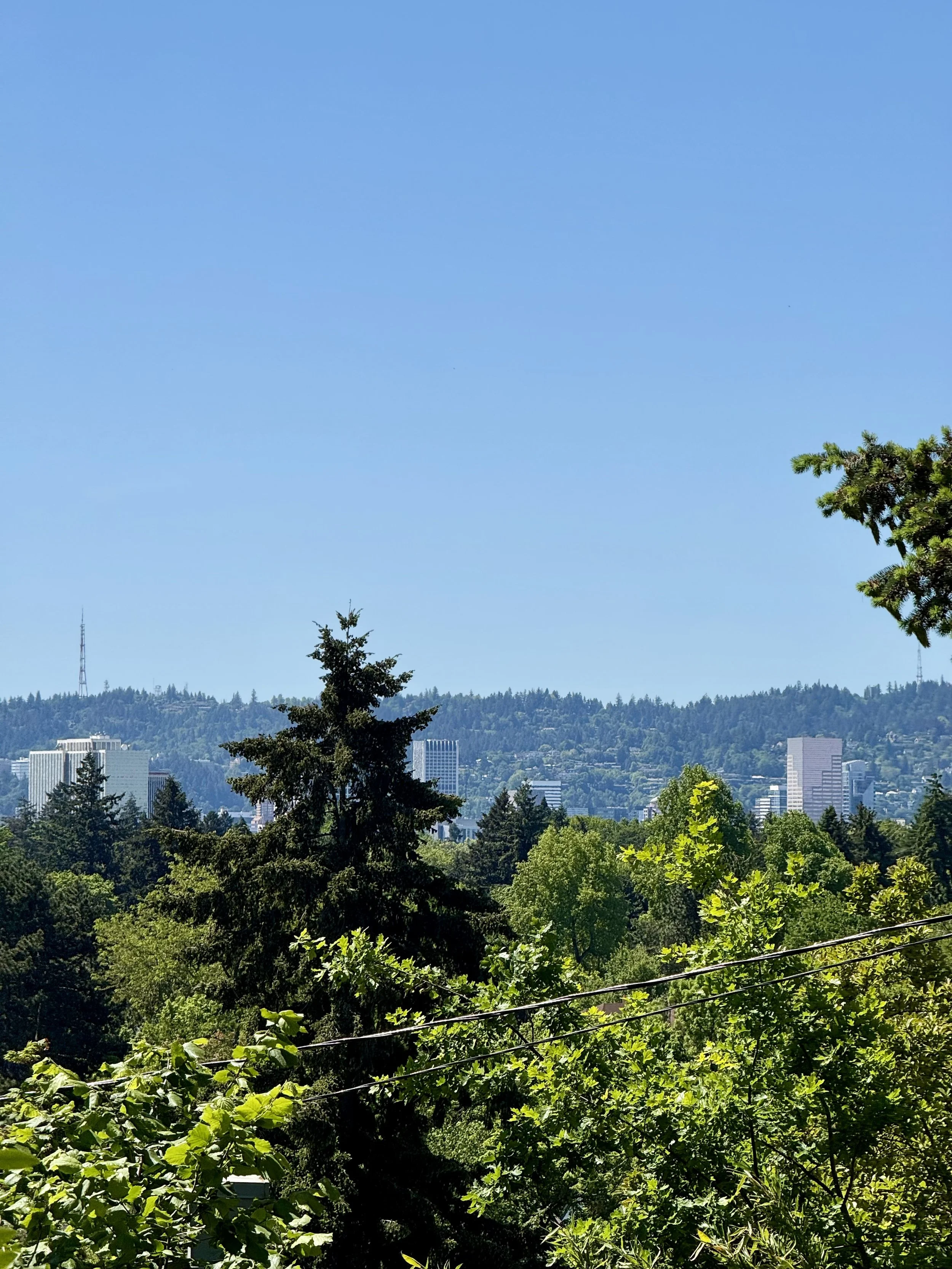
View from Portland’s Alameda neighborhood overlooking the city, trees and surrounding landscape.
What feels similar (and why that matters)
Walkability is important in both cities
Neighborhood identity matters
Access to food, coffee, and local spots is a priority
For a lot of Seattle buyers, this is what makes the transition feel easier than expected.
Where things start to feel different is how those neighborhoods are laid out and how much they can vary from one block to the next.
What actually feels different
This is where the biggest shift tends to happen.
Portland neighborhoods often have more variation block-to-block. They can feel less uniform than many Seattle areas, and those differences are more noticeable day to day.
Two homes just a few blocks apart can offer completely different experiences in terms of noise, walkability, and overall feel.
What your budget looks like in Portland
For most buyers moving from Seattle, one of the biggest shifts is what your budget actually translates to on the ground.
In many Portland neighborhoods, the same price point tends to go a bit further, often in terms of space, lot size, or overall feel.
That said, it’s not always a direct upgrade.
In close-in, highly walkable neighborhoods, pricing can still feel competitive, especially for updated homes.
The bigger difference is how pricing interacts with micro-markets, where similar price points can offer very different experiences depending on the street and location.
👉 If you want to understand how pricing strategy plays into this, I break that down here → Price High vs Price to Entice
Seattle → Portland neighborhood comparisons (loosely)
These aren’t exact matches, but they are a helpful starting point:
Ballard / Green Lake → Sabin, Alameda, parts of Northeast
Capitol Hill → Inner Southeast (Hawthorne, Belmont, Division)
Queen Anne → Mount Tabor or West Hills (with a different feel)
West Seattle → Sellwood / Moreland
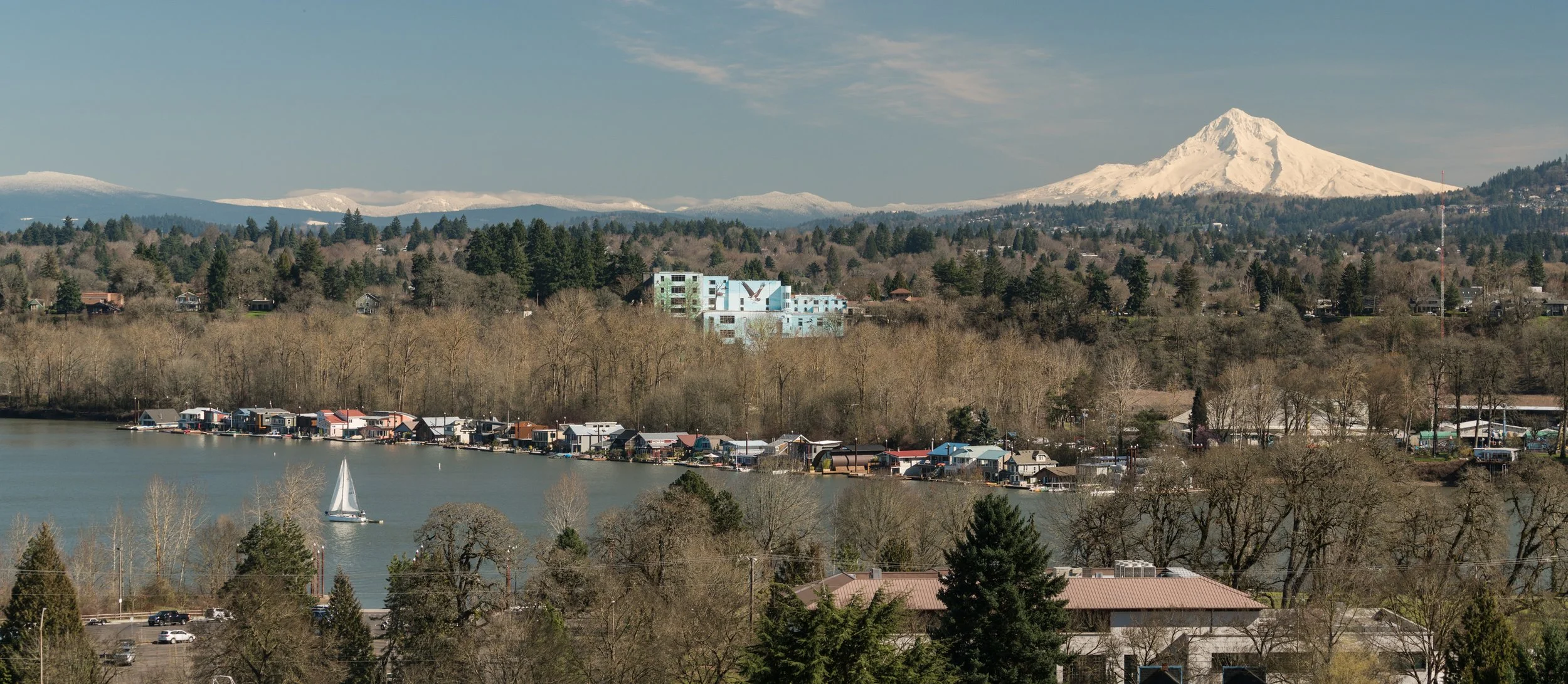
Portlands Sellwood-Moreland neighborhood, a favorite among Seattle transplants who love West Seattle’s community feel, charm, and balance of Urban living and outdoor access.
👉 If you want to go deeper into these areas:
💰 Seattle vs Portland pricing (by neighborhood)
When you compare similar lifestyles and locations, some clear patterns show up.
In general:
Seattle is still roughly 20 to 40 percent higher in comparable close-in neighborhoods
Portland often offers more space or better condition at the same price point
Highly walkable Portland neighborhoods can still feel competitive
West Seattle → Sellwood / Moreland
Seattle: $900K – $1.5M typical
Portland: $650K – $1.1M typical
👉 Similar lifestyle, often a lower entry point in Portland
Ballard → Mississippi / Inner North
Seattle: $1M – $1.6M typical
Portland: $600K – $1M typical
👉 Walkability is similar, but pricing is noticeably lower in Portland
Fremont → Alberta Arts District
Seattle: $900K – $1.5M typical
Portland: $550K – $900K typical
👉 One of the biggest price gaps for a similar vibe

Alberta Street is one of Portland’s most creative corridors, known for its murals, local restaurants, and eclectic charm. Seattle buyers often compare its artistic energy and personality to Fremont.
Queen Anne → Irvington / West Hills
Seattle: $1.5M – $3M+
Portland: $800K – $1.8M typical
👉 Lower entry into luxury neighborhoods in Portland
Looking for a View → Portland View Homes
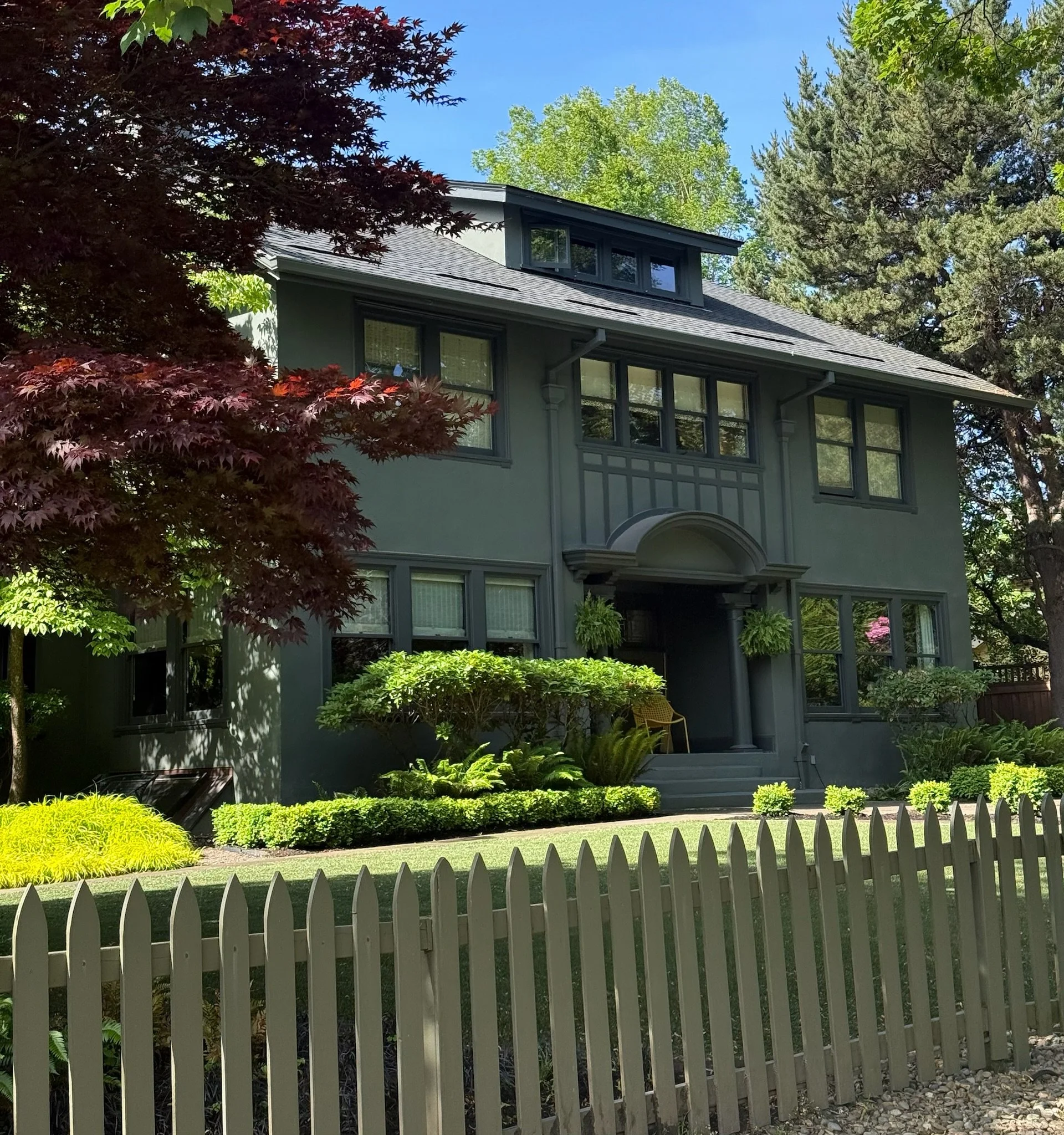
if you love the stately homes and historic beauty of North Queen Anne, Irvington may feel instantly familiar. Grand homes like this, many over 100 years old, line some of Portland’s most iconic tree-canopied streets
Green Lake / Wallingford → Mount Tabor / Eastmoreland
Seattle: $1M – $1.8M typical
Portland: $700K – $1.3M typical
👉 Similar lifestyle, more flexibility in Portland pricing
Columbia City → FoPo / Montavilla
Seattle: $700K – $1.2M typical
Portland: $450K – $800K typical
👉 Where many buyers feel the biggest affordability shift
What matters most
The biggest takeaway isn’t just that Portland is less expensive. It’s how much more variation you get within the same price range.
In Seattle, pricing tends to feel more consistent within neighborhoods. In Portland, the same budget can look very different depending on the street, the block, and even which side of a main road you’re on.
👉 This is especially true when you start paying attention to traffic patterns and street placement → Busy Streets in Northeast & Southeast Portland
Where Seattle buyers tend to land
Most Seattle buyers I work with tend to focus on:
Inner Northeast for a more classic, residential feel
Inner Southeast for energy, food, and walkability
Areas near Mount Tabor for space and a quieter pace
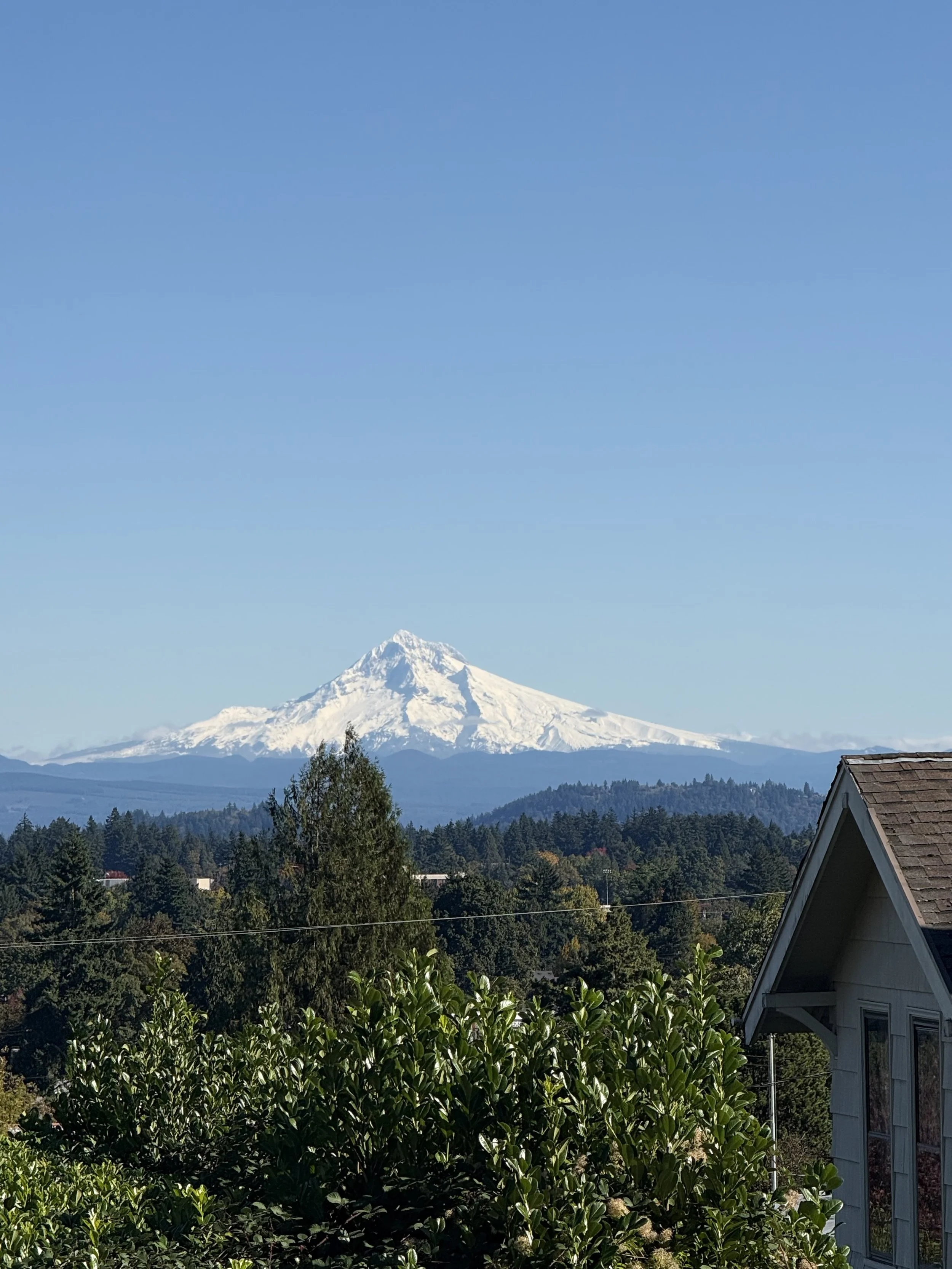
Mount Hood peeks out from Mount Tabor, a close-in Portland neighborhood that feels peaceful, tucked away, and connected to nature.
-
Generally, yes, although it depends on the neighborhood and price point. Many Seattle buyers are surprised by how much farther their budget can stretch in Portland, especially in certain eastside neighborhoods. But Portland is very much a city of micro-markets, and prices can vary dramatically from one area to another.
-
There isn’t always a perfect one-to-one match, but I often compare:
Queen Anne → Mount Tabor or West Hills
Ballard/Green Lake → Alameda or Irvington
Fremont → Alberta or Sabin
West Seattle → Sellwood-Moreland
Capitol Hill → Hawthorne, Belmont, or Division
The right fit usually depends on what you love most: architecture, walkability, views, schools, restaurants, or overall vibe.
-
Yes, but not necessarily in the way people expect. Portland often feels more neighborhood-centered. Daily life tends to happen closer to home, and many people find themselves spending less time driving across the city.
-
Not always. Many of my relocation clients buy successfully from out of town. It often helps to narrow down neighborhoods first based on commute, lifestyle, budget, and what kind of home experience you’re looking for.
-
I frequently see Seattle buyers gravitate toward neighborhoods like Alameda, Irvington, Mount Tabor, Sellwood-Moreland, Sabin, and parts of Northwest Portland. But buyers are often surprised by where they ultimately fall in love.
-
That depends on price point and neighborhood, but many buyers moving from Seattle feel they can get more home, more yard, or a different lifestyle for the same budget. One of the biggest surprises is how different two homes at the same price can feel in Portland.
-
For many families, yes. Buyers often tell me they appreciate the neighborhood feel, parks, community events, and the ability to build a more walkable daily lifestyle. Every neighborhood offers something different.
Want help narrowing this down?
If you’re moving from Seattle and trying to figure out where to focus, I can send a few specific neighborhoods and pockets based on your budget and how you want to live day to day.
Where to Find the Best View Homes in Portland
From mountain views and skyline sunsets to hidden river overlooks, Portland is full of incredible vantage points. I’ve been inspired lately to put together guides to some of my favorite neighborhoods — from Mount Tabor and Sabin to Sellwood and beyond — along with relocation resources for anyone considering a move to Portland. ✨

If you’re searching for a home with incredible views in Portland, there’s no one-size-fits-all answer. Some neighborhoods offer sweeping Mount Hood views, others overlook the river, bridges, skyline, or forests. From the dramatic hillsides of the West Hills and Lake Oswego to the iconic East Side viewpoints in Mount Tabor and Alameda, Portland has surprisingly diverse view properties depending on the lifestyle you want.
What neighborhoods in Portland have the best views?
Some of the best neighborhoods for view homes in Portland include:
Portland Heights
Council Crest
Forest Heights
Northwest Heights
Alameda
Mount Tabor
Sabin
Lake Oswego
Sellwood-Westmoreland
Dunthorpe
Rocky Butte area
Southwest Hills
West Linn and Milwaukie riverfront areas
The best neighborhood depends on whether you want:
Mount Hood views
skyline views
river views
bridge/city-light views
forested privacy
sunset exposure
walkability vs seclusion
One of my favorite things about Portland is how dramatically the landscape changes from neighborhood to neighborhood.
One minute you’re tucked into a quiet forested hillside with panoramic valley views. A few miles later, you’re standing on an East Side porch watching the sun set behind the downtown skyline and the West Hills.
Over the past few years, I’ve had the opportunity to tour and show homes from some truly incredible vantage points across Portland, and it’s made me appreciate just how unique our city is.
If you’re dreaming about finding a home with a view, here are some of the neighborhoods and pockets I think are especially worth paying attention to.
Mt Hood View on the Eat side of Mt. Tabor
Mount Tabor
Portland’s most magical volcanic neighborhood
Mount Tabor has some of my favorite view pockets in the city because they feel intimate and surprising.
Depending on the location, homes here can capture:
Mount Hood views
city skyline views
sunset light
treetop territorial views
The western slopes often offer skyline glimpses, while east-facing homes can capture mountain views.
And because of the elevation changes, even homes just a few blocks apart can have dramatically different outlooks.
Think of moving to Mount Tabor? →Pros and Cons of Mount Tabor
Portland Heights & Council Crest
Classic Portland luxury views
This is the quintessential “wow” Portland view experience.
The Southwest Hills, especially Portland Heights and Council Crest, are known for:
sweeping city views
Mount Hood and Mount St. Helens views
dramatic sunsets
forested privacy
luxury architectural homes tucked into the hills
These neighborhoods tend to feel quiet, private, and elevated — literally and emotionally. Many homes are positioned to maximize western light and skyline views, especially at sunset.
Best for:
Luxury buyers
Architectural homes
Privacy + views
Buyers relocating from California or Seattle who want a hillside feel
Moving from Seattle → Moving From Seattle to Portland
Moving from California →Moving to Portland from the Bay Area
Northwest Heights & Forest Heights
Forest-meets-city living
Northwest Heights offers a different kind of beauty.
Instead of feeling urban, these neighborhoods often feel:
wooded
peaceful
tucked away
connected to nature
Many homes have territorial valley views, coastal range sunsets, or glimpses of downtown through the trees.
Forest Heights especially appeals to buyers who want:
newer homes
larger lots
quieter streets
quick Nike/Intel access
hiking nearby
In healthcare ?→ Moving to Portland for Healthcare Professionals
Alameda
Some of the best Mount Hood views on the East Side
Alameda is iconic for a reason.
Many homes along Alameda Ridge and nearby streets capture stunning:
Mount Hood views
downtown skyline views
sunset views over the West Hills
And unlike some hillside neighborhoods, Alameda combines views with walkability and beautiful historic architecture.
The streets here feel elevated and grand while still connected to neighborhood cafes, schools, and parks.
Streets to pay attention to:
Alameda Ridge
Regents
Fremont-adjacent ridge streets
Sabin & Inner Northeast
Hidden skyline view pockets
This is one people sometimes overlook.
Certain elevated pockets of Sabin and Inner Northeast Portland can have incredible:
downtown skyline views
West Hills sunset views
twinkling nighttime city views
Especially from:
upper-level additions
rooftop decks
modern infill homes
homes near the ridge lines
This area can offer a more approachable price point compared to the West Hills while still delivering stunning city views.
Sabin →Sabin Neighborhood Guide
Sellwood, Dunthorpe & River View Areas
River, bridge, and tree-lined beauty
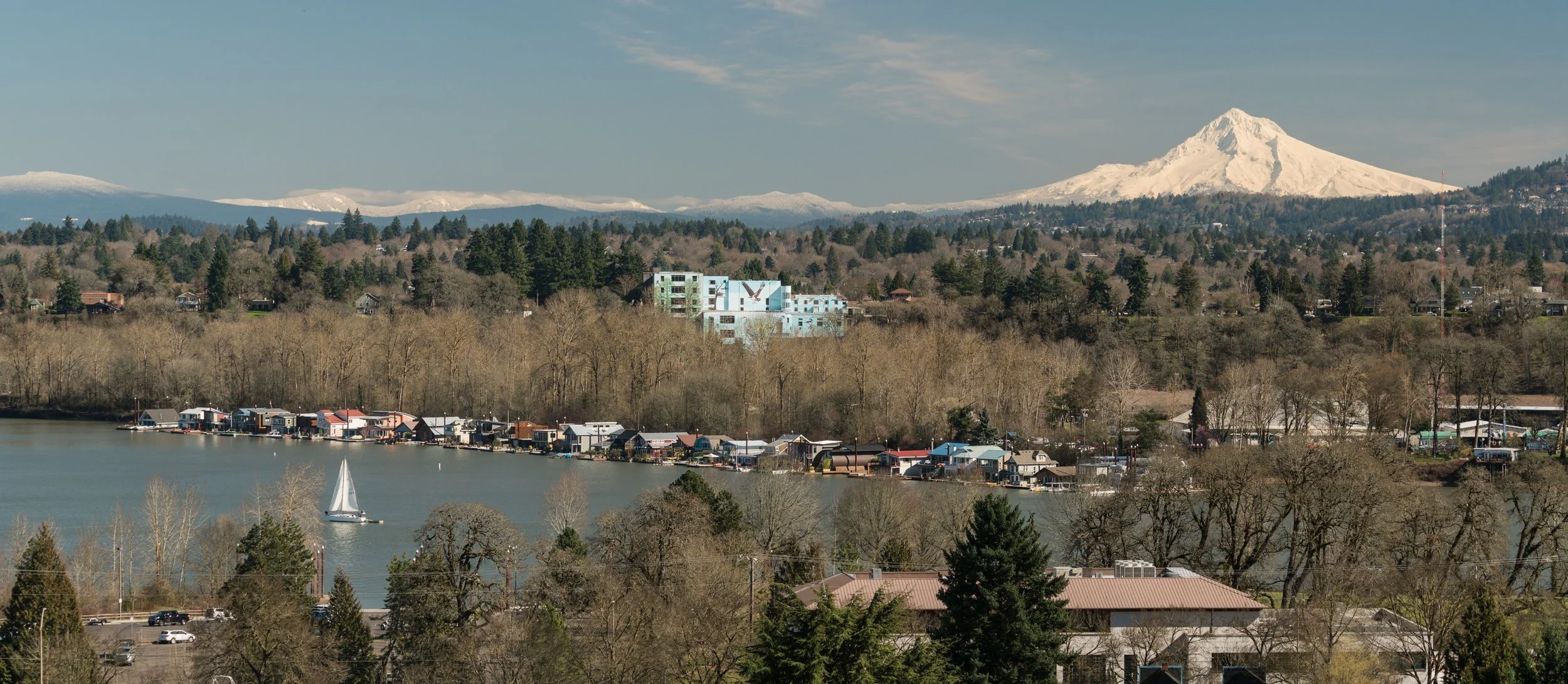
The houseboats along the Sellwood waterfront and the Oaks Bottom Wildlife refuge, offers miles of waterfront trails, a delight for birdwatchers and outdoor enthusiasts.
If your dream view is less “mountain panorama” and more peaceful river scenery, this area deserves attention.
Certain homes in:
Sellwood-Westmoreland
Dunthorpe
Johns Landing
Milwaukie riverfront pockets
can offer:
Willamette River views
bridge views
city reflections at night
tree-lined waterfront scenery
Sellwood especially has some beautiful hidden bluff streets overlooking Oaks Bottom and the river corridor.
→Three Southeast neighborhoods I Love
Rocky Butte Area
Unexpected panoramic views
The Rocky Butte area is one of Portland’s hidden gems for views.
Some homes here capture:
Mount Hood
Mount St. Helens
sweeping eastern territorial views
dramatic sunrise light
Because of the elevation, there are some truly spectacular perspective points throughout the neighborhood.
This area still feels under-the-radar compared to some of Portland’s more established luxury view neighborhoods.
Lake Oswego
Luxury waterfront and territorial views
Lake Oswego offers a very different type of view lifestyle.
Here you’ll find:
lake views
territorial hillside views
golf course outlooks
luxury contemporary homes with walls of glass
The vibe here tends to feel polished, private, and upscale, with many homes designed specifically around indoor-outdoor living and view orientation.
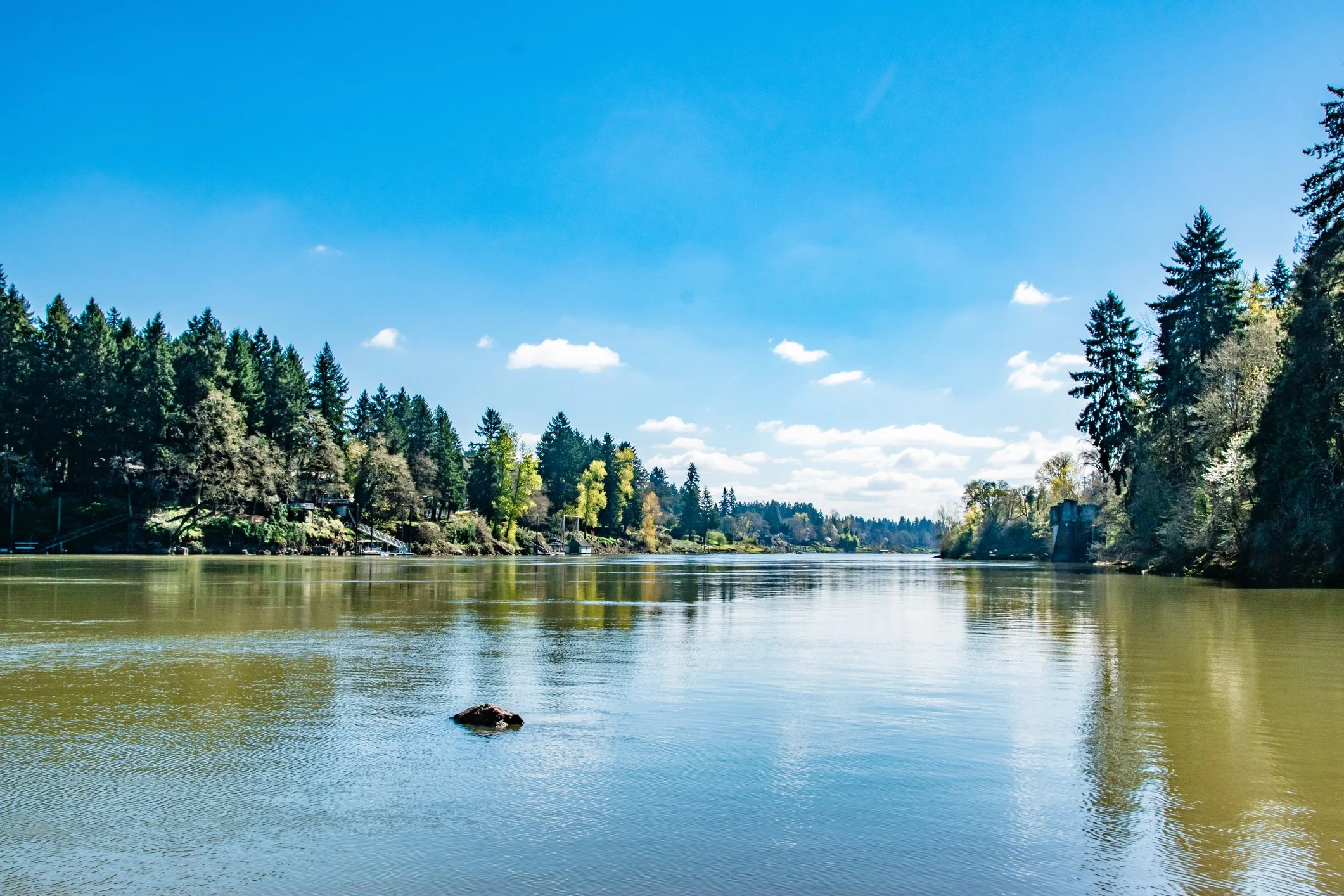
Lake Oswego has some of the most stunning waterfront properties in the Portland area, with peaceful river and lake views, mature trees, and a level of privacy that feels truly special
West Linn & South Waterfront Edges
Underrated river and valley views
West Linn often gets overlooked in Portland view conversations, but there are some incredible homes overlooking:
the Willamette River
forested valleys
dramatic cliffside terrain
You can also find some modern condos and penthouses in South Waterfront with:
river views
bridge views
Mount Hood visibility
incredible nighttime city lights
One of the things I love most about Portland is that there isn’t just one type of “view property.”
Some people want dramatic mountain panoramas.
Others want cozy skyline sunsets.
Others want river reflections, bridges, trees, or total privacy in the hills.
And often, the best view homes are the ones that surprise you.
If you’re searching for a home with a view in Portland, I’d love to help you understand the differences between these neighborhoods and help you find the kind of view that actually fits your lifestyle.
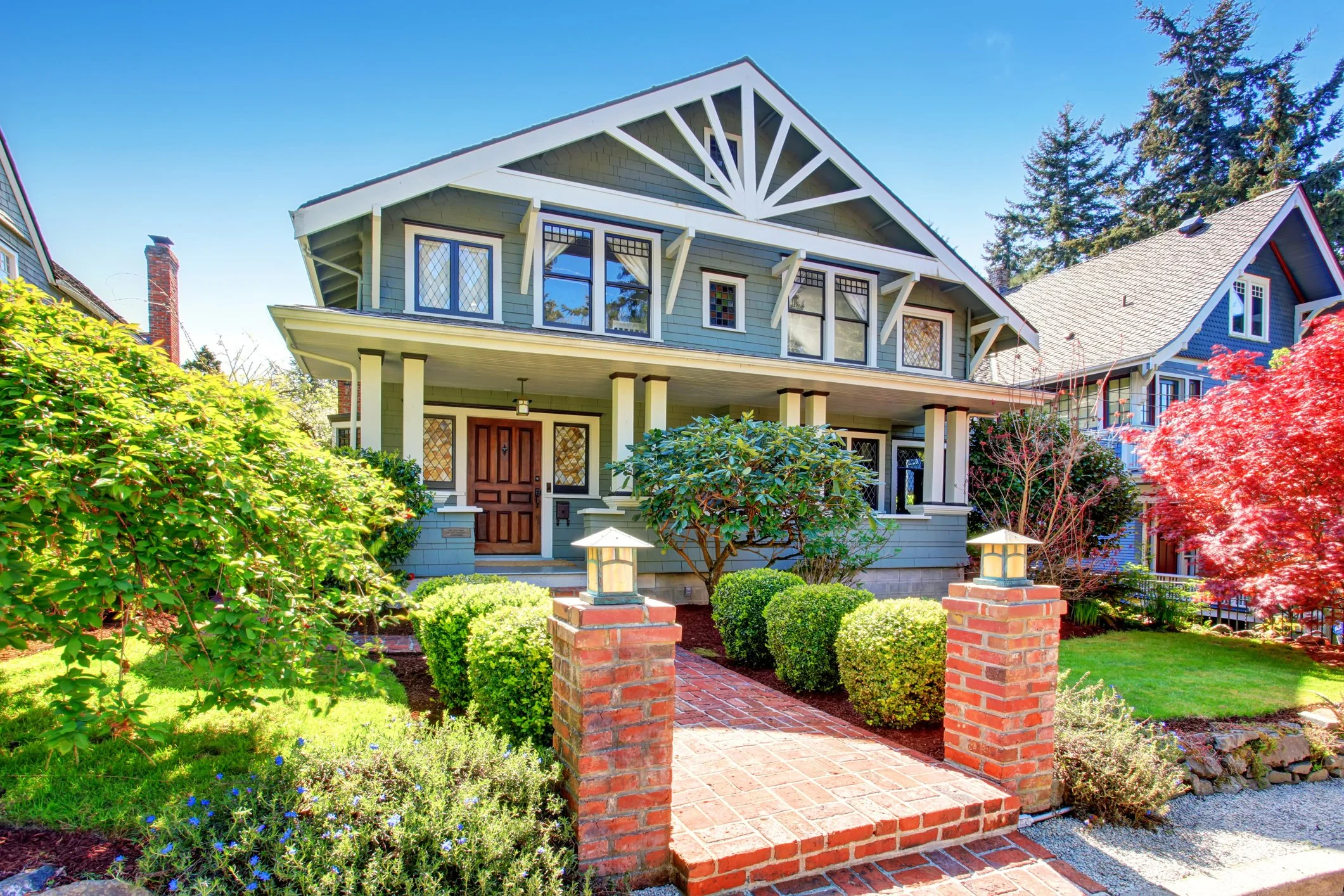
Thinking of Selling Your Portland Home? Start Here
If you’re thinking about selling your home in Portland, this is where to start. From what actually adds value before you list to how pricing strategy impacts your final sale, this guide walks through the decisions that can make a real difference in your bottom line.
Selling your home in Portland isn’t just about timing the market. It’s about how you prepare, how you price, and how you position your home to buyers.
The right strategy can mean the difference between selling… and selling for more than you expected.
👉 If you’re even thinking about selling, start here.
What should you do before selling your home in Portland?
Before selling, focus on the things that actually impact your bottom line:
Strategic updates (not over-renovating)
Thoughtful design and presentation
Pricing based on buyer psychology, not guesswork
A plan for where you’ll go next
Most sellers don’t need to do everything. They just need to do the right things.
There’s a moment most sellers hit before they make a move.
It’s not “Should I sell?”
It’s…
“Am I leaving money on the table if I don’t do this right?”
And honestly, that’s the right question.
Because selling a home in Portland right now isn’t just about putting it on the market. The homes that perform the best are the ones that feel intentional from the start.
That means:
A clear prep plan
Smart, design-forward updates
Strategic pricing
And knowing how buyers actually think when they’re walking through your home
That’s exactly what this guide is here to walk you through.
What Actually Matters Before You Sell
Not everything adds value. And some things matter a lot more than people think.
The goal isn’t to spend more. It’s to spend smarter.
→ What improvements actually matter before selling your home in Portland
I work with a designer to create a clear, prioritized plan so you know exactly what’s worth doing and what you can skip.
The Pricing Strategy That Changes Everything
Pricing isn’t just a number. It’s a strategy.
And one of the biggest mistakes I see?
Sellers pricing based on what they hope will happen… instead of how buyers actually behave.
If you want a deeper breakdown, I walk through exactly how this works here:
→ Should you price your home high or price to attract more buyers?
The right pricing strategy can create competition, urgency, and stronger offers.
What If You Sell Before You Find Your Next Home?
This is one of the biggest stress points for sellers.
And it stops a lot of people from even starting.
But there are options:
Rent-backs
Extended closings
Bridge solutions
Strategic timing
If you’re also thinking about where you’ll go next, I put together a guide to help you narrow down the right fit:
→ Moving to Portland: How to Choose the Right Neighborhood
The #1 Fear Every Seller Has
Let’s just say it clearly:
Am I leaving money on the table?
That fear is real.
And it usually comes down to:
Not preparing the home correctly
Pricing without a strategy
Or not fully understanding how buyers will respond
→The biggest fear sellers have: are you leaving money on the table?
Portland Buyers Are Specific
Buyers here notice things.
They’re paying attention to:
Design and feel
Light and layout
Location nuance (even street-by-street)
Condition vs potential
If you want to understand how buyers think when they’re walking through homes, this helps:
→ Living in Mount Tabor: Pros and Cons
→ Busy Streets in NE & SE Portland
How I Help My Sellers Maximize Their Net
Every home is different, but my approach is consistent:
Strategic prep (with a design plan)
Clear, data-backed pricing
High-impact marketing
Strong negotiation focused on your bottom line
Most of my sellers don’t just sell quickly.
They sell with confidence that they made the right decisions.
Thinking about selling?
Even if you’re 6–12 months out, we can map this out now so you’re not guessing later.

The #1 Fear Every Home Seller Has: Am I Leaving Money on the Table?
Most sellers worry about underpricing, but the bigger risk is mispricing. Here’s how pricing strategy, buyer psychology, and timing impact your final sale price in Portland.
If you’re thinking about selling, this is usually the first thought that creeps in:
What if I price it wrong… and leave money on the table?
It’s a fair question—and honestly, one of the biggest financial decisions most people make.
Before we get into it, it’s worth understanding that pricing strategy isn’t one-size-fits-all. If you want a deeper look at how different approaches play out, I break that down here:
👉 how to price your home in Portland: price high vs price to entice multiple offers
But here’s what most sellers don’t realize:
👉 Leaving money on the table usually doesn’t come from underpricing
👉 It comes from mispricing
Why pricing high can actually cost you money
A lot of sellers assume the safest move is to start high and see what happens. It feels like a buffer.
But in reality, pricing above the market often leads to:
Fewer showings
Less urgency
More days on market
Price reductions
And once a home sits, buyers start asking:
“What’s wrong with it?”
That’s when you lose leverage.
What actually drives higher sale prices
The homes that sell for the most aren’t always the ones priced the highest.
They’re the ones that are:
Positioned correctly
Prepared thoughtfully
Launched with intention
When a home hits the market at the right price, something shifts:
More buyers show up.
There’s urgency.
And that’s where competition builds.
This is where buyer psychology in real estate pricing becomes incredibly important—understanding how buyers respond to pricing is what ultimately drives stronger offers and better terms.
Why this matters more than people think (especially in Portland)
In Portland, pricing isn’t just about square footage and comps.
It’s hyper-local.
A home on a quieter street in Sabin may follow a different pricing strategy than one on a busier stretch of NE 15th or Fremont.
Buyer behavior shifts depending on:
Street traffic
Walkability
Perceived value
If you’re curious how location nuances like this impact demand and pricing, I break it down here:
👉 pros and cons of buying a home on a busy street in Portland
Why the first week matters more than anything
The biggest opportunity to maximize your sale price happens right when your home hits the market.
That’s when:
The most buyers see it
The most agents are watching
The most momentum can build
If that moment is missed, it’s hard to recreate.
Price reductions don’t generate the same energy as a strong launch.
This is where strategy—not guesswork—comes in
I always tell my sellers:
It’s not just about what your home is worth.
It’s about how it’s introduced to the market.
That includes:
Smart, ROI-focused preparation
Pricing designed to attract the right buyers
Marketing that creates demand
Negotiation that protects your upside
When those pieces align, the process becomes much more predictable—and often more profitable.
The bottom line
Most sellers worry about underpricing.
But the bigger risk is missing the window where your home has the most attention, the most energy, and the most potential to drive competition.
That’s where the best results happen.
If you’re even thinking about selling, I’m happy to walk through what this could look like for your home and your goals.
No pressure—just a clear plan.
🔗 What most sellers ask next
Once pricing starts to make sense, the next question is almost always:
“What happens if we sell… and don’t have our next home lined up?”
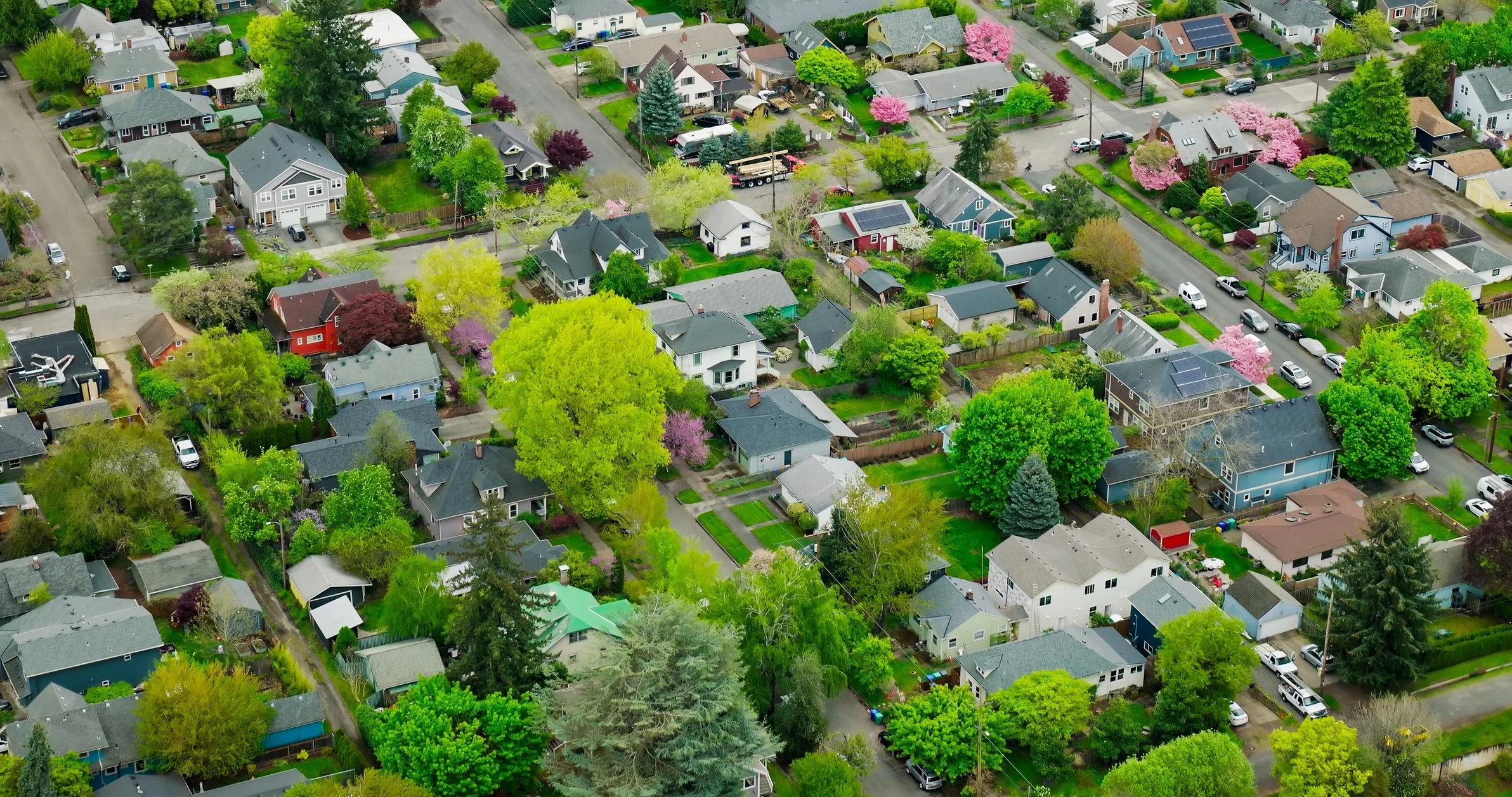
Busy Streets in Northeast & Southeast Portland: The Pros, the Cons, and What It’s Actually Like to Live on Them
Thinking about a home on a busy street in Portland? Here’s how traffic, location, and micro-markets impact livability—and when it can actually work in your favor.
If you’ve spent any time house hunting in Portland, you’ve probably had this moment:
You find the house… and then realize it’s on a busy street.
For some buyers, that’s an immediate no.
But for others, it can actually be a smart way to get into a neighborhood they love—if you understand the trade-offs and the specific street.
And if you’re just starting your search, I put together a broader guide to the best areas in Portland that’s a great place to begin before you zoom in street by street.
If you’re relocating or just starting to explore, you can start with my full guide to choosing the right Portland neighborhood → Moving to Portland Guide
How Portland Streets Actually Work
Portland is a city of micro-neighborhoods, and it’s designed in a very specific way:
👉 A handful of streets carry most of the traffic
👉 And one or two blocks away, things can feel completely different
That’s why “busy street” here isn’t one-size-fits-all. It’s often about the specific stretch, not just the name of the street.
The Pros of Buying on a Busy Street
1. A More Accessible Price Point
Homes on busier streets are often priced lower than similar homes nearby.
That can be your entry point into neighborhoods like Irvington, Alameda, Sabin, Richmond, or Sellwood—areas that might otherwise feel just out of reach.
2. Location & Convenience
These streets exist for a reason—they connect everything.
That means:
Faster access in and out of your neighborhood
Closer proximity to parks, restaurants, and shops
A more connected day-to-day lifestyle
3. Transit & Car-Free Potential
Many of Portland’s main bus routes run along these corridors.
So if you’re considering a more walkable or car-light lifestyle:
You’re closer to transit
Commutes can be easier
You’re often near neighborhood hubs
4. Long-Term Opportunity
If you plan to stay for a while, buying on a busy street can be a strategic way to build equity in a strong location.
The Cons of Buying on a Busy Street
1. Noise & Activity
More traffic means more noise—it’s that simple.
That said, in Portland, the intensity can change dramatically from one block to the next.
2. Less Privacy
There’s typically more foot and car traffic, which can make homes feel a bit more exposed—especially in front-facing spaces.
3. Resale Can Be More Selective
Not every buyer is open to a busy street, so your future buyer pool may be slightly smaller.
4. More Sensitive to Market Shifts
This is the piece most people don’t talk about—but it matters.
Homes on busier streets tend to be a little more sensitive to market changes:
In a strong market, they can sell quickly
In a slower market, buyers become more selective
That’s where pricing strategy and preparation really come into play.
Northeast Portland: Where “Busy” Changes Block by Block
Northeast has a handful of key north–south, and east-west streets that carry most of the traffic—but they don’t feel the same the whole way through.
Cesar Chavez (NE 39th Ave)
One of the main connectors on the east side.
It’s busiest through major crossings like Sandy, Fremont, and Alberta.
But as you head north of Broadway, it starts to feel less intense—more like a typical residential street compared to the busier central stretches.
NE 15th Ave
An important north–south route, especially north of Broadway, and one of the main bus corridors through Northeast.
You’ll feel more activity near:
Broadway
Fremont
Alberta
Between those nodes, it can quiet down somewhat, but it still functions as a through street.
For buyers, this can be a great opportunity to get into neighborhoods like Irvington, Sabin, or Vernon at a slightly more accessible price point.
If you’re curious what Irvington actually feels like beyond the map, I put together a full Irvington walking tour that walks through the streets, architecture, and overall vibe.
And if Sabin is on your radar, you can also take a deeper dive into the neighborhood in my Sabin neighborhood guide.
NE 33rd Ave
A well-used connector that often feels more manageable than 39th.
Traffic is steady, but it tends to be a nice middle ground—especially for buyers trying to balance price and location in neighborhoods like Alameda or Concordia.
NE 57th Ave
A bit of a “sneaky busy” street.
It doesn’t look like a major arterial, but it carries more traffic than expected—especially between Fremont, Sandy, and Halsey.
Southeast Portland: Function Meets Lifestyle
Southeast has a slightly different rhythm, with more “working streets” that balance access with livability—and often come with strong lifestyle benefits.
If Southeast is where you’re focusing, I’ve also shared a few of my favorite pockets in this guide to three Southeast Portland neighborhoods I love.
SE 52nd Ave
One of Southeast’s main north–south routes.
Busier south of Powell, especially toward Woodstock
As you move north toward Division and Richmond, it starts to soften
Still active, but more residential in feel
Sellwood–Westmoreland: Where Busy = Walkable
Sellwood and Westmoreland are incredibly walkable, and here, busier streets often come with a real lifestyle upside.
If you are dreaming of living in Sellwood, check out why I think everyone wnts to live in Sellwood, here.
SE 17th Ave
A primary north–south route.
Busier between Tacoma and Bybee
Some stretches include speed bumps and traffic calming
Can feel more neighborhood-oriented depending on the block
SE 13th Ave
A consistently active street, particularly from Bybee through Tacoma.
But you’re right in the middle of:
👉 Shops
👉 Restaurants
👉 Daily conveniences
SE Milwaukie Ave
The main commercial corridor through Sellwood into Westmoreland.
Yes, it’s busy—but it’s also where a lot of the neighborhood’s daily life happens.
SE Bybee Blvd
A key east–west connector.
Traffic increases closer to the bridge and commercial core, but it’s an important access point for the neighborhood.
The Portland Reality
In Portland:
👉 Busy streets carry the traffic
👉 Quiet streets sit just around the corner
That’s why you can be incredibly close to everything—and still feel tucked away.
Or, you can choose the busier street and gain access to a neighborhood that might otherwise be out of reach.
Final Thoughts
This should help give you a solid understanding of some of the busier streets in Northeast and Southeast Portland—and how much things can change from block to block.
If you’re relocating or home shopping from afar, these are the kinds of nuances that are hard to pick up without spending years here.
If you’re making a move from California, I also put together a guide specifically for Bay Area buyers relocating to Portland, which can help you understand how these neighborhoods compare.
At the end of the day, the difference between a great fit and a missed opportunity can come down to a single street—or even a single block.
I’m always happy to help buyers understand how Portland neighborhoods actually live, so you can make a decision that feels right long-term.

Moving to Portland: How to Choose the Right Neighborhood
Moving to Portland? This guide breaks down how to choose the right neighborhood—from micro-markets to lifestyle fit—so you can narrow down where you actually want to live.
Moving to Portland isn’t just about choosing a quadrant—it’s about understanding how the city actually works.
Two homes just a few blocks apart can feel completely different depending on walkability, street activity, access to other parts of the city, and how you live day to day.
That’s where most people get stuck.
This page is designed to give you a clear starting point—so instead of trying to take in everything at once, you can begin to narrow in on the neighborhoods, streets, and pockets that actually fit how you want to live.
If you’re trying to figure out where to start, here’s the simplest way to think about it:
Portland is a city of micro-markets, and the “right” neighborhood comes down to how you want to live—this guide will help you narrow it down and know where to focus.
👉 Start exploring the neighborhoods below
If you’re Completely new to the buying process:
Start here → Where to Start When Buying a Home in Portland (And What to Expect Along the Way)
How to choose the right neighborhood in Portland
The best neighborhood in Portland depends on how you want to live day to day—but both inner Northeast and Southeast offer highly walkable, livable neighborhoods.
Inner Northeast Portland tends to feel more uniform in areas like Irvington, where historic districts create a consistent architectural look and quieter residential streets. It’s also generally easier to access other parts of the city, with quicker routes to multiple freeways and 99E.
Inner Southeast Portland is just as walkable, but often feels more varied—mixing historic homes with a slightly more eclectic, vibrant, street-by-street character. Getting to main highways can take a bit longer depending on the area, since you’re often driving through neighborhood streets first.
Areas like Mount Tabor offer more space, elevation, and a quieter residential feel with direct access to the park
The key is understanding Portland as a city of micro-markets, where even a few blocks can significantly change how a neighborhood feels.
Start here if you’re relocating
Moving from Seattle → Moving From Seattle to Portland
Moving from California →Moving to Portland from the Bay Area
In healthcare → Moving to Portland for Healthcare Professionals
Start here if you’re exploring neighborhoods
Sabin →Sabin Neighborhood Guide
Irvington → Irvington Neighborhood Guide
Alameda → Alameda Neighborhood Guide
Mount Tabor →Pros and Cons of Mount Tabor
Southeast neighborhoods → Three Southeast neighborhoods I Love
Looking for a View → Portland View Homes
Looking for an ADU → The Portland Metro ADU + Rental Guide: What Buyers Need to Know
Things people don’t think about (but should)
Busy streets → Busy Streets in Northeast and Southeast Portland
How homes are priced (and what it means for you) →Pricing High or pricing to Entice
If you want help narrowing this down based on your lifestyle and budget, I’m always happy to help.
Should you Price High or Price to Entice? Here’s What Actually Nets You more.
Trying to decide whether to price your Portland home high or price to attract more buyers? Here’s how pricing strategy, buyer psychology, and early market response can impact your final sale price. And what actually nets you more.
If you’re thinking about selling, this question almost always comes up:
“Should we price high to leave room… or price lower to attract attention?”
And I understand why. Pricing higher can feel like you’re protecting your bottom line. Pricing lower can feel a little risky.
But here’s the thing most people don’t realize:
Pricing isn’t just about the number. It’s about how buyers respond to it.
💡 The Way Buyers Actually Shop for Homes
Buyers aren’t evaluating your home in isolation. They’re scrolling quickly. Touring multiple homes. Comparing everything, often within the same week.
And whether they realize it or not, they’re constantly asking:
👉 “How does this one stack up?”
That means your price isn’t just a price. It’s a signal. It tells buyers whether to: lean in, pause, or move on…
⏱️ Why the First 7–10 Days Matter So Much
The first week or two on market is where the magic happens. That’s when: your listing is brand new, the most buyers see it, and interest is at its highest
In fact, homes typically see the strongest activity in those first 1–2 weeks.
After that, something subtle can shift. If a home doesn’t feel well-positioned on price, buyers don’t always reject it. They just… wait. And waiting is where momentum—and often money—gets lost.
💰 Pricing High: The Hesitation Effect
When a home is priced on the higher end (or even just slightly above where buyers expect), it tends to trigger a more analytical response.
Buyers start thinking:
“I like it… but I don’t know if it’s worth that”
“Let’s keep looking”
“Maybe it’ll sit and we can come back to it”
Even if they love the home, that small layer of doubt slows them down.
And once a home sits: it gets fewer showings, buyers start to question why, and price reductions often follow.
The challenge is, price reductions don’t reset the market’s perception. They can actually shift leverage toward the buyer.
🔥 Pricing to Entice: The Competition Effect
When a home is priced strategically to attract attention, the psychology flips.
Buyers feel:
“This looks like a good value”
“We should go see this right away”
“Other people are probably going to like this too”
And that’s where things get interesting.
Because instead of comparing, buyers start competing.
When multiple buyers are engaged at the same time, you’re more likely to see:
Stronger offers, fewer contingencies and, in many cases, a higher final price.
This is how some homes end up selling above list. Not because they were priced low, but because they were positioned well.
📊 A Quick Reality Check (What the Data Supports)
We see this play out consistently:
Homes that are priced correctly from the start tend to sell faster and closer to—or above—list price
The first 1–2 weeks generate the most buyer activity
When a home lingers, buyers often assume something is off—even when it isn’t. Strong presentation matters too: 81% of buyers say staging helps them visualize a home as their own, which directly impacts how they value it. None of this is accidental. It’s all tied to how buyers experience a home.
🏡 When Pricing Higher Can Work
This is where nuance matters.
Pricing to entice is powerful, but it’s not always the right strategy. There are situations where pricing higher can absolutely make sense:
The home is truly unique (architecture, design, lot, or views)
There aren’t clear comparable sales
The buyer pool is more specific or limited
You’re in a higher price bracket, where buyers tend to move more deliberately
In these cases, buyer behavior shifts.
Instead of urgency, buyers expect to:
Take their time, evaluate more carefully, and negotiate more directly. Here, pricing becomes less about creating competition and more about anchoring value. And when done well, that can work beautifully.
⚖️ So… What Actually Nets You More?
In many cases—especially in Portland’s close-in neighborhoods—
👉 pricing to entice, when done strategically, can drive a higher final sale price
Because it: maximizes early attention, creates urgency, and builds competition.
But in more unique or higher-end situations…
👉 Pricing higher can be the right move
When the goal is to position the home thoughtfully and attract the right buyer.
🧭 How I Approach Pricing
Before we land on a number, I’m looking at:
Your home’s condition and presentation
What buyers are responding to right now.
Recent closed and pending sales (not just what’s active)
Your specific micro-market, and how we want buyers to feel when they see your home
Because Portland isn’t one market.
It’s a collection of micro-markets—and each one behaves a little differently.
✨ Final Thoughts
Pricing isn’t about picking a number and hoping for the best. It’s about choosing a strategy that:
Aligns with your home
Reflects current buyer behavior, and puts you in the strongest position from day one. Sometimes that means creating urgency, and sometimes it means holding position.
But the goal is always the same:
Maximize your net and give you control of the outcome.
🔑 Thinking About Selling?
If you’re curious how this would play out for your home, I’m happy to walk you through it.
No pressure—just a clear strategy based on what’s happening right now.

Living in Mount Tabor, Portland: Pros and Cons
Thinking about buying a home in mount Tabor? This guide breaks down the pros and cons of living in one of Portland’s most scenic eastside neighborhoods, from views and walkability to competition and availability.
Living in Mount Tabor, Portland: Pros and Cons of Buying a Home Here
Thinking about buying a home in Mount Tabor? Learn the pros and cons of living in one of Portland’s most scenic eastside neighborhoods, from views and park access to competition and inventory.
Living in Mount Tabor, Portland: What to Know Before You Buy
Mount Tabor is one of those neighborhoods people fall in love with quickly—and then spend years trying to get into.
It’s beautiful, elevated, and incredibly unique for Portland. But like any neighborhood, it comes with both advantages and tradeoffs.
If you’re considering buying a home in Mount Tabor, here’s what to know.
The Pros of Living in Mount Tabor
🌄 Elevation and Views
Mount Tabor sits on an extinct volcanic cinder cone, which means something rare in Portland: elevation.
And with elevation comes views.
Depending on where you are in the neighborhood, you may find:
• Mt. Hood views on clear days
• City skyline views
• Rolling hillside perspectives
Homes with views here are truly special—and highly sought after.
🌿 Access to Mount Tabor Park
This is the heart of the neighborhood, and for many people, the reason they choose to live here.
Mount Tabor Park offers:
• Miles of trails for walking and running
• Open green space
• Scenic reservoirs and viewpoints
• A summit with sweeping views of the city and mountains
On a gray winter day, when you’re craving light and space, being able to climb to the top and look out across the horizon is an incredible perk.
🏡 A Tucked-Away, Residential Feel
Once you’re inside Mount Tabor, it feels different.
It’s:
• Quiet
• Slower-paced
• Very residential
• Deeply neighborly
There’s a sense of being tucked away from the busier parts of the city, even though you’re still very central.
Some people describe Mount Tabor as having a bit of a West Hills feel on the east side, thanks to the elevation, views, and winding residential streets.
🍽️ Close to Eastside Dining Hubs
While Mount Tabor itself is fairly quiet when it comes to restaurants, it’s surrounded by some of the most vibrant areas on the east side.
You’re just minutes from:
• Richmond
• Montavilla (which has become especially lively in the evenings)
• The Hawthorne District
So while you may not have a dense cluster of restaurants right outside your door, you’re never far from great options.
That said, if your priority is being able to walk to a high concentration of restaurants and shops, neighborhoods like Clinton/Division, Irvington, or Alameda may be a better fit.
🍪 A True Local Favorite: Coquine
Mount Tabor is home to one of Portland’s most beloved spots: Coquine.
It’s:
• A highly regarded fine dining restaurant
• A charming market for everyday staples
• A CSA pickup location
I personally consider the “Coquine Cookie” to be the best cookie in Portland.
The Cons of Living in Mount Tabor
📍 A Small, Competitive Micro-Market
Mount Tabor isn’t a large neighborhood, and inventory is limited.
Especially when it comes to:
• View homes
• Well-located properties
• Move-in-ready houses
It’s not uncommon for buyers to search here for years, often seeing the same people at open houses again and again.
🏘️ Limited Inventory, Especially for View Homes
Because of the terrain and layout, there are only so many homes that offer those iconic views.
When they do come on the market, they tend to:
• Attract strong interest
• Move quickly
• Require competitive, well-structured offers
🍴 Fewer Walkable Amenities Within the Neighborhood
Mount Tabor leans residential, which is part of its appeal—but also something to consider.
Compared to other inner eastside neighborhoods, you may find:
• Fewer restaurants within immediate walking distance
• Less density of shops and cafes
You’ll likely drive, bike, or take a short trip to nearby areas for dining and amenities.
Is Mount Tabor Worth It?
If you value:
• Access to nature
• Elevated views
• A quieter, more residential feel
• Proximity to, but not directly inside, busy commercial areas
Mount Tabor is a truly special place to live.
But it’s also a neighborhood where preparation and strategy matter.
⸻
📍 Thinking About Buying in Mount Tabor?
Mount Tabor is one of those areas where having the right approach can make all the difference.
Because inventory is limited and competition can be strong—especially for view homes—it helps to understand how these properties come to market and how to position yourself when the right one appears.
If you’re considering Mount Tabor, I’m always happy to talk through what to expect and help you build a strategy that gives you the best chance of getting in.
👉 Reach out anytime and I’ll help you map it out.

Bay Area → Portland Relocation Guide
Moving from the Bay Area to Portland? Explore what brings buyers here, what makes them stay, and how to choose the right Portland neighborhood based on your lifestyle.
Why People Move Here—and What Actually Makes Them Stay
If you’re thinking about leaving the Bay Area for Portland, you’re not alone.
I hear it all the time:
“We’ve been talking about it for years… but we’re not sure what it’s really like.”
This guide is here to give you the honest version—the reasons people make the move, what surprises them, and what ultimately makes Portland feel like home.
Why People Make the Move
A Different Kind of Financial Freedom
For many Bay Area buyers, Portland offers something rare: options.
Instead of stretching to make a purchase work, people often find they can:
• Buy a home with character and space
• Live in a walkable neighborhood
• Still have flexibility in their budget
It’s less about “cheap” and more about breathing room.
A Slower, More Livable Pace
Life in Portland feels different in a way that’s hard to explain until you’re in it.
Days feel a little less scheduled.
Errands don’t take as long.
You start to notice your surroundings more.
It’s not sleepy—it’s just… more manageable.
Nature Is Part of Daily Life
One of the biggest shifts for Bay Area transplants is how accessible nature becomes.
You don’t have to plan for it—it’s already around you:
• Neighborhoods filled with mature trees
• Parks woven into daily routines
• Trails minutes from home
That proximity changes your lifestyle in a real way.
Neighborhoods That Actually Feel Like Neighborhoods
Portland is a city of micro-markets. And each one has a distinct feel.
Some are:
• Leafy and historic (Irvington, Alameda)
• Slightly more relaxed and sunny (Sabin, King)
• Quiet and community-oriented (Sellwood)
This is where Portland really stands out—people don’t just live in the city, they belong to a neighborhood.
What Makes People Stay
They Find Their Spot. There’s usually a moment when it clicks.
A walk.
A park.
A local café that becomes part of the routine.
Once that happens, Portland starts to feel less like a move—and more like a landing.
Community (That Builds Over Time) Portland isn’t always instant.
But over time, people build:
• Close neighborhood connections
• School communities
• Real, lasting friendships
It may take a little longer—but it tends to run deeper.
A Lifestyle That Feels More Grounded
Many people realize they’ve traded constant intensity for something more balanced.
Less:
• Long commutes
• High-pressure pace
• Always being “on”
More:
• Time outside
• Time at home
• Time with people they care about
What Surprises People (Honest Section)
No move is perfect, and Portland has its adjustments.
Things people don’t always expect:
• Winters are gray (and longer than you think)
• The food scene is incredible—but different from the Bay
• It can take a minute to find your people
But for most, those trade-offs feel worth it once they settle in.
📍 Want Help Figuring Out Where You’d Fit in Portland?
This is the part most people underestimate:
👉 Where you land will shape your entire experience here.
Portland neighborhoods can feel completely different from one another—and what works for one person doesn’t always work for another.
Portland isn’t one thing—it’s a collection of micro-markets, and finding the right one makes all the difference.
If you’re Bay Area–based and thinking about a move, I’d love to help you get a feel for it. Whether that’s mapping out a weekend visit or walking you through a few neighborhoods that tend to resonate with Bay Area buyers, I can help you experience Portland in a way that feels grounded and real.
And from there, it gets a lot easier to know what’s right for you.
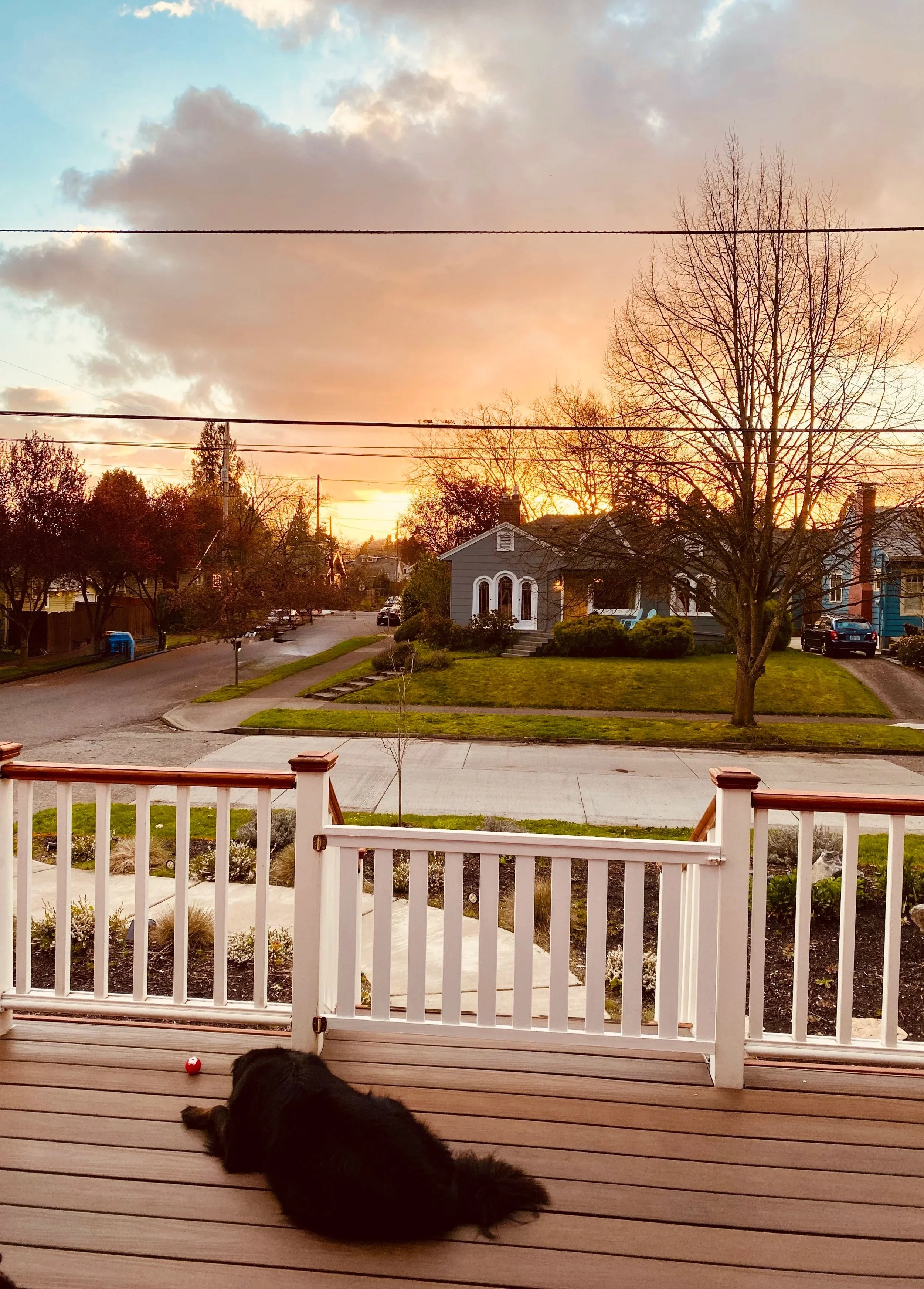
Sabin, Portland Neighborhood Guide: Homes, Lifestyle & Location
Discover Sabin, one of NE Portland’s most livable neighborhoods, with more sunlight, walkability, and a mix of homes, that support a variety of lifestyles.
Sabin Portland Neighborhood Guide: Sunny Living in NE Portland
By Denise Wolfe, Portland Real Estate Broker
Northeast Portland • Neighborhood Guide • Sabin
Why Sabin Might Be Portland’s Best-Kept Secret
There’s a moment when you’re walking along Fremont Street and you cross from Irvington into Sabin. It’s subtle—no sign, no announcement—but you feel it.
The canopy opens. The light shifts. And suddenly, you’re in a neighborhood that feels just a little more relaxed.
I’ve been telling clients about Sabin for years. It sits in the same coveted Northeast Portland location as Irvington—but offers more sunshine, more flexibility, and a slightly more approachable feel.
Sabin is a more relaxed version of Irvington—same incredible location, with more light, more breathing room, and that gorgeous evening glow.
The Sunshine Factor: Why Sabin Feels Different
One of the first things I tell buyers about Sabin? t’s sunnier. Irvington is known for its stunning canopy of century-old trees, which are undeniably beautiful. But they also create a lot of shade.
Sabin has a more open canopy, which means:
More natural light
Brighter interiors
True front porch living
Our first home in Sabin, was west-facing, and gave us the most incredible evening light. We practically lived on our porch. And because the sky opens up here, you get full-sky sunsets—and even rainbows you can actually watch stretch across the horizon. That kind of light changes how you live in your home.
Sabin Location: Walkable NE Portland Living
Sabin is right in the heart of Northeast Portland’s most desirable corridor, bordered by:
Irvington (south)
King (west)
Alameda (east)
Vernon (north)
This puts you within easy reach of:
Fremont Street (one of Portland’s best neighborhood streets)
Alberta Arts District
Williams Corridor
This is a highly walkable neighborhood where daily life happens on foot—coffee, dinner, parks, and errands all within reach. For buyers relocating to Portland from places like Seattle or the Bay Area, this level of walkability is often a huge lifestyle upgrade.
Sabin vs. Irvington: What’s the Difference?
This is one of the most common questions I get. Think of it like this:
Irvington = historic, grand, architecturally iconic
Sabin = relaxed, flexible, a little more modern in feel
One major difference that matters more than people realize:
Sabin is NOT a historic district
That means:
No historic design review
More freedom to renovate or expand
Greater flexibility in updating your home
For buyers who want to personalize their home, or invest strategically—this is a big advantage.
You’ll also see more variety in Sabin:
Mix of older homes + newer construction
Smaller average home size than Irvington
More eclectic, individual style
It gives the neighborhood personality, and offers homes for all kinds of life stages.
Commute & Convenience: Central Without the Chaos
Sabin’s location isn’t just walkable—it’s incredibly connected.
Quick freeway access
Easy routes to major Portland corridors
Convenient commute to Vancouver, WA
You’re close to everything—but not on top of it. It’s one of those locations that sounds convenient on paper, and then becomes invaluable in daily life.
Who Should Consider Sabin?
Sabin tends to attract buyers who want:
The NE Portland lifestyle without Irvington pricing
A walkable neighborhood with real community feel
More sunlight and open sky
Flexibility to update or customize their home
It’s especially great for:
Remote workers who want connection during the day
Buyers relocating to Portland
Anyone who values outdoor living, front porches, and sunset light
People who love to garden
Sabin Real Estate: What to Expect
While inventory varies, Sabin typically offers:
A mix of classic Portland homes and newer builds
More approachable price points than Irvington
Strong long-term value due to location
Like much of Portland, Sabin is a micro-market, meaning pricing and demand can shift quickly depending on inventory and presentation.
Thinking About Moving to Sabin Portland?
If you’re considering Sabin, or trying to decide between Sabin, Irvington, Alameda, or King—I’d love to help you think through the nuances.
This is exactly where hyper-local knowledge matters. Let’s take a walk through the neighborhood together—I’ll show you what makes Sabin special.
Explore Homes in Sabin and NE Portland
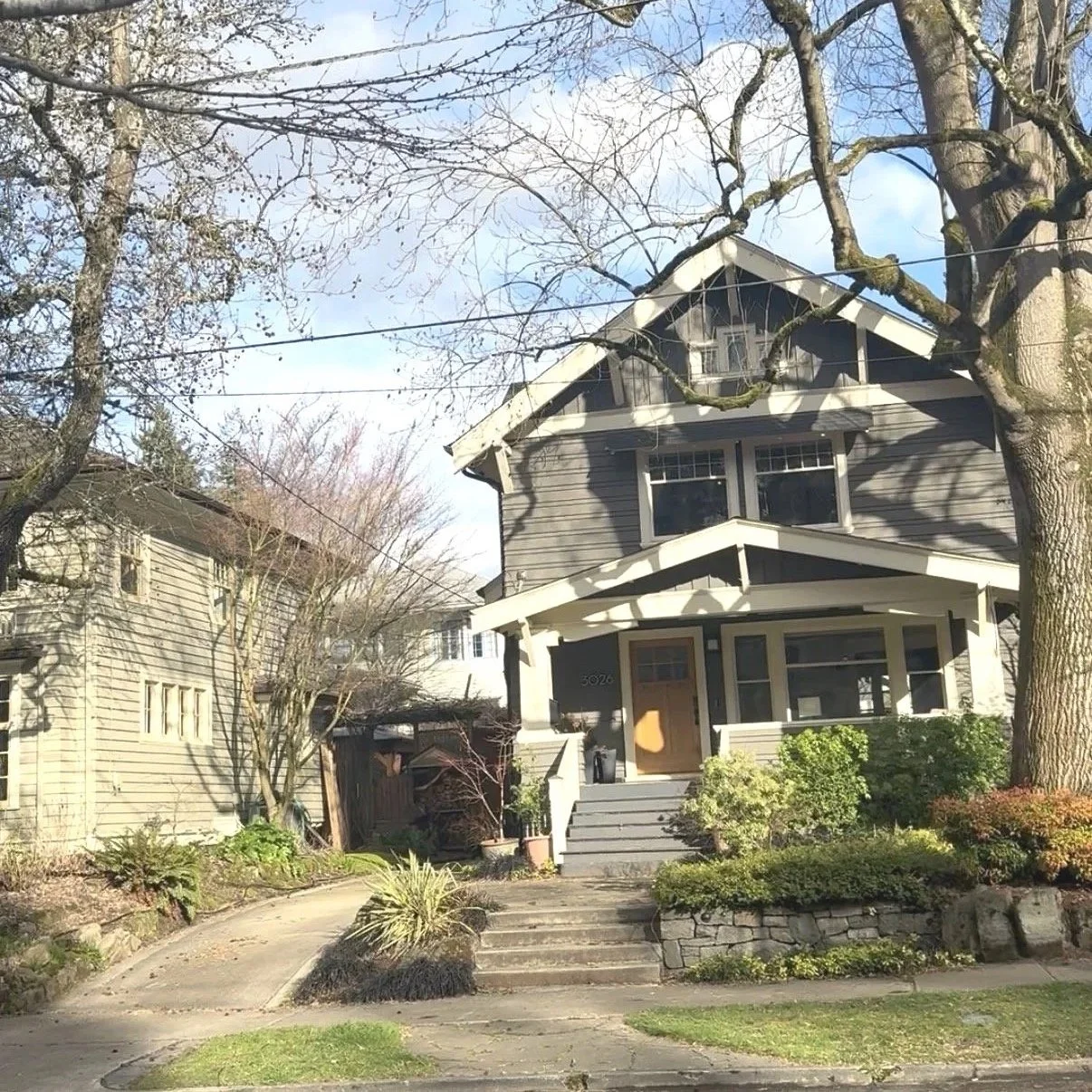
Irvington Walking Tour: Historic Homes, Tree-Lined Streets & the Heart of Northeast Portland
Come along on a walking tour of Irvington, one of Northeast Portland’s most beautiful historic neighborhoods. Discover tree-lined streets, stunning 100-year-old homes, and why this area sits perfectly between Alberta Arts, Williams, Beaumont, and Broadway.
If you’re exploring Portland neighborhoods or considering a move to Northeast Portland, here are a few things that stand out on an Irvington walking tour.
Today I took a walk through Irvington with my dog Daphne — named after the beautifully fragrant daphne flower that blooms in February, right when we need it most. With Portland giving us a little “false spring,” it felt like the perfect day to wander one of Northeast Portland’s most iconic neighborhoods.
Irvington is the kind of place that reveals itself best on foot. As you move block by block, you start to notice the architecture, the tree canopy overhead, and the quiet neighborhood rhythm that makes it such a special place to live.
A Historic Portland Neighborhood with Architectural Character
Irvington is one of Portland’s designated historic districts and is known for its beautifully preserved early-20th-century homes.
Walking the neighborhood, you’ll see an impressive mix of classic architectural styles, including:
Craftsman homes
Colonial Revival houses
Tudor and English Cottage styles
Large historic residences with generous setbacks
Many of these homes were built more than 100 years ago, and the neighborhood has maintained a remarkable sense of architectural integrity. For buyers who appreciate historic homes, craftsmanship, and timeless design, Irvington is one of the most distinctive neighborhoods in Northeast Portland.
The Mature Tree Canopy That Defines Irvington
One of the first things people notice about Irvington is the incredible tree canopy. Many of the trees lining the streets were planted over a century ago, creating shaded streets that feel almost park-like. In the summer months, the canopy helps keep the neighborhood noticeably cooler — one of the reasons so many Portlanders love walking here during warm weather. It’s also what gives Irvington its sense of permanence and calm. The streets feel established, welcoming, and beautifully green.
Walkability (With a Little Neighborhood Quirk)
Irvington has sidewalks everywhere — but if you spend time here, you’ll notice something funny: many residents still walk right down the street.
It’s one of those charming neighborhood quirks. The streets are quiet and residential, and you’ll regularly see neighbors:
walking dogs (sometimes we even get dog traffic jams)
going for a run
biking through the neighborhood
stopping to chat with friends
carrying grocery bags
Irvington truly feels like a neighborhood where daily life happens outdoors.
Perfectly Positioned Between Northeast Portland’s Best Hubs
Sabin (Inner Northeast) Sunny, walkable, and close to multiple neighborhood hubs. → Read the full Sabin neighborhood guide
One of Irvington’s biggest advantages is its location. The neighborhood sits right between several of Northeast Portland’s most vibrant dining and shopping areas.
Within just a few minutes you can reach:
the lively restaurants and shops of the Alberta Arts District
the popular dining corridor along Williams Avenue
neighborhood cafés and boutiques in Beaumont-Wilshire
the green space and recreation areas of Wilshire Park
Irving Park is located in Irvington
restaurants and local businesses along NE Broadway
What makes Irvington special is that you’re incredibly close to all of these destinations while still living on peaceful residential streets lined with historic homes.
Bike Routes and Greenways
Irvington is also connected by multiple bike routes and neighborhood greenways, making it easy to move around Northeast Portland without always needing a car.
For many residents, biking is simply part of everyday life here, whether commuting to work, visiting nearby neighborhoods, or heading out for a weekend ride. Many of Portland’s beloved organized bike rides, such as the World Naked bike Ride, pass through Irvington, it’s a wonderful juxtaposition of timeless elegance and Portland quirkiness.
Why People Love Living in Irvington
Over the years, I’ve found that Irvington attracts people who value:
historic architecture and craftsmanship
beautiful tree-lined streets
walkability and bike access
proximity to restaurants and neighborhood hubs
a strong sense of community and neighborhood identity
It’s a place that feels both established and welcoming, which is part of why so many people fall in love with it the moment they walk the streets.
Homes for Sale in Irvington
Because Irvington is a designated historic district with larger homes and beautiful streets, properties here often attract strong interest when they come on the market. Inventory can also be limited, which makes understanding the local market especially important for both buyers and sellers.
Love Irvington but feel priced out? → Check out my guide to busy streets on the East side of Portland
If you’re curious about:
homes currently for sale in Irvington
recent sale prices in the neighborhood
what it’s like to own a historic home here
how Irvington compares with nearby neighborhoods like Sabin or Alameda
I’m always happy to share neighborhood insight.
View current homes for sale in Irvington
Thinking About Irvington?
If you’re exploring Northeast Portland neighborhoods like Irvington, Sabin, Alameda, or Beaumont-Wilshire, the best way to understand them is to walk the streets and experience the neighborhood firsthand.
And if you ever want to talk about the Irvington market — or take a neighborhood walk together — I’m always happy to help.
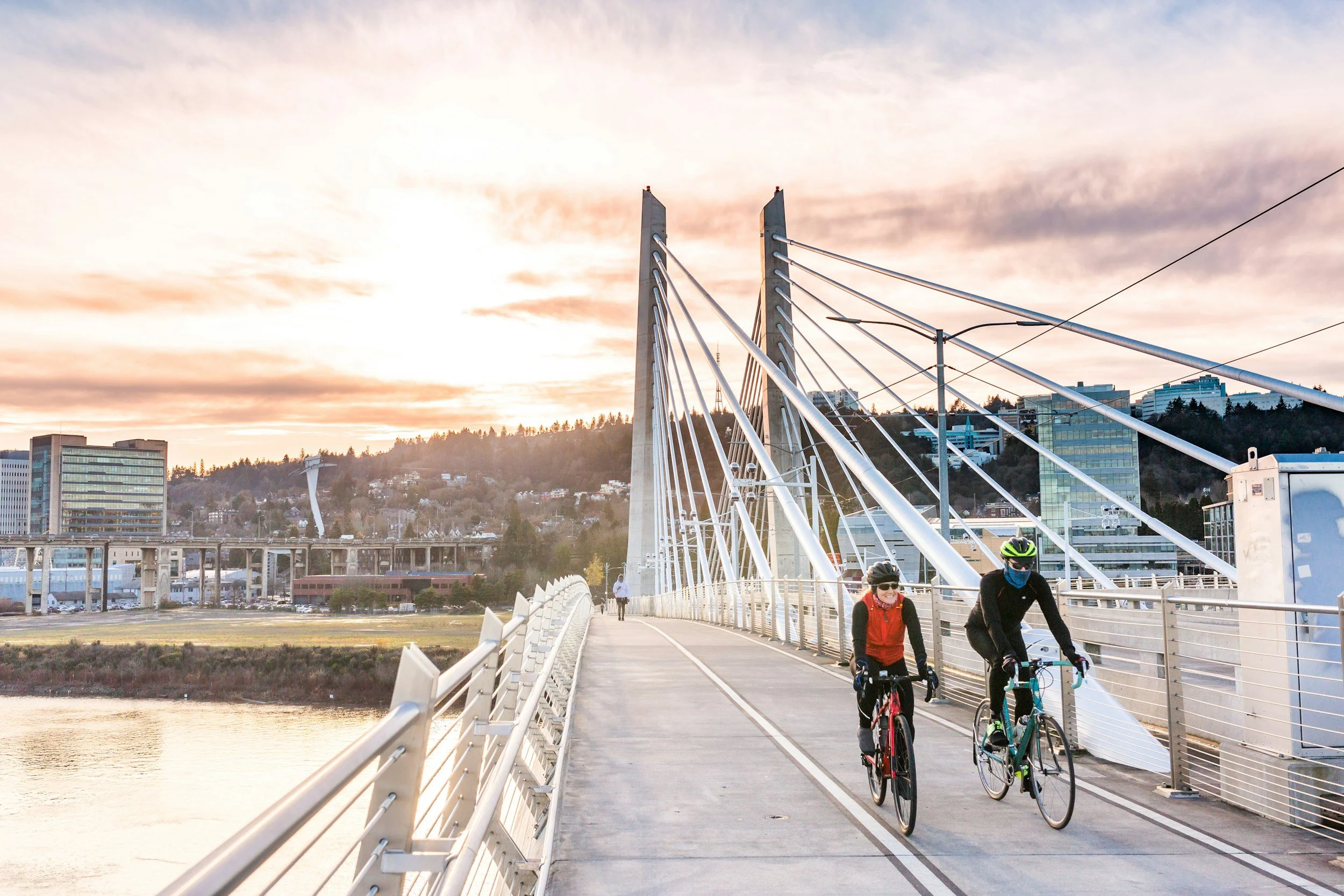
Who’s Moving to Portland? A Real Look at Relocation Trends (And Why Healthcare Professionals Are Leading Right Now)
Relocating to Portland for a healthcare job? Learn where medical professionals are moving, realistic hospital commute zones, and housing strategies for 2026.
Who’s Actually Moving to Portland Right Now?
If you’re researching a move to Portland, you’re not alone — and the mix of people relocating here has shifted over the past few years.
While Portland still attracts tech workers, remote professionals, and families looking for lifestyle change, one group has been growing fast:
Healthcare professionals.
In my real-world client pipeline, I’m seeing more:
• Nurses (staff + travel → permanent transitions)
• Physicians and specialists
• Residents and fellows
• Allied health professionals
• Healthcare administration and research roles
And the reason is pretty straightforward:
➡ Strong hospital systems
➡ Competitive compensation (especially for nurses)
➡ Lifestyle balance that’s hard to find in larger metros
Why Healthcare Professionals Are Choosing Portland
Career Stability + Demand
Oregon continues to have strong healthcare hiring demand, especially in major hospital systems.
Lifestyle That Supports Burnout Recovery
Many healthcare buyers tell me they want:
• Nature access for mental reset
• Neighborhood community feel
• Slower daily rhythm outside of work
• Homes that feel calm, quiet, and restorative
Income vs Lifestyle Balance
Compared to some major West Coast cities, many healthcare professionals find Portland offers a strong balance of:
• Earnings potential
• Homeownership opportunity
• Quality of daily life
The #1 Priority I Hear From Healthcare Relocation Buyers
“I want to live close to work.”
Especially for:
• Night shift nurses
• On-call specialists
• Residents
• Parents balancing school + shift work
That’s why I often help relocation buyers focus first on realistic 10–15 minute commute zones to major inner-city hospitals.
Not Google Maps at 2pm.
Real-world, day-to-day commuting.
Living Within ~10–15 Minutes of Portland’s Major Inner-City Hospitals
(Commutes depend heavily on bridges, hills, and freeway merge points — something unique to Portland geography.)
Near Oregon Health & Science University (OHSU)
Common Roles Here:
Level 1 trauma, specialty medicine, research, teaching, residency programs.
Realistic Close-In Neighborhood Options
• South Waterfront
• Lair Hill
• John’s Landing
• Homestead
• Parts of Hillsdale
Why Healthcare Buyers Like This Area
• Predictable commute for shift work
• Easy access to river + trails
• Condo → house upgrade path
• Close but feels separate from downtown stress
Near Legacy Good Samaritan Medical Center
Common Roles Here:
Surgery, NICU, long-tenured nursing staff, specialty clinics.
Close-In Neighborhood Options
• NW Portland / Alphabet District
• Slabtown
• Goose Hollow
• Pearl District (often just outside 10 but still very workable)
Lifestyle Fit
• Highly walkable
• Great for dual-income households
• Condo + townhome heavy
Near Providence Portland Medical Center
Common Roles Here:
Large RN workforce, specialists, support staff, admin roles.
Close-In Neighborhood Options
• North Tabor
• Montavilla
• Roseway
• Madison South
• Parts of Laurelhurst (edge of commute window)
If you’re thinking about moving to Mount Tabor → Pros and Cons of Buying in Mount Tabor
Why Relocation Buyers Love This Zone
• More house for budget vs west side
• Strong neighborhood identity
• Easy freeway access
• Quiet streets for post-shift recovery
Near Legacy Emanuel medical Center
Common Roles Here:
Trauma, pediatrics, surgical teams, large nursing base.
Close-In Neighborhood Options
• Sabin
• Boise-Eliot
• Humboldt
• Overlook (route dependent)
Lifestyle Fit
• Historic home lovers
• Design-forward buyers
• Close-in family neighborhoods
Portland Commute Reality (Especially Important for Healthcare)
In Portland, commute time is less about miles and more about:
✔ Bridge crossings
✔ Hill traffic bottlenecks
✔ Freeway merge zones
✔ Shift change traffic patterns
That’s why I focus clients on predictable commute zones, not just distance radius.
What Healthcare Buyers Often Prioritize in a Home
From working with relocation healthcare clients, common priorities include:
• Quiet streets and low chaos environments
• Easy parking
• Low-maintenance yards (shift schedules are real)
• Space to decompress
• Proximity to nature
• Strong school stability (for families)
Thinking About Moving to Portland for Healthcare Work?
If you’re relocating for a hospital role, contract position, or fellowship, it helps to start planning earlier than most people expect.
We can map out:
• Neighborhoods that realistically match your commute
• What your budget looks like in today’s market
• Timing strategies around contract start dates
• Which homes are worth competing for (and which aren’t)
My approach is always simple:
Strategic prep, smart spending, and market positioning designed to protect your long-term investment.
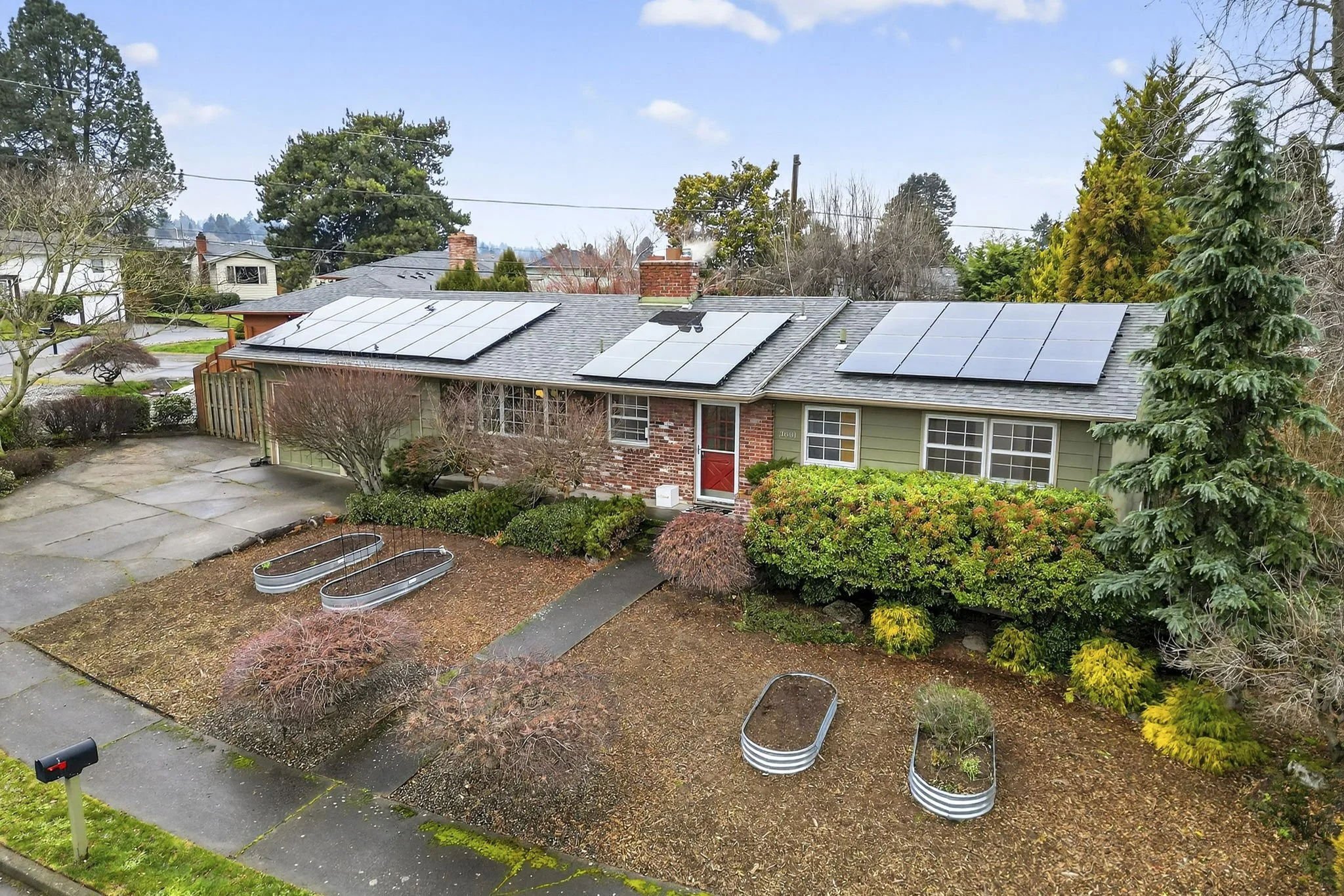
Why Argay Terrace is one of Portland’s best mid-century neighborhood’s.
Why Argay Terrace Is One of Portland’s Best Mid-Century Neighborhoods
Argay Terrace is especially special because it offers not just mid-century homes — but a true mid-century neighborhood identity.
Many homes here were built in the 1950s and 1960s, creating a sense of architectural consistency and cohesion that’s increasingly rare in Portland.
Why Argay Terrace Is One of Portland’s Best Mid-Century Neighborhoods
Argay Terrace is especially special because it offers not just mid-century homes — but a true mid-century neighborhood identity.
Many homes here were built in the 1950s and 1960s, creating a sense of architectural consistency and cohesion that’s increasingly rare in Portland.
1️⃣ A Concentration of Authentic Mid-Century Homes
Unlike neighborhoods with mixed eras and styles, Argay Terrace features a strong collection of ranch-style and mid-century modern homes, including:
• Low-profile rooflines
• Large picture windows
• Open, flowing layouts
• Generous lots and mature landscaping
It feels curated rather than piecemeal — ideal for buyers who value design continuity.
2️⃣ Larger Lots, Mature Trees, and Room to Breathe
Homes in Argay Terrace often sit on larger lots than closer-in Portland neighborhoods, offering:
• More privacy
• Space for gardens and outdoor living
• Mature trees and established greenery
• A quieter, more spacious feel
It strikes a beautiful balance between city access and suburban breathing room.
3️⃣ Quiet, Residential Streets with a Strong Neighborhood Feel
Argay Terrace feels peaceful, established, and neighborly. Streets are calm, well-kept, and welcoming, with a strong sense of community pride and long-term ownership.
Many residents stay for years, which speaks volumes about the livability and comfort of the area.
4️⃣ Close to Parks, Scenic Views, and Luuwit View Park
One of the lifestyle highlights of Argay Terrace is its proximity to Luuwit View Park and Luuwit View Dog Park — a scenic green space known for:
• Open lawns and sunset views
• A popular off-leash dog area
• Space to walk, relax, and meet neighbors
• A peaceful outdoor atmosphere
For buyers who value nature, dogs, fresh air, and green space, this is a meaningful everyday perk.
5️⃣ Strong Value Compared to Other NE Portland Neighborhoods
Argay Terrace often offers more space, architectural character, and lot size compared to more central Northeast Portland neighborhoods — making it especially appealing to buyers who want:
• Mid-century style without premium pricing
• More home for their budget
• Long-term upside and livability
It’s a smart choice for buyers who want design + value + lifestyle.
Why I Love Mid-Century Homes in Argay Terrace
Mid-century homes have a quiet confidence — they feel thoughtful, balanced, and human-scaled. And Argay Terrace is one of the best places in Portland to experience that spirit at a neighborhood level.
You get authentic architecture, larger lots, peaceful streets, nearby parks, and homes with real character. It’s the kind of place where people move in, settle in, and stay for a long time — which says everything about how livable it is.
Looking for a Mid-Century Home in Portland?
If you’re drawn to mid-century modern architecture — or curious about Argay Terrace homes specifically — I’d love to send you a curated list of mid-century homes in Portland, including coming-soon and off-market opportunities.
👉 Tell me your style and budget, and I’ll send homes you’ll actually love.