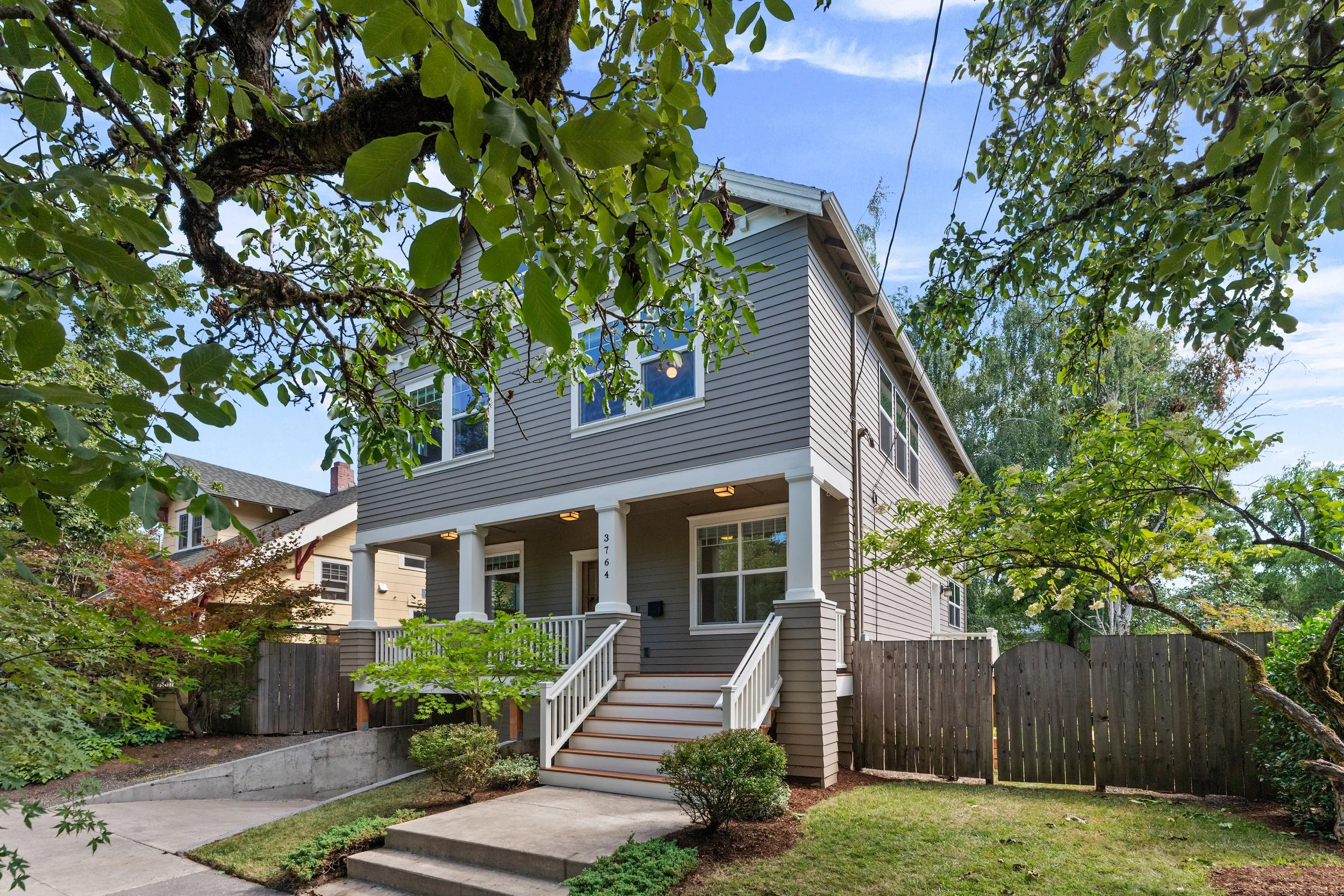
Seller Fear: “What Happens If We Sell and Don’t Have Our Next Home Yet?”
One of the most common fears I hear from Portland homeowners is this:
“What if we sell our house and don’t have our next home lined up?”
The good news is that selling and buying at the same time isn’t your only option. From rent-backs and bridge financing to flexible closing timelines and temporary housing solutions, there are several ways to create a smoother transition. Here’s how I help sellers make a move without feeling rushed or homeless in the process.
Portland Home Selling Guide, Denise Wolfe
Worried about selling your home before finding the next one?
You have more options than you might think.
Most Portland sellers choose one of three paths:
🏡 Buy first, then sell
🔑 Sell with flexibility built into the sale
📦 Sell first and use short-term housing while you shop

What happens if you sell before finding your next home?
After helping Portland sellers for 15 + years, I’ve guided many clients through this exact situation.
In Portland, it’s no secret, our inventory is tight, especially if you are trying to move into a bigger home in your favorite neighborhood. Don’t worry, I have a strategy for that very scenario.
Once pricing starts to make sense, the next question almost always comes up:
“Okay… but where do we go if we sell?”
For a lot of sellers, this is the part that causes hesitation.
Not because they don’t want to move, but because they don’t want to:
Move twice
Feel rushed into buying
Disrupt their day-to-day more than necessary
The good news is there’s not just one way to handle this. There are a few clear paths, and together we, can choose the one that fits your situation best.
🧭 3 Paths Sellers Take
Path 1: Buy First, Then Sell (the ideal when possible)
👉 Secure your next home → move once → prepare and sell strategically
Path 2: Sell with Flexibility Built In
👉 Sell first → use rent-back or timing strategies → buy next
Path 3: Sell, Then Bridge the Gap
👉 Sell → move into short-term housing → buy with clarity and no pressure
💡 Most sellers don’t use just one of these—they use a combination.
When possible, moving first allows us to prepare, stage, and market your home for optimal results, without disrupting your life. Just leave all the work to me.
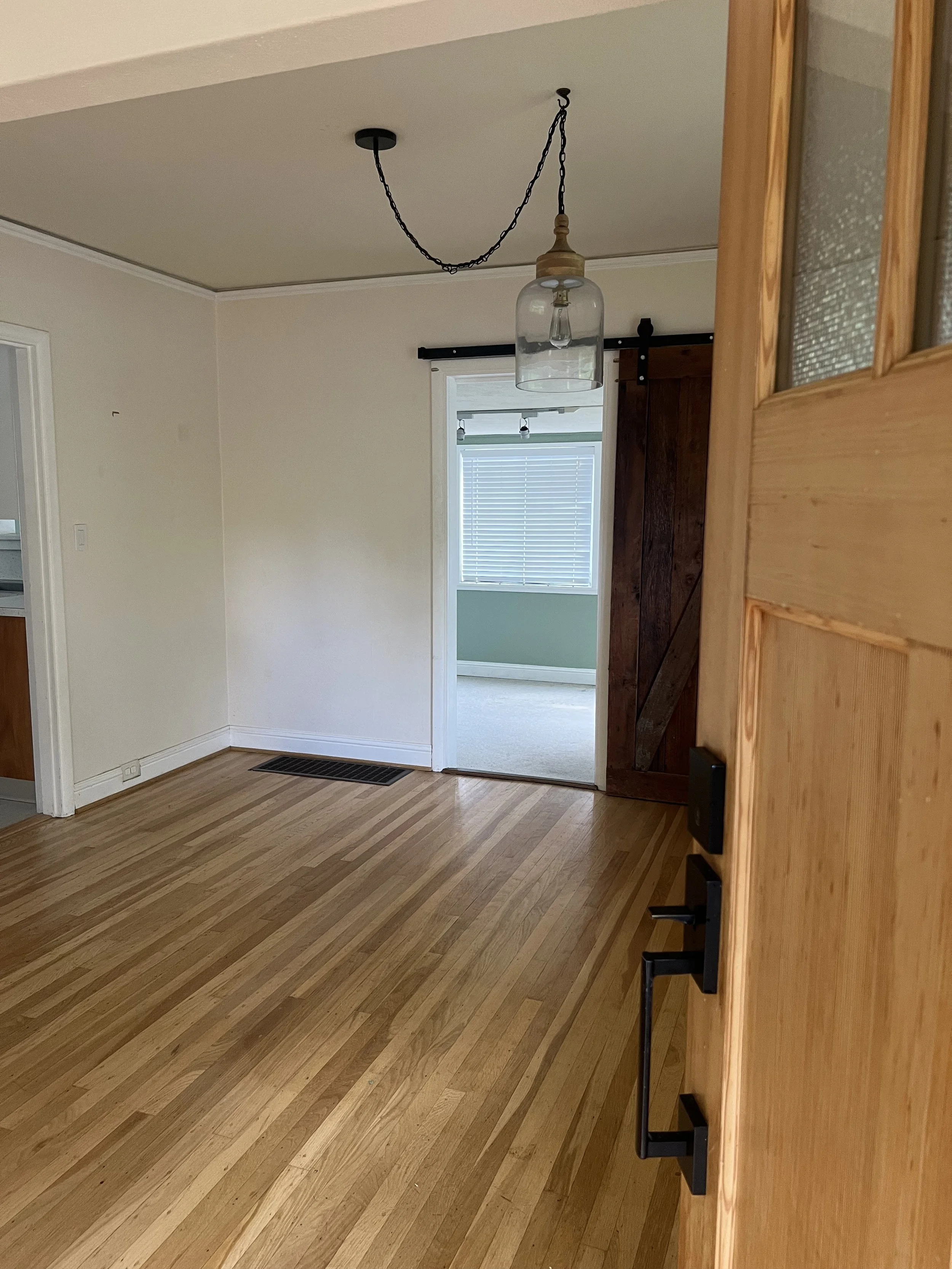
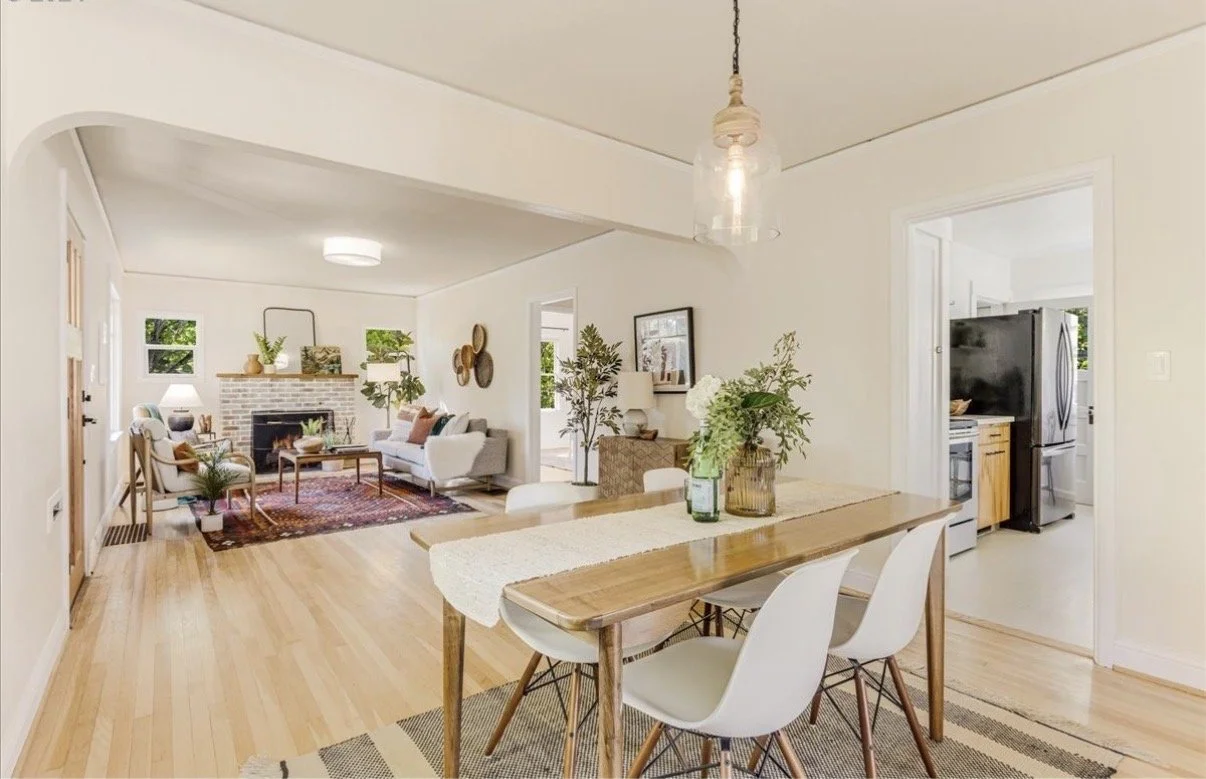
🥇 Path 1: Buy First, Then Sell
If we can make this work financially, this is usually the smoothest experience.
You:
Secure your next home first
Move once
Then let me come in and fully prepare your current home
This allows us to:
Handle updates without disruption
Stage the home properly
Launch with intention
Maximize buyer interest from day one
👉 This is where you tend to see the strongest results.
💡 How sellers make this work
This is where the right lending strategy matters.
Options can include:
HELOC (home equity line of credit)
Bridge loans designed for buying before selling
Other tailored financing solutions
I work closely with lenders who specialize in this, so we can explore whether it’s a fit before making any decisions.
🥈 Path 2: Sell with Flexibility Built In
If buying first isn’t the right fit, the next best option is building flexibility into your sale.
Rent-Back Agreements
You sell your home, then stay in it temporarily after closing, up to 60 days in most cases or up to 90 days if the sale is cash.
This gives you:
Time to find your next home
Liquid funds to purchase non-contingent
Flexibility without an immediate move
Extended Closing Timelines
Instead of a quick close, we negotiate more time upfront.
This creates breathing room while you:
Continue your search
Align timelines more comfortably
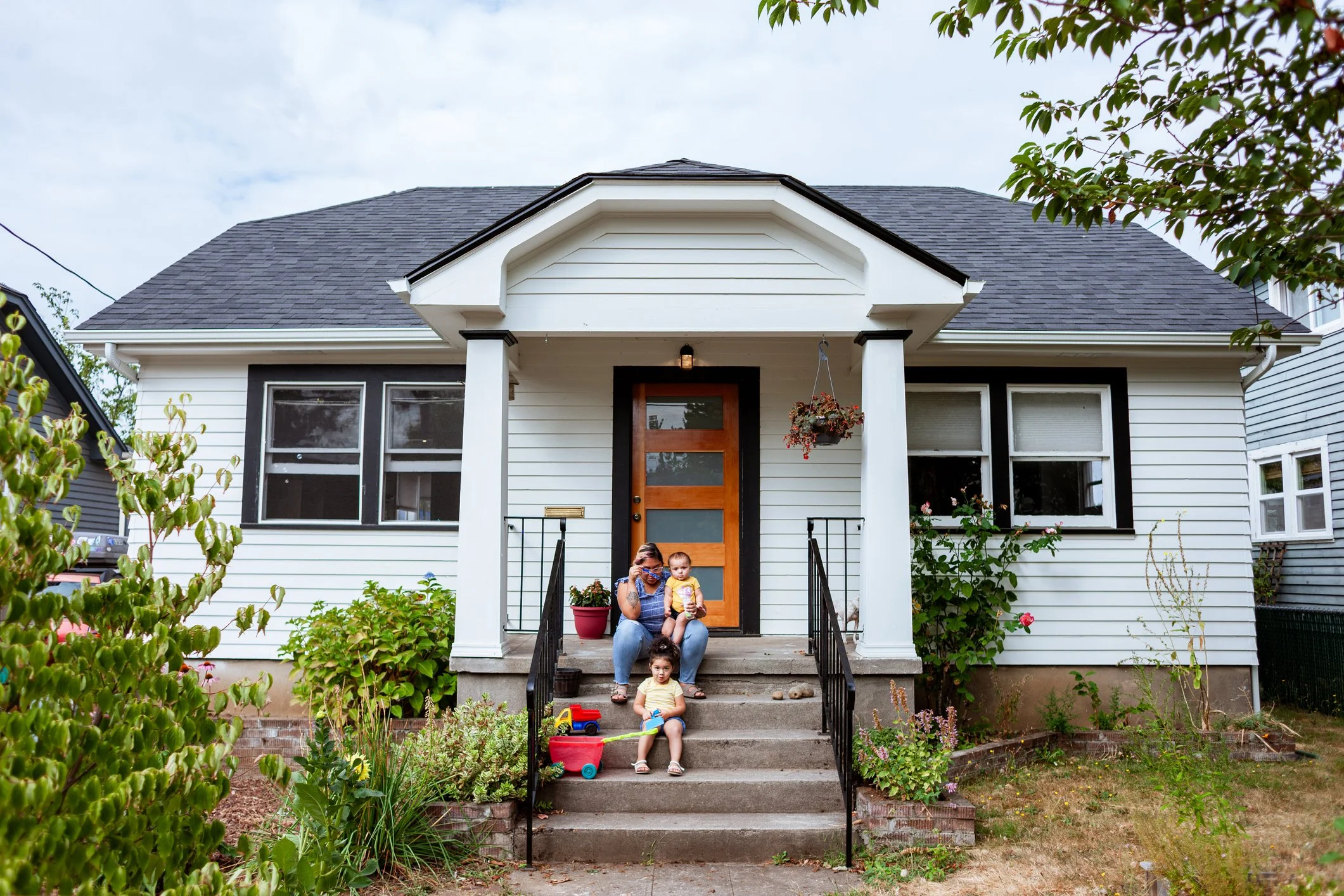
Rent-backs and extended closings can provide breathing room while you search for your next home.
Contingent Sale (Buying with Your Home Still on the Market)
Another option is writing an offer on your next home that’s contingent on the sale of your current home.
This means:
You find a home you love
You make an offer
But the purchase only moves forward once your current home goes under contract or closes
This can work well if:
Your home is already on the market (or even better if you have an accepted offer on your home)
It’s priced strategically and generating strong interest
Or you’re in a less competitive buying environment
That said, in Portland, especially in more competitive price points, contingent offers can be harder to get accepted.
Sellers often prefer offers without that added layer of uncertainty.
👉 When we use this strategy, it’s usually paired with a strong pricing plan and a clear timeline to make your home as attractive to buyers as possible.
In the right scenario, it can work well—but it’s something we approach strategically, not by default.
👉 These strategies work best when your home is positioned well and attracting strong buyer demand.
Which comes back to pricing.
If you haven’t read it yet, this breaks down how pricing impacts your leverage → 👉 how to price your home in Portland to avoid leaving money on the table
🥉 Path 3: Sell, Then Bridge the Gap
This is more common than people expect—and often less stressful than it sounds.
You sell first, then buy with clarity.
The key is having a plan for the in-between.
Short-Term + Mid-Term Housing Options
Short term rentals (Airbnb, VRBO)
30–90 day mid-term furnished housing
Executive or travel nurse housing
👉 In Portland, there are a surprising number of flexible options depending on timing and location.
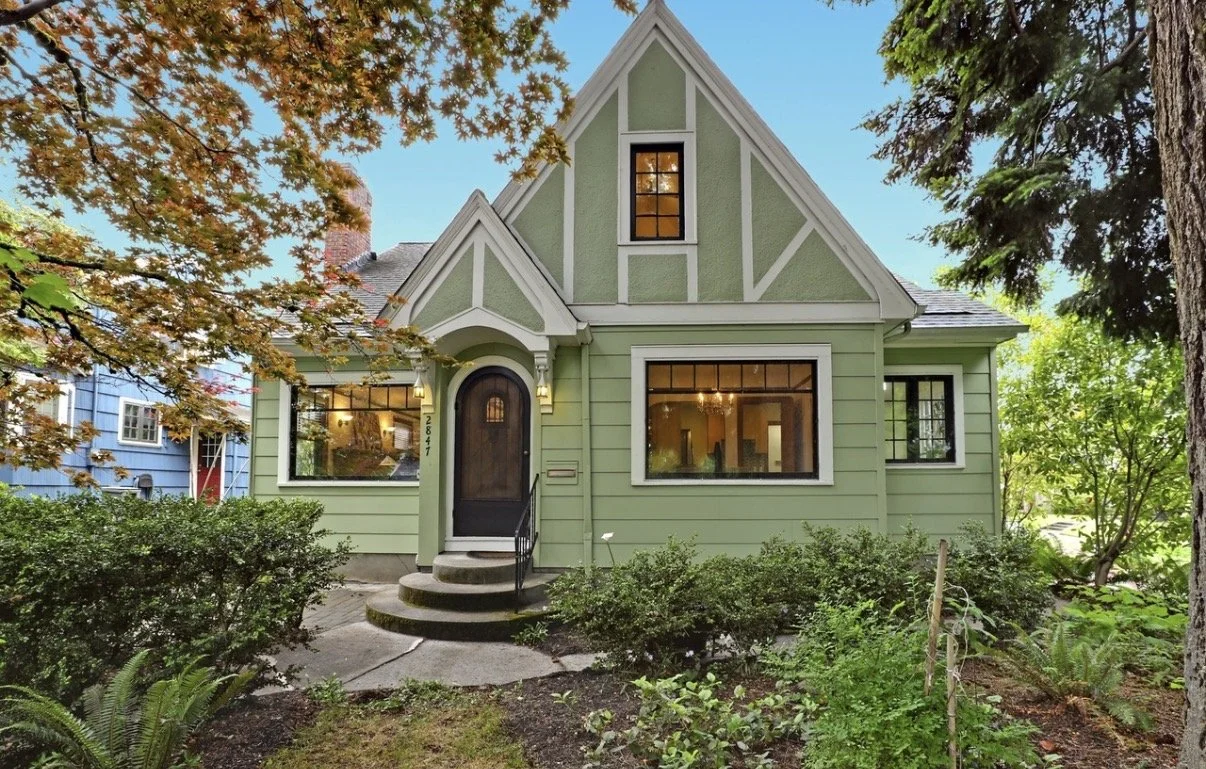
A home in Alameda may attract very different terms and buyer behavior than a similar home elsewhere. Portland is a city of micro-markets.
Where Micro-Markets Still Matter
One thing that impacts all of these paths? Your specific location and buyer pool. A home in a high-demand pocket of Alameda or Irvington may attract different terms than one on a busier street or in a different price bracket.
That affects:
Rent-back feasibility
Timeline flexibility
Negotiation strength
If you want to understand how street location plays into demand, I break that down here.
→ Pros and Cons of Buying on a busy Street in Portland
The Real Takeaway
There isn’t one “right” way to do this.
There’s a strategy that fits:
Your finances
Your timeline
Your tolerance for flexibility
The goal isn’t to rush you out of your home.
It’s to create a plan where:
You’re not scrambling
You’re not settling
And every step feels intentional
How This Connects to the Bigger Picture
A lot of this becomes easier when your home is:
Priced strategically
Positioned correctly
Generating strong demand early
That’s exactly why the first step matters so much
→How to price your home in Portland (and avoid leaving money on the table)
And if you want to go deeper into how buyer behavior plays into this
→ price high vs price to entice: understanding buyer psychology in Portland real estate
Frequently Asked Questions About Buying and Selling Simultaneously
-
This is one of the most common concerns I hear from Portland sellers. Fortunately, there are several strategies available, including buying before selling, negotiating a rent-back agreement, extending closing timelines, or using short-term housing while you search for your next home.
-
Sometimes, yes. Many homeowners use a HELOC, bridge loan, or other lending solutions to access their equity before selling. If buying first is important to you, I can connect you with lenders who specialize in these strategies.
-
A rent-back allows you to remain in your home after closing for a negotiated period of time. In many Portland transactions, sellers can stay up to 60 days after closing, and sometimes longer in cash transactions. This can provide valuable breathing room while searching for your next home.
-
They can be, but it depends on market conditions, price point, and competition. In highly competitive neighborhoods, contingent offers may be less attractive to sellers. However, when paired with strong pricing, preparation, and timing, they can still be successful.
-
If financially possible, buying first is often the smoothest experience because you only move once and can prepare your current home after moving out. That said, every situation is different. Sometimes selling first provides more certainty and negotiating power.
-
Portland is a city of micro-markets. A home in Alameda, Irvington, Sabin, Mount Tabor, or Eastmoreland may attract different buyer behavior than a similar home elsewhere. Demand, timing, and negotiation strength can all influence which strategy makes the most sense.
-
The best place to start is with a conversation. We'll look at your home's value, your timeline, your financial goals, and the neighborhoods you're considering. From there, we can build a plan that helps you move forward without feeling rushed or pressured.