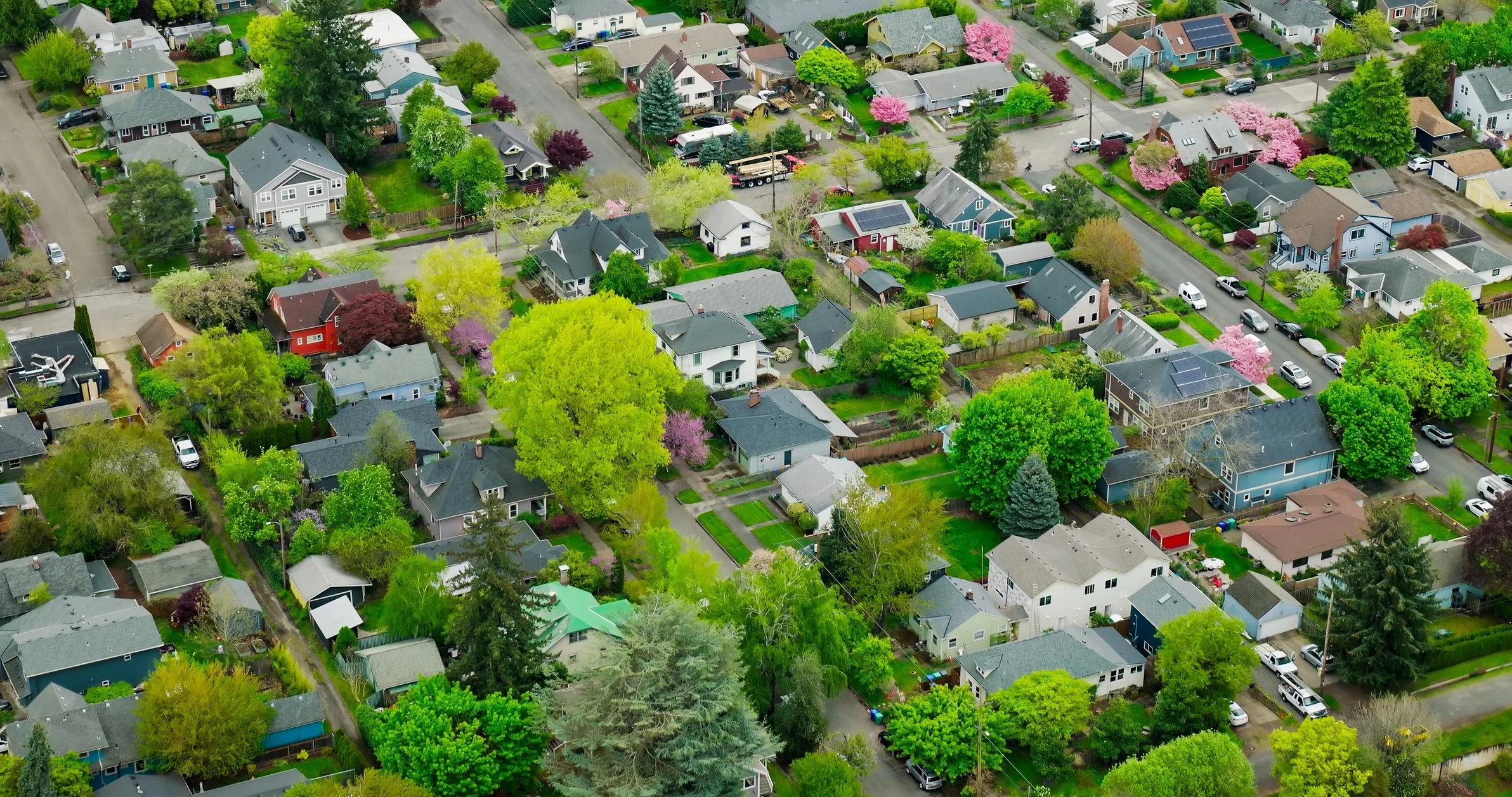
Busy Streets in Northeast & Southeast Portland: The Pros, the Cons, and What It’s Actually Like to Live on Them
Thinking about a home on a busy street in Portland? Here’s how traffic, location, and micro-markets impact livability—and when it can actually work in your favor.
If you’ve spent any time house hunting in Portland, you’ve probably had this moment:
You find the house… and then realize it’s on a busy street.
For some buyers, that’s an immediate no.
But for others, it can actually be a smart way to get into a neighborhood they love—if you understand the trade-offs and the specific street.
And if you’re just starting your search, I put together a broader guide to the best areas in Portland that’s a great place to begin before you zoom in street by street.
If you’re relocating or just starting to explore, you can start with my full guide to choosing the right Portland neighborhood → Moving to Portland Guide
How Portland Streets Actually Work
Portland is a city of micro-neighborhoods, and it’s designed in a very specific way:
👉 A handful of streets carry most of the traffic
👉 And one or two blocks away, things can feel completely different
That’s why “busy street” here isn’t one-size-fits-all. It’s often about the specific stretch, not just the name of the street.
The Pros of Buying on a Busy Street
1. A More Accessible Price Point
Homes on busier streets are often priced lower than similar homes nearby.
That can be your entry point into neighborhoods like Irvington, Alameda, Sabin, Richmond, or Sellwood—areas that might otherwise feel just out of reach.
2. Location & Convenience
These streets exist for a reason—they connect everything.
That means:
Faster access in and out of your neighborhood
Closer proximity to parks, restaurants, and shops
A more connected day-to-day lifestyle
3. Transit & Car-Free Potential
Many of Portland’s main bus routes run along these corridors.
So if you’re considering a more walkable or car-light lifestyle:
You’re closer to transit
Commutes can be easier
You’re often near neighborhood hubs
4. Long-Term Opportunity
If you plan to stay for a while, buying on a busy street can be a strategic way to build equity in a strong location.
The Cons of Buying on a Busy Street
1. Noise & Activity
More traffic means more noise—it’s that simple.
That said, in Portland, the intensity can change dramatically from one block to the next.
2. Less Privacy
There’s typically more foot and car traffic, which can make homes feel a bit more exposed—especially in front-facing spaces.
3. Resale Can Be More Selective
Not every buyer is open to a busy street, so your future buyer pool may be slightly smaller.
4. More Sensitive to Market Shifts
This is the piece most people don’t talk about—but it matters.
Homes on busier streets tend to be a little more sensitive to market changes:
In a strong market, they can sell quickly
In a slower market, buyers become more selective
That’s where pricing strategy and preparation really come into play.
Northeast Portland: Where “Busy” Changes Block by Block
Northeast has a handful of key north–south, and east-west streets that carry most of the traffic—but they don’t feel the same the whole way through.
Cesar Chavez (NE 39th Ave)
One of the main connectors on the east side.
It’s busiest through major crossings like Sandy, Fremont, and Alberta.
But as you head north of Broadway, it starts to feel less intense—more like a typical residential street compared to the busier central stretches.
NE 15th Ave
An important north–south route, especially north of Broadway, and one of the main bus corridors through Northeast.
You’ll feel more activity near:
Broadway
Fremont
Alberta
Between those nodes, it can quiet down somewhat, but it still functions as a through street.
For buyers, this can be a great opportunity to get into neighborhoods like Irvington, Sabin, or Vernon at a slightly more accessible price point.
If you’re curious what Irvington actually feels like beyond the map, I put together a full Irvington walking tour that walks through the streets, architecture, and overall vibe.
And if Sabin is on your radar, you can also take a deeper dive into the neighborhood in my Sabin neighborhood guide.
NE 33rd Ave
A well-used connector that often feels more manageable than 39th.
Traffic is steady, but it tends to be a nice middle ground—especially for buyers trying to balance price and location in neighborhoods like Alameda or Concordia.
NE 57th Ave
A bit of a “sneaky busy” street.
It doesn’t look like a major arterial, but it carries more traffic than expected—especially between Fremont, Sandy, and Halsey.
Southeast Portland: Function Meets Lifestyle
Southeast has a slightly different rhythm, with more “working streets” that balance access with livability—and often come with strong lifestyle benefits.
If Southeast is where you’re focusing, I’ve also shared a few of my favorite pockets in this guide to three Southeast Portland neighborhoods I love.
SE 52nd Ave
One of Southeast’s main north–south routes.
Busier south of Powell, especially toward Woodstock
As you move north toward Division and Richmond, it starts to soften
Still active, but more residential in feel
Sellwood–Westmoreland: Where Busy = Walkable
Sellwood and Westmoreland are incredibly walkable, and here, busier streets often come with a real lifestyle upside.
If you are dreaming of living in Sellwood, check out why I think everyone wnts to live in Sellwood, here.
SE 17th Ave
A primary north–south route.
Busier between Tacoma and Bybee
Some stretches include speed bumps and traffic calming
Can feel more neighborhood-oriented depending on the block
SE 13th Ave
A consistently active street, particularly from Bybee through Tacoma.
But you’re right in the middle of:
👉 Shops
👉 Restaurants
👉 Daily conveniences
SE Milwaukie Ave
The main commercial corridor through Sellwood into Westmoreland.
Yes, it’s busy—but it’s also where a lot of the neighborhood’s daily life happens.
SE Bybee Blvd
A key east–west connector.
Traffic increases closer to the bridge and commercial core, but it’s an important access point for the neighborhood.
The Portland Reality
In Portland:
👉 Busy streets carry the traffic
👉 Quiet streets sit just around the corner
That’s why you can be incredibly close to everything—and still feel tucked away.
Or, you can choose the busier street and gain access to a neighborhood that might otherwise be out of reach.
Final Thoughts
This should help give you a solid understanding of some of the busier streets in Northeast and Southeast Portland—and how much things can change from block to block.
If you’re relocating or home shopping from afar, these are the kinds of nuances that are hard to pick up without spending years here.
If you’re making a move from California, I also put together a guide specifically for Bay Area buyers relocating to Portland, which can help you understand how these neighborhoods compare.
At the end of the day, the difference between a great fit and a missed opportunity can come down to a single street—or even a single block.
I’m always happy to help buyers understand how Portland neighborhoods actually live, so you can make a decision that feels right long-term.