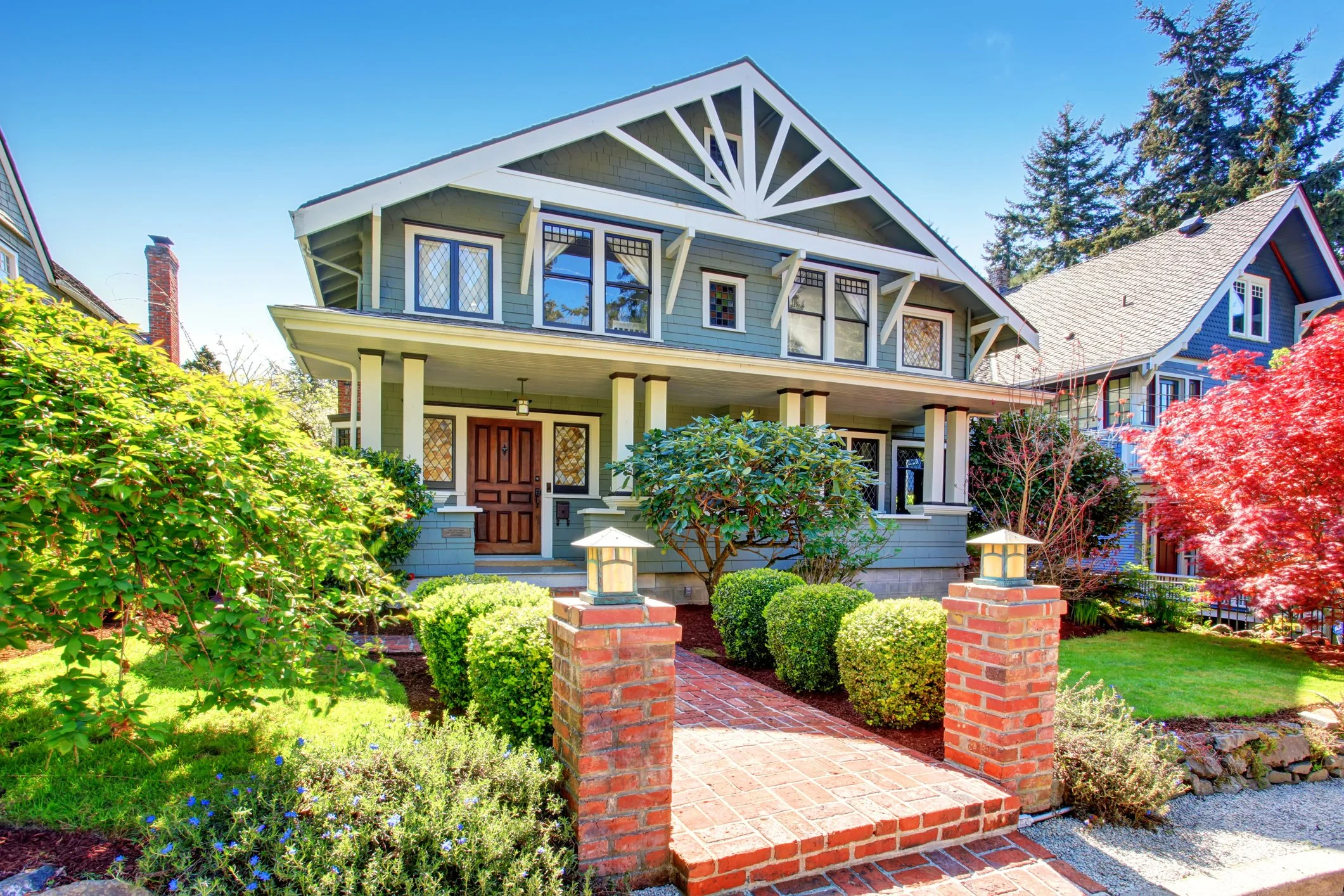
Thinking of Selling Your Portland Home? Start Here
If you’re thinking about selling your home in Portland, this is where to start. From what actually adds value before you list to how pricing strategy impacts your final sale, this guide walks through the decisions that can make a real difference in your bottom line.
Selling your home in Portland isn’t just about timing the market. It’s about how you prepare, how you price, and how you position your home to buyers.
The right strategy can mean the difference between selling… and selling for more than you expected.
👉 If you’re even thinking about selling, start here.
What should you do before selling your home in Portland?
Before selling, focus on the things that actually impact your bottom line:
Strategic updates (not over-renovating)
Thoughtful design and presentation
Pricing based on buyer psychology, not guesswork
A plan for where you’ll go next
Most sellers don’t need to do everything. They just need to do the right things.
There’s a moment most sellers hit before they make a move.
It’s not “Should I sell?”
It’s…
“Am I leaving money on the table if I don’t do this right?”
And honestly, that’s the right question.
Because selling a home in Portland right now isn’t just about putting it on the market. The homes that perform the best are the ones that feel intentional from the start.
That means:
A clear prep plan
Smart, design-forward updates
Strategic pricing
And knowing how buyers actually think when they’re walking through your home
That’s exactly what this guide is here to walk you through.
What Actually Matters Before You Sell
Not everything adds value. And some things matter a lot more than people think.
The goal isn’t to spend more. It’s to spend smarter.
→ What improvements actually matter before selling your home in Portland
I work with a designer to create a clear, prioritized plan so you know exactly what’s worth doing and what you can skip.
The Pricing Strategy That Changes Everything
Pricing isn’t just a number. It’s a strategy.
And one of the biggest mistakes I see?
Sellers pricing based on what they hope will happen… instead of how buyers actually behave.
If you want a deeper breakdown, I walk through exactly how this works here:
→ Should you price your home high or price to attract more buyers?
The right pricing strategy can create competition, urgency, and stronger offers.
What If You Sell Before You Find Your Next Home?
This is one of the biggest stress points for sellers.
And it stops a lot of people from even starting.
But there are options:
Rent-backs
Extended closings
Bridge solutions
Strategic timing
If you’re also thinking about where you’ll go next, I put together a guide to help you narrow down the right fit:
→ Moving to Portland: How to Choose the Right Neighborhood
The #1 Fear Every Seller Has
Let’s just say it clearly:
Am I leaving money on the table?
That fear is real.
And it usually comes down to:
Not preparing the home correctly
Pricing without a strategy
Or not fully understanding how buyers will respond
→The biggest fear sellers have: are you leaving money on the table?
Portland Buyers Are Specific
Buyers here notice things.
They’re paying attention to:
Design and feel
Light and layout
Location nuance (even street-by-street)
Condition vs potential
If you want to understand how buyers think when they’re walking through homes, this helps:
→ Living in Mount Tabor: Pros and Cons
→ Busy Streets in NE & SE Portland
How I Help My Sellers Maximize Their Net
Every home is different, but my approach is consistent:
Strategic prep (with a design plan)
Clear, data-backed pricing
High-impact marketing
Strong negotiation focused on your bottom line
Most of my sellers don’t just sell quickly.
They sell with confidence that they made the right decisions.
Thinking about selling?
Even if you’re 6–12 months out, we can map this out now so you’re not guessing later.
The #1 Fear Every Home Seller Has: Am I Leaving Money on the Table?
Most sellers worry about underpricing, but the bigger risk is mispricing. Here’s how pricing strategy, buyer psychology, and timing impact your final sale price in Portland.
If you’re thinking about selling, this is usually the first thought that creeps in:
What if I price it wrong… and leave money on the table?
It’s a fair question—and honestly, one of the biggest financial decisions most people make.
Before we get into it, it’s worth understanding that pricing strategy isn’t one-size-fits-all. If you want a deeper look at how different approaches play out, I break that down here:
👉 how to price your home in Portland: price high vs price to entice multiple offers
But here’s what most sellers don’t realize:
👉 Leaving money on the table usually doesn’t come from underpricing
👉 It comes from mispricing
Why pricing high can actually cost you money
A lot of sellers assume the safest move is to start high and see what happens. It feels like a buffer.
But in reality, pricing above the market often leads to:
Fewer showings
Less urgency
More days on market
Price reductions
And once a home sits, buyers start asking:
“What’s wrong with it?”
That’s when you lose leverage.
What actually drives higher sale prices
The homes that sell for the most aren’t always the ones priced the highest.
They’re the ones that are:
Positioned correctly
Prepared thoughtfully
Launched with intention
When a home hits the market at the right price, something shifts:
More buyers show up.
There’s urgency.
And that’s where competition builds.
This is where buyer psychology in real estate pricing becomes incredibly important—understanding how buyers respond to pricing is what ultimately drives stronger offers and better terms.
Why this matters more than people think (especially in Portland)
In Portland, pricing isn’t just about square footage and comps.
It’s hyper-local.
A home on a quieter street in Sabin may follow a different pricing strategy than one on a busier stretch of NE 15th or Fremont.
Buyer behavior shifts depending on:
Street traffic
Walkability
Perceived value
If you’re curious how location nuances like this impact demand and pricing, I break it down here:
👉 pros and cons of buying a home on a busy street in Portland
Why the first week matters more than anything
The biggest opportunity to maximize your sale price happens right when your home hits the market.
That’s when:
The most buyers see it
The most agents are watching
The most momentum can build
If that moment is missed, it’s hard to recreate.
Price reductions don’t generate the same energy as a strong launch.
This is where strategy—not guesswork—comes in
I always tell my sellers:
It’s not just about what your home is worth.
It’s about how it’s introduced to the market.
That includes:
Smart, ROI-focused preparation
Pricing designed to attract the right buyers
Marketing that creates demand
Negotiation that protects your upside
When those pieces align, the process becomes much more predictable—and often more profitable.
The bottom line
Most sellers worry about underpricing.
But the bigger risk is missing the window where your home has the most attention, the most energy, and the most potential to drive competition.
That’s where the best results happen.
If you’re even thinking about selling, I’m happy to walk through what this could look like for your home and your goals.
No pressure—just a clear plan.
🔗 What most sellers ask next
Once pricing starts to make sense, the next question is almost always:
“What happens if we sell… and don’t have our next home lined up?”
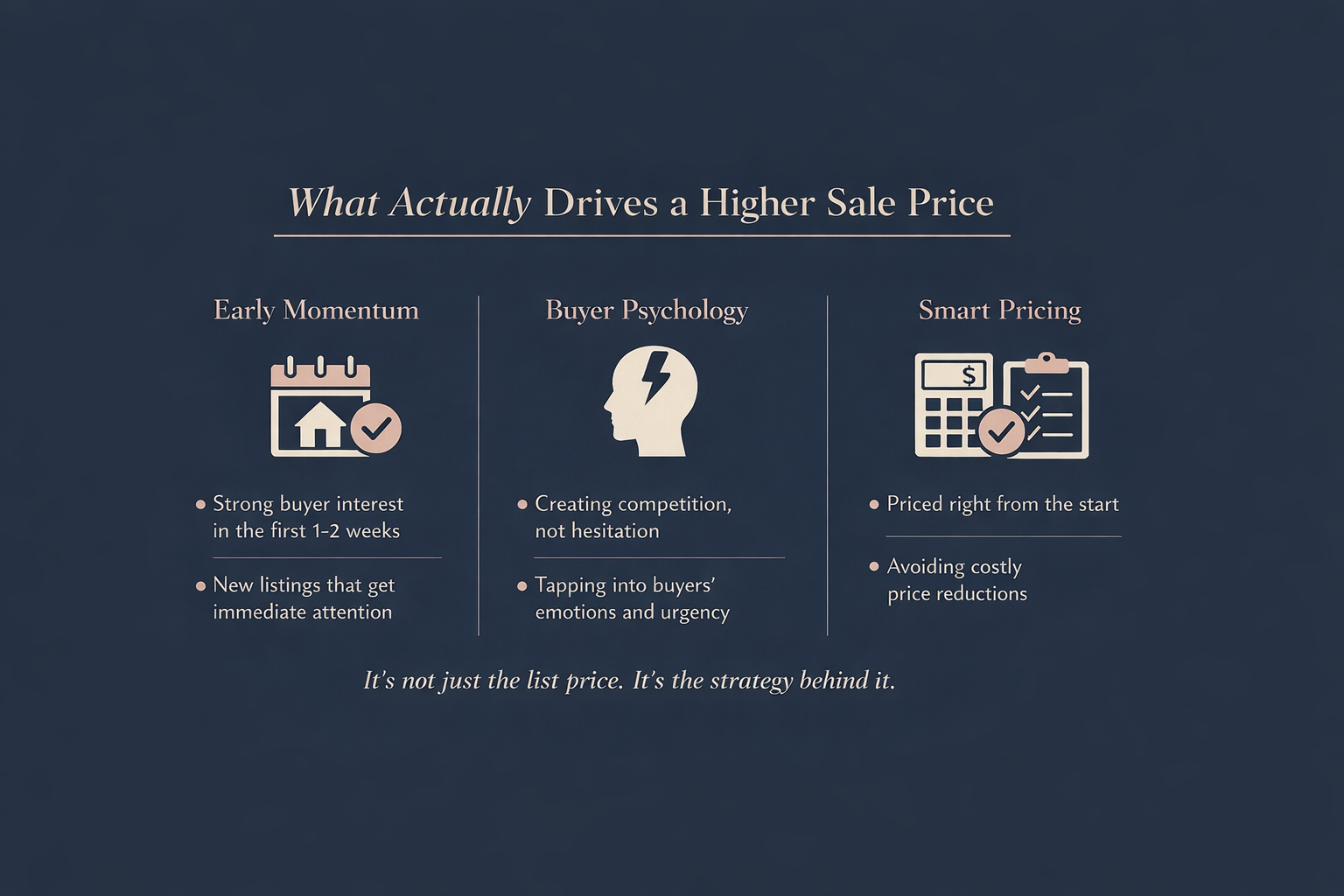
Should you Price High or Price to Entice? Here’s What Actually Nets You more.
Trying to decide whether to price your Portland home high or price to attract more buyers? Here’s how pricing strategy, buyer psychology, and early market response can impact your final sale price. And what actually nets you more.
If you’re thinking about selling, this question almost always comes up:
“Should we price high to leave room… or price lower to attract attention?”
And I understand why. Pricing higher can feel like you’re protecting your bottom line. Pricing lower can feel a little risky.
But here’s the thing most people don’t realize:
Pricing isn’t just about the number. It’s about how buyers respond to it.
💡 The Way Buyers Actually Shop for Homes
Buyers aren’t evaluating your home in isolation. They’re scrolling quickly. Touring multiple homes. Comparing everything, often within the same week.
And whether they realize it or not, they’re constantly asking:
👉 “How does this one stack up?”
That means your price isn’t just a price. It’s a signal. It tells buyers whether to: lean in, pause, or move on…
⏱️ Why the First 7–10 Days Matter So Much
The first week or two on market is where the magic happens. That’s when: your listing is brand new, the most buyers see it, and interest is at its highest
In fact, homes typically see the strongest activity in those first 1–2 weeks.
After that, something subtle can shift. If a home doesn’t feel well-positioned on price, buyers don’t always reject it. They just… wait. And waiting is where momentum—and often money—gets lost.
💰 Pricing High: The Hesitation Effect
When a home is priced on the higher end (or even just slightly above where buyers expect), it tends to trigger a more analytical response.
Buyers start thinking:
“I like it… but I don’t know if it’s worth that”
“Let’s keep looking”
“Maybe it’ll sit and we can come back to it”
Even if they love the home, that small layer of doubt slows them down.
And once a home sits: it gets fewer showings, buyers start to question why, and price reductions often follow.
The challenge is, price reductions don’t reset the market’s perception. They can actually shift leverage toward the buyer.
🔥 Pricing to Entice: The Competition Effect
When a home is priced strategically to attract attention, the psychology flips.
Buyers feel:
“This looks like a good value”
“We should go see this right away”
“Other people are probably going to like this too”
And that’s where things get interesting.
Because instead of comparing, buyers start competing.
When multiple buyers are engaged at the same time, you’re more likely to see:
Stronger offers, fewer contingencies and, in many cases, a higher final price.
This is how some homes end up selling above list. Not because they were priced low, but because they were positioned well.
📊 A Quick Reality Check (What the Data Supports)
We see this play out consistently:
Homes that are priced correctly from the start tend to sell faster and closer to—or above—list price
The first 1–2 weeks generate the most buyer activity
When a home lingers, buyers often assume something is off—even when it isn’t. Strong presentation matters too: 81% of buyers say staging helps them visualize a home as their own, which directly impacts how they value it. None of this is accidental. It’s all tied to how buyers experience a home.
🏡 When Pricing Higher Can Work
This is where nuance matters.
Pricing to entice is powerful, but it’s not always the right strategy. There are situations where pricing higher can absolutely make sense:
The home is truly unique (architecture, design, lot, or views)
There aren’t clear comparable sales
The buyer pool is more specific or limited
You’re in a higher price bracket, where buyers tend to move more deliberately
In these cases, buyer behavior shifts.
Instead of urgency, buyers expect to:
Take their time, evaluate more carefully, and negotiate more directly. Here, pricing becomes less about creating competition and more about anchoring value. And when done well, that can work beautifully.
⚖️ So… What Actually Nets You More?
In many cases—especially in Portland’s close-in neighborhoods—
👉 pricing to entice, when done strategically, can drive a higher final sale price
Because it: maximizes early attention, creates urgency, and builds competition.
But in more unique or higher-end situations…
👉 Pricing higher can be the right move
When the goal is to position the home thoughtfully and attract the right buyer.
🧭 How I Approach Pricing
Before we land on a number, I’m looking at:
Your home’s condition and presentation
What buyers are responding to right now.
Recent closed and pending sales (not just what’s active)
Your specific micro-market, and how we want buyers to feel when they see your home
Because Portland isn’t one market.
It’s a collection of micro-markets—and each one behaves a little differently.
✨ Final Thoughts
Pricing isn’t about picking a number and hoping for the best. It’s about choosing a strategy that:
Aligns with your home
Reflects current buyer behavior, and puts you in the strongest position from day one. Sometimes that means creating urgency, and sometimes it means holding position.
But the goal is always the same:
Maximize your net and give you control of the outcome.
🔑 Thinking About Selling?
If you’re curious how this would play out for your home, I’m happy to walk you through it.
No pressure—just a clear strategy based on what’s happening right now.