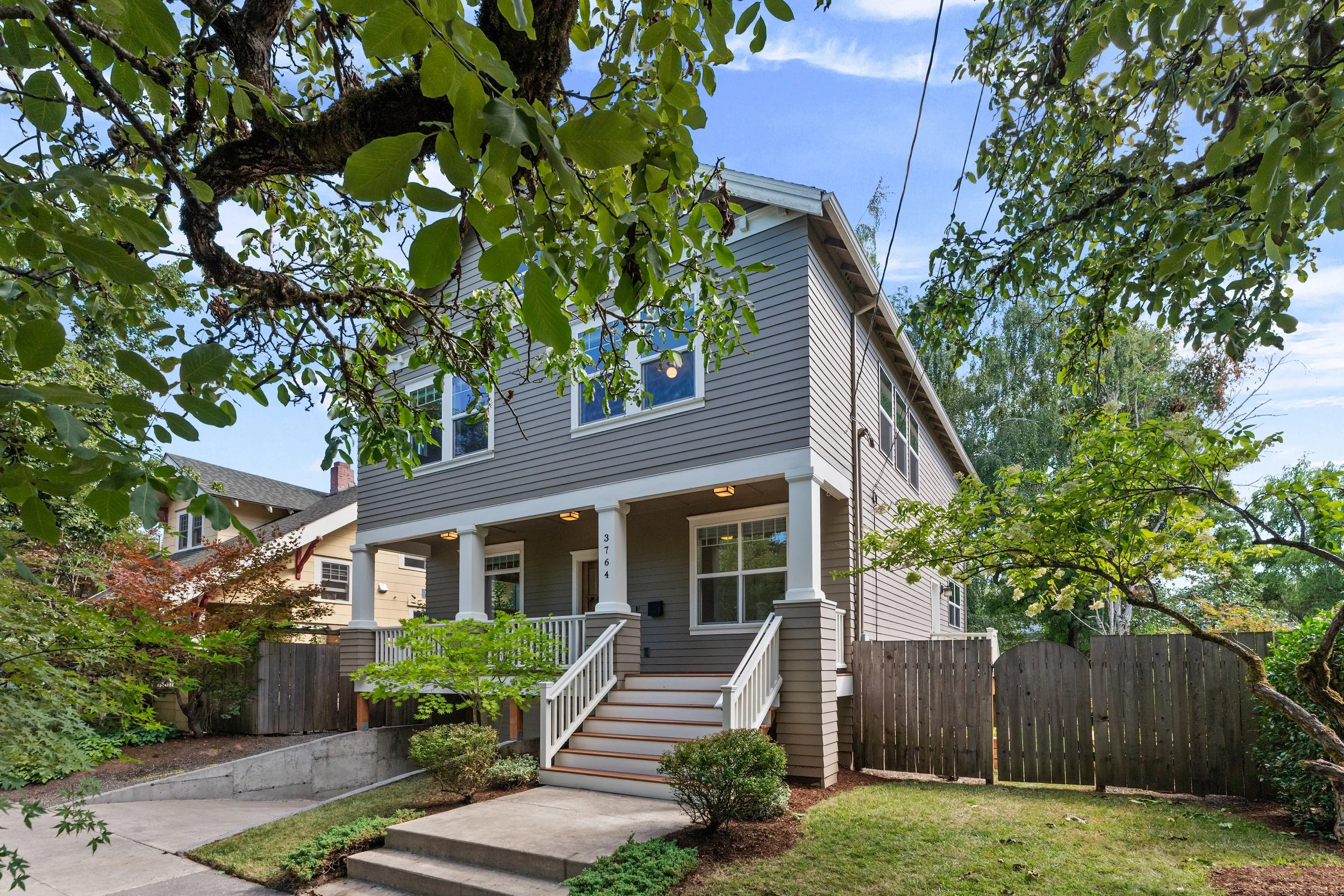
What Should You Do Before Listing Your House?
Portland Selling Guide, Denise Wolfe
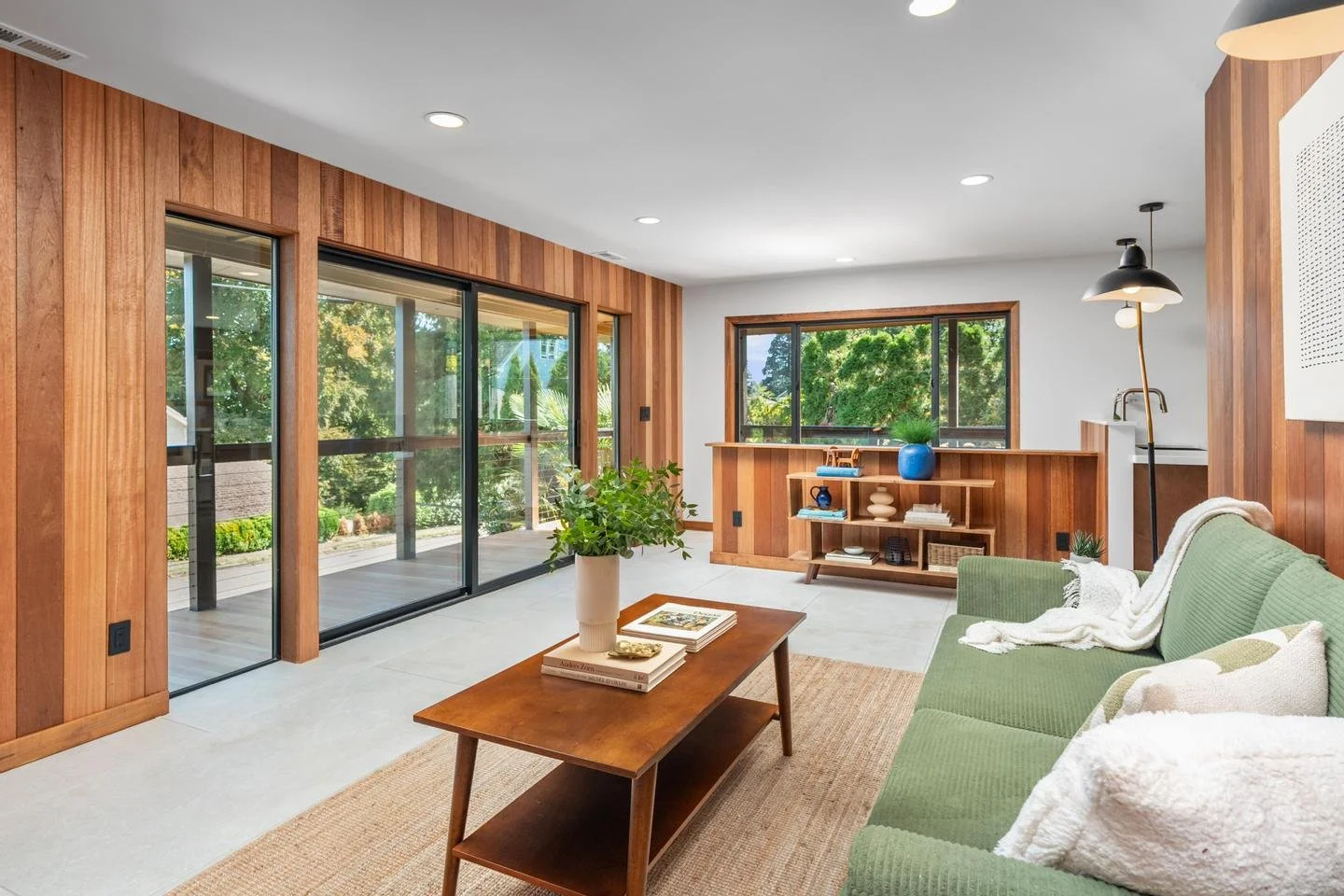
Strategic preparation doesn't mean renovating. It means focusing on what buyers actually notice.
Preparing your home for sale doesn’t mean renovating everything.
In fact, if you only do one thing, I almost always recommend staging. From there, focus on small repairs, fresh paint, updated lighting and hardware, and curb appeal.
Most of my clients don’t spend the most money.
They simply spend money in the right places.

My process starts with a walk-through and a consultation with my designer. Together, we create a list of possible improvements, estimate costs, and prioritize projects based on your goals and budget.
What Should You Actually Do Before Listing Your House?
One of the first questions I get from sellers is:
“What should we actually do before listing?” And I understand why. Once you start looking around your home, it’s easy to feel like everything needs updating.
But here’s the good news:
Most sellers don’t need a major renovation. In fact, one of the biggest mistakes I see is people spending money in places that buyers won’t value. The goal isn’t to do everything. It’s to do the right things.
My Process
When I first meet with a seller, one of the things we do is walk through the home together. Then I bring in my designer, and together we create a detailed list of potential updates. From there, I gather bids, estimate costs, and organize everything into a prioritized plan based on each client’s budget and goals. Not every seller does every project. And that’s okay. The goal is never to spend the most money. The goal is to make smart decisions and focus on the improvements that will have the biggest impact.
Start With the Small Stuff
Before we even talk about paint colors or light fixtures, I always recommend taking care of the little things. These are often inexpensive repairs, but they make a huge difference in how a home feels to buyers.
Things like:
Torn window screens
Wobbly doorknobs
Loose cabinet doors
Burned-out light bulbs
Sticky locks
Non-functioning switches
Small areas of caulking that need attention
Buyers notice when a home feels well cared for.
And while these details may seem insignificant, they quietly communicate that the home has been maintained.
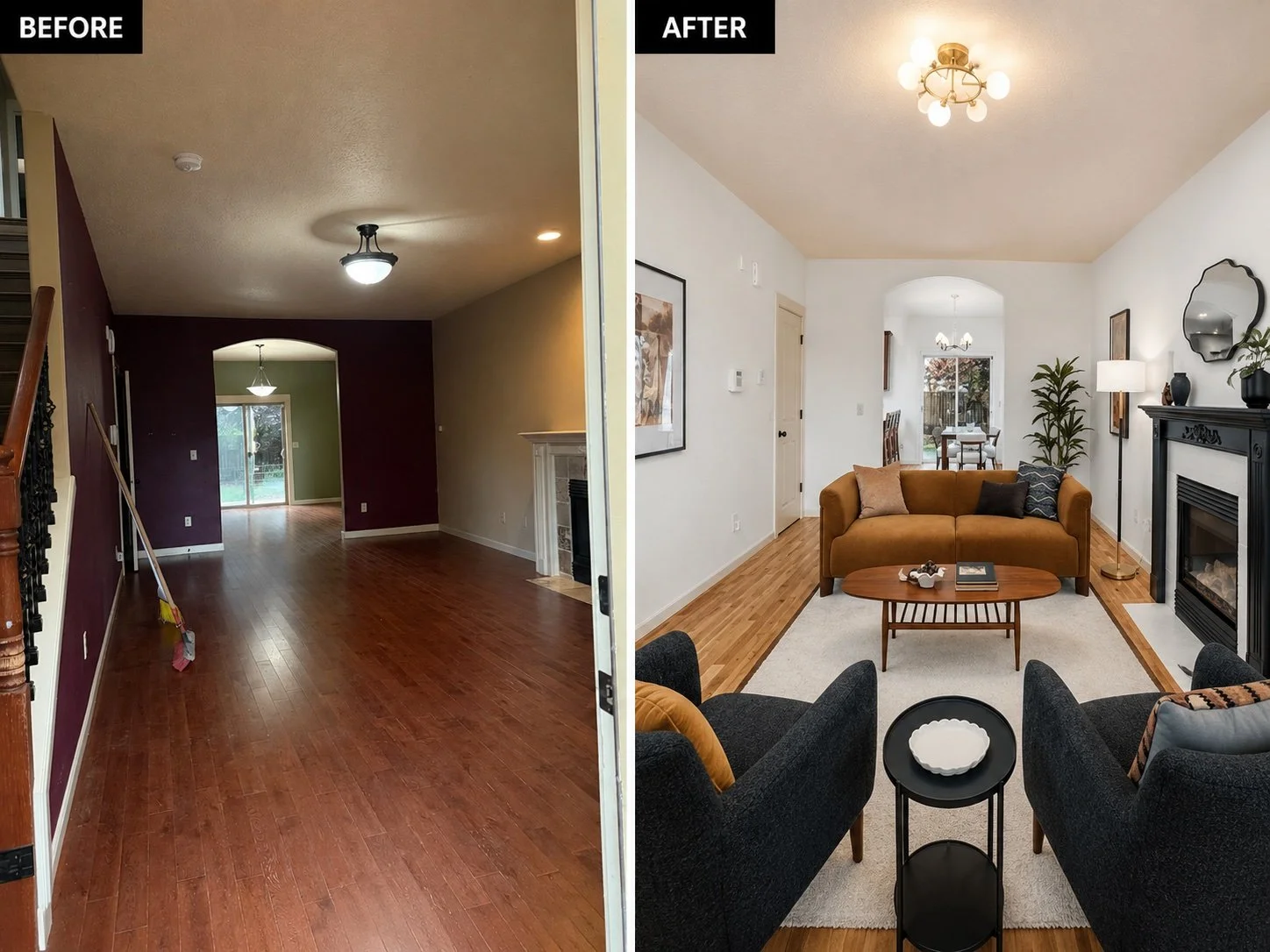
This space felt dark, and outdated. It’s hrd for buyers to understand the potential of space, and they almost always overestimate the costs of a refresh.
Fresh Paint Is Almost Always Worth It
Never underestimate what a fresh coat of paint can do. Paint is one of the highest-impact improvements you can make before listing.
Fresh paint:
Brightens a space
Creates a cohesive feel
Helps buyers see the home as move-in ready
Makes rooms photograph beautifully
And perhaps most importantly, it allows buyers to focus on the home itself rather than being distracted by outdated colors or worn walls. Time and time again, I’ve seen paint transform a home.
Lighting and Hardware: Small Changes, Big Impact
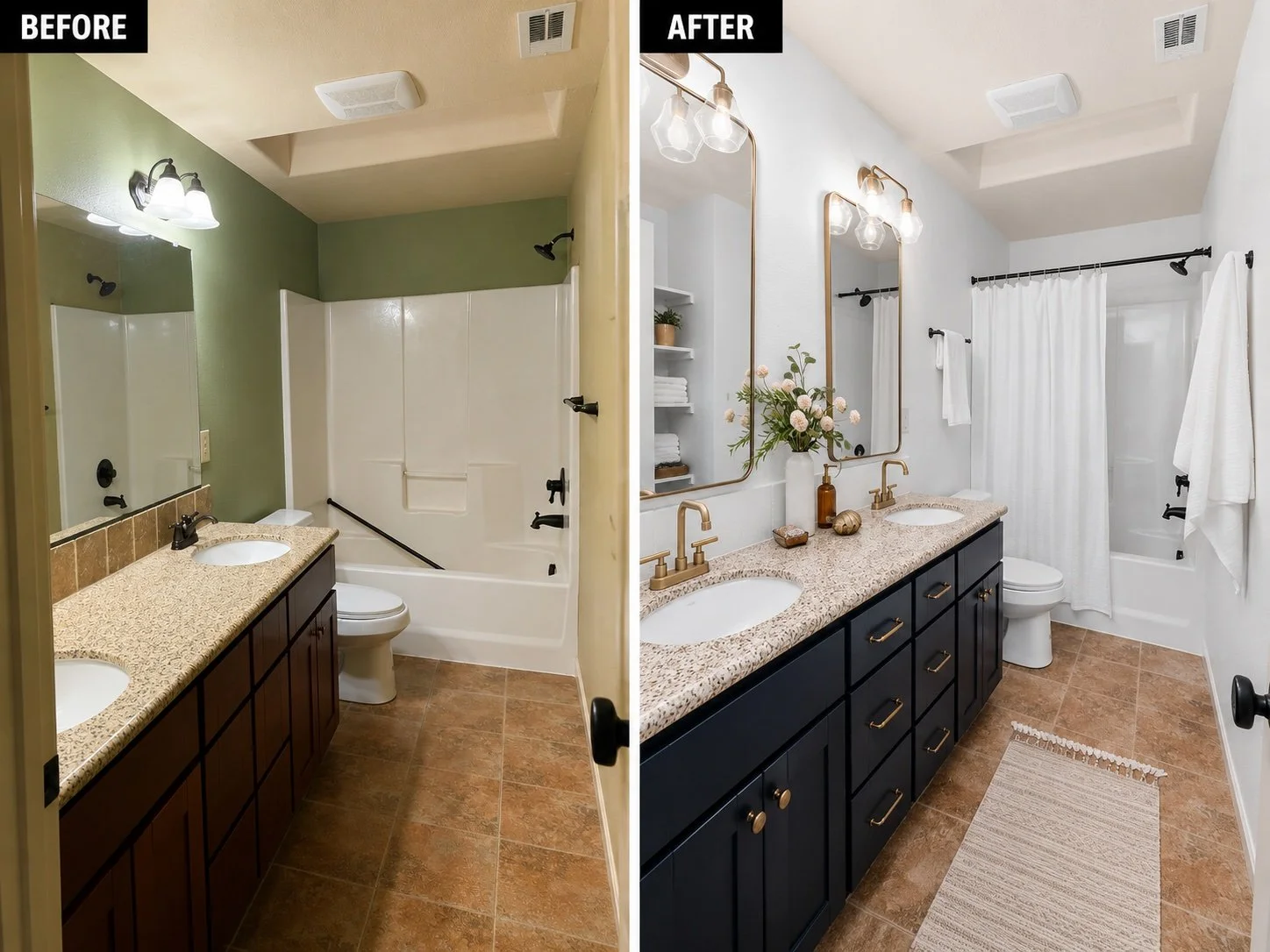
Fresh paint, updated hardware, and new fixtures were all it took to bring this bathroom in line with today’s design preferences. Sometimes it’s not about spending more. It’s knowing where t spend.
This is one of my favorite categories because the investment is relatively small, but the visual return can be tremendous.
Updating things like:
Light fixtures
Cabinet hardware
Plumbing fixtures
Door hardware
can instantly make a home feel more current and intentional. These aren’t expensive renovations. They’re simply thoughtful updates that help a home feel refreshed and aligned with today’s design aesthetic.
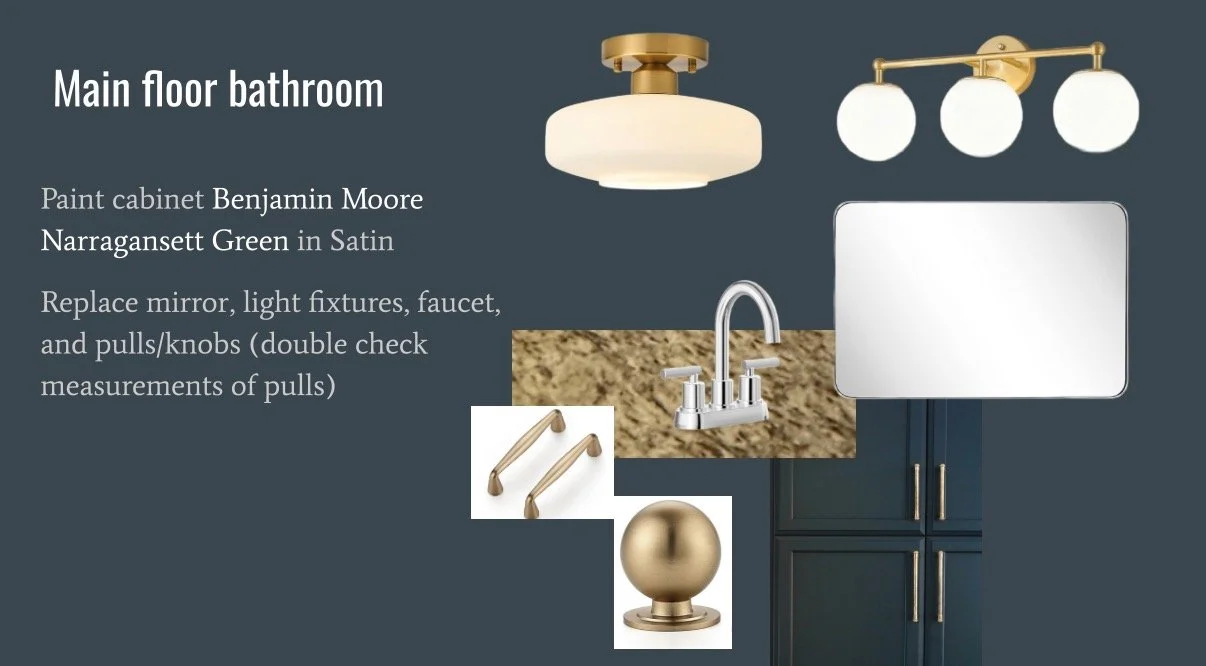
From paint colors to hardware. Everything is in the report, it will all flow and create a cohesive design.
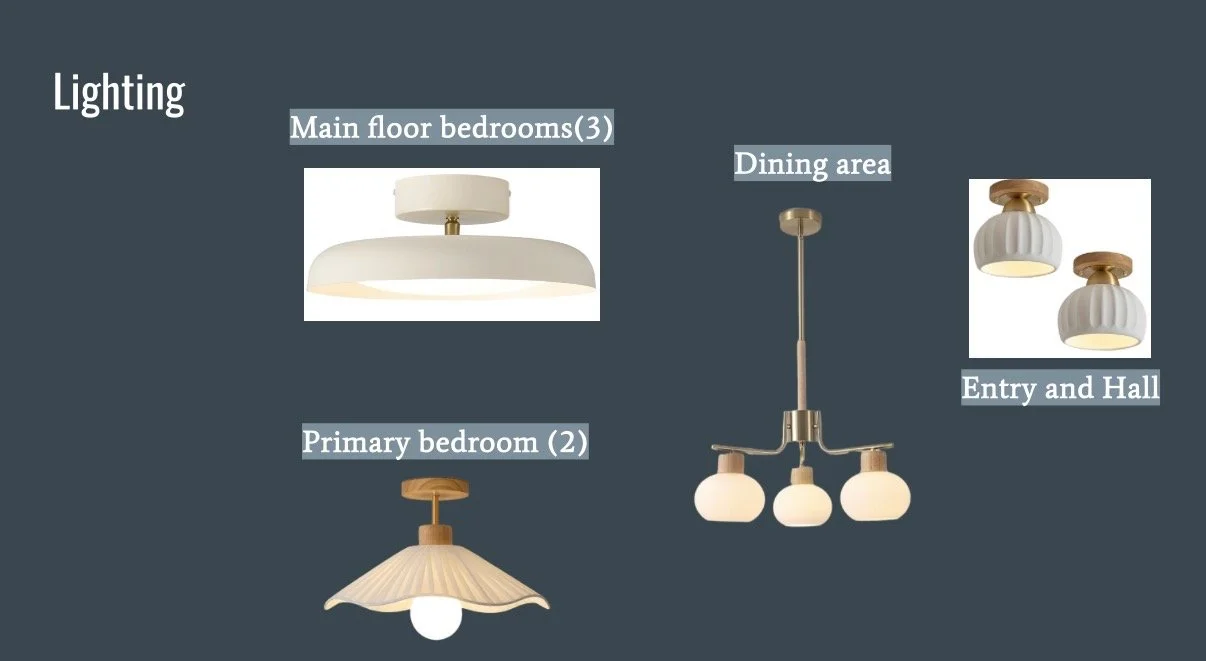
No need to guess what light fixtures will work, i provide all of the information in my design report.
Don’t Forget Curb Appeal
First impressions matter. Sometimes buyers start forming opinions before they even step inside. Fortunately, curb appeal improvements don’t always have to be expensive.
Simple updates like:
Painting the front door
Refreshing trim
Updating house numbers
Pressure washing
Adding fresh mulch
Planting seasonal flowers
can completely change the feel of a home. And landscaping, in particular, goes a long way. A well-maintained yard creates a sense of care and pride that buyers immediately respond to.
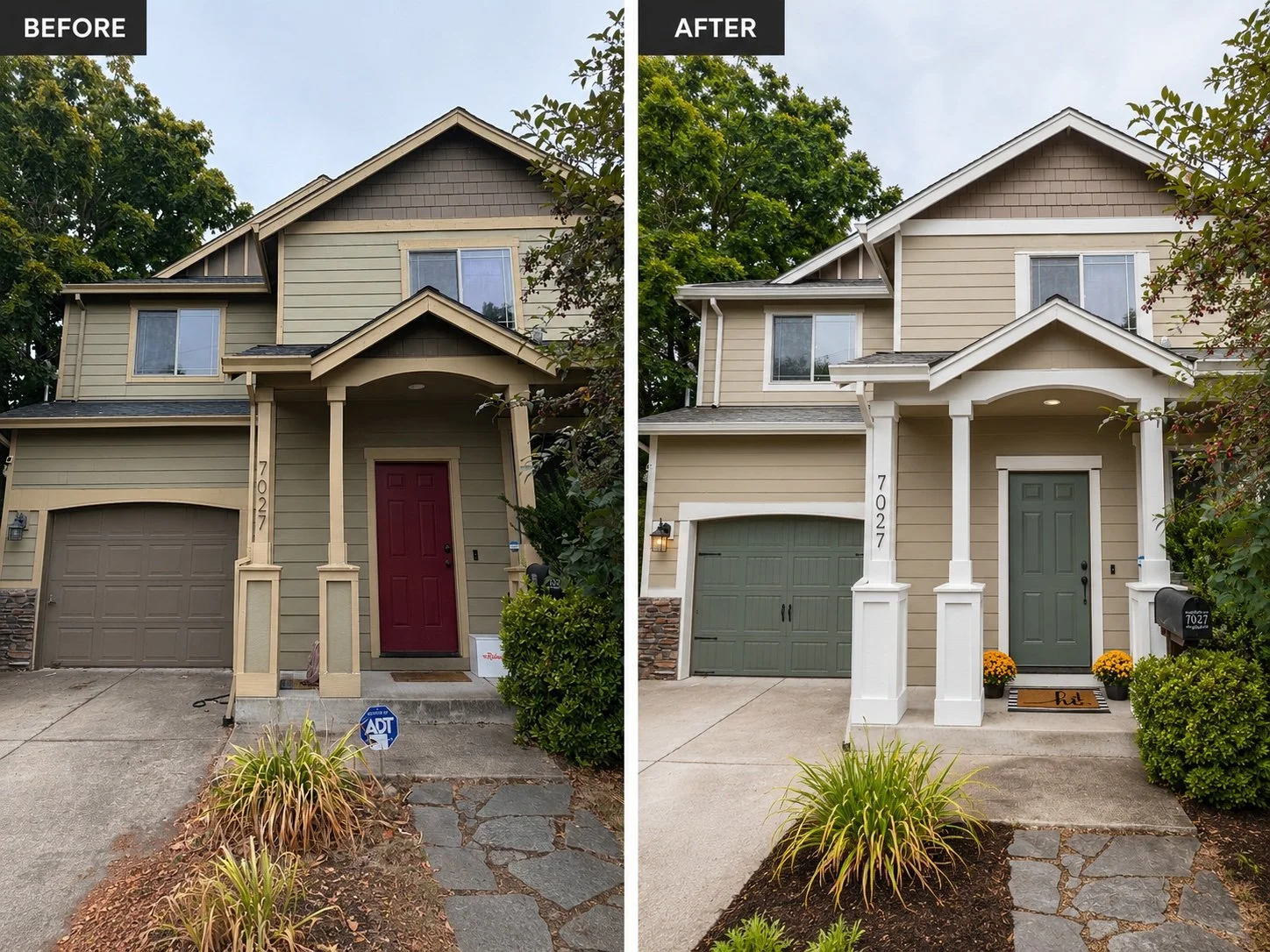
Small changes can go a long way. Refreshing trim and a door instead of a full repaint, can help stretch a budget.
What I Tell My Clients
Preparation isn’t about turning your home into something it isn’t. It’s about helping buyers see the very best version of what already exists. And that rarely means doing everything. It means making thoughtful improvements that maximize your home’s appeal and ultimately help you achieve the strongest result. That’s why I encourage sellers to start the conversation earlier than they think they need to.Whether you’re planning to move in three months or three years, we can create a roadmap and tackle projects gradually. That approach tends to be less stressful, more efficient, and ultimately far more effective.
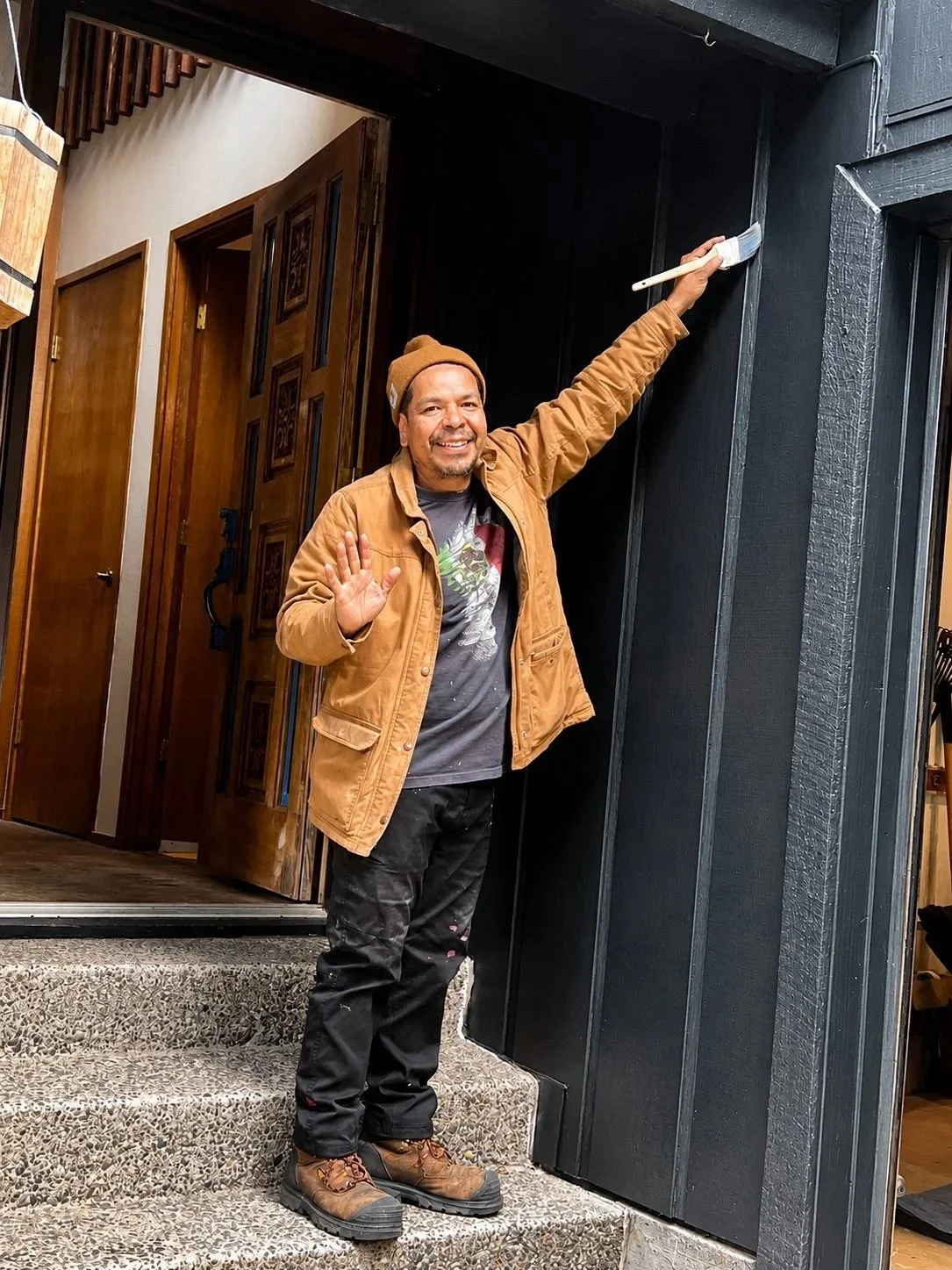
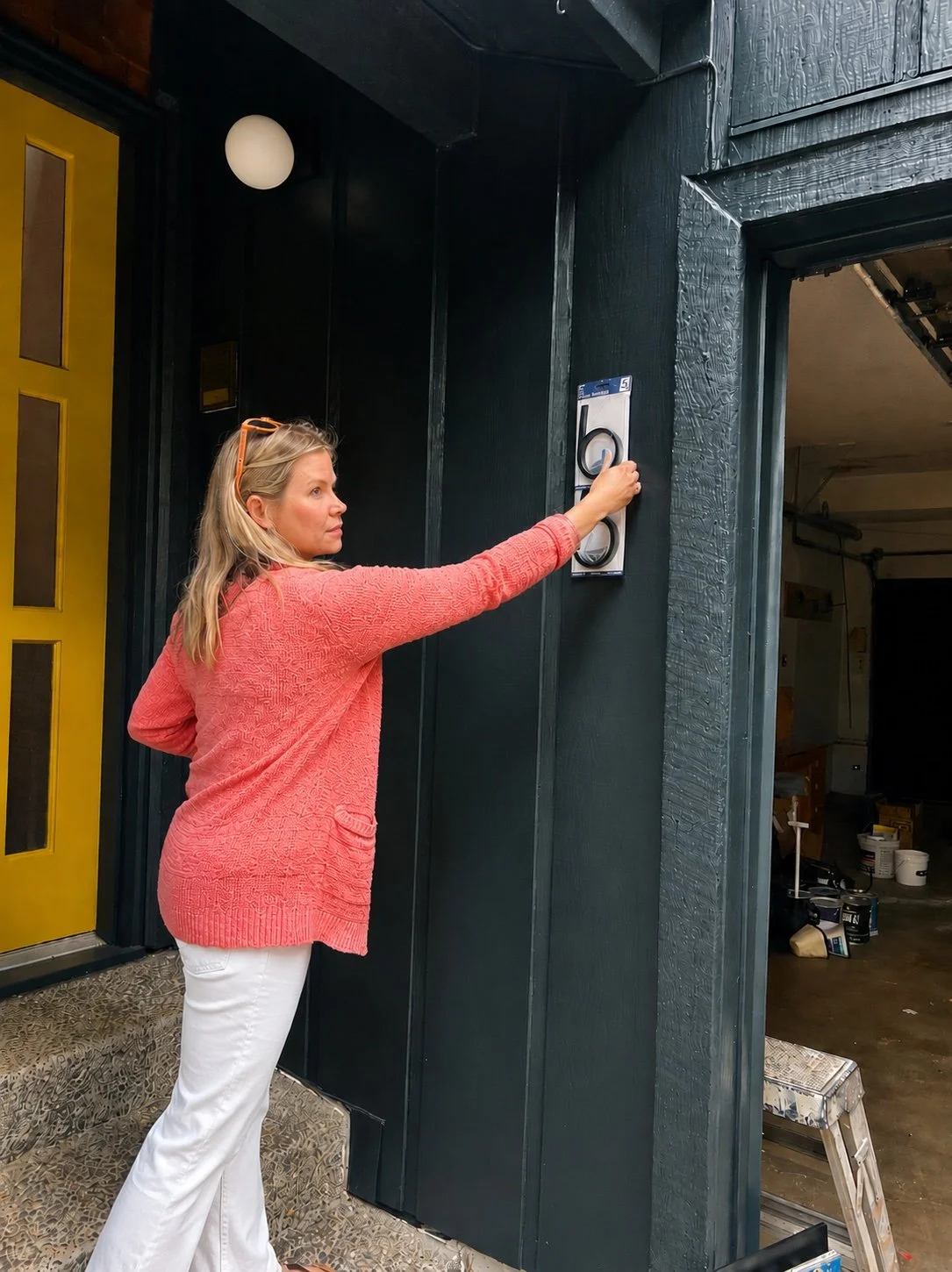
A Trusted Team Behind Every Successful Sale
Preparing a home for market is rarely a one-person job. Over the years, I’ve assembled a trusted team of stagers, designers, painters, contractors, electricians, plumbers, landscapers, and specialists who help ensure every project moves smoothly and efficiently. Together, we create a plan, coordinate the work, and keep the timeline on track so that homes spend less time in transition and more time doing what they’re supposed to do: attracting buyers. Whether you’re living in the home during the process or preparing a vacant property for market, my role is to oversee the details, manage the moving pieces, and help make what can feel overwhelming surprisingly manageable, and fast.
Because selling a home isn’t just about strategy.
It’s about execution.
And having the right team behind you can make all the difference.
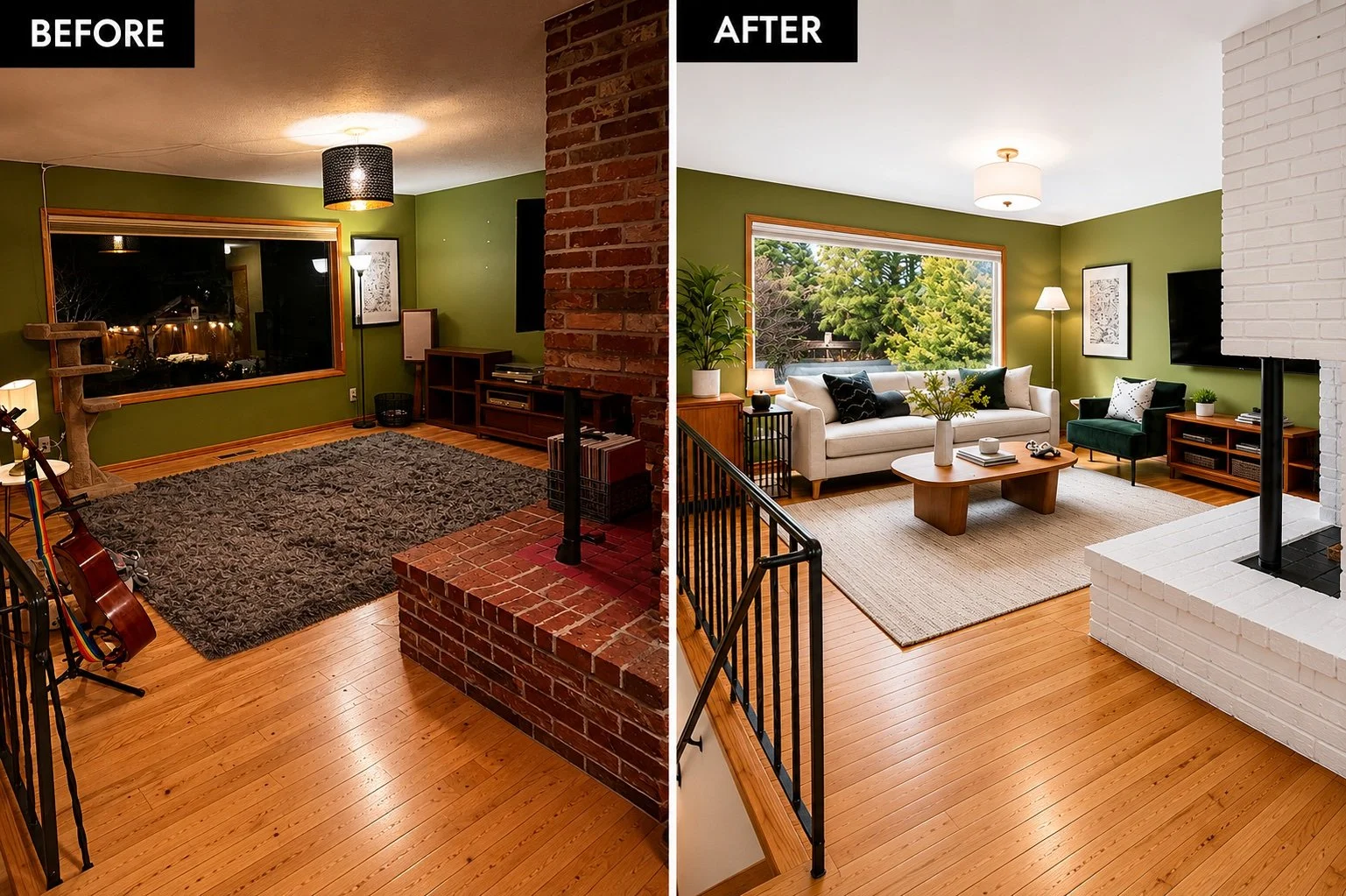
The transformation in this room was incredible, the whitewashed brick brightened the room, and became a visual centerpiece of the room.
One thing I always tell my clients is that if we make the right improvements, we’re often creating leverage before we ever hit the market.
In today’s environment, where interest rates are higher and everyday costs have increased, many buyers don’t feel like they have the extra cash or emotional bandwidth to take on major renovations after purchasing a home. They’re looking for confidence. They want to move in, settle into their new space, and enjoy it without feeling overwhelmed by additional projects and unexpected expenses. That’s why well-prepared homes tend to command such strong interest. When buyers walk through a home that feels cohesive, thoughtfully updated, and move-in ready, they’re often willing to pay a premium for that sense of certainty and ease. Because in many ways, we’re not just selling the house. We’re selling the feeling of being able to relax.
And if we can create that feeling, we’re often starting the negotiation long before the home officially hits the market.
Frequently Asked Questions
-
Most sellers don’t need a major renovation before listing. I typically recommend focusing on the improvements that buyers notice most, including staging, fresh paint, and updated lighting and hardware. The goal isn’t to do everything. It’s to make thoughtful updates that create the biggest impact.
-
Usually not. One of the biggest mistakes I see sellers make is over-improving for their price point. Many homes can be brought in line with current design preferences through strategic cosmetic updates rather than expensive renovations.
-
Almost always. Staging helps buyers understand how the space lives, creates stronger listing photos, and allows buyers to emotionally connect with the home. In many cases, staging is one of the highest-return investments a seller can make.
-
In my experience, the biggest impact usually comes from:
• Professional staging
• Fresh interior paint
• Updated lighting
• New hardware and fixtures
These relatively simple improvements often create more value than major remodeling projects.
-
Absolutely. Most of my clients don’t spend the most money. They simply spend wisely. Thoughtful preparation often matters far more than expensive renovations.
-
Depending on the scope of the project, we can prioritize only the highest-impact updates and, in some cases, work with vendors who may be willing to wait until closing to be paid through escrow. The goal is to remove obstacles, not create additional stress.
-
No. Over the years, I’ve assembled a trusted team of painters, contractors, electricians, plumbers, landscapers, and stagers who help bring our preparation plans to life. Together, we coordinate the work and keep the timeline moving so homes spend less time in transition and sellers spend less time living in a construction zone.
-
Earlier than most people think. Even if you’re planning to sell next year, we can walk through your home together and create a plan you can tackle gradually over time. Starting early allows you to spread out costs, avoid last-minute stress, and make smarter decisions.
-
With higher interest rates and rising costs, many buyers don’t feel like they have extra cash to take on major projects after closing. Buyers are increasingly willing to pay a premium for homes that feel cohesive, updated, and ready to enjoy from day one.
-
No. More money spent does not always equal a higher sale price. The key is understanding which improvements buyers will value and which projects are unlikely to provide a meaningful return.
-
Absolutely. One of the first things I do with sellers is walk through the home, identify what will actually move the needle, and create a clear plan. No pressure. Just thoughtful advice, a trusted team, and a strategy designed to help you maximize your results.
Wondering Where to Start?
If you’re wondering where to start, I’d be happy to walk through your home and help you understand what’s worth doing, what isn’t, and how to prioritize improvements based on your goals and budget.