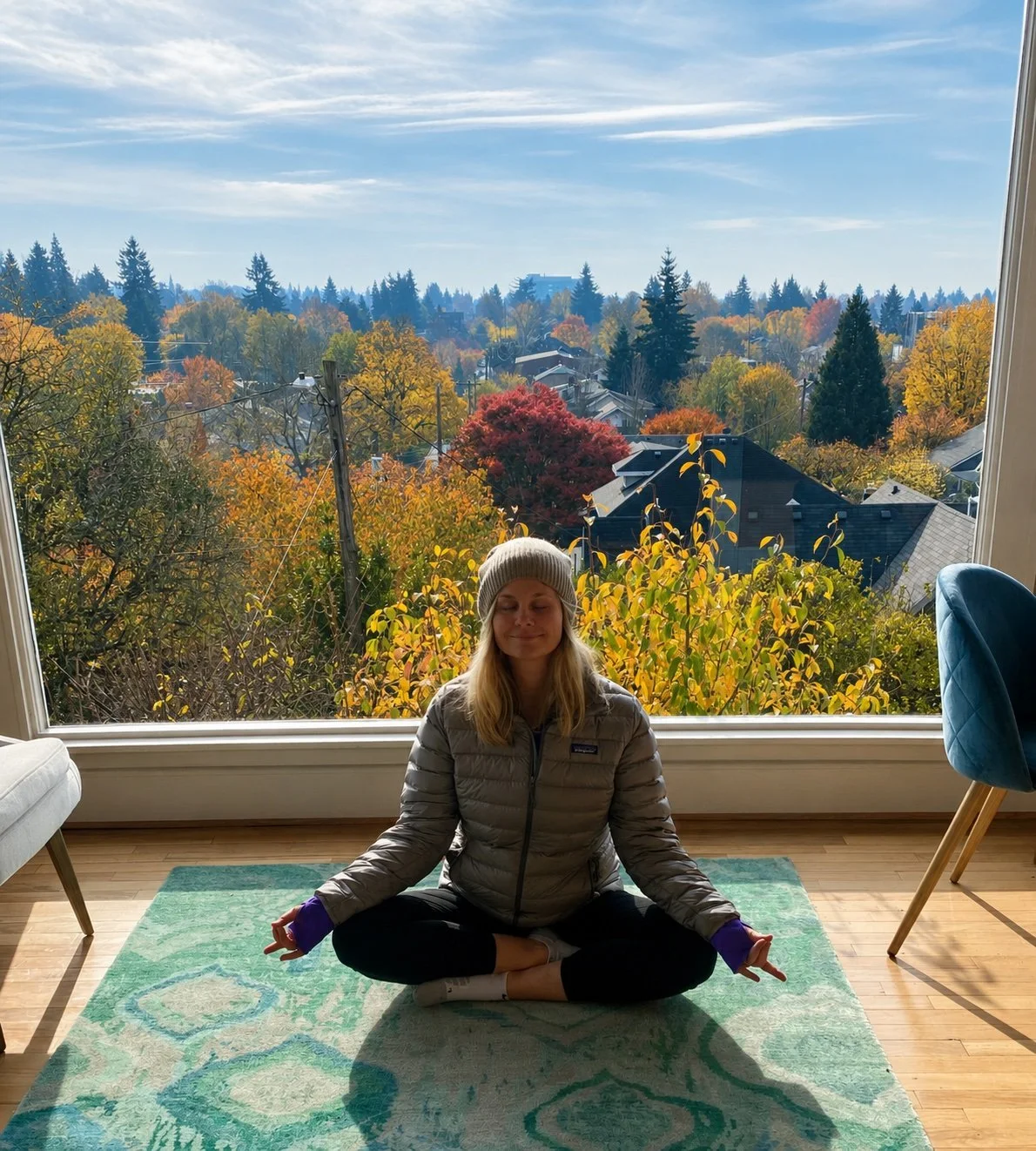
Why Does Everyone Want to Live in Alameda?
Why do so many buyers want to live in Alameda Portland? From ridge-top views and beautiful historic homes to the famous Alameda Bike Bus and strong community feel, here’s why this Northeast Portland neighborhood keeps ending up at the top of buyers’ lists.
Portland Neighborhood Guide, Denise Wolfe
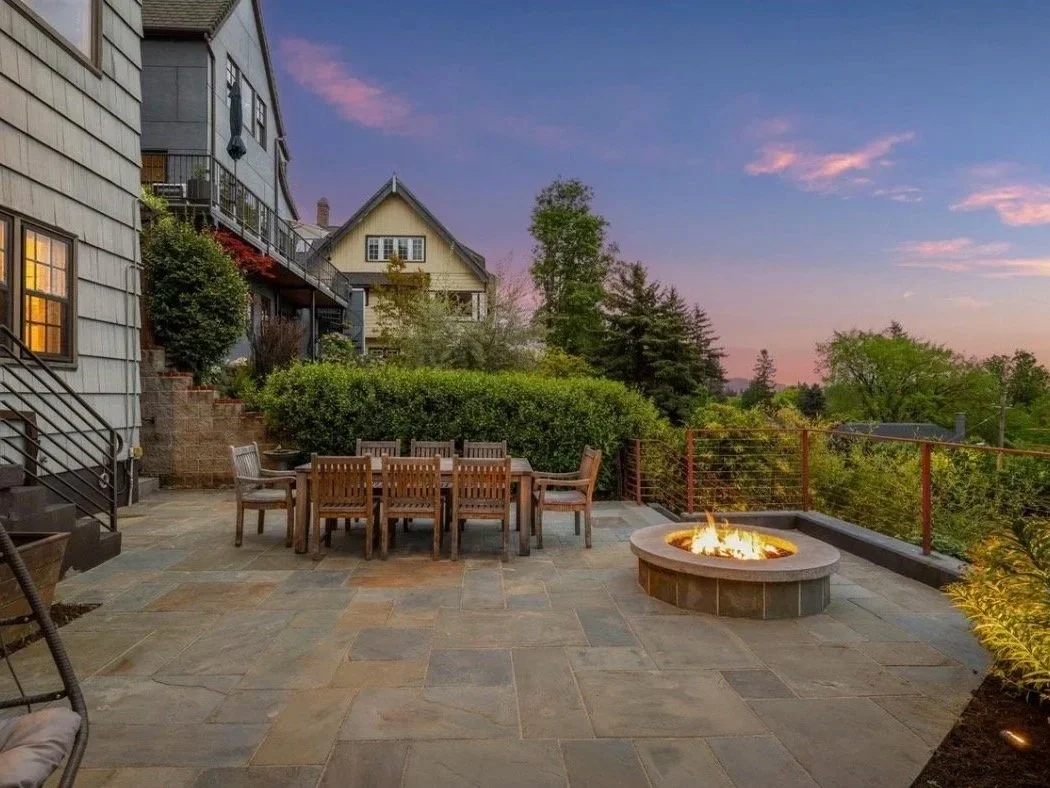
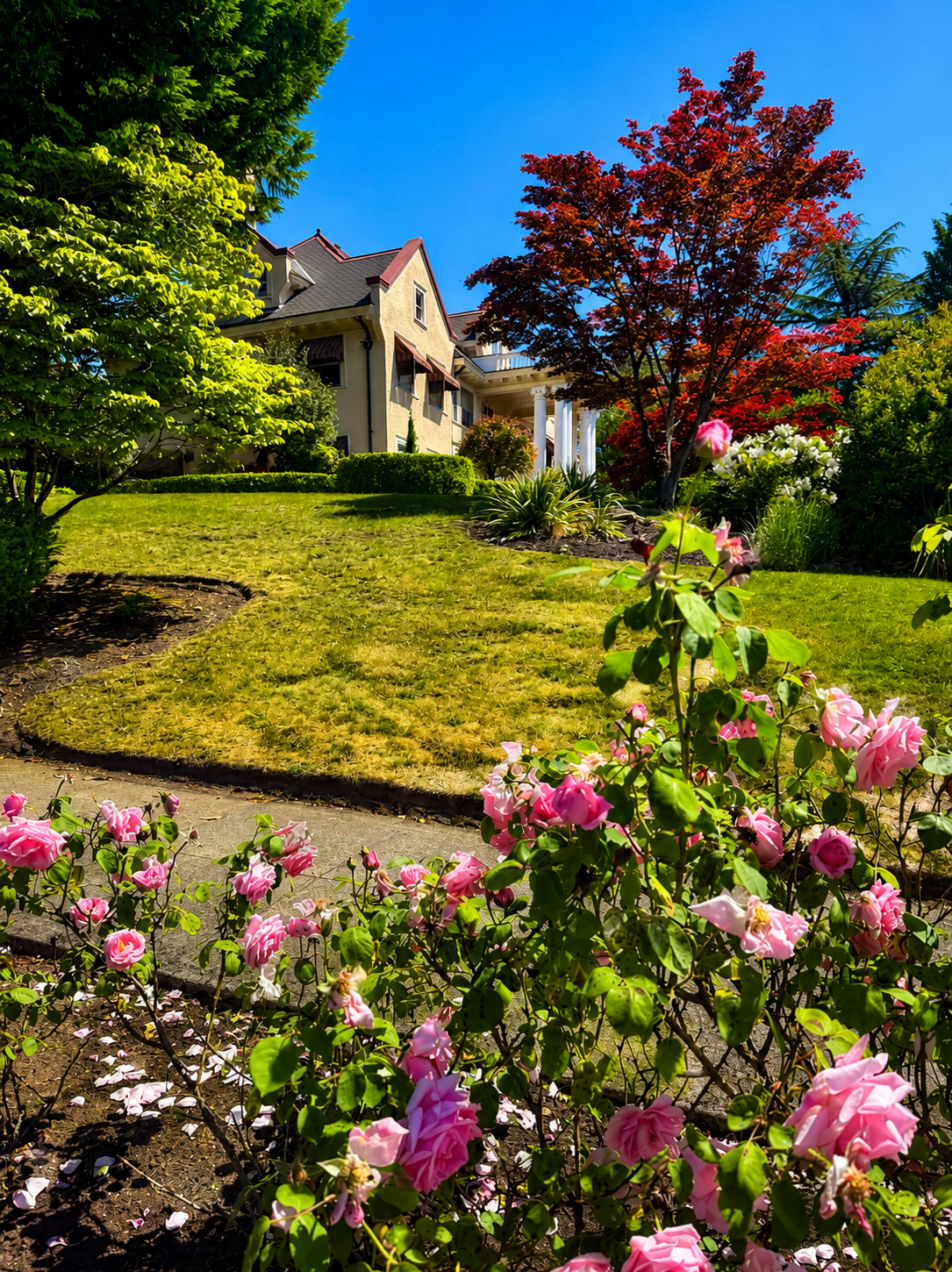
Elevated views are hidden in backyards of beautiful Alameda Ridge homes
Alameda combines stunning views, historic homes, mature tree-lined streets, and a strong sense of community. It’s one of Northeast Portland’s most desirable neighborhoods, and one that many families move into and rarely leave.

There are plenty of beautiful neighborhoods in Portland. What makes Alameda special is that it feels like a neighborhood in the truest sense of the word. Between the historic homes, tree-lined streets, and traditions like the Alameda Bike Bus, there’s a genuine sense of connection here that’s increasingly rare.
There are certain Portland neighborhoods that people ask about over and over again, and Alameda is always at the top of that list.
Even buyers who start out looking “all over Northeast” tend to slowly gravitate here. So what is it about Alameda that keeps pulling people in? This is one of the few neighborhoods in Portland where the views truly live up to the hype.
Alameda sits right along the ridge in Northeast Portland, just east of Sabin and Irvington.
It feels tucked away and quiet, but you’re still minutes from Fremont, Beaumont, and some of the best parts of NE.
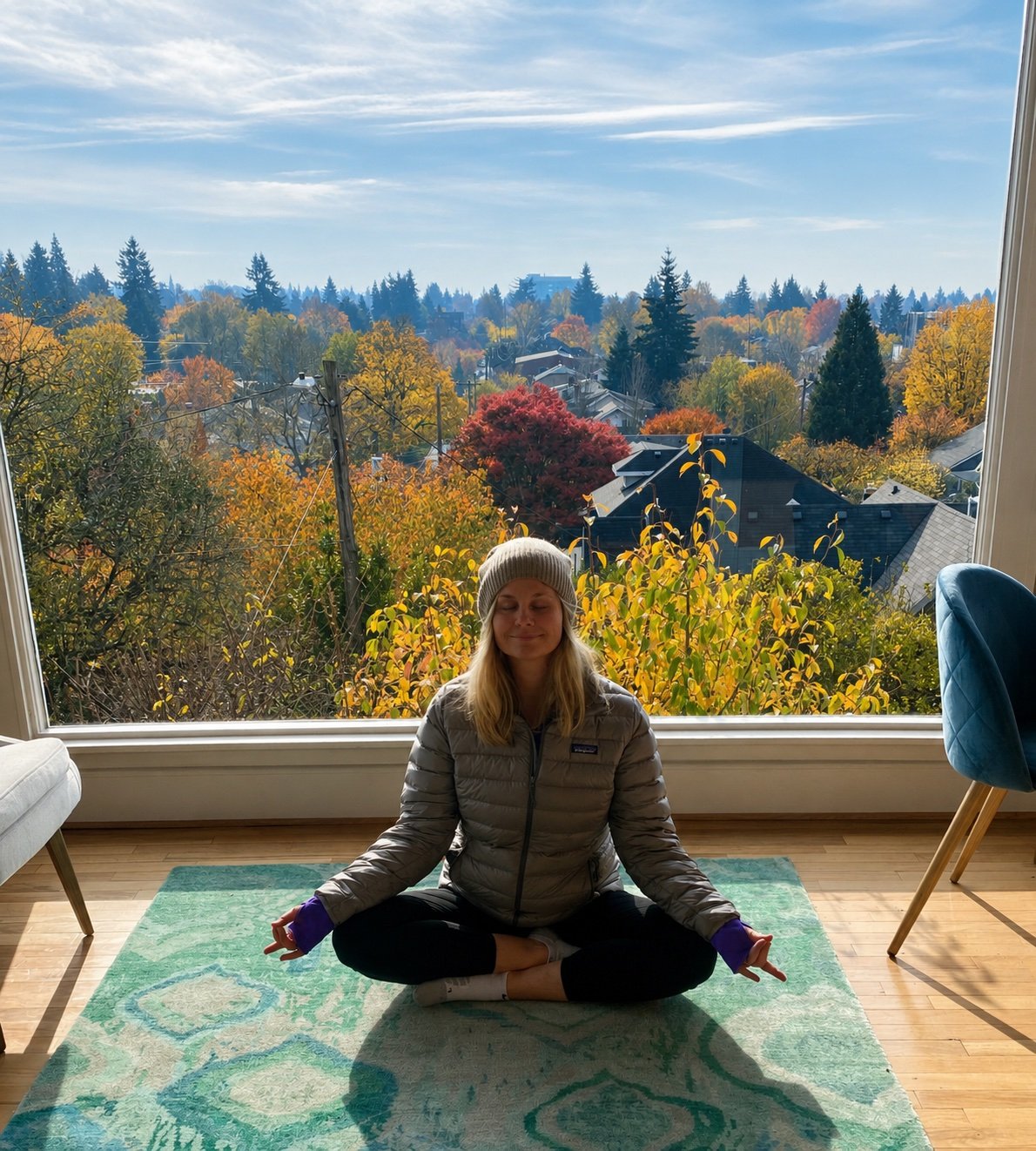
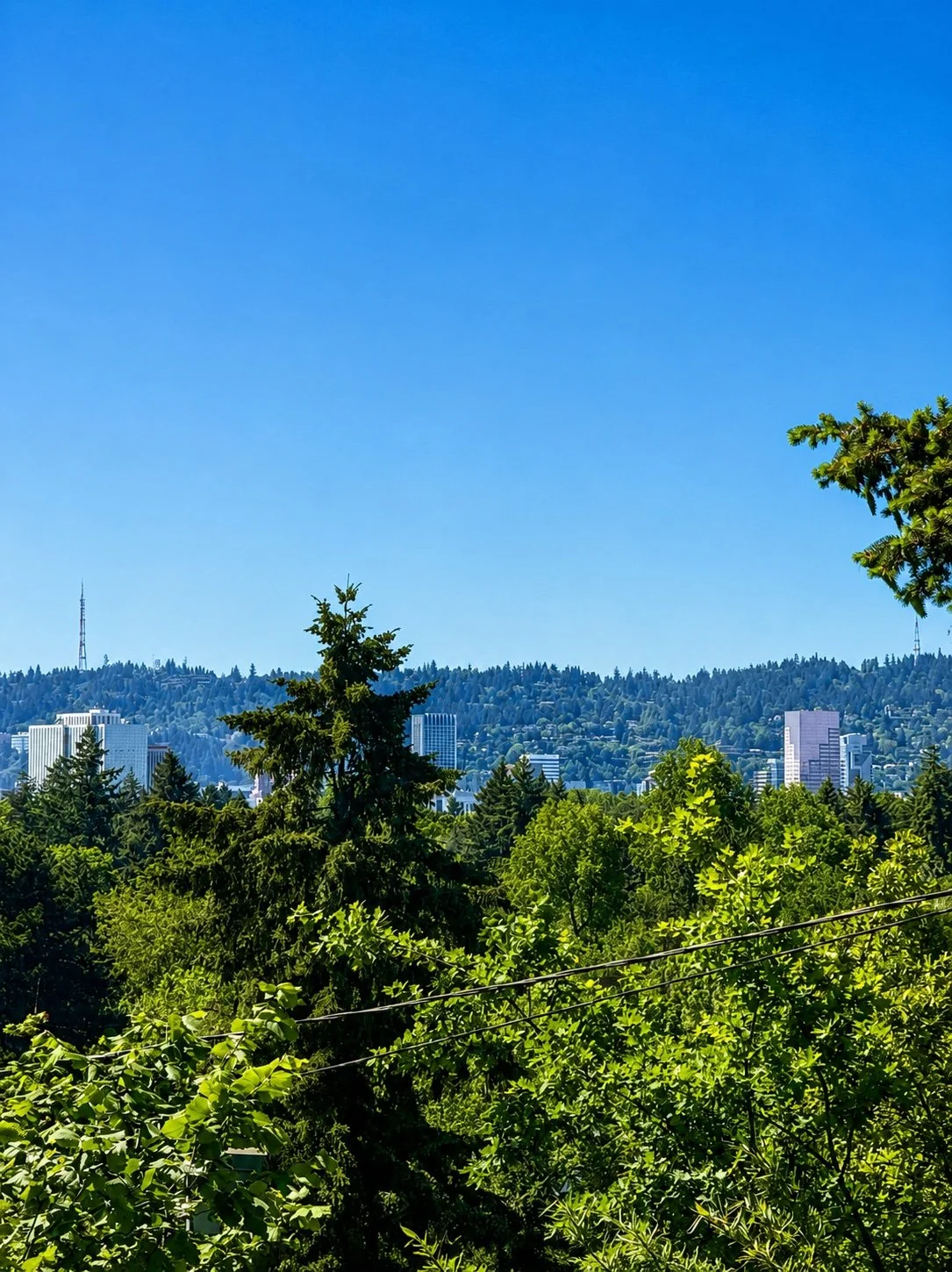
I couldn’t help myself, had to take a moment to take in the view while out previewing a home for an out-of-state client on Alameda Ridge. The views are truly breathtaking.
Because Alameda sits along the ridge, many homes have:
Mt. Hood views
City skyline views
West-facing sunsets
And not just from a tiny corner window, often from main living spaces, porches, and entire floors.
👉 This is a big reason values hold here.
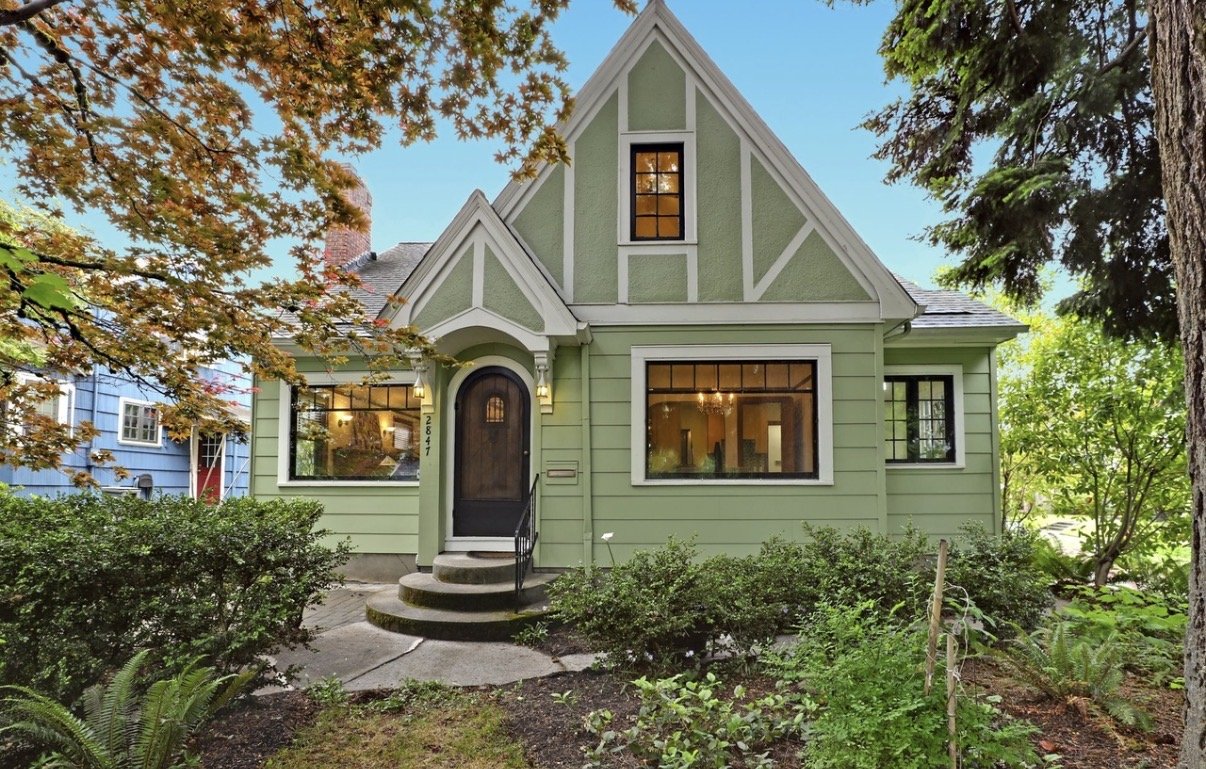
The Architecture Feels Special (Not Cookie-Cutter)
Alameda has that “wow, this feels different” factor.
You’ll see:
Tudors
Colonials
Craftsman homes with real presence
Larger lots and more space between homes
It feels elevated, but still charming.
It’s Quiet… But Not Isolated
This is one of Alameda’s biggest strengths.
It’s:
Tucked away from heavy traffic
Less dense than nearby neighborhoods
Noticeably quieter
But you’re still close to:
Fremont shops + restaurants
Beaumont Village
Quick access to the rest of NE
So you get calm without feeling disconnected.
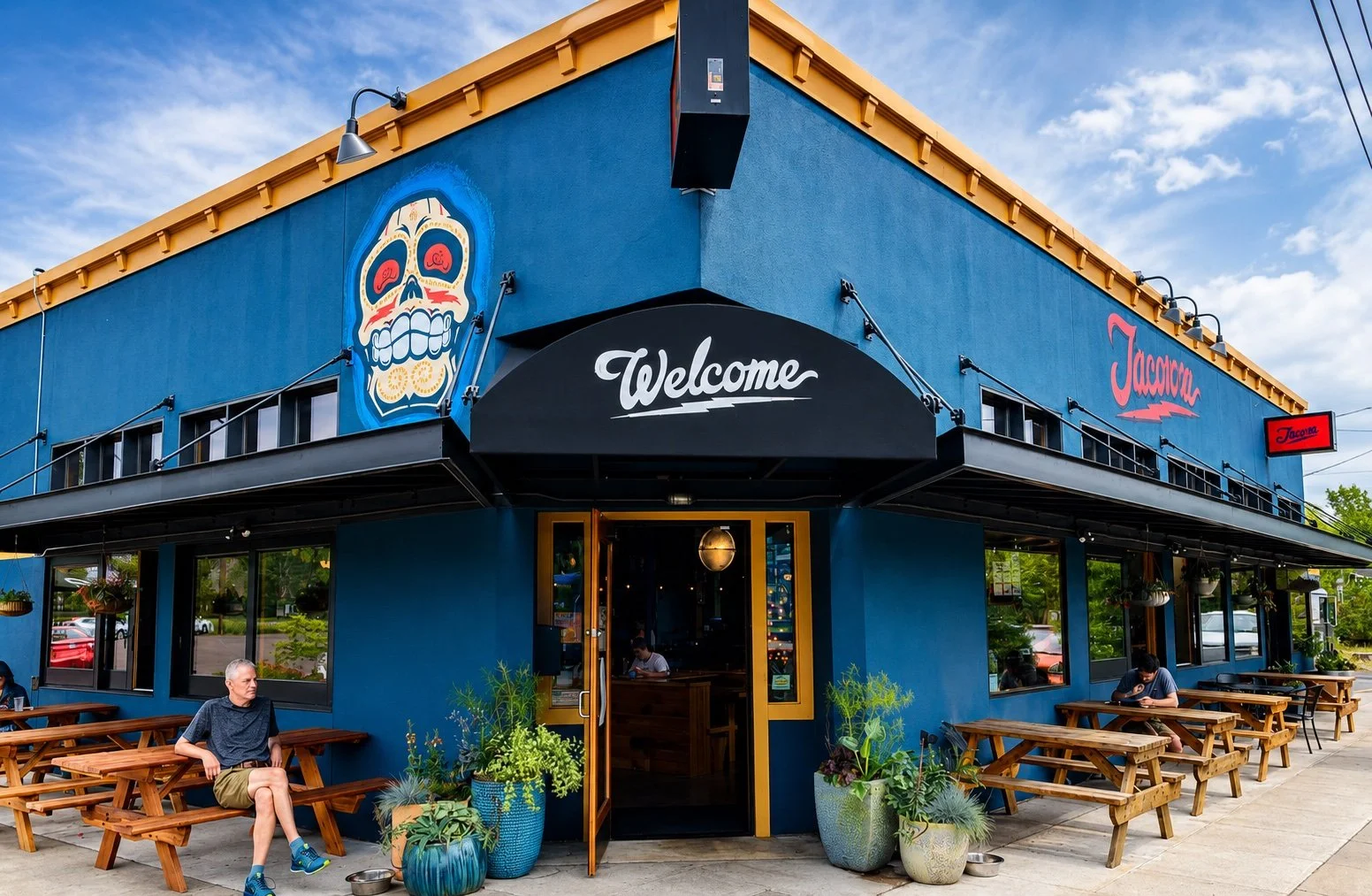
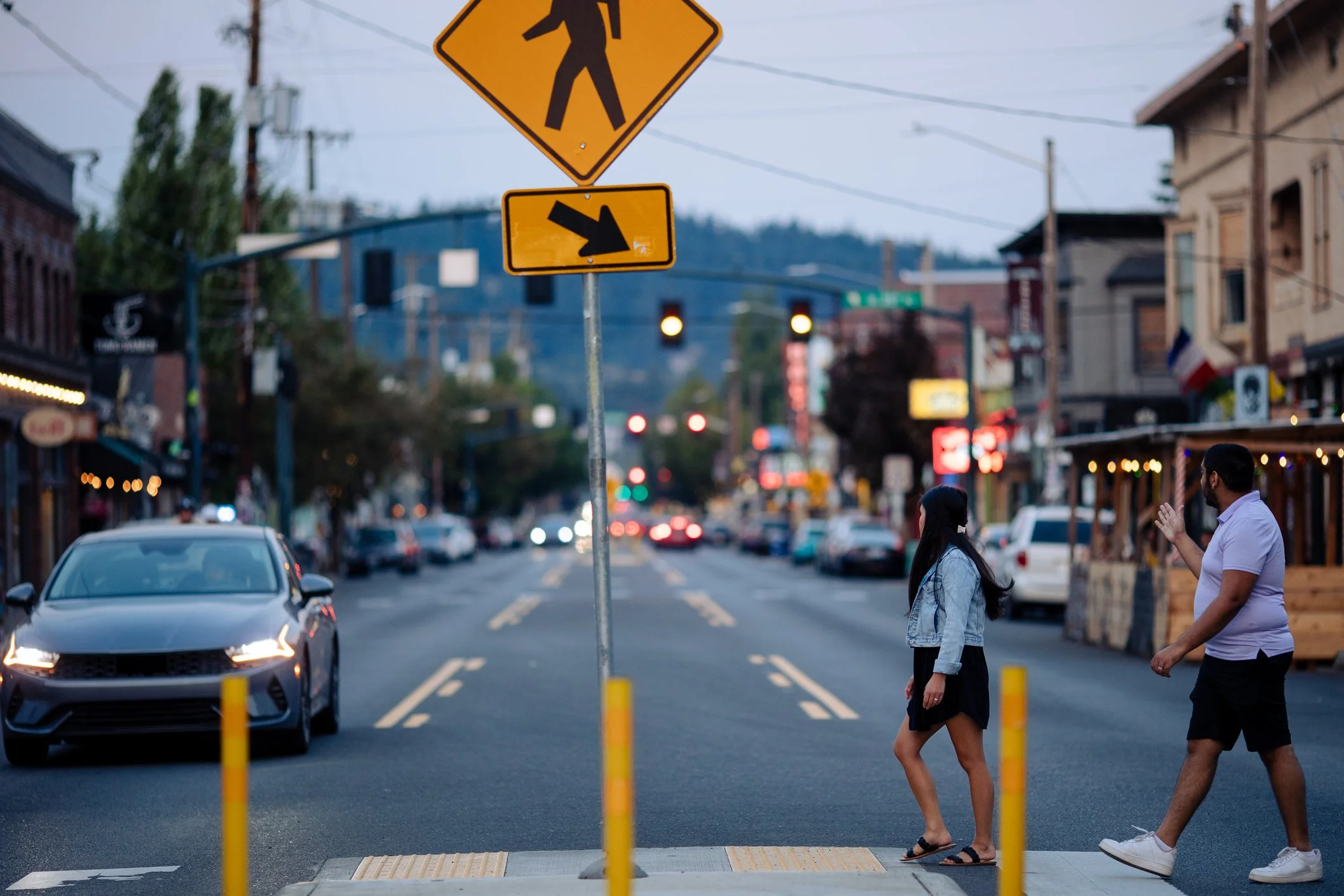
Tacovore sits right in the middle of the Alameda neighborhood, on Fremont, at a bike crossing intersection with little orange flags, for pedestrians to wave as they safely walk across the street. It’s the spot to catch up with the neighbors from Sabin, Irvington, Beaumont and of course Alameda.
It Feels “Established” in a Way Buyers Trust
There’s a psychological piece here that’s hard to quantify—but buyers feel it immediately.
Alameda has:
Mature tree canopy
Elevated Views
Consistent home quality
Pride of ownership
It feels stable. And in uncertain markets, that matters more than people realize.
The Schools + Location Combo
Without getting too deep into boundaries (because they do change), Alameda tends to attract buyers who are thinking long-term about:
Schools
Community feel
Resale value
It checks a lot of those boxes in one place.
One of the most unexpectedly cool things about Alameda isn’t something you’ll see in a listing—it’s the community energy.
At Alameda Elementary, the PE teacher helped organize what’s now known as the Alameda Bike Bus.
It’s exactly what it sounds like—a huge group of kids biking to school together along a set route—but it’s turned into something much bigger.
Dozens (sometimes more) of kids riding together
Parents and volunteers helping guide the group
A full-on neighborhood event, not just a commute
And somehow… it’s even caught national attention.
They’ve invited celebrities like Justin Timberlake, Zara Larsson, and Benson Boone to join rides, and incredibly, they’ve actually shown up.
It sounds almost unreal until you see it.
👉 But what it really says is this:
This is a neighborhood where people show up for each other.
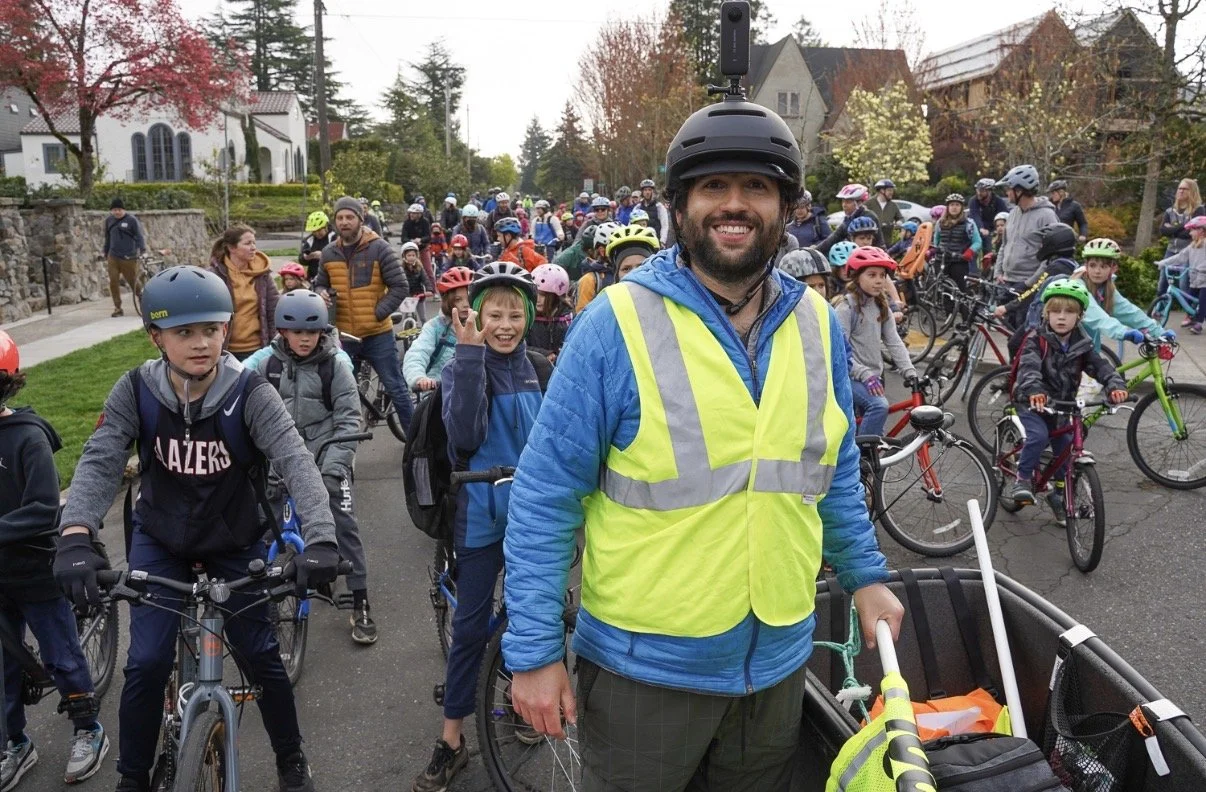
Rain or shine Coach Balto, from Alameda Elementary School, leads the Alameda Bike Bus, while blasting pop songs and singing through the streets. Kiddos just wait on the corner of their street to join in on the fun.
The Alameda Ridge Staircases: A Hidden Piece of Portland History
One of my favorite lesser-known features of Alameda is the network of public staircases that connect the ridge to the neighborhoods below.
Because Alameda sits along the Alameda Ridge, many of these stairways were built in the early days of Portland's development to help residents move between neighborhoods before cars became the primary mode of transportation. Today, they're still maintained by the city and offer a unique way to explore the area.
Many locals use them for:
Morning walks
Running workouts
Dog walks
Exploring different pockets of Northeast Portland
What I love most is that they make the neighborhood feel connected. The stairways literally stitch together Alameda, Sabin, Beaumont, Rose City Park, and the neighborhoods below the ridge.
If you're someone who enjoys walking a neighborhood rather than just driving through it, the Alameda staircases are one of those details that make this area feel uniquely Portland.
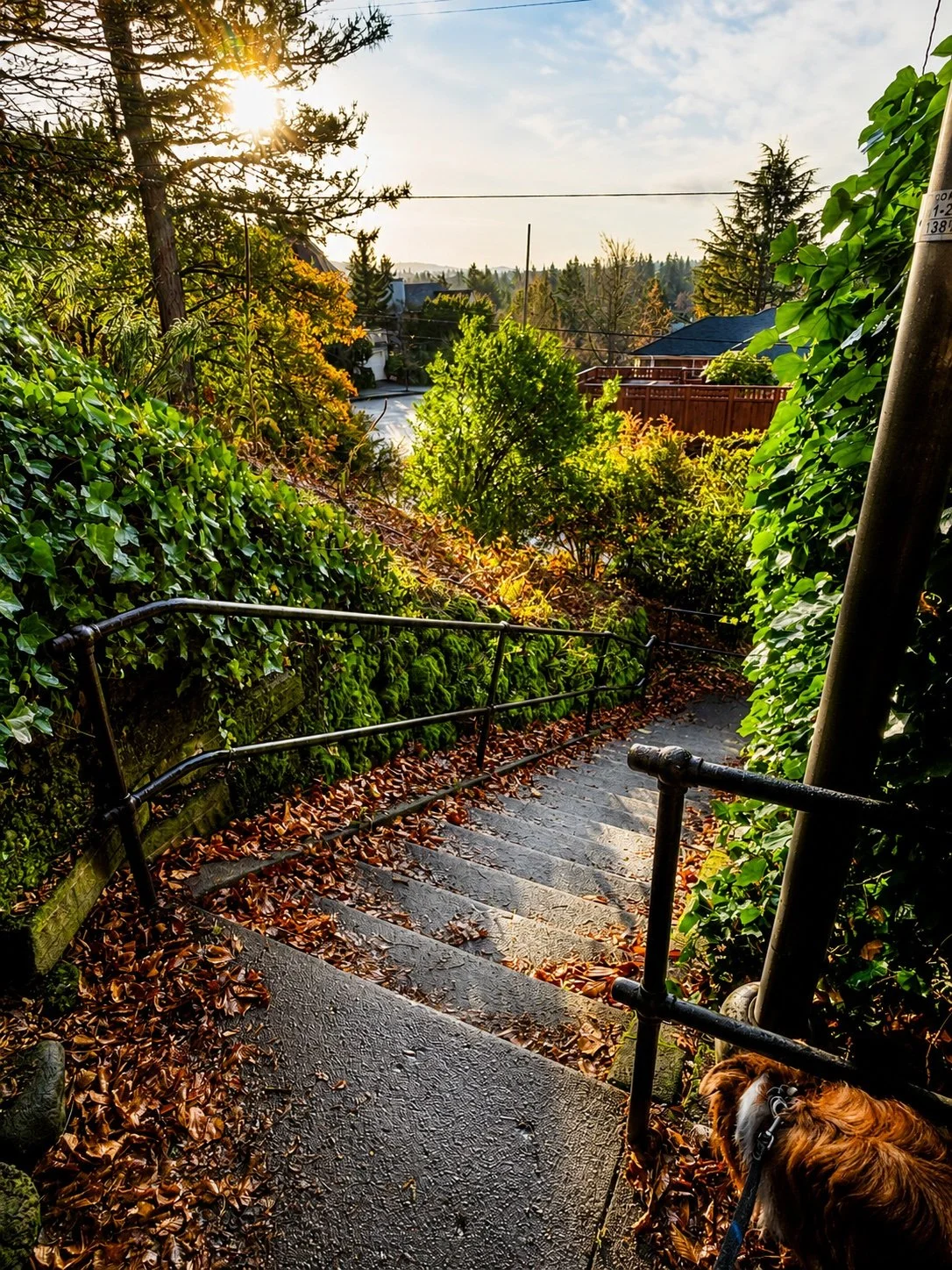
One of the many hiddenaircases in the Alameda neighborhood.
It Holds Value. Even When the Market Shifts
This is where Alameda really stands out from a strategy standpoint.
Homes here tend to:
Get strong early interest
Attract serious buyers
Hold pricing better than surrounding areas
👉 This ties directly into how you price a home here.
→ Price High vs. Price to Entice
In some cases, neighborhoods like Alameda are where pricing slightly higher can work, especially for:
Unique homes
View properties
Higher price points
The Tradeoffs (Because There Always Are)
One of the biggest realities with Alameda is the price point.
For most single-family homes, you’re typically looking at:
Around $1M+ (and often well above, depending on size and views)
Strong competition, especially for well-presented homes
And it’s not just competitive on paper, it’s competitive emotionally.
A lot of buyers targeting Alameda are:
Very intentional about being there
Willing to stretch to make it happen
Competing hard when the right house comes up
And here’s the part people don’t always talk about:
Once families get into Alameda… they tend to stay.
So inventory can feel tight, and when a great house hits the market, it gets a lot of attention quickly.
One thing I talk about with Alameda buyers all the time is timing.
Because homes here don’t come on the market every day, many homeowners worry they’ll miss the right house while waiting to sell their current one. The good news? There are often more options than people realize.
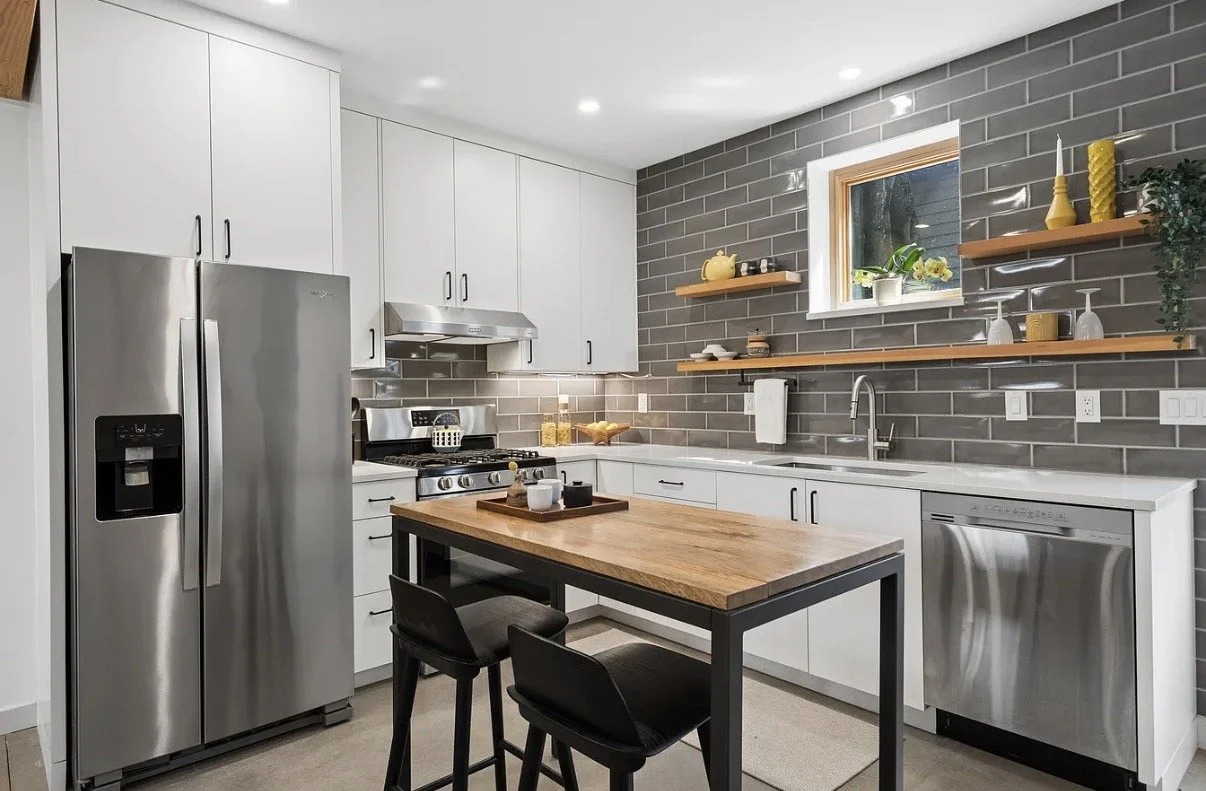

If Alameda feels like your dream neighborhood, but you’re wondering if there’s a similar option nearby, don’t overlook Sabin.
It’s one of the neighborhoods I frequently recommend to buyers who love Northeast Portland’s character, community, and sunshiney elevated streets.
And if you’re looking for shade from a 100 year old treecanopy, be sure to check out:
And if you’re strategizing on how to move into one of these neighborhoods, and they are slightly out of reach, a busy street might be a good start for you.
→ Pros and Cons of Buying on a busy Street in Portland
Frequently Asked Questions About Alameda Portland
-
Many buyers consider Alameda one of the most desirable neighborhoods in Northeast Portland. It's known for beautiful historic homes, mature trees, strong community involvement, and its location along the Alameda Ridge, which provides views that are hard to find elsewhere in the city.
-
Alameda is known for its historic architecture, ridge-top views, tree-lined streets, and strong neighborhood identity. It's also home to the Alameda Bike Bus, a community-driven school biking program that has gained national attention.
-
Yes, although it's a different kind of walkability than neighborhoods like Alberta or Hawthorne. Alameda is highly walkable for neighborhood strolls, dog walks, and access to nearby areas like Fremont and Beaumont Village, but it has a quieter, more residential feel.
-
You'll find a mix of Tudor, Colonial Revival, Craftsman, and other historic homes, many built in the 1920s and 1930s. Larger lots, architectural character, and well-maintained properties are part of what makes the neighborhood so sought after.
-
Yes. Because Alameda sits on the Alameda Ridge, many homes enjoy views of Mt. Hood, the Portland skyline, sunsets, or the surrounding hills. Even some of the public staircases and walking routes offer beautiful vantage points.
-
One of Alameda's hidden gems is its network of public staircases connecting the ridge to the neighborhoods below. They're popular for walking, running, dog walks, and exploring different parts of Northeast Portland while taking in the neighborhood's unique topography.
-
Alameda's popularity comes from a combination of factors: location, views, architecture, community feel, and limited inventory. Homes don't come on the market frequently because many residents stay for years once they've settled into the neighborhood.
-
Many buyers are attracted to Alameda because of its strong sense of community, neighborhood events, parks, and proximity to schools. The Alameda Bike Bus is one example of the neighborhood culture that many families appreciate.
-
Both neighborhoods offer beautiful historic homes and mature trees. Irvington tends to have larger historic estates and a more formal feel, while Alameda often feels a little quieter, more residential, and benefits from its ridge-top location and views.
-
Alameda and Sabin are neighboring communities that often appeal to similar buyers. Alameda generally has a higher price point and larger historic homes, while Sabin offers a slightly more eclectic, close-in feel with easier access to some commercial corridors.
-
For many buyers, the combination of views, architecture, community, and long-term desirability makes Alameda worth the premium. Whether it's the right fit depends on your lifestyle, priorities, and budget.
Moving to Portland: How to Choose the Right Neighborhood
Moving to Portland? This guide breaks down how to choose the right neighborhood—from micro-markets to lifestyle fit—so you can narrow down where you actually want to live.
Moving to Portland isn’t just about choosing a quadrant—it’s about understanding how the city actually works.
Two homes just a few blocks apart can feel completely different depending on walkability, street activity, access to other parts of the city, and how you live day to day.
That’s where most people get stuck.
This page is designed to give you a clear starting point—so instead of trying to take in everything at once, you can begin to narrow in on the neighborhoods, streets, and pockets that actually fit how you want to live.
If you’re trying to figure out where to start, here’s the simplest way to think about it:
Portland is a city of micro-markets, and the “right” neighborhood comes down to how you want to live—this guide will help you narrow it down and know where to focus.
👉 Start exploring the neighborhoods below
If you’re Completely new to the buying process:
Start here → Where to Start When Buying a Home in Portland (And What to Expect Along the Way)
How to choose the right neighborhood in Portland
The best neighborhood in Portland depends on how you want to live day to day—but both inner Northeast and Southeast offer highly walkable, livable neighborhoods.
Inner Northeast Portland tends to feel more uniform in areas like Irvington, where historic districts create a consistent architectural look and quieter residential streets. It’s also generally easier to access other parts of the city, with quicker routes to multiple freeways and 99E.
Inner Southeast Portland is just as walkable, but often feels more varied—mixing historic homes with a slightly more eclectic, vibrant, street-by-street character. Getting to main highways can take a bit longer depending on the area, since you’re often driving through neighborhood streets first.
Areas like Mount Tabor offer more space, elevation, and a quieter residential feel with direct access to the park
The key is understanding Portland as a city of micro-markets, where even a few blocks can significantly change how a neighborhood feels.
Start here if you’re relocating
Moving from Seattle → Moving From Seattle to Portland
Moving from California →Moving to Portland from the Bay Area
In healthcare → Moving to Portland for Healthcare Professionals
Start here if you’re exploring neighborhoods
Sabin →Sabin Neighborhood Guide
Irvington → Irvington Neighborhood Guide
Alameda → Alameda Neighborhood Guide
Mount Tabor →Pros and Cons of Mount Tabor
Southeast neighborhoods → Three Southeast neighborhoods I Love
Looking for a View → Portland View Homes
Looking for an ADU → The Portland Metro ADU + Rental Guide: What Buyers Need to Know
Things people don’t think about (but should)
Busy streets → Busy Streets in Northeast and Southeast Portland
How homes are priced (and what it means for you) →Pricing High or pricing to Entice
If you want help narrowing this down based on your lifestyle and budget, I’m always happy to help.