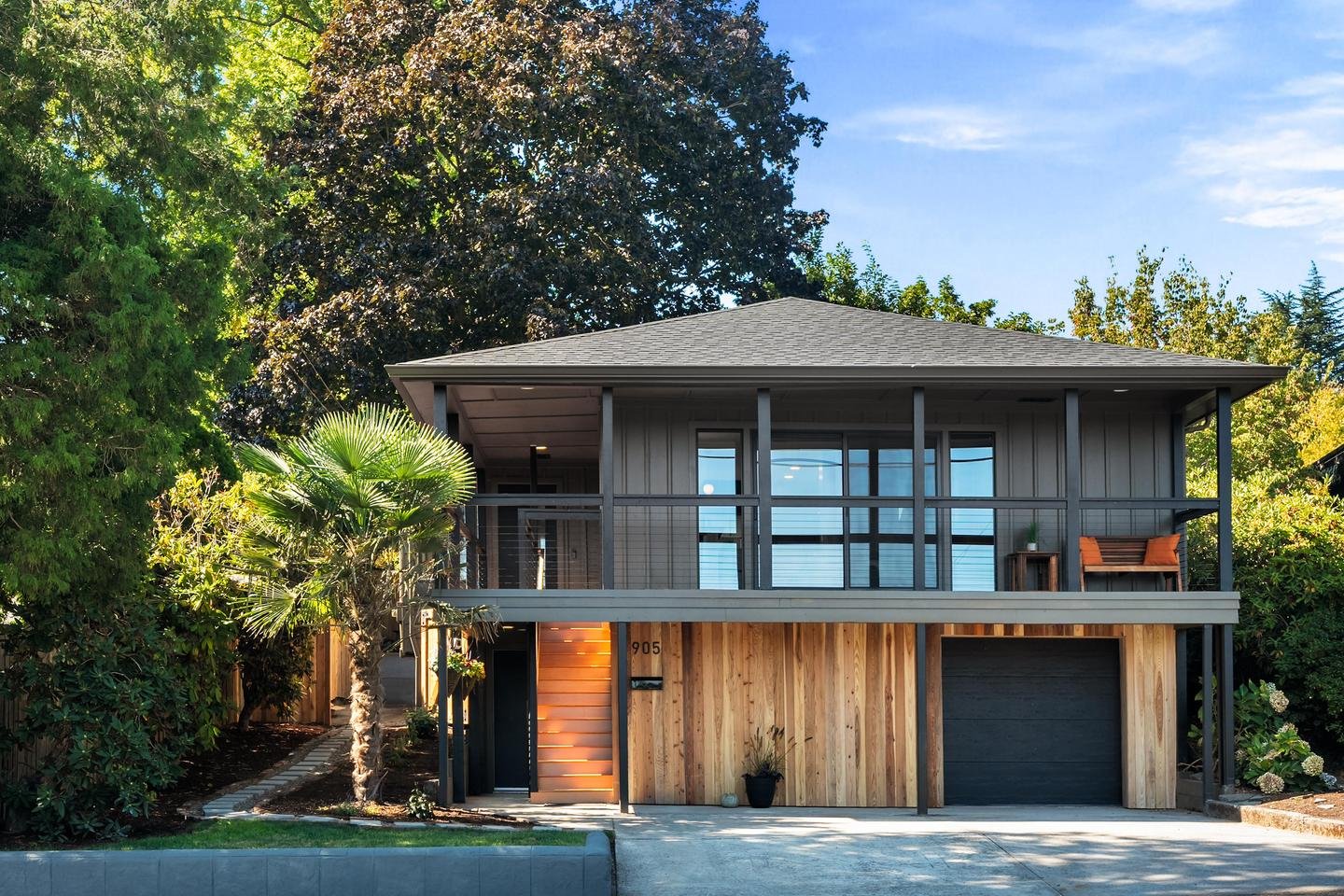
What Should You Do Before Listing Your House?
One of the first questions I hear from sellers is:
“What should we actually do before listing?”
And once you start looking around your home, it’s easy to feel like everything needs updating.
The truth is, most sellers don’t need a major renovation. In fact, some of the highest-impact improvements are also the simplest.
From staging and fresh paint to lighting and hardware, here’s how I help Portland sellers focus on the updates that matter most, avoid unnecessary projects, and create a plan that maximizes value without creating overwhelm.
Because the goal isn’t to renovate your home.
It’s to make the right improvements, coordinate them efficiently, and create the kind of confidence that makes buyers willing to pay top dollar.
Portland Selling Guide, Denise Wolfe
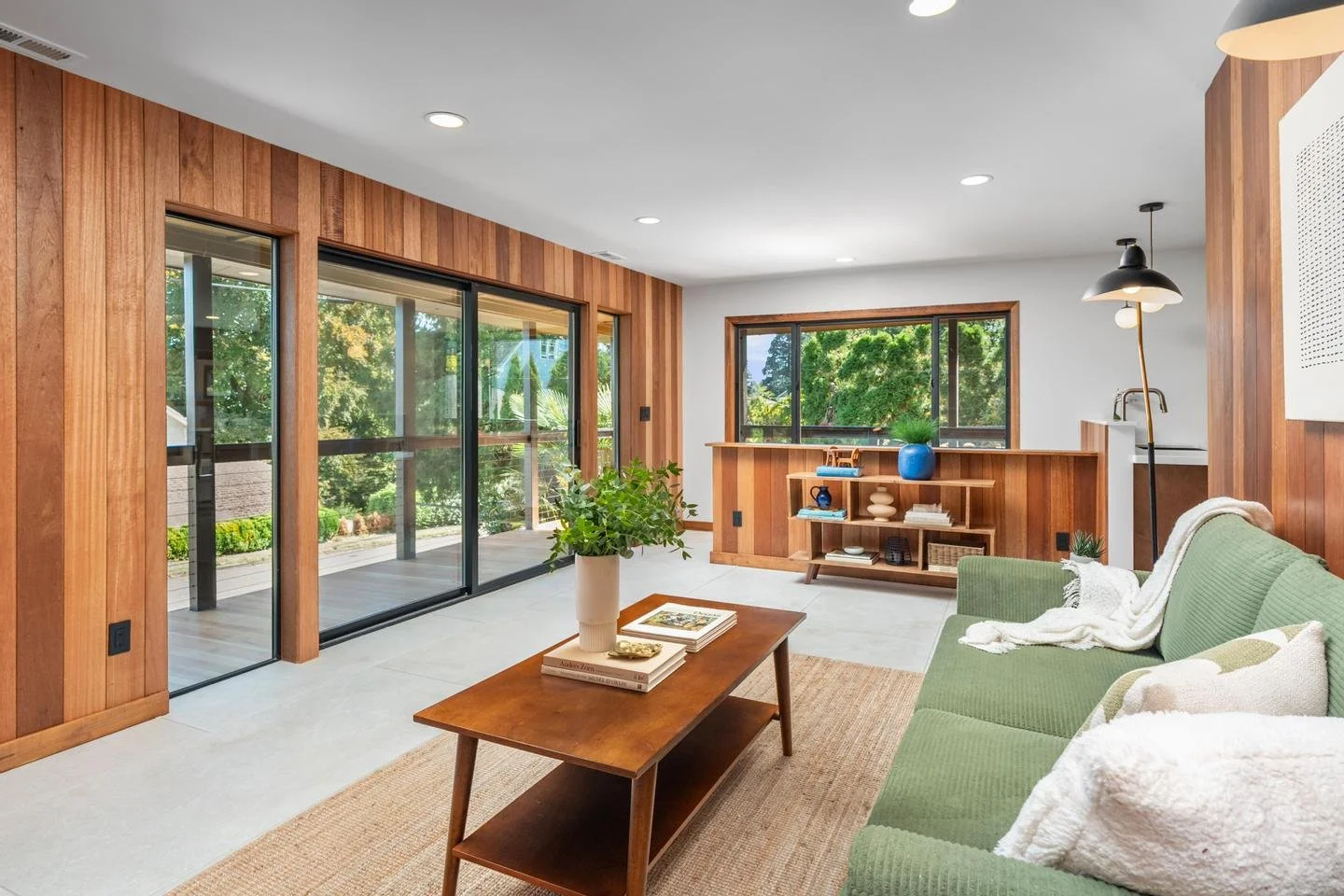
Strategic preparation doesn't mean renovating. It means focusing on what buyers actually notice.
Preparing your home for sale doesn’t mean renovating everything.
In fact, if you only do one thing, I almost always recommend staging. From there, focus on small repairs, fresh paint, updated lighting and hardware, and curb appeal.
Most of my clients don’t spend the most money.
They simply spend money in the right places.

My process starts with a walk-through and a consultation with my designer. Together, we create a list of possible improvements, estimate costs, and prioritize projects based on your goals and budget.
What Should You Actually Do Before Listing Your House?
One of the first questions I get from sellers is:
“What should we actually do before listing?” And I understand why. Once you start looking around your home, it’s easy to feel like everything needs updating.
But here’s the good news:
Most sellers don’t need a major renovation. In fact, one of the biggest mistakes I see is people spending money in places that buyers won’t value. The goal isn’t to do everything. It’s to do the right things.
My Process
When I first meet with a seller, one of the things we do is walk through the home together. Then I bring in my designer, and together we create a detailed list of potential updates. From there, I gather bids, estimate costs, and organize everything into a prioritized plan based on each client’s budget and goals. Not every seller does every project. And that’s okay. The goal is never to spend the most money. The goal is to make smart decisions and focus on the improvements that will have the biggest impact.
Start With the Small Stuff
Before we even talk about paint colors or light fixtures, I always recommend taking care of the little things. These are often inexpensive repairs, but they make a huge difference in how a home feels to buyers.
Things like:
Torn window screens
Wobbly doorknobs
Loose cabinet doors
Burned-out light bulbs
Sticky locks
Non-functioning switches
Small areas of caulking that need attention
Buyers notice when a home feels well cared for.
And while these details may seem insignificant, they quietly communicate that the home has been maintained.
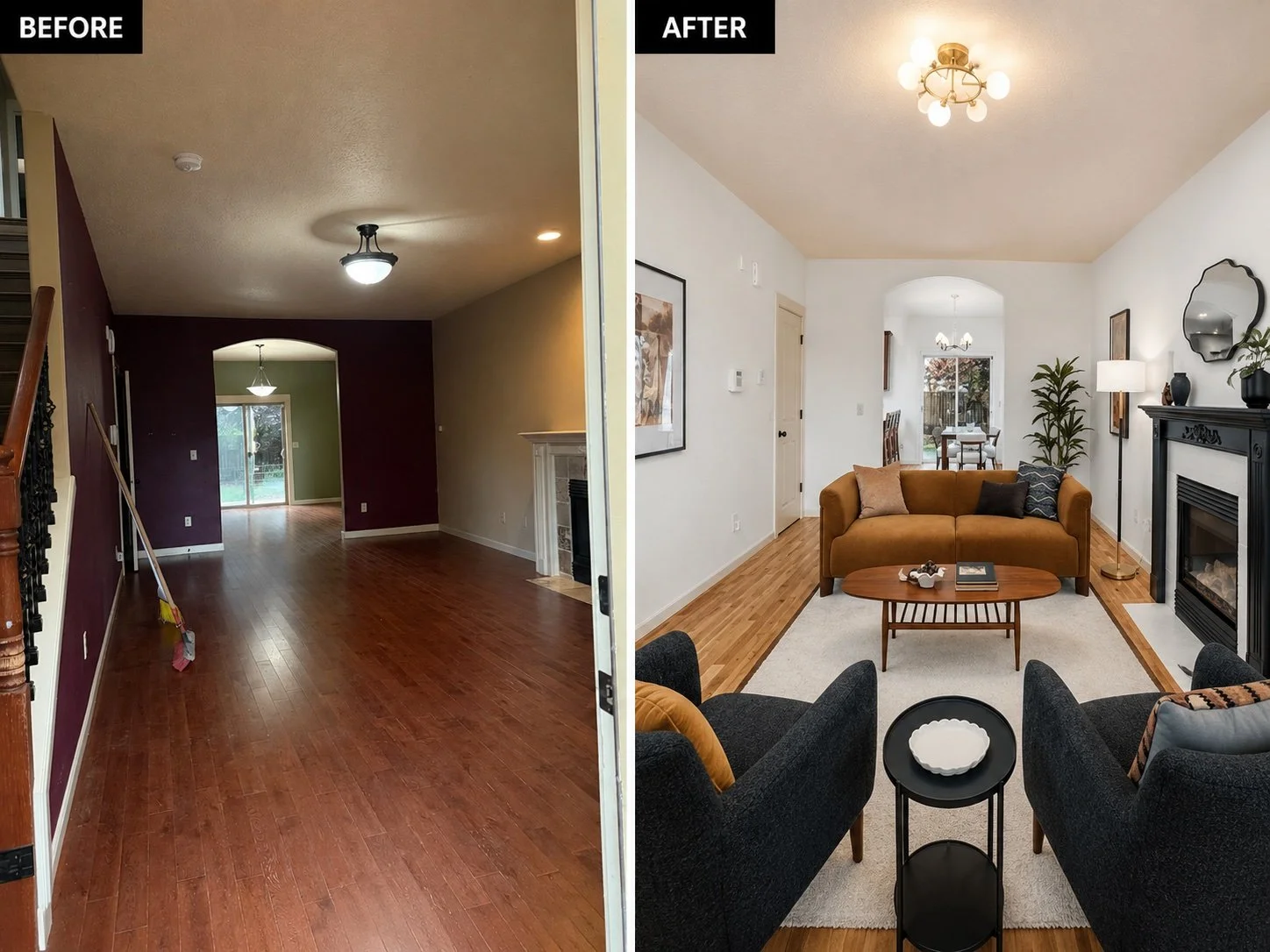
This space felt dark, and outdated. It’s hrd for buyers to understand the potential of space, and they almost always overestimate the costs of a refresh.
Fresh Paint Is Almost Always Worth It
Never underestimate what a fresh coat of paint can do. Paint is one of the highest-impact improvements you can make before listing.
Fresh paint:
Brightens a space
Creates a cohesive feel
Helps buyers see the home as move-in ready
Makes rooms photograph beautifully
And perhaps most importantly, it allows buyers to focus on the home itself rather than being distracted by outdated colors or worn walls. Time and time again, I’ve seen paint transform a home.
Lighting and Hardware: Small Changes, Big Impact
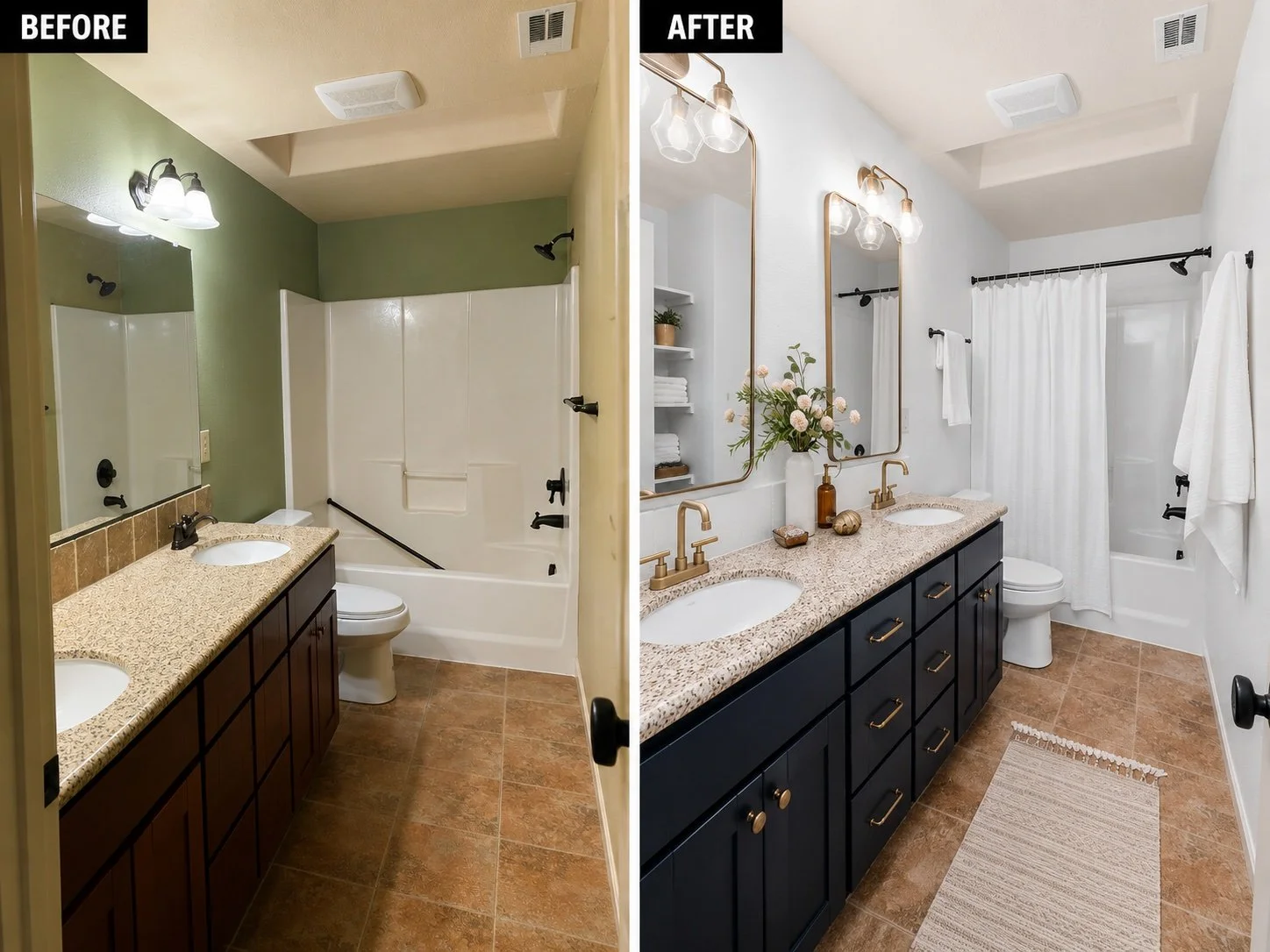
Fresh paint, updated hardware, and new fixtures were all it took to bring this bathroom in line with today’s design preferences. Sometimes it’s not about spending more. It’s knowing where t spend.
This is one of my favorite categories because the investment is relatively small, but the visual return can be tremendous.
Updating things like:
Light fixtures
Cabinet hardware
Plumbing fixtures
Door hardware
can instantly make a home feel more current and intentional. These aren’t expensive renovations. They’re simply thoughtful updates that help a home feel refreshed and aligned with today’s design aesthetic.
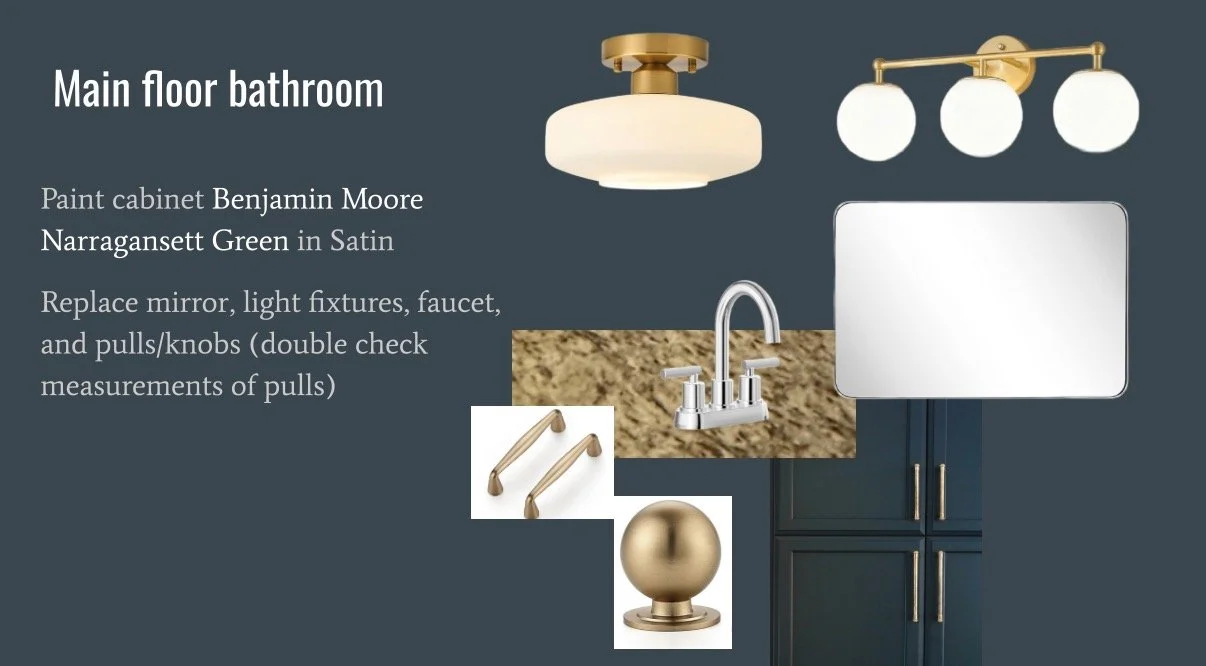
From paint colors to hardware. Everything is in the report, it will all flow and create a cohesive design.
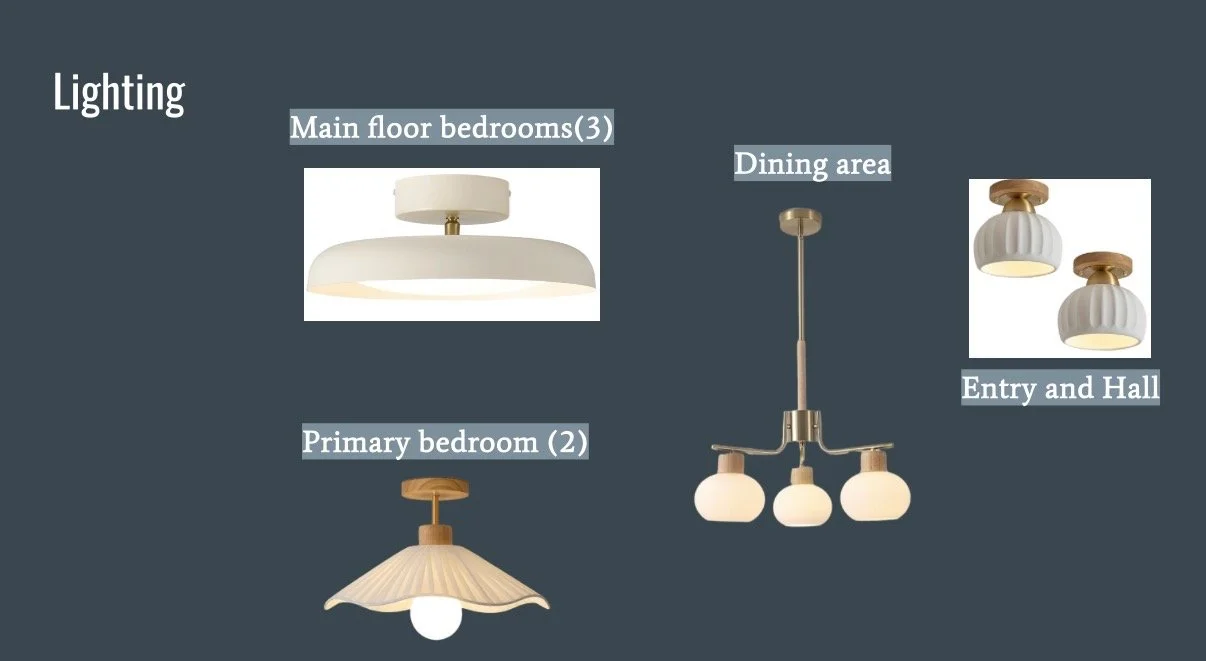
No need to guess what light fixtures will work, i provide all of the information in my design report.
Don’t Forget Curb Appeal
First impressions matter. Sometimes buyers start forming opinions before they even step inside. Fortunately, curb appeal improvements don’t always have to be expensive.
Simple updates like:
Painting the front door
Refreshing trim
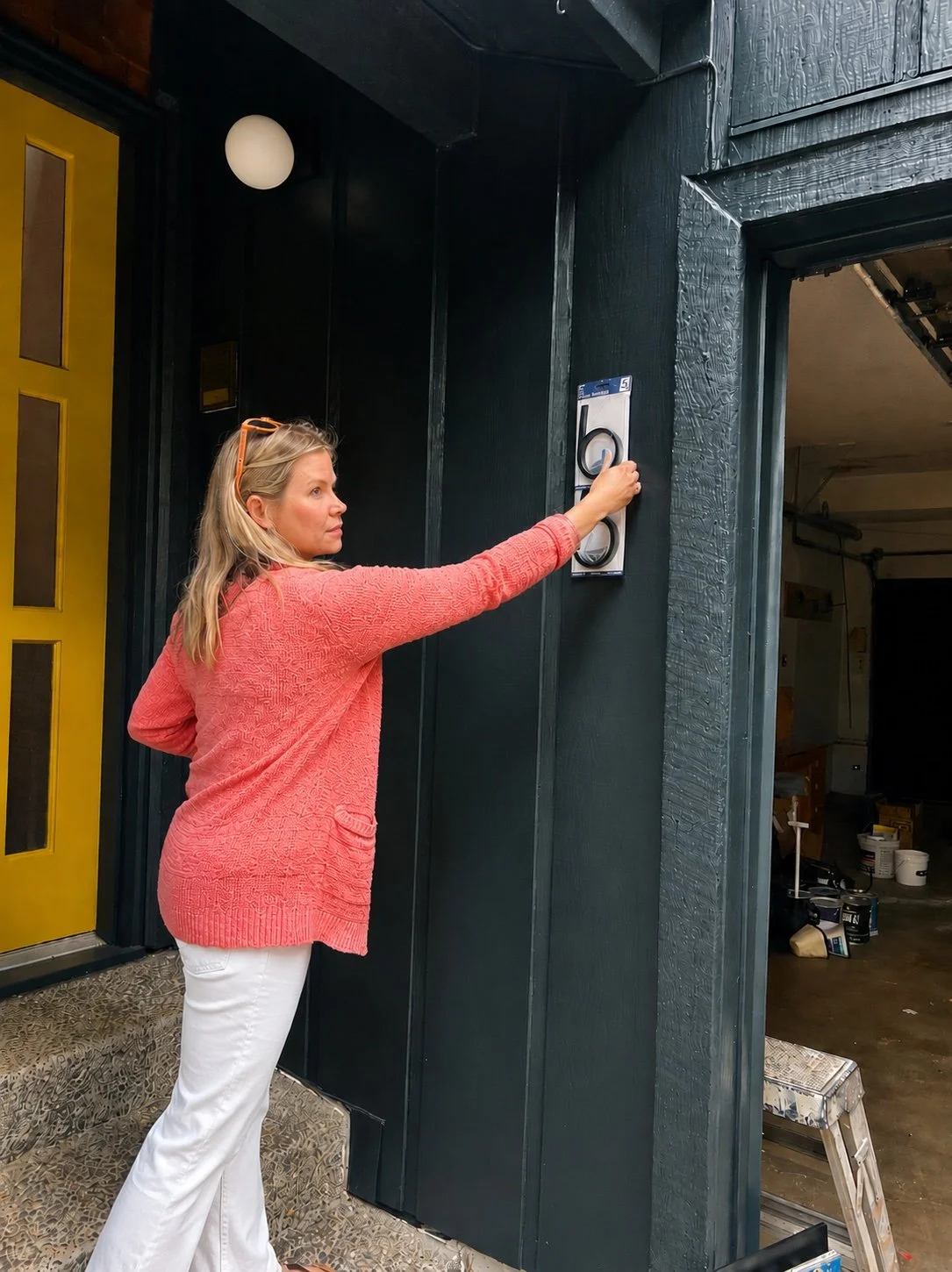
Updating house numbers
Pressure washing
Adding fresh mulch
Planting seasonal flowers
can completely change the feel of a home. And landscaping, in particular, goes a long way. A well-maintained yard creates a sense of care and pride that buyers immediately respond to.
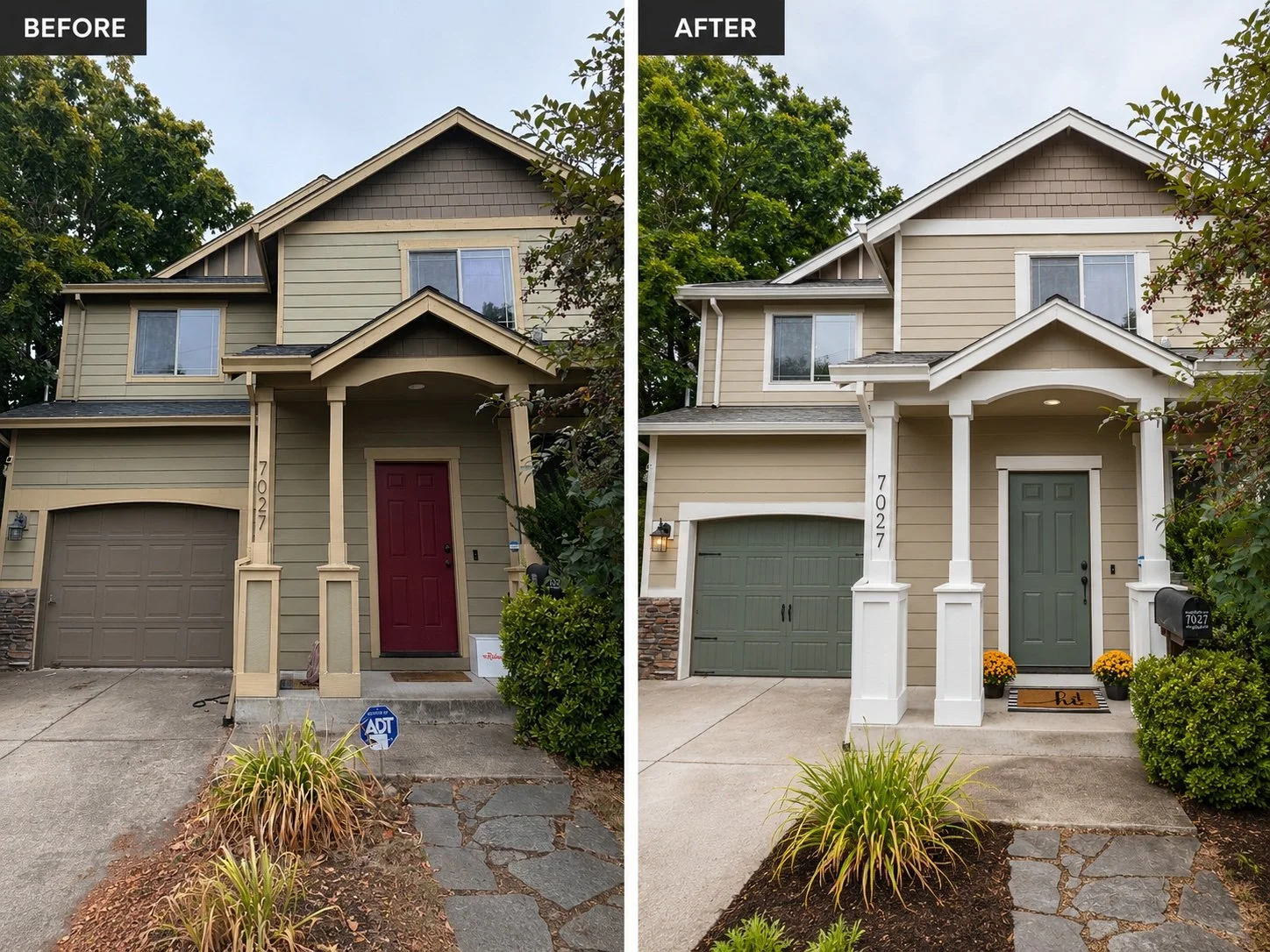
Small changes can go a long way. Refreshing trim and a door instead of a full repaint, can help stretch a budget.
What I Tell My Clients
Preparation isn’t about turning your home into something it isn’t. It’s about helping buyers see the very best version of what already exists. And that rarely means doing everything. It means making thoughtful improvements that maximize your home’s appeal and ultimately help you achieve the strongest result. That’s why I encourage sellers to start the conversation earlier than they think they need to.Whether you’re planning to move in three months or three years, we can create a roadmap and tackle projects gradually. That approach tends to be less stressful, more efficient, and ultimately far more effective.
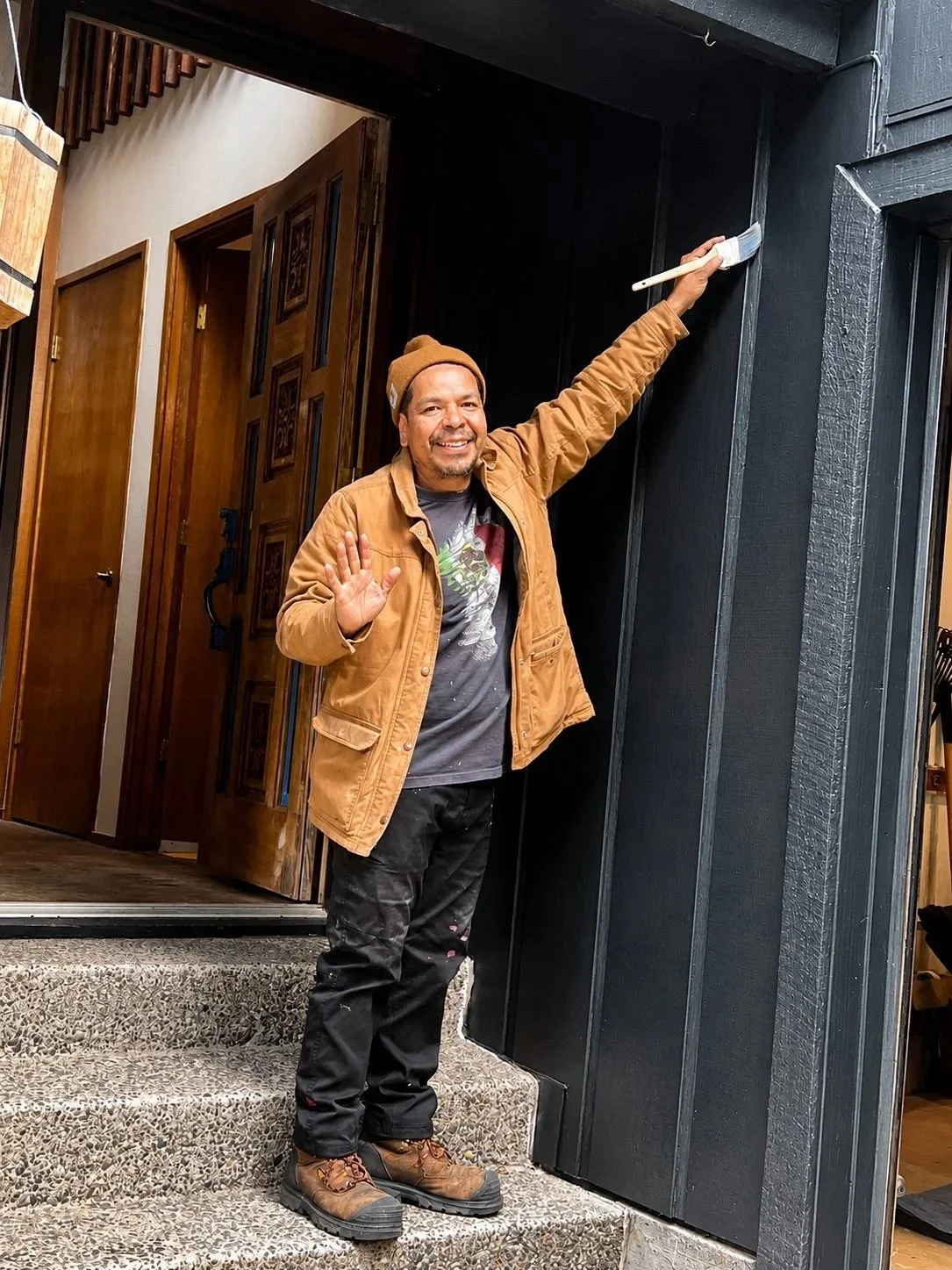
A Trusted Team Behind Every Successful Sale
Preparing a home for market is rarely a one-person job. Over the years, I’ve assembled a trusted team of stagers, designers, painters, contractors, electricians, plumbers, landscapers, and specialists who help ensure every project moves smoothly and efficiently. Together, we create a plan, coordinate the work, and keep the timeline on track so that homes spend less time in transition and more time doing what they’re supposed to do: attracting buyers. Whether you’re living in the home during the process or preparing a vacant property for market, my role is to oversee the details, manage the moving pieces, and help make what can feel overwhelming surprisingly manageable, and fast.
Because selling a home isn’t just about strategy.
It’s about execution.
And having the right team behind you can make all the difference.
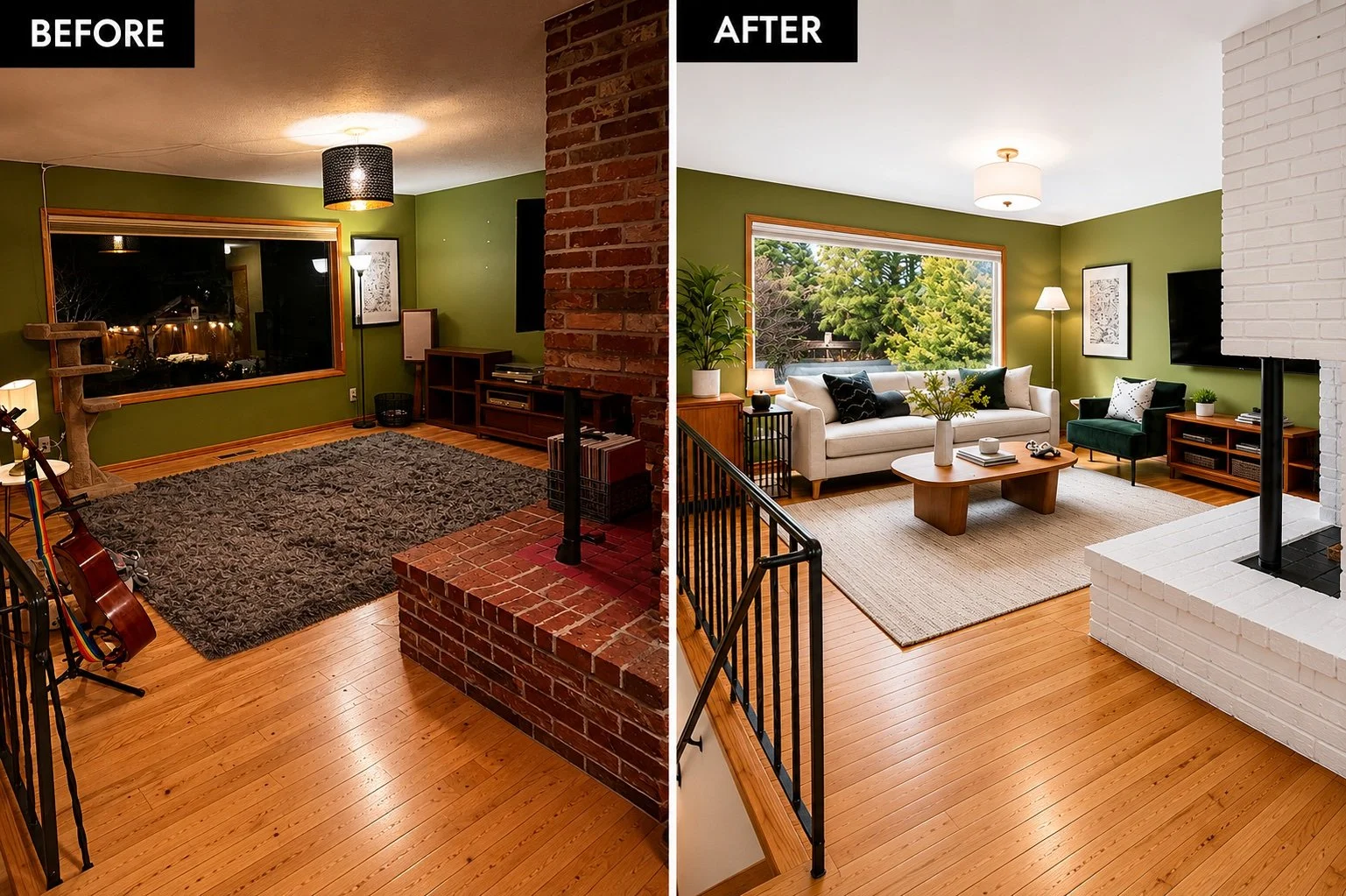
The transformation in this room was incredible, the whitewashed brick brightened the room, and became a visual centerpiece of the room.
One thing I always tell my clients is that if we make the right improvements, we’re often creating leverage before we ever hit the market.
In today’s environment, where interest rates are higher and everyday costs have increased, many buyers don’t feel like they have the extra cash or emotional bandwidth to take on major renovations after purchasing a home. They’re looking for confidence. They want to move in, settle into their new space, and enjoy it without feeling overwhelmed by additional projects and unexpected expenses. That’s why well-prepared homes tend to command such strong interest. When buyers walk through a home that feels cohesive, thoughtfully updated, and move-in ready, they’re often willing to pay a premium for that sense of certainty and ease. Because in many ways, we’re not just selling the house. We’re selling the feeling of being able to relax.
And if we can create that feeling, we’re often starting the negotiation long before the home officially hits the market.
Frequently Asked Questions
-
Most sellers don’t need a major renovation before listing. I typically recommend focusing on the improvements that buyers notice most, including staging, fresh paint, and updated lighting and hardware. The goal isn’t to do everything. It’s to make thoughtful updates that create the biggest impact.
-
Usually not. One of the biggest mistakes I see sellers make is over-improving for their price point. Many homes can be brought in line with current design preferences through strategic cosmetic updates rather than expensive renovations.
-
Almost always. Staging helps buyers understand how the space lives, creates stronger listing photos, and allows buyers to emotionally connect with the home. In many cases, staging is one of the highest-return investments a seller can make.
-
In my experience, the biggest impact usually comes from:
• Professional staging
• Fresh interior paint
• Updated lighting
• New hardware and fixtures
These relatively simple improvements often create more value than major remodeling projects.
-
Absolutely. Most of my clients don’t spend the most money. They simply spend wisely. Thoughtful preparation often matters far more than expensive renovations.
-
Depending on the scope of the project, we can prioritize only the highest-impact updates and, in some cases, work with vendors who may be willing to wait until closing to be paid through escrow. The goal is to remove obstacles, not create additional stress.
-
No. Over the years, I’ve assembled a trusted team of painters, contractors, electricians, plumbers, landscapers, and stagers who help bring our preparation plans to life. Together, we coordinate the work and keep the timeline moving so homes spend less time in transition and sellers spend less time living in a construction zone.
-
Earlier than most people think. Even if you’re planning to sell next year, we can walk through your home together and create a plan you can tackle gradually over time. Starting early allows you to spread out costs, avoid last-minute stress, and make smarter decisions.
-
With higher interest rates and rising costs, many buyers don’t feel like they have extra cash to take on major projects after closing. Buyers are increasingly willing to pay a premium for homes that feel cohesive, updated, and ready to enjoy from day one.
-
No. More money spent does not always equal a higher sale price. The key is understanding which improvements buyers will value and which projects are unlikely to provide a meaningful return.
-
Absolutely. One of the first things I do with sellers is walk through the home, identify what will actually move the needle, and create a clear plan. No pressure. Just thoughtful advice, a trusted team, and a strategy designed to help you maximize your results.
Wondering Where to Start?
If you’re wondering where to start, I’d be happy to walk through your home and help you understand what’s worth doing, what isn’t, and how to prioritize improvements based on your goals and budget.

Why Does Everyone Want to Live in Alameda?
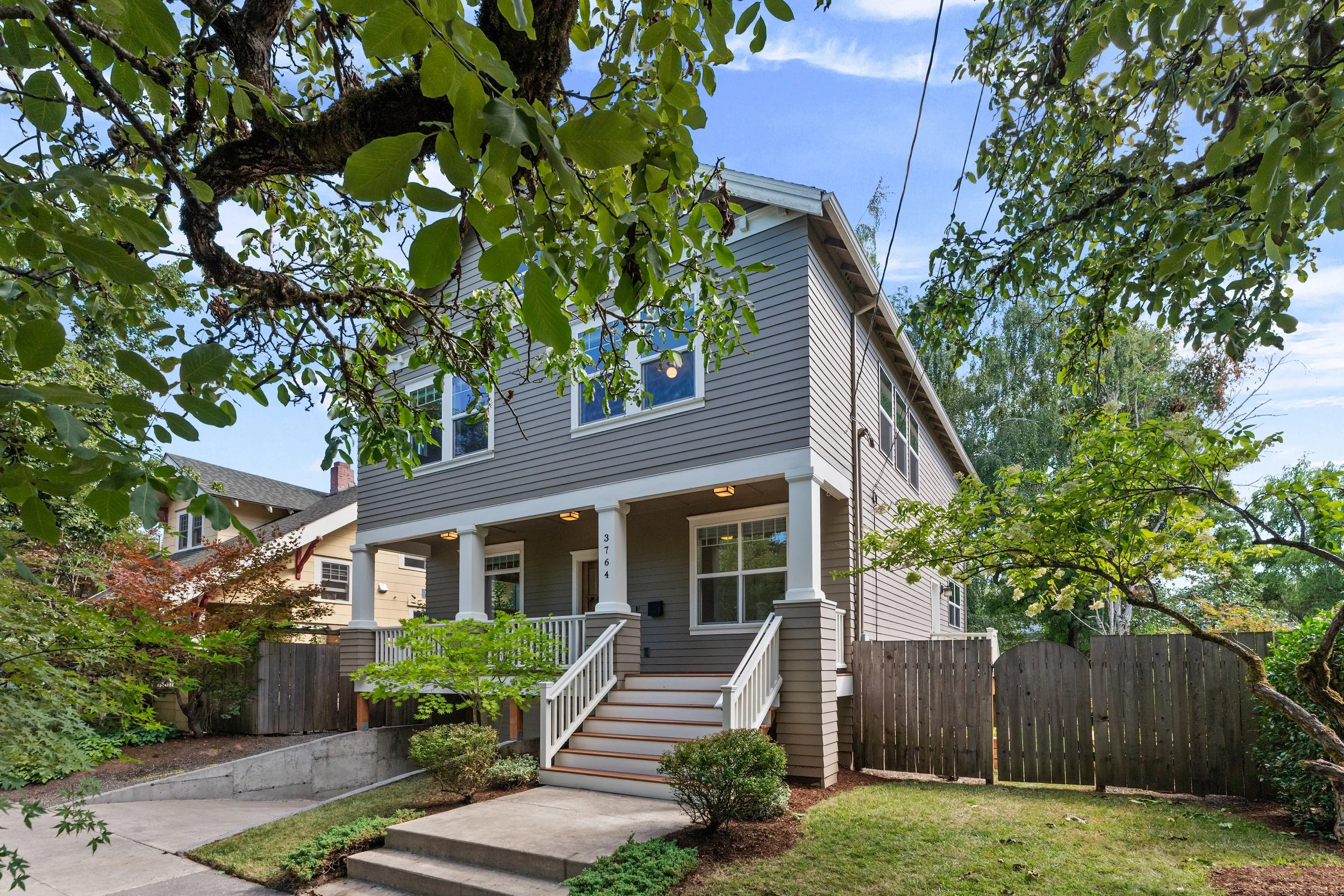
Why do so many buyers want to live in Alameda Portland? From ridge-top views and beautiful historic homes to the famous Alameda Bike Bus and strong community feel, here’s why this Northeast Portland neighborhood keeps ending up at the top of buyers’ lists.
Portland Neighborhood Guide, Denise Wolfe
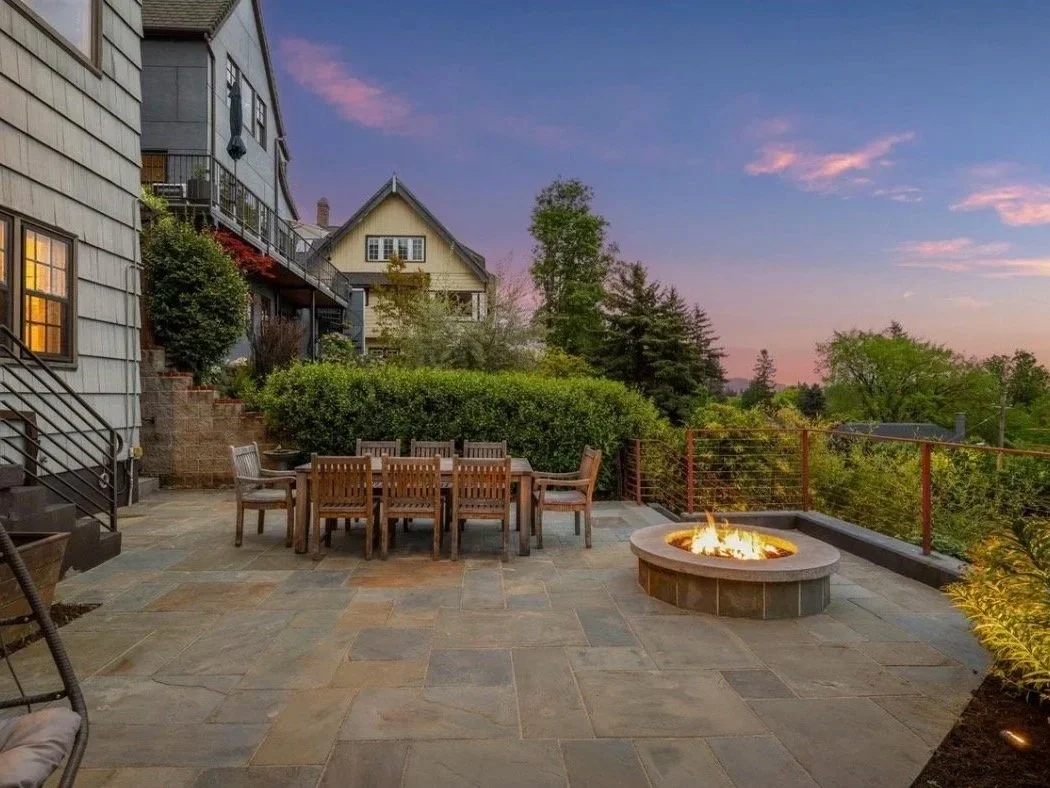
Elevated views are hidden in backyards of beautiful Alameda Ridge homes
Alameda combines stunning views, historic homes, mature tree-lined streets, and a strong sense of community. It’s one of Northeast Portland’s most desirable neighborhoods, and one that many families move into and rarely leave.

There are plenty of beautiful neighborhoods in Portland. What makes Alameda special is that it feels like a neighborhood in the truest sense of the word. Between the historic homes, tree-lined streets, and traditions like the Alameda Bike Bus, there’s a genuine sense of connection here that’s increasingly rare.
There are certain Portland neighborhoods that people ask about over and over again, and Alameda is always at the top of that list.
Even buyers who start out looking “all over Northeast” tend to slowly gravitate here. So what is it about Alameda that keeps pulling people in? This is one of the few neighborhoods in Portland where the views truly live up to the hype.
Alameda sits right along the ridge in Northeast Portland, just east of Sabin and Irvington.
It feels tucked away and quiet, but you’re still minutes from Fremont, Beaumont, and some of the best parts of NE.
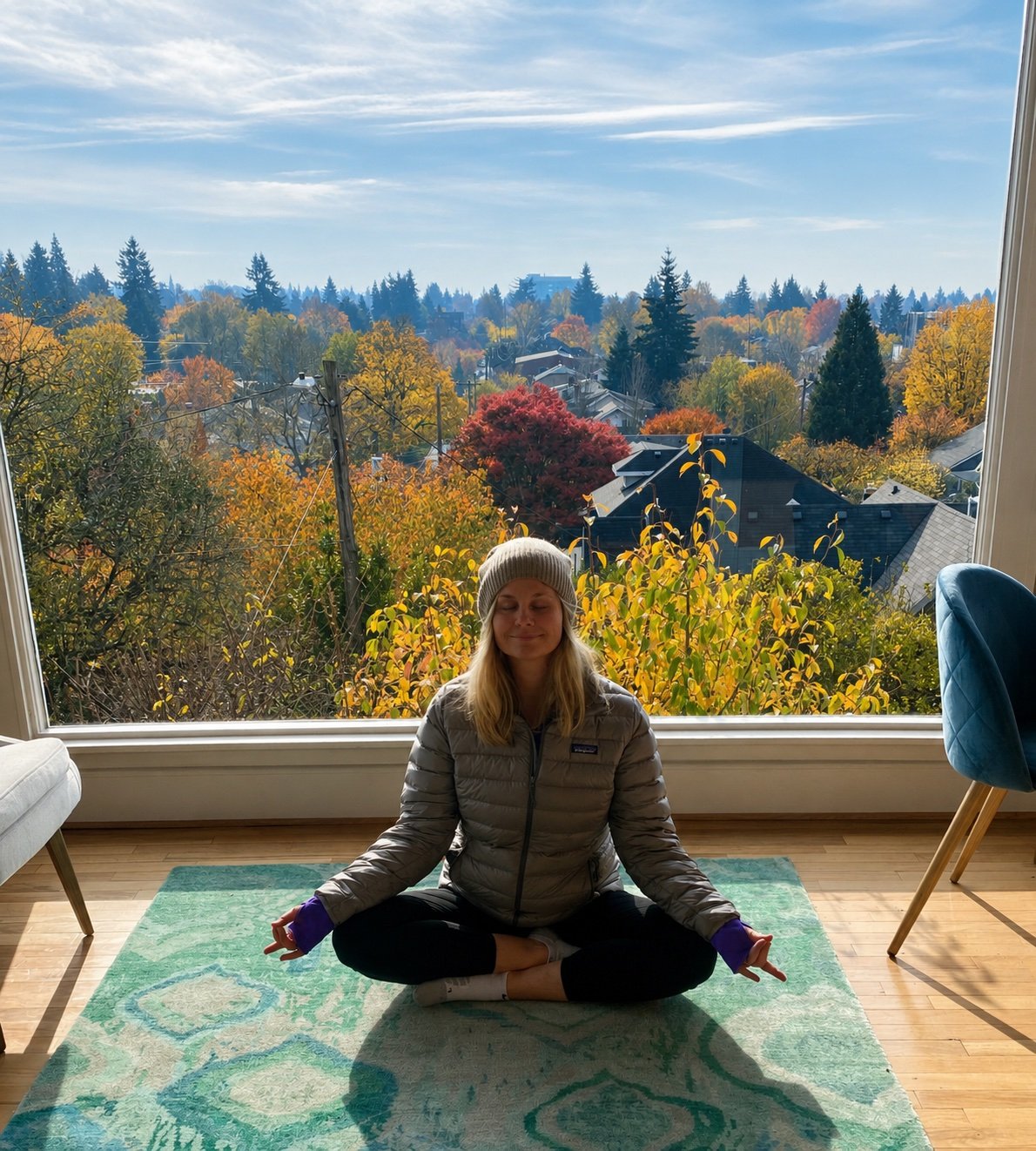
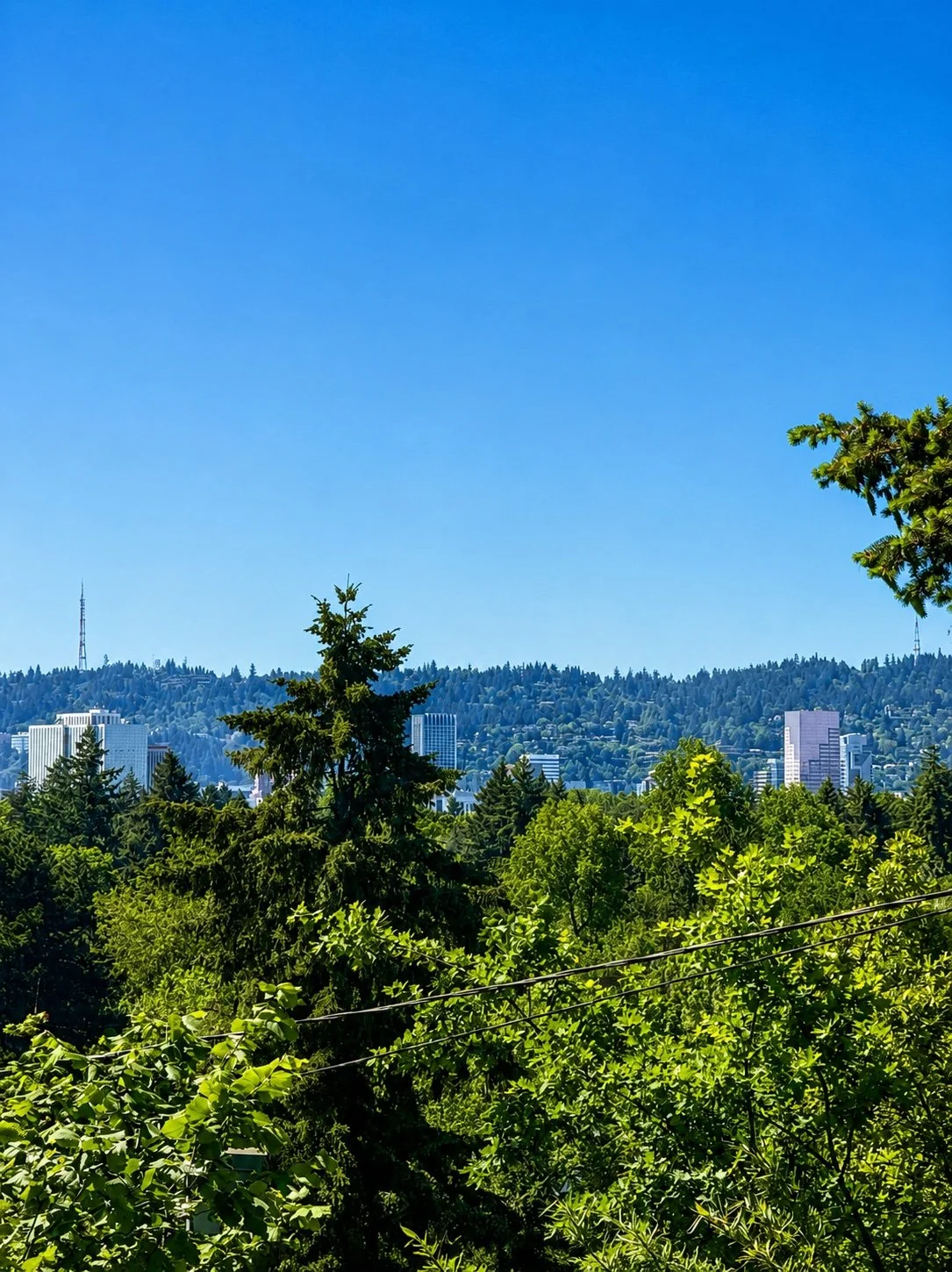
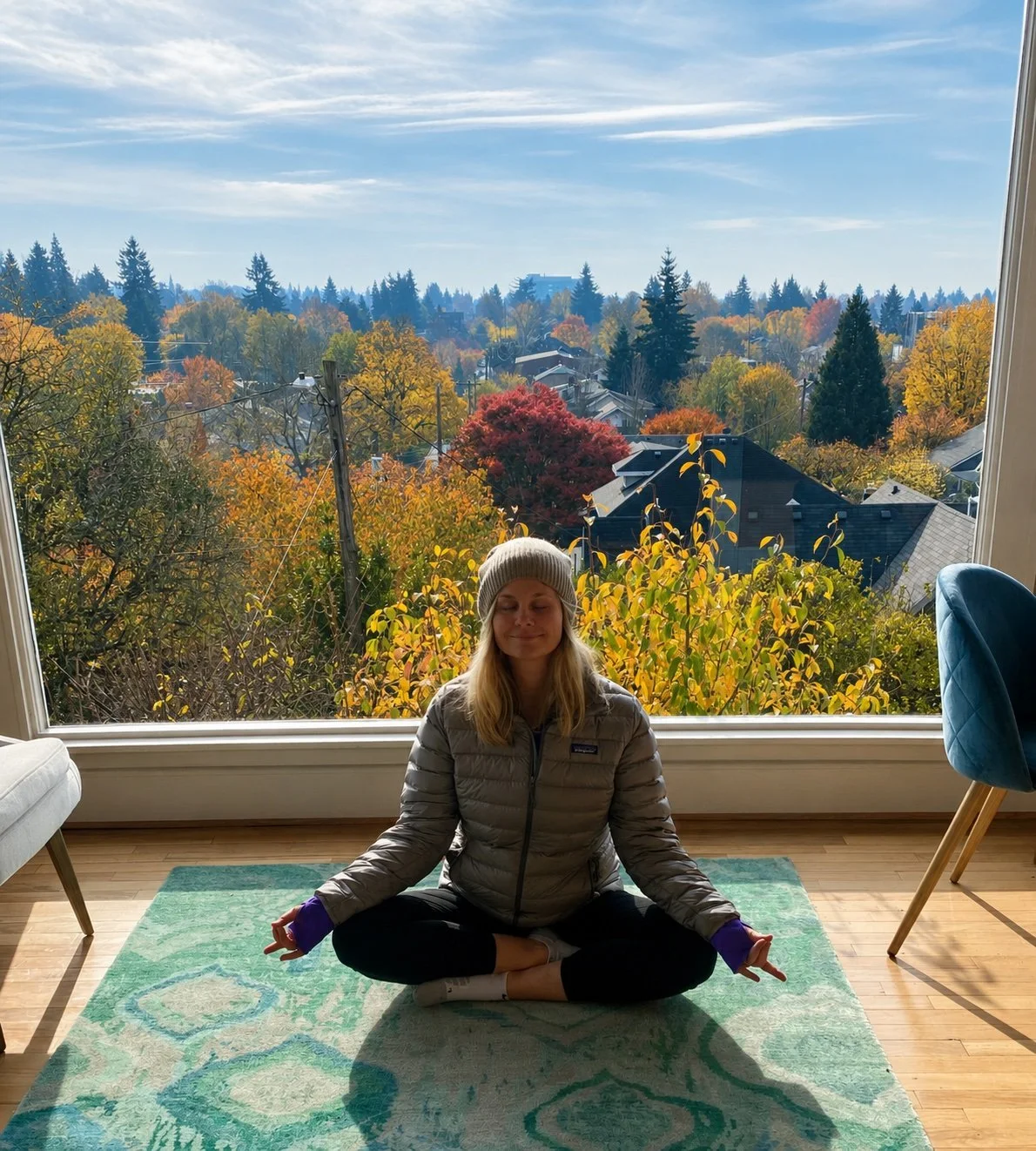
I couldn’t help myself, had to take a moment to take in the view while out previewing a home for an out-of-state client on Alameda Ridge. The views are truly breathtaking.
Because Alameda sits along the ridge, many homes have:
Mt. Hood views
City skyline views
West-facing sunsets
And not just from a tiny corner window, often from main living spaces, porches, and entire floors.
👉 This is a big reason values hold here.
The Architecture Feels Special (Not Cookie-Cutter)
Alameda has that “wow, this feels different” factor.
You’ll see:
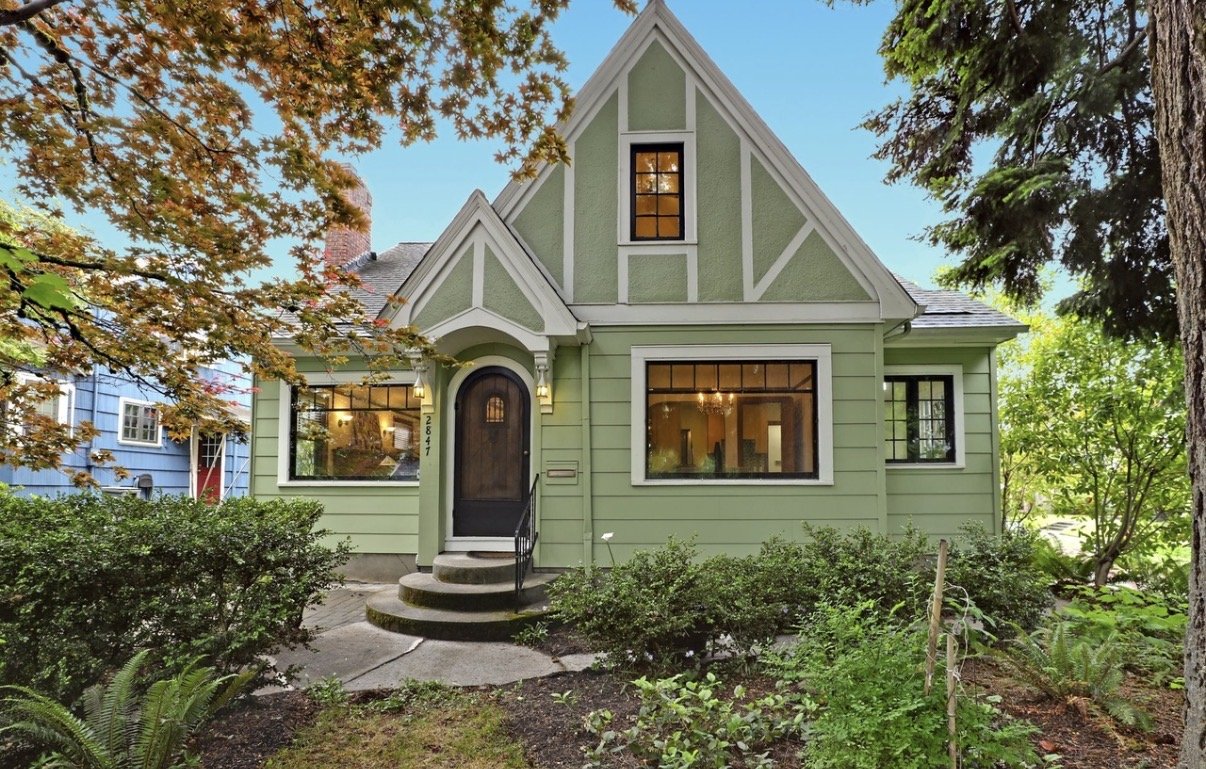
Tudors
Colonials
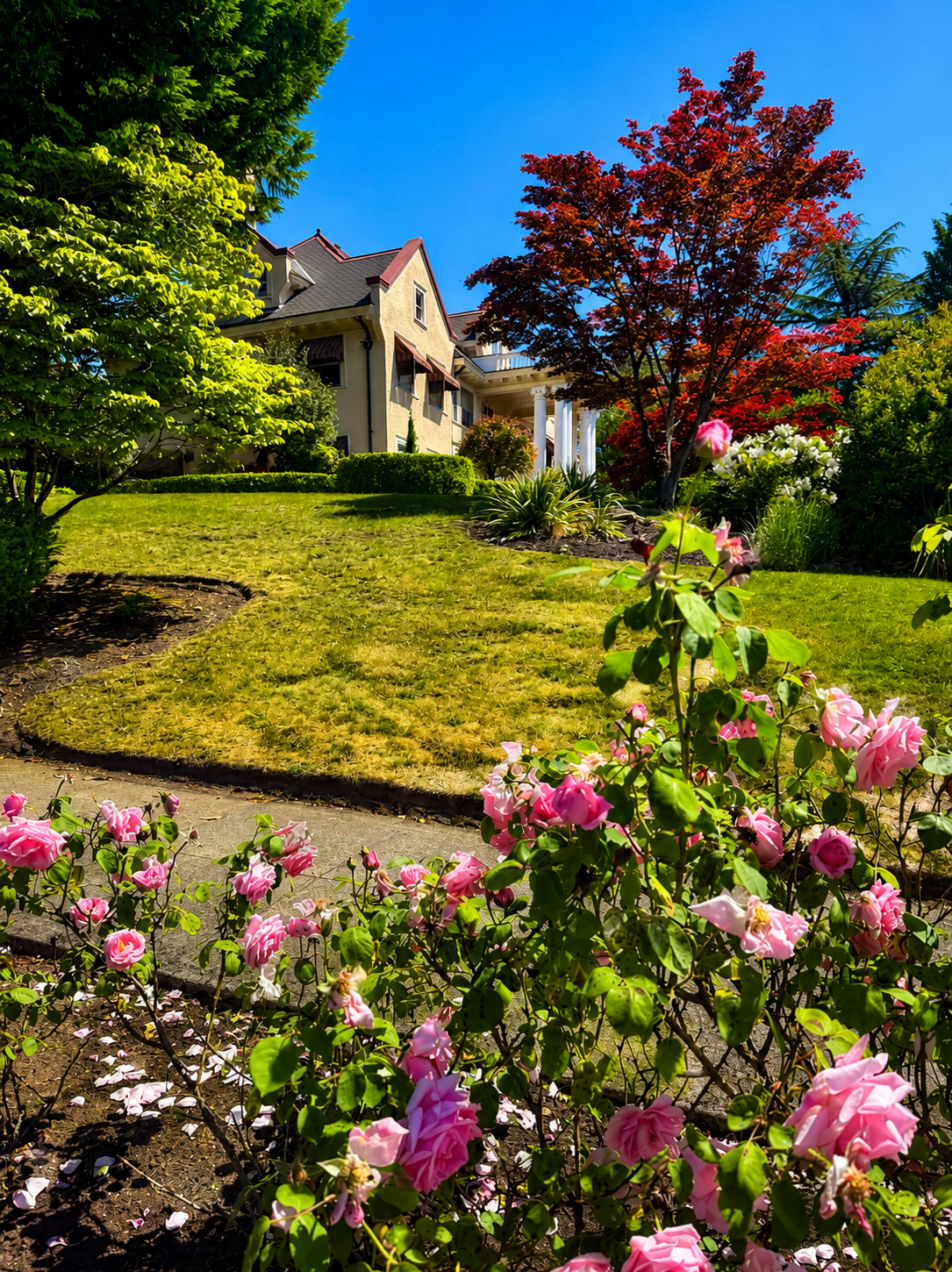
Craftsman homes with real presence
Larger lots and more space between homes
It feels elevated, but still charming.
It’s Quiet… But Not Isolated
This is one of Alameda’s biggest strengths.
It’s:
Tucked away from heavy traffic
Less dense than nearby neighborhoods
Noticeably quieter
But you’re still close to:
Fremont shops + restaurants
Beaumont Village
Quick access to the rest of NE
So you get calm without feeling disconnected.
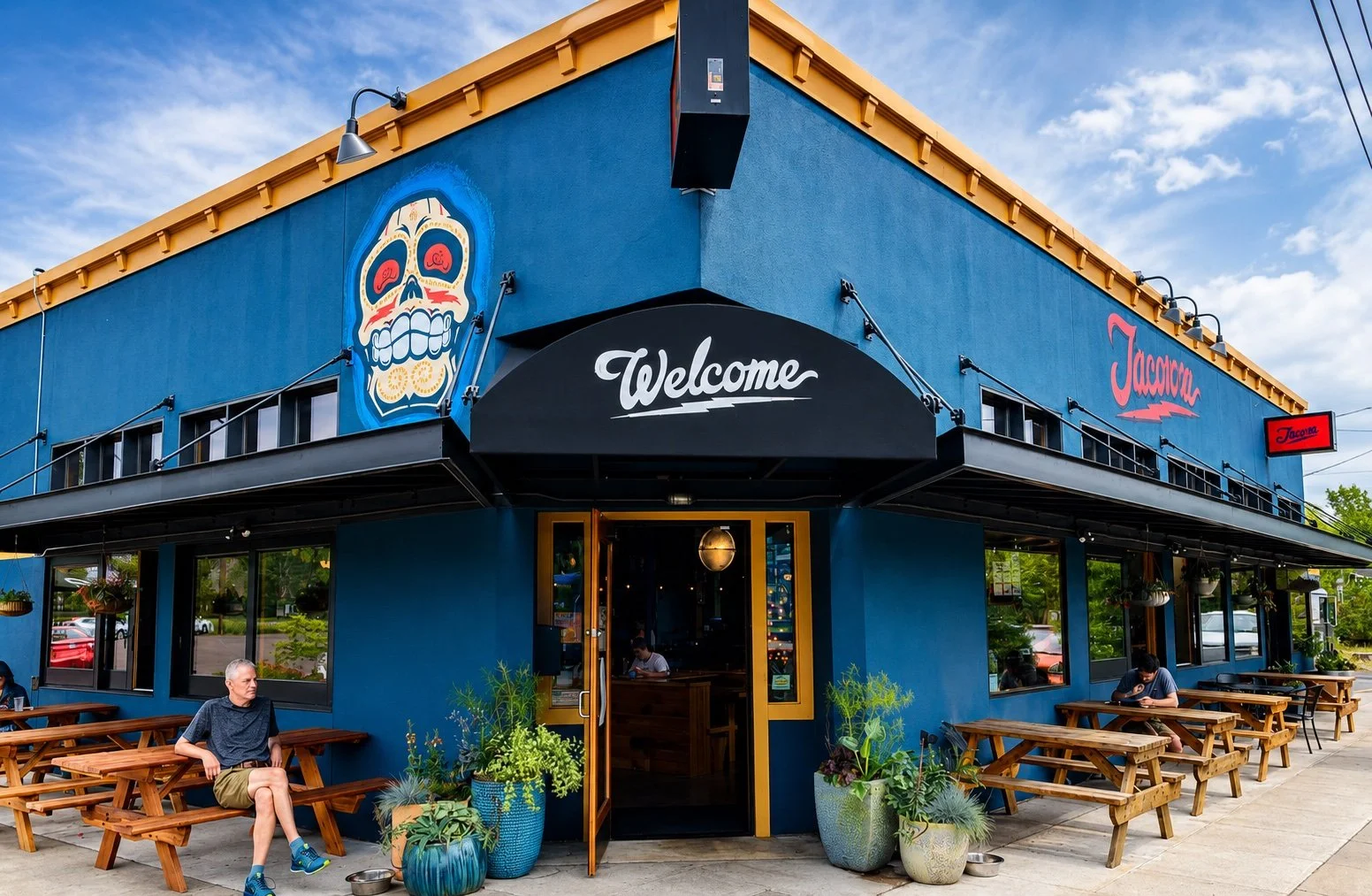
Tacovore sits right in the middle of the Alameda neighborhood, on Fremont, at a bike crossing intersection with little orange flags, for pedestrians to wave as they safely walk across the street. It’s the spot to catch up with the neighbors from Sabin, Irvington, Beaumont and of course Alameda.
It Feels “Established” in a Way Buyers Trust
There’s a psychological piece here that’s hard to quantify—but buyers feel it immediately.
Alameda has:
Mature tree canopy
Elevated Views
Consistent home quality
Pride of ownership
It feels stable. And in uncertain markets, that matters more than people realize.
The Schools + Location Combo
Without getting too deep into boundaries (because they do change), Alameda tends to attract buyers who are thinking long-term about:
Schools
Community feel
Resale value
It checks a lot of those boxes in one place.
One of the most unexpectedly cool things about Alameda isn’t something you’ll see in a listing—it’s the community energy.
At Alameda Elementary, the PE teacher helped organize what’s now known as the Alameda Bike Bus.
It’s exactly what it sounds like—a huge group of kids biking to school together along a set route—but it’s turned into something much bigger.
Dozens (sometimes more) of kids riding together
Parents and volunteers helping guide the group
A full-on neighborhood event, not just a commute
And somehow… it’s even caught national attention.
They’ve invited celebrities like Justin Timberlake, Zara Larsson, and Benson Boone to join rides, and incredibly, they’ve actually shown up.
It sounds almost unreal until you see it.
👉 But what it really says is this:
This is a neighborhood where people show up for each other.

Rain or shine Coach Balto, from Alameda Elementary School, leads the Alameda Bike Bus, while blasting pop songs and singing through the streets. Kiddos just wait on the corner of their street to join in on the fun.
The Alameda Ridge Staircases: A Hidden Piece of Portland History
One of my favorite lesser-known features of Alameda is the network of public staircases that connect the ridge to the neighborhoods below.
Because Alameda sits along the Alameda Ridge, many of these stairways were built in the early days of Portland's development to help residents move between neighborhoods before cars became the primary mode of transportation. Today, they're still maintained by the city and offer a unique way to explore the area.
Many locals use them for:
Morning walks
Running workouts
Dog walks
Exploring different pockets of Northeast Portland
What I love most is that they make the neighborhood feel connected. The stairways literally stitch together Alameda, Sabin, Beaumont, Rose City Park, and the neighborhoods below the ridge.
If you're someone who enjoys walking a neighborhood rather than just driving through it, the Alameda staircases are one of those details that make this area feel uniquely Portland.
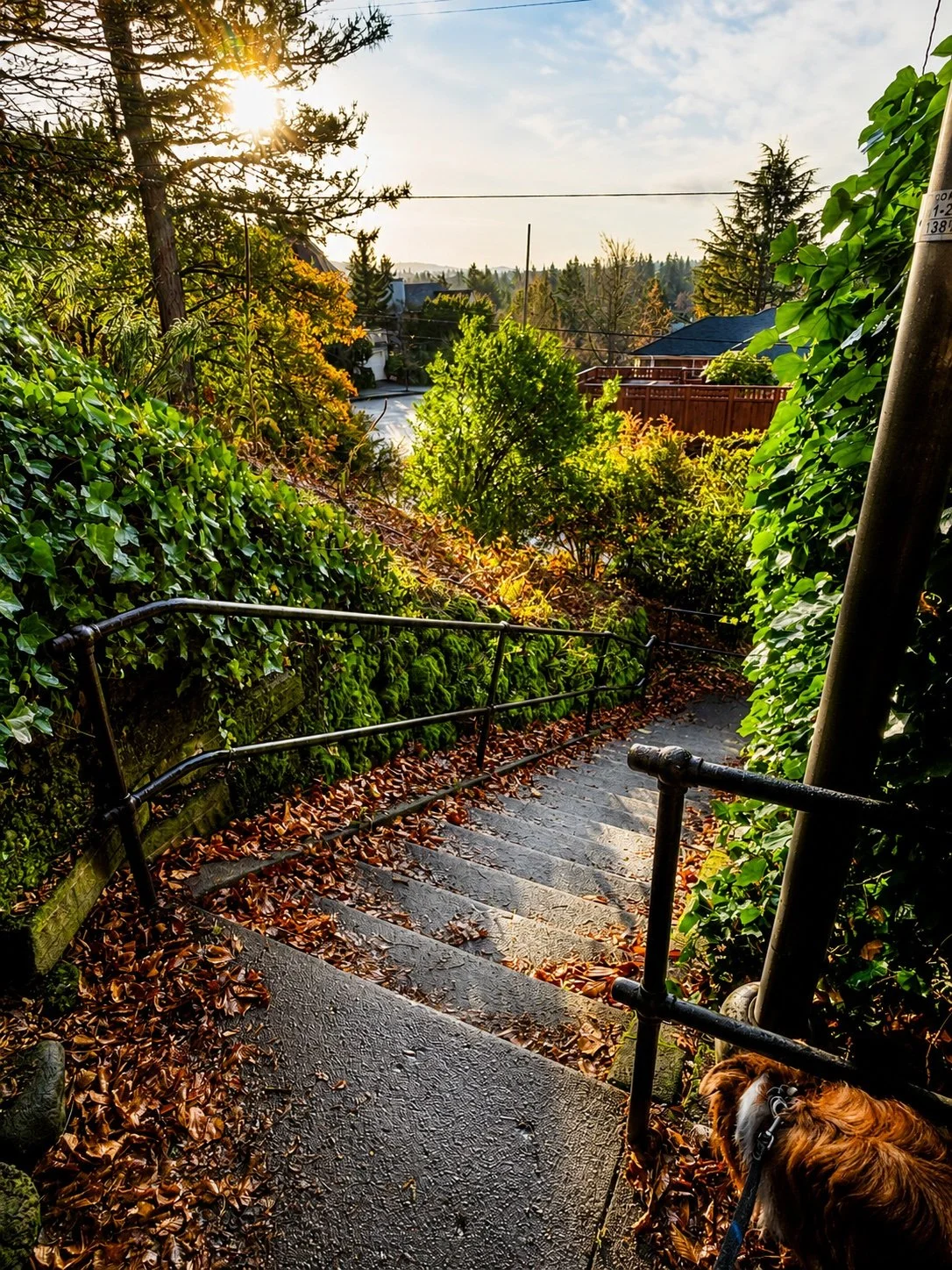
One of the many hiddenaircases in the Alameda neighborhood.
It Holds Value. Even When the Market Shifts
This is where Alameda really stands out from a strategy standpoint.
Homes here tend to:
Get strong early interest
Attract serious buyers
Hold pricing better than surrounding areas
👉 This ties directly into how you price a home here.
→ Price High vs. Price to Entice
In some cases, neighborhoods like Alameda are where pricing slightly higher can work, especially for:
Unique homes
View properties
Higher price points
The Tradeoffs (Because There Always Are)
One of the biggest realities with Alameda is the price point.
For most single-family homes, you’re typically looking at:
Around $1M+ (and often well above, depending on size and views)
Strong competition, especially for well-presented homes
And it’s not just competitive on paper, it’s competitive emotionally.
A lot of buyers targeting Alameda are:
Very intentional about being there
Willing to stretch to make it happen
Competing hard when the right house comes up
And here’s the part people don’t always talk about:
Once families get into Alameda… they tend to stay.
So inventory can feel tight, and when a great house hits the market, it gets a lot of attention quickly.
One thing I talk about with Alameda buyers all the time is timing.
Because homes here don’t come on the market every day, many homeowners worry they’ll miss the right house while waiting to sell their current one. The good news? There are often more options than people realize.
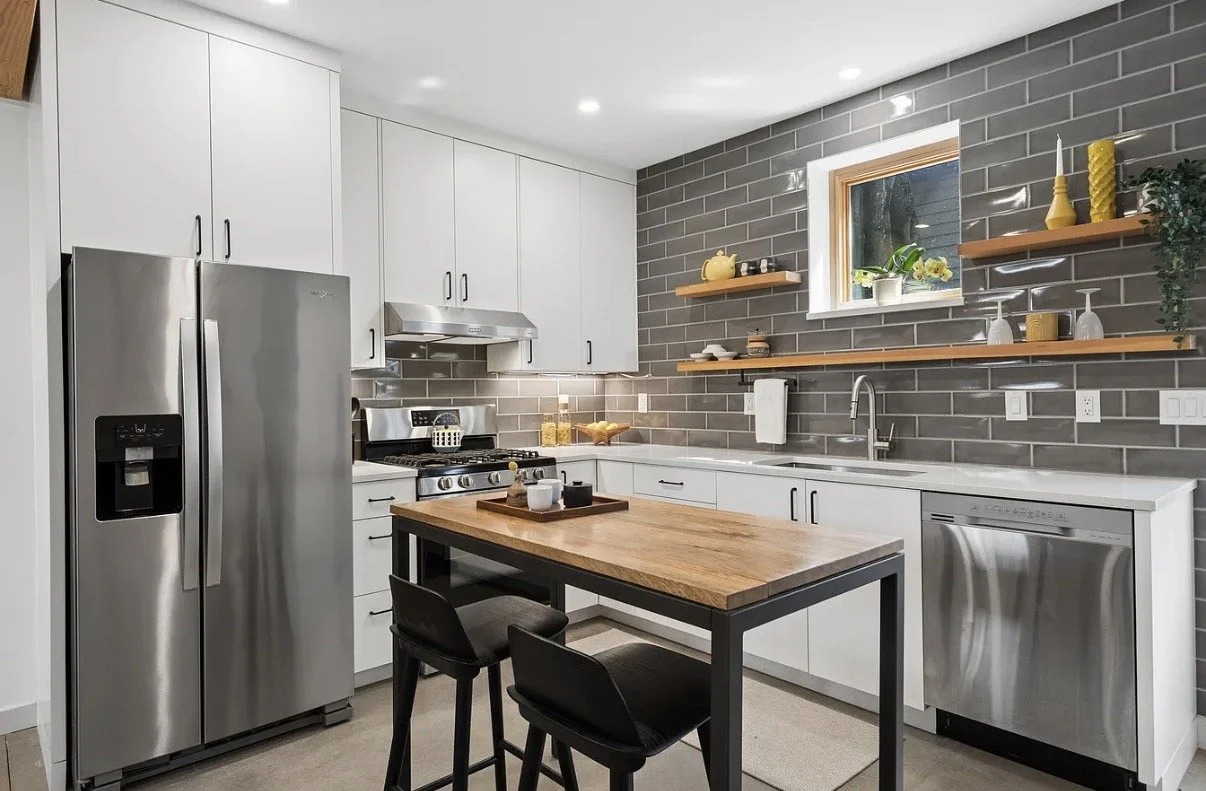

If Alameda feels like your dream neighborhood, but you’re wondering if there’s a similar option nearby, don’t overlook Sabin.
It’s one of the neighborhoods I frequently recommend to buyers who love Northeast Portland’s character, community, and sunshiney elevated streets.
And if you’re looking for shade from a 100 year old treecanopy, be sure to check out:
And if you’re strategizing on how to move into one of these neighborhoods, and they are slightly out of reach, a busy street might be a good start for you.
→ Pros and Cons of Buying on a busy Street in Portland
Frequently Asked Questions About Alameda Portland
-
Many buyers consider Alameda one of the most desirable neighborhoods in Northeast Portland. It's known for beautiful historic homes, mature trees, strong community involvement, and its location along the Alameda Ridge, which provides views that are hard to find elsewhere in the city.
-
Alameda is known for its historic architecture, ridge-top views, tree-lined streets, and strong neighborhood identity. It's also home to the Alameda Bike Bus, a community-driven school biking program that has gained national attention.
-
Yes, although it's a different kind of walkability than neighborhoods like Alberta or Hawthorne. Alameda is highly walkable for neighborhood strolls, dog walks, and access to nearby areas like Fremont and Beaumont Village, but it has a quieter, more residential feel.
-
You'll find a mix of Tudor, Colonial Revival, Craftsman, and other historic homes, many built in the 1920s and 1930s. Larger lots, architectural character, and well-maintained properties are part of what makes the neighborhood so sought after.
-
Yes. Because Alameda sits on the Alameda Ridge, many homes enjoy views of Mt. Hood, the Portland skyline, sunsets, or the surrounding hills. Even some of the public staircases and walking routes offer beautiful vantage points.
-
One of Alameda's hidden gems is its network of public staircases connecting the ridge to the neighborhoods below. They're popular for walking, running, dog walks, and exploring different parts of Northeast Portland while taking in the neighborhood's unique topography.
-
Alameda's popularity comes from a combination of factors: location, views, architecture, community feel, and limited inventory. Homes don't come on the market frequently because many residents stay for years once they've settled into the neighborhood.
-
Many buyers are attracted to Alameda because of its strong sense of community, neighborhood events, parks, and proximity to schools. The Alameda Bike Bus is one example of the neighborhood culture that many families appreciate.
-
Both neighborhoods offer beautiful historic homes and mature trees. Irvington tends to have larger historic estates and a more formal feel, while Alameda often feels a little quieter, more residential, and benefits from its ridge-top location and views.
-
Alameda and Sabin are neighboring communities that often appeal to similar buyers. Alameda generally has a higher price point and larger historic homes, while Sabin offers a slightly more eclectic, close-in feel with easier access to some commercial corridors.
-
For many buyers, the combination of views, architecture, community, and long-term desirability makes Alameda worth the premium. Whether it's the right fit depends on your lifestyle, priorities, and budget.

Where to Find the Best View Homes in Portland
From mountain views and skyline sunsets to hidden river overlooks, Portland is full of incredible vantage points. I’ve been inspired lately to put together guides to some of my favorite neighborhoods — from Mount Tabor and Sabin to Sellwood and beyond — along with relocation resources for anyone considering a move to Portland. ✨

If you’re searching for a home with incredible views in Portland, there’s no one-size-fits-all answer. Some neighborhoods offer sweeping Mount Hood views, others overlook the river, bridges, skyline, or forests. From the dramatic hillsides of the West Hills and Lake Oswego to the iconic East Side viewpoints in Mount Tabor and Alameda, Portland has surprisingly diverse view properties depending on the lifestyle you want.
What neighborhoods in Portland have the best views?
Some of the best neighborhoods for view homes in Portland include:
Portland Heights
Council Crest
Forest Heights
Northwest Heights
Alameda
Mount Tabor
Sabin
Lake Oswego
Sellwood-Westmoreland
Dunthorpe
Rocky Butte area
Southwest Hills
West Linn and Milwaukie riverfront areas
The best neighborhood depends on whether you want:
Mount Hood views
skyline views
river views
bridge/city-light views
forested privacy
sunset exposure
walkability vs seclusion
One of my favorite things about Portland is how dramatically the landscape changes from neighborhood to neighborhood.
One minute you’re tucked into a quiet forested hillside with panoramic valley views. A few miles later, you’re standing on an East Side porch watching the sun set behind the downtown skyline and the West Hills.
Over the past few years, I’ve had the opportunity to tour and show homes from some truly incredible vantage points across Portland, and it’s made me appreciate just how unique our city is.
If you’re dreaming about finding a home with a view, here are some of the neighborhoods and pockets I think are especially worth paying attention to.
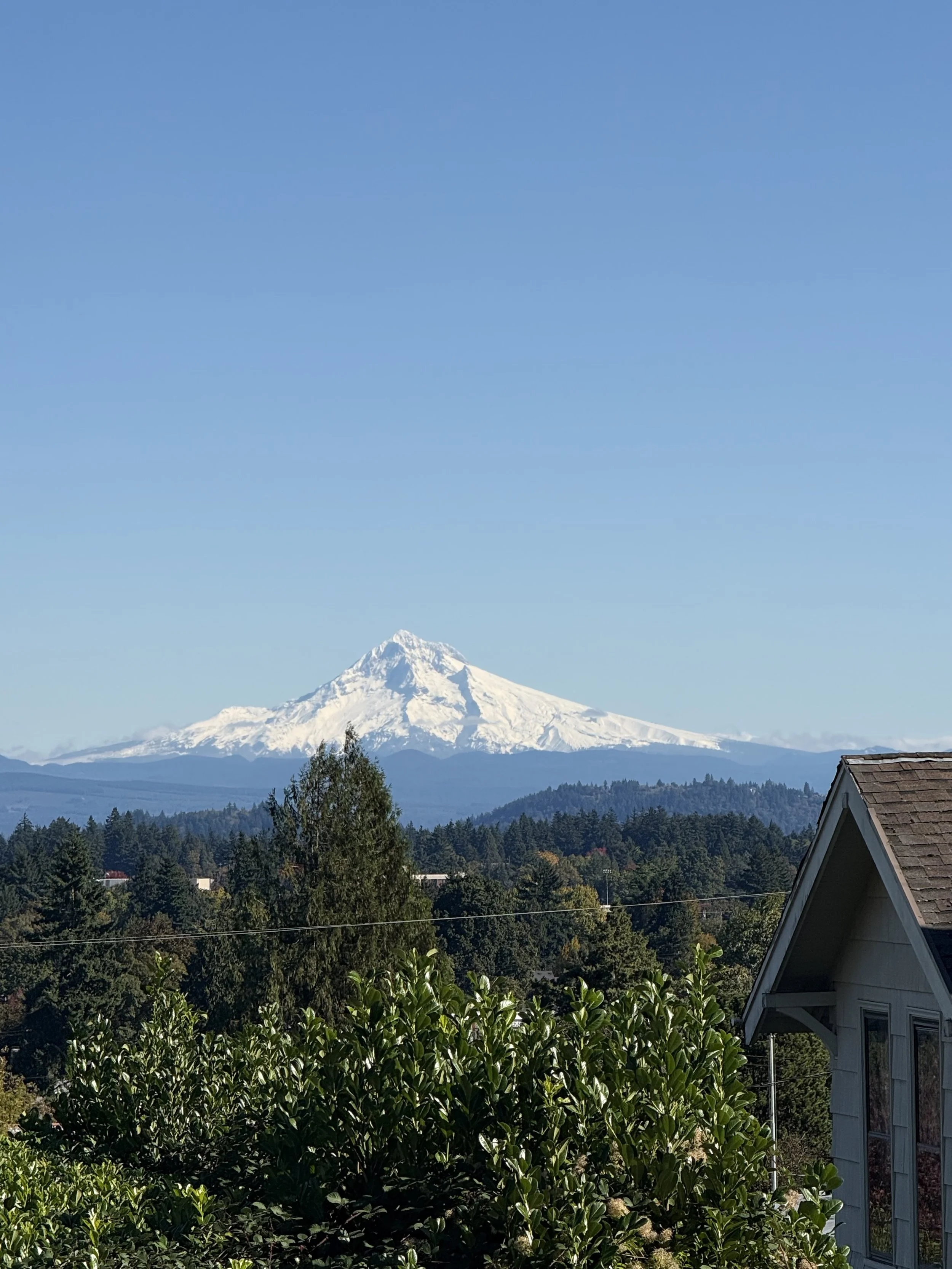
Mt Hood View on the Eat side of Mt. Tabor
Mount Tabor
Portland’s most magical volcanic neighborhood
Mount Tabor has some of my favorite view pockets in the city because they feel intimate and surprising.
Depending on the location, homes here can capture:
Mount Hood views
city skyline views
sunset light
treetop territorial views
The western slopes often offer skyline glimpses, while east-facing homes can capture mountain views.
And because of the elevation changes, even homes just a few blocks apart can have dramatically different outlooks.
Think of moving to Mount Tabor? →Pros and Cons of Mount Tabor
Portland Heights & Council Crest
Classic Portland luxury views
This is the quintessential “wow” Portland view experience.
The Southwest Hills, especially Portland Heights and Council Crest, are known for:
sweeping city views
Mount Hood and Mount St. Helens views
dramatic sunsets
forested privacy
luxury architectural homes tucked into the hills
These neighborhoods tend to feel quiet, private, and elevated — literally and emotionally. Many homes are positioned to maximize western light and skyline views, especially at sunset.
Best for:
Luxury buyers
Architectural homes
Privacy + views
Buyers relocating from California or Seattle who want a hillside feel
Moving from Seattle → Moving From Seattle to Portland
Moving from California →Moving to Portland from the Bay Area
Northwest Heights & Forest Heights
Forest-meets-city living
Northwest Heights offers a different kind of beauty.
Instead of feeling urban, these neighborhoods often feel:
wooded
peaceful
tucked away
connected to nature
Many homes have territorial valley views, coastal range sunsets, or glimpses of downtown through the trees.
Forest Heights especially appeals to buyers who want:
newer homes
larger lots
quieter streets
quick Nike/Intel access
hiking nearby
In healthcare ?→ Moving to Portland for Healthcare Professionals
Alameda
Some of the best Mount Hood views on the East Side
Alameda is iconic for a reason.
Many homes along Alameda Ridge and nearby streets capture stunning:
Mount Hood views
downtown skyline views
sunset views over the West Hills
And unlike some hillside neighborhoods, Alameda combines views with walkability and beautiful historic architecture.
The streets here feel elevated and grand while still connected to neighborhood cafes, schools, and parks.
Streets to pay attention to:
Alameda Ridge
Regents
Fremont-adjacent ridge streets
Sabin & Inner Northeast
Hidden skyline view pockets
This is one people sometimes overlook.
Certain elevated pockets of Sabin and Inner Northeast Portland can have incredible:
downtown skyline views
West Hills sunset views
twinkling nighttime city views
Especially from:
upper-level additions
rooftop decks
modern infill homes
homes near the ridge lines
This area can offer a more approachable price point compared to the West Hills while still delivering stunning city views.
Sabin →Sabin Neighborhood Guide
Sellwood, Dunthorpe & River View Areas
River, bridge, and tree-lined beauty
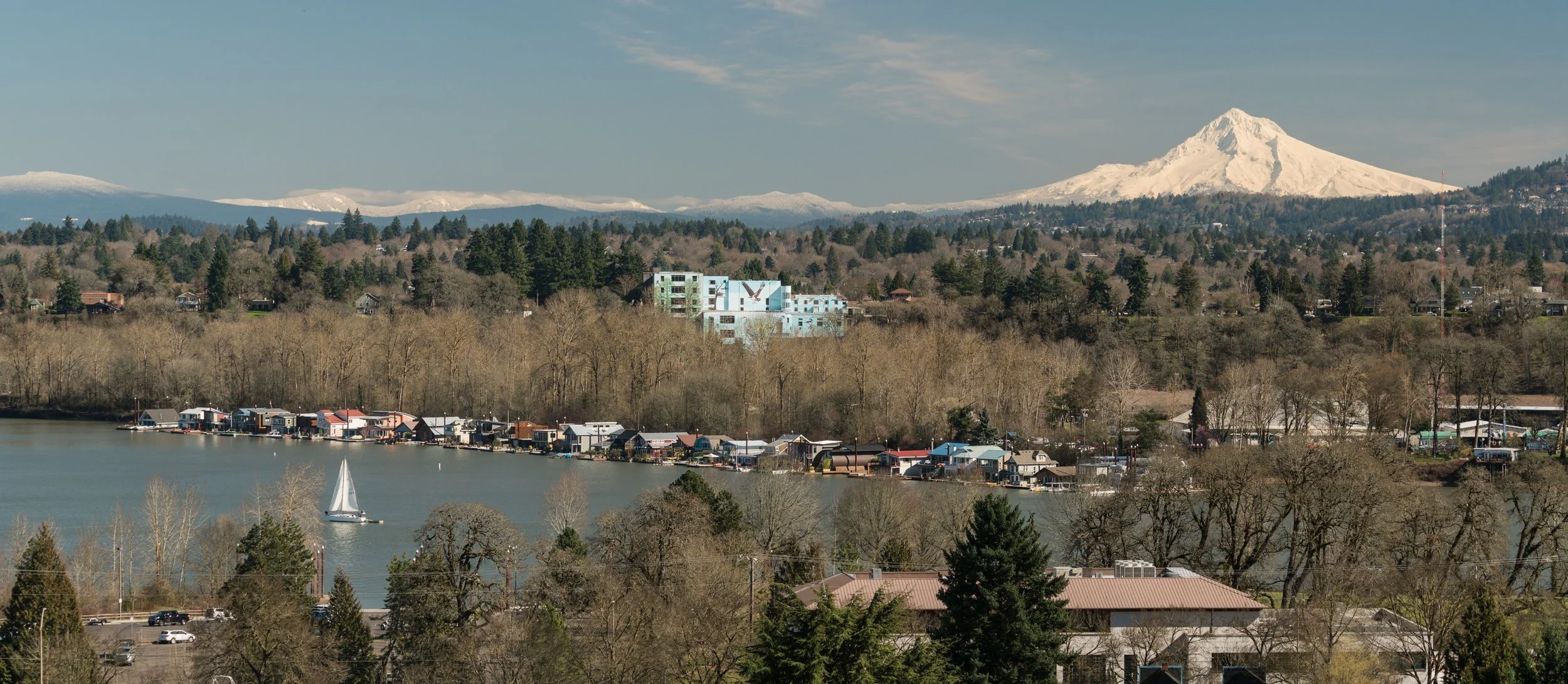
The houseboats along the Sellwood waterfront and the Oaks Bottom Wildlife refuge, offers miles of waterfront trails, a delight for birdwatchers and outdoor enthusiasts.
If your dream view is less “mountain panorama” and more peaceful river scenery, this area deserves attention.
Certain homes in:
Sellwood-Westmoreland
Dunthorpe
Johns Landing
Milwaukie riverfront pockets
can offer:
Willamette River views
bridge views
city reflections at night
tree-lined waterfront scenery
Sellwood especially has some beautiful hidden bluff streets overlooking Oaks Bottom and the river corridor.
→Three Southeast neighborhoods I Love
Rocky Butte Area
Unexpected panoramic views
The Rocky Butte area is one of Portland’s hidden gems for views.
Some homes here capture:
Mount Hood
Mount St. Helens
sweeping eastern territorial views
dramatic sunrise light
Because of the elevation, there are some truly spectacular perspective points throughout the neighborhood.
This area still feels under-the-radar compared to some of Portland’s more established luxury view neighborhoods.
Lake Oswego
Luxury waterfront and territorial views
Lake Oswego offers a very different type of view lifestyle.
Here you’ll find:
lake views
territorial hillside views
golf course outlooks
luxury contemporary homes with walls of glass
The vibe here tends to feel polished, private, and upscale, with many homes designed specifically around indoor-outdoor living and view orientation.
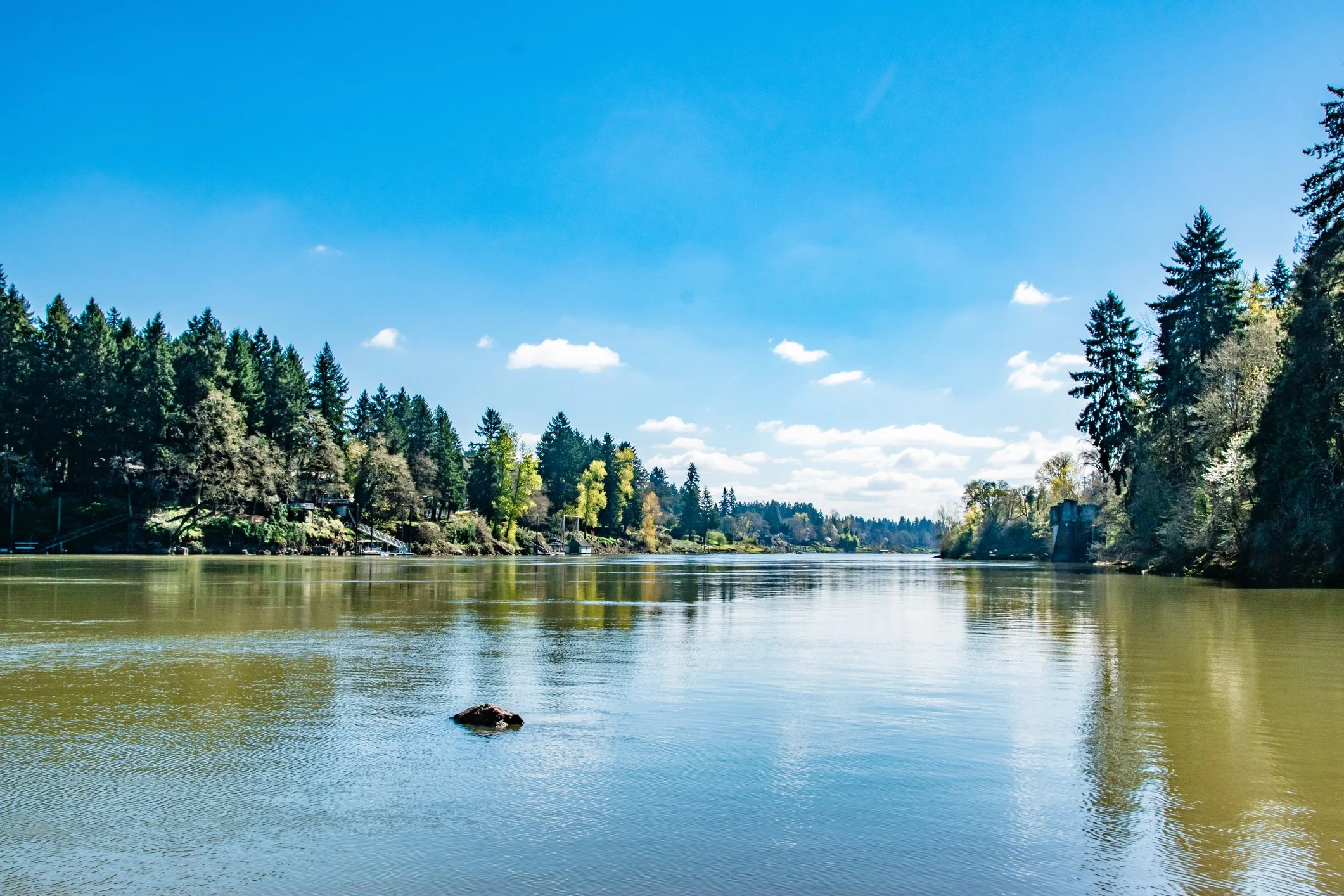
Lake Oswego has some of the most stunning waterfront properties in the Portland area, with peaceful river and lake views, mature trees, and a level of privacy that feels truly special
West Linn & South Waterfront Edges
Underrated river and valley views
West Linn often gets overlooked in Portland view conversations, but there are some incredible homes overlooking:
the Willamette River
forested valleys
dramatic cliffside terrain
You can also find some modern condos and penthouses in South Waterfront with:
river views
bridge views
Mount Hood visibility
incredible nighttime city lights
One of the things I love most about Portland is that there isn’t just one type of “view property.”
Some people want dramatic mountain panoramas.
Others want cozy skyline sunsets.
Others want river reflections, bridges, trees, or total privacy in the hills.
And often, the best view homes are the ones that surprise you.
If you’re searching for a home with a view in Portland, I’d love to help you understand the differences between these neighborhoods and help you find the kind of view that actually fits your lifestyle.
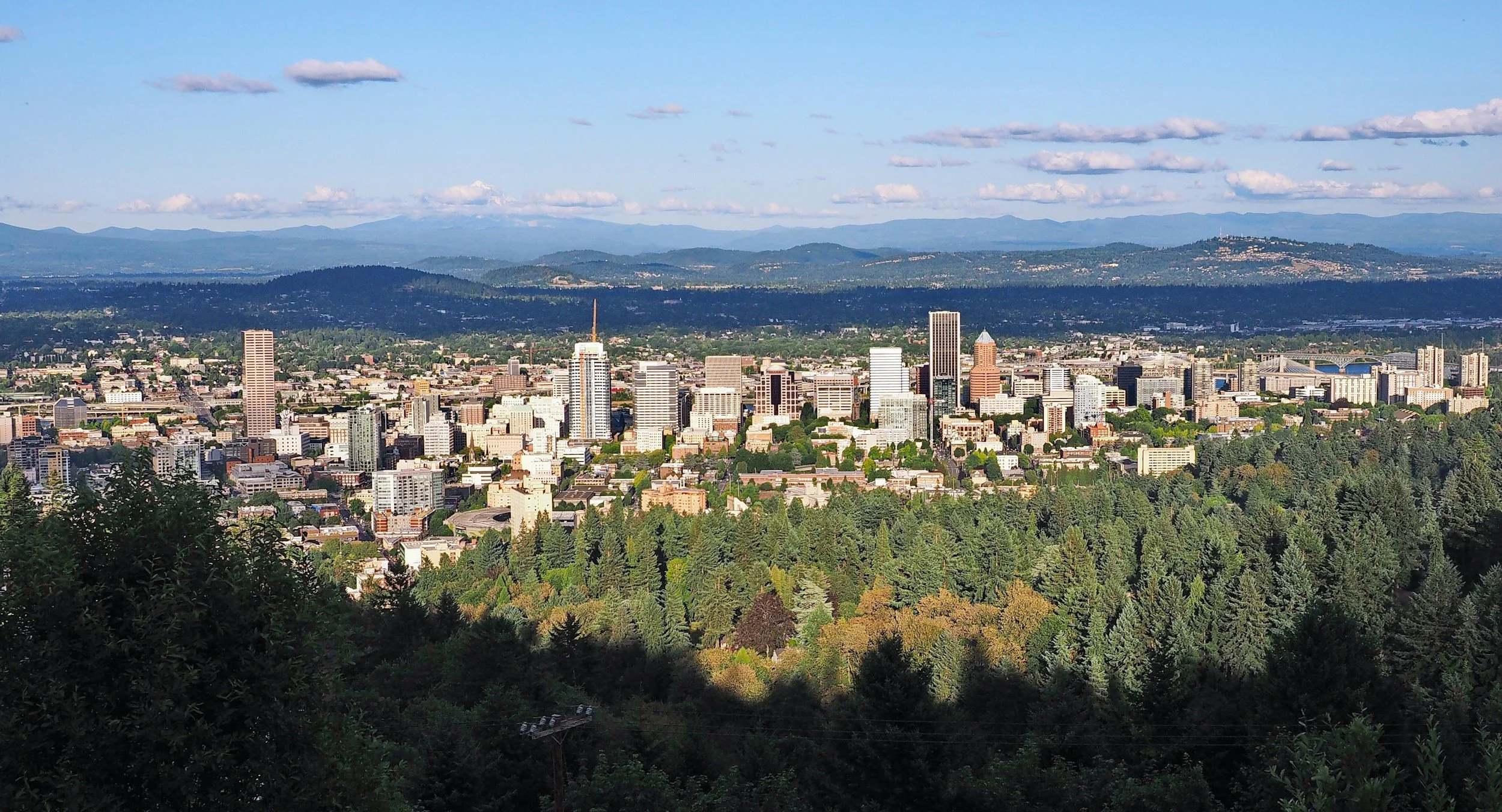
Three Southeast Portland Neighborhoods I Love
Looking to buy in Southeast Portland? Here are three neighborhoods, for three different lifestyles and budgets.
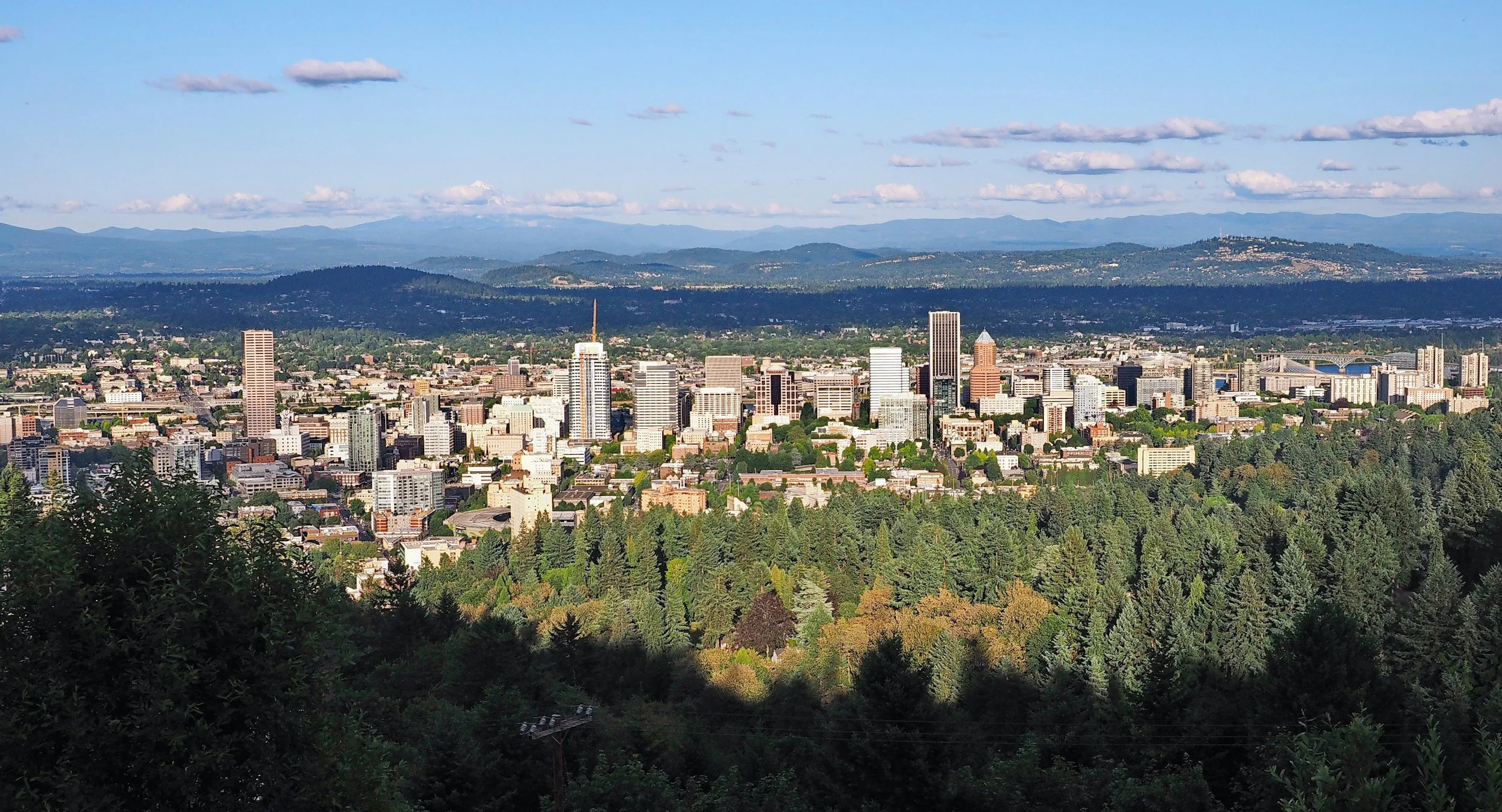
Three Southeast Portland Neighborhoods I Love (and Why Buyers Are Drawn to Them)
If you’re just starting to explore, you can begin here → Moving to Portland: How to Choose the Right Neighborhood
Southeast Portland is one of the most dynamic and livable parts of the city, offering a compelling mix of walkability, local culture, green space, character homes, and strong long-term value. For buyers relocating to Portland or moving within the city, SE Portland consistently stands out for its lifestyle appeal, neighborhood personality, and accessibility.
From park-centered living to vibrant main streets and village-like charm, Southeast Portland offers neighborhoods that feel distinct while still being deeply connected to the rest of the city.
Here are three Southeast Portland neighborhoods I consistently recommend to buyers — and why they continue to attract strong demand.
Mount Tabor: Park-Centered Living, Views, and Everyday Livability
Thinking about moving to Mount Tabor? → Pros and Cons of buying in Mount Tabor
Mount Tabor is one of the most beloved neighborhoods in Southeast Portland — anchored by Mount Tabor Park, one of the city’s most iconic green spaces.
Living here means easy access to forest trails, walking paths, playgrounds, open lawns, and sweeping city views, all within minutes of restaurants, coffee shops, and neighborhood amenities. Buyers love the combination of nature, community feel, and architectural character, with homes ranging from classic Craftsman to Mid-Century and thoughtfully updated modern residences.
Why buyers love Mount Tabor:
• Direct access to Mount Tabor Park and outdoor recreation
• Elevated streets with scenic city and mountain views
• Strong neighborhood identity and community pride
• Walkable access to cafes, shops, and dining
• Long-term resale strength and consistent buyer demand
Mount Tabor attracts buyers who want a balanced lifestyle — green space, neighborhood charm, and city convenience all in one place.
Denise’s Pick — Mount Tabor
From the moment I moved to Portland, Mount Tabor became my favorite place in Southeast. It’s truly special to have a park like this in the middle of the city — with epic views, forested trails, and space to breathe. It feels peaceful, inspiring, and connected all at once, and I still think it’s one of the most magical places to live in Portland.
Foster-Powell (FoPo): Culture, Value, and Central Access
Foster-Powell, often called FoPo, is one of Southeast Portland’s most energetic and evolving neighborhoods. Known for its creative spirit, independent businesses, music venues, breweries, and restaurant scene, it continues to attract buyers looking for personality, walkability, and value.
Housing options include classic Portland bungalows, cottages, fixer opportunities, and renovated homes, making it appealing to first-time buyers, move-up buyers, and investors alike.
Why buyers love Foster-Powell:
• Strong local culture and vibrant commercial corridors
• More accessible price point than many nearby neighborhoods
• Central Southeast location with excellent commuting access
• Quick routes toward downtown, the airport, and major highways
• A neighborhood with visible growth and upside potential
FoPo appeals to buyers who want energy, authenticity, affordability, and strong lifestyle potential.
Denise’s Pick — Foster-Powell
One of the things I love about Foster-Powell is that it’s more accessible price-wise while still being right in the middle of Southeast Portland. It’s a great commuter neighborhood with easy access to major routes — whether you’re heading into downtown, toward the mountains via Highway 26, or out toward the coast. It offers fantastic value for buyers who want location, character, and long-term upside.
Sellwood-Moreland: Village Charm, Walkability, and River Access
Sellwood-Moreland feels like a small town within Portland, known for its tree-lined streets, walkable commercial core, local boutiques, bakeries, antique shops, parks, and riverfront access.
It attracts buyers who value community connection, slower pace, strong schools, and a lifestyle built around walkability and neighborhood pride. The housing stock includes classic homes with porches, gardens, and timeless character, making it especially appealing to families and long-term homeowners.
Why buyers love Sellwood-Moreland:
• Walkable shops, cafes, and everyday amenities
• Access to the Willamette River and Springwater Corridor
• Family-friendly streets and strong neighborhood identity
• Classic homes with charm, gardens, and personality
• A warm, welcoming, community-driven lifestyle
Sellwood-Moreland is ideal for buyers who want livability, charm, and a true neighborhood feel.
Denise’s Pick — Sellwood-Moreland
→ Check out my Guide to busy Streets on the East Side of Portland
When I lived in Sellwood, I rarely left the neighborhood — everything I needed was right there. Bike trails, walking trails, parks, river access, shops, restaurants, and local favorites were all within easy reach. It’s one of those neighborhoods where life feels simple, connected, and community-centered, and I still think it offers one of the best day-to-day lifestyles in Portland.
How I Help Buyers Choose the Right Southeast Portland Neighborhood
Every buyer’s priorities are different — walkability, commute, schools, budget, architecture, lifestyle, and long-term investment potential all play a role.
When I work with buyers in Southeast Portland, I help them:
• Compare neighborhoods based on real lifestyle fit
• Identify value pockets and emerging opportunities
• Understand street-level desirability and micro-locations
• Find homes that balance design, comfort, and resale strength
• Gain access to coming-soon and off-market listings when available
My goal is to make the process feel calm, strategic, and empowering — never rushed or overwhelming.
Thinking About Buying in Southeast Portland? Let’s Narrow It Down
If you’re considering a move to Southeast Portland — or relocating to Portland more broadly — I’d love to help you shortlist neighborhoods and homes that match your lifestyle, budget, and aesthetic.
👉 Tell me what matters most to you, and I’ll curate a personalized list of Southeast Portland homes worth seeing.

Moving to Portland: Best areas to live in 2026
Relocating to Portland can feel overwhelming — especially when you’re trying to balance lifestyle, commute, budget, home style, and long-term value. The good news? With the right guidance, you can quickly narrow down Portland neighborhoods that align with how you actually want to live.

Fremont Bridge
Relocating to Portland can feel overwhelming — especially when you’re trying to balance lifestyle, commute, budget, home style, and long-term value. The good news? With the right guidance, you can quickly narrow down Portland neighborhoods that align with how you actually want to live.
As a Portland real estate broker who works closely with relocation buyers, I help clients compare neighborhoods, identify value pockets, and access homes before they hit the wider market. Whether you’re moving for work, family, or a lifestyle change, Portland offers distinct areas with unique character, architecture, and community energy.
If you’re just starting to explore, you can begin here → Moving to Portland: How to Choose the Right Neighborhood
Below are 3 of the best areas to live in Portland in 2026, with a special focus on standout neighborhoods in Northeast Portland.
Why Northeast Portland Is One of the Best Places to Live
Northeast Portland is known for its tree-lined streets, historic homes, strong schools, vibrant neighborhood hubs, and excellent long-term resale value. Buyers are drawn to the balance of architectural charm, walkability, parks, restaurants, and community feel.
This area offers:
• Classic Craftsman, Tudor, Colonial Revival, and Mid-Century homes
• Easy access to downtown Portland
• Highly desirable residential streets
• Strong long-term property value
• A lifestyle that blends urban energy with neighborhood calm
Here are a few of my favorite Northeast Portland neighborhoods — each appealing to a slightly different type of buyer.
Irvington: Timeless Architecture and Classic Prestige
Check out → Irvington Walking Tour: Historic Homes, Tree-Lined Streets & the Heart of Northeast Portland
Irvington is one of Portland’s most iconic and premium-priced neighborhoods — known for its grand historic homes, wide boulevards, and refined residential atmosphere.
Homes in Irvington often feature beautiful original details, thoughtful modern updates, and a sense of craftsmanship that’s increasingly rare.
Why buyers love living in Irvington:
• Elegant historic architecture and large lot sizes
• A strong neighborhood identity and pride of ownership
• Proximity to downtown, NE dining, and cultural amenities
• Quiet, stately streets with mature trees
• Consistently strong resale and long-term value
Irvington attracts buyers who value heritage, design, craftsmanship, and a sense of permanence — those who want a home that feels meaningful, not just functional
Alameda: Premium Living with Views and Community Feel
Alameda is another highly sought-after, premium neighborhood in Northeast Portland, known for its beautiful homes, elevated views, and strong community atmosphere.
This area offers:
• Architectural charm and well-kept properties
• Scenic outlooks and hillside streets
• A family-friendly feel with access to parks and schools
• A balance of prestige, warmth, and livability
Alameda tends to attract buyers looking for refined residential living with a welcoming, neighborhood-centric vibe — similar in pricing tier to Irvington, but with its own distinct character.
Sabin: Character Homes with Value Potential
Sunny, walkable, and close to multiple neighborhood hubs.→ Read the full Sabin neighborhood guide
For buyers seeking classic Portland charm with more attainable pricing, Sabin continues to stand out as a neighborhood with excellent value potential.
Sabin offers:
• Tree-lined streets and strong neighborhood culture
• Classic Craftsman and bungalow-style homes
• Walkable access to local cafes, restaurants, and shops
• A compelling balance of price, character, and upside
Sabin is often a smart choice for buyers who want to stay close to premium Northeast neighborhoods while capturing more approachability and future growth potential.