
Moving from Seattle to Portland: What Actually Feels Different (and What Your Budget Gets You)
Moving from Settle to Portland? Here’s what actually feels different, and how your budget translates across neighborhoods. A clear, real-world comparison to help you figure out where you’ll feel at home.
Portland Relocation Guide, Denise Wolfe
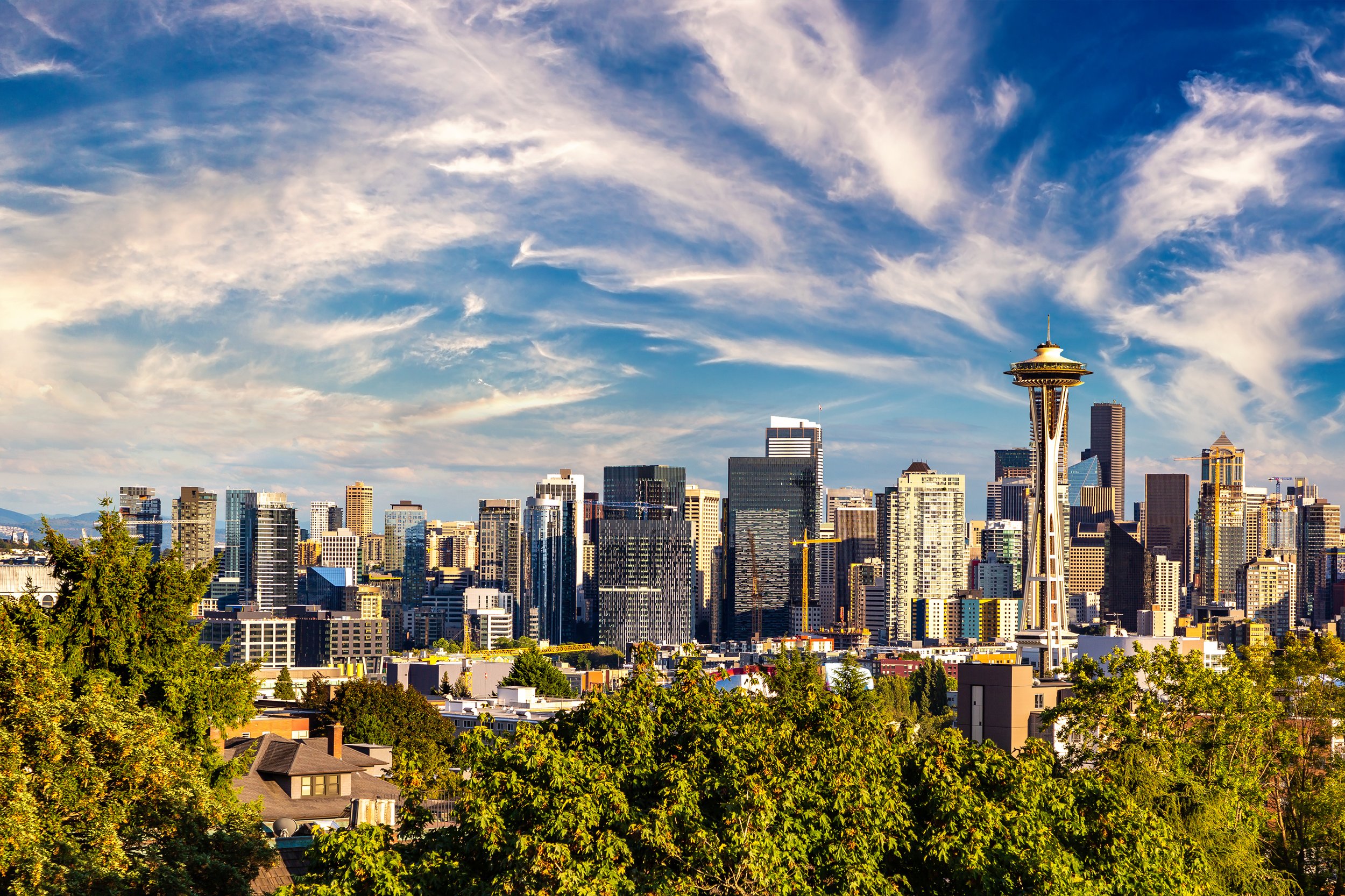
The Seattle skyline with the Space Needle rising above the city, a familiar view for many making the move from Seattle to Portland.
✔ Portland feels smaller and more neighborhood-driven
✔ Your money often stretches further
✔ Neighborhood personalities are strong
✔ Commutes often feel easier
✔ Buyers usually choose different areas than expected

After helping people relocate to Portland for over 15 years, I’ve learned Portland isn’t one market. It’s dozens of micro-markets with completely different personalities.
If you’re moving from Seattle to Portland, a lot will feel familiar at first. The climate, the general pace, even the emphasis on walkable neighborhoods, it’s not a dramatic shift.
But once you start looking more closely, there are a few differences that tend to shape how people actually live here day to day.
This guide is meant to help you understand those differences more clearly so you can focus on the areas that will actually feel like the right fit.
Moving from Seattle to Portland isn’t about adjusting to a completely new lifestyle. It’s about understanding how Portland’s micro-markets work, and how your budget and preferences translate into specific neighborhoods.
Seattle tends to feel more uniform from block to block. Portland varies more, and that variation can significantly impact both lifestyle and value.
In general, your budget often goes further in Portland. But in highly walkable, close-in neighborhoods, competition is still strong and pricing can feel similar in key pockets.
Is moving from Seattle to Portland a big adjustment?
Not usually, but the differences show up in how neighborhoods feel and how your budget translates.
Portland tends to feel more neighborhood-driven, where small pockets can vary significantly block to block
Seattle buyers are often surprised by how much micro-location and street placement impact both lifestyle and value
While pricing can feel more approachable in some areas, competition still exists in highly walkable neighborhoods
For most people, the transition is less about adapting to a new city and more about learning how to navigate Portland’s micro-markets.
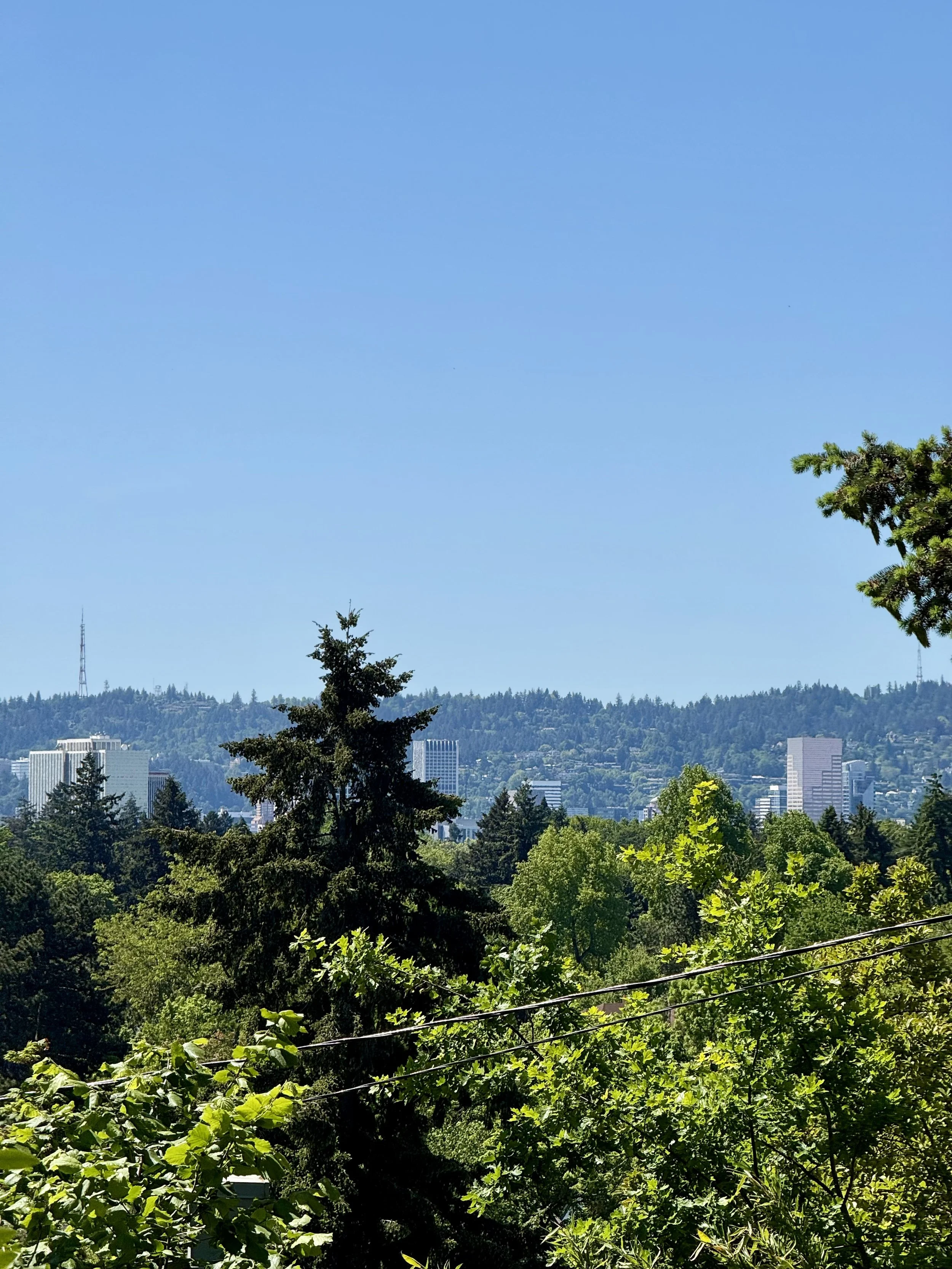
View from Portland’s Alameda neighborhood overlooking the city, trees and surrounding landscape.
What feels similar (and why that matters)
Walkability is important in both cities
Neighborhood identity matters
Access to food, coffee, and local spots is a priority
For a lot of Seattle buyers, this is what makes the transition feel easier than expected.
Where things start to feel different is how those neighborhoods are laid out and how much they can vary from one block to the next.
What actually feels different
This is where the biggest shift tends to happen.
Portland neighborhoods often have more variation block-to-block. They can feel less uniform than many Seattle areas, and those differences are more noticeable day to day.
Two homes just a few blocks apart can offer completely different experiences in terms of noise, walkability, and overall feel.
What your budget looks like in Portland
For most buyers moving from Seattle, one of the biggest shifts is what your budget actually translates to on the ground.
In many Portland neighborhoods, the same price point tends to go a bit further, often in terms of space, lot size, or overall feel.
That said, it’s not always a direct upgrade.
In close-in, highly walkable neighborhoods, pricing can still feel competitive, especially for updated homes.
The bigger difference is how pricing interacts with micro-markets, where similar price points can offer very different experiences depending on the street and location.
👉 If you want to understand how pricing strategy plays into this, I break that down here → Price High vs Price to Entice
Seattle → Portland neighborhood comparisons (loosely)
These aren’t exact matches, but they are a helpful starting point:
Ballard / Green Lake → Sabin, Alameda, parts of Northeast
Capitol Hill → Inner Southeast (Hawthorne, Belmont, Division)
Queen Anne → Mount Tabor or West Hills (with a different feel)
West Seattle → Sellwood / Moreland
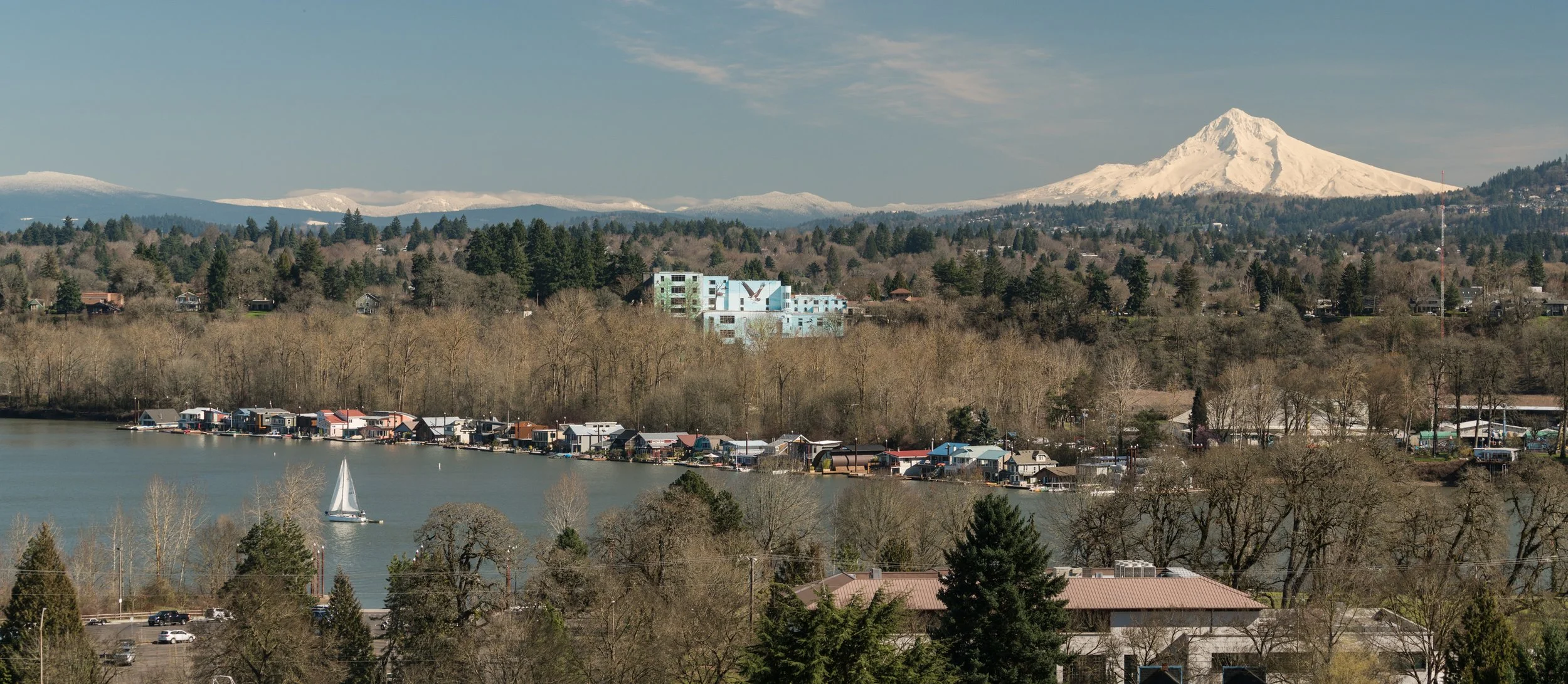
Portlands Sellwood-Moreland neighborhood, a favorite among Seattle transplants who love West Seattle’s community feel, charm, and balance of Urban living and outdoor access.
👉 If you want to go deeper into these areas:
💰 Seattle vs Portland pricing (by neighborhood)
When you compare similar lifestyles and locations, some clear patterns show up.
In general:
Seattle is still roughly 20 to 40 percent higher in comparable close-in neighborhoods
Portland often offers more space or better condition at the same price point
Highly walkable Portland neighborhoods can still feel competitive
West Seattle → Sellwood / Moreland
Seattle: $900K – $1.5M typical
Portland: $650K – $1.1M typical
👉 Similar lifestyle, often a lower entry point in Portland
Ballard → Mississippi / Inner North
Seattle: $1M – $1.6M typical
Portland: $600K – $1M typical
👉 Walkability is similar, but pricing is noticeably lower in Portland
Fremont → Alberta Arts District
Seattle: $900K – $1.5M typical
Portland: $550K – $900K typical
👉 One of the biggest price gaps for a similar vibe
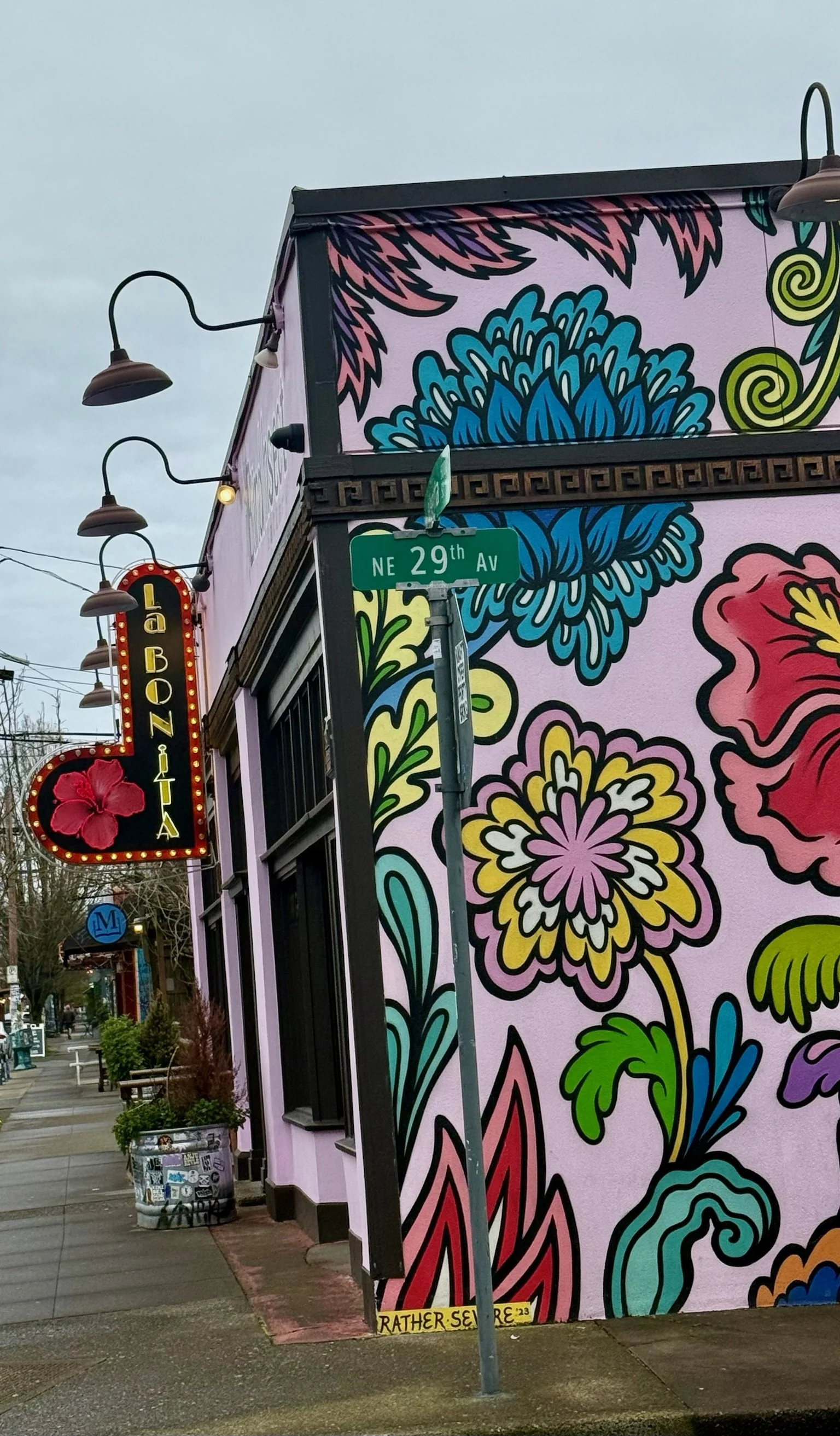
Alberta Street is one of Portland’s most creative corridors, known for its murals, local restaurants, and eclectic charm. Seattle buyers often compare its artistic energy and personality to Fremont.
Queen Anne → Irvington / West Hills
Seattle: $1.5M – $3M+
Portland: $800K – $1.8M typical
👉 Lower entry into luxury neighborhoods in Portland
Looking for a View → Portland View Homes
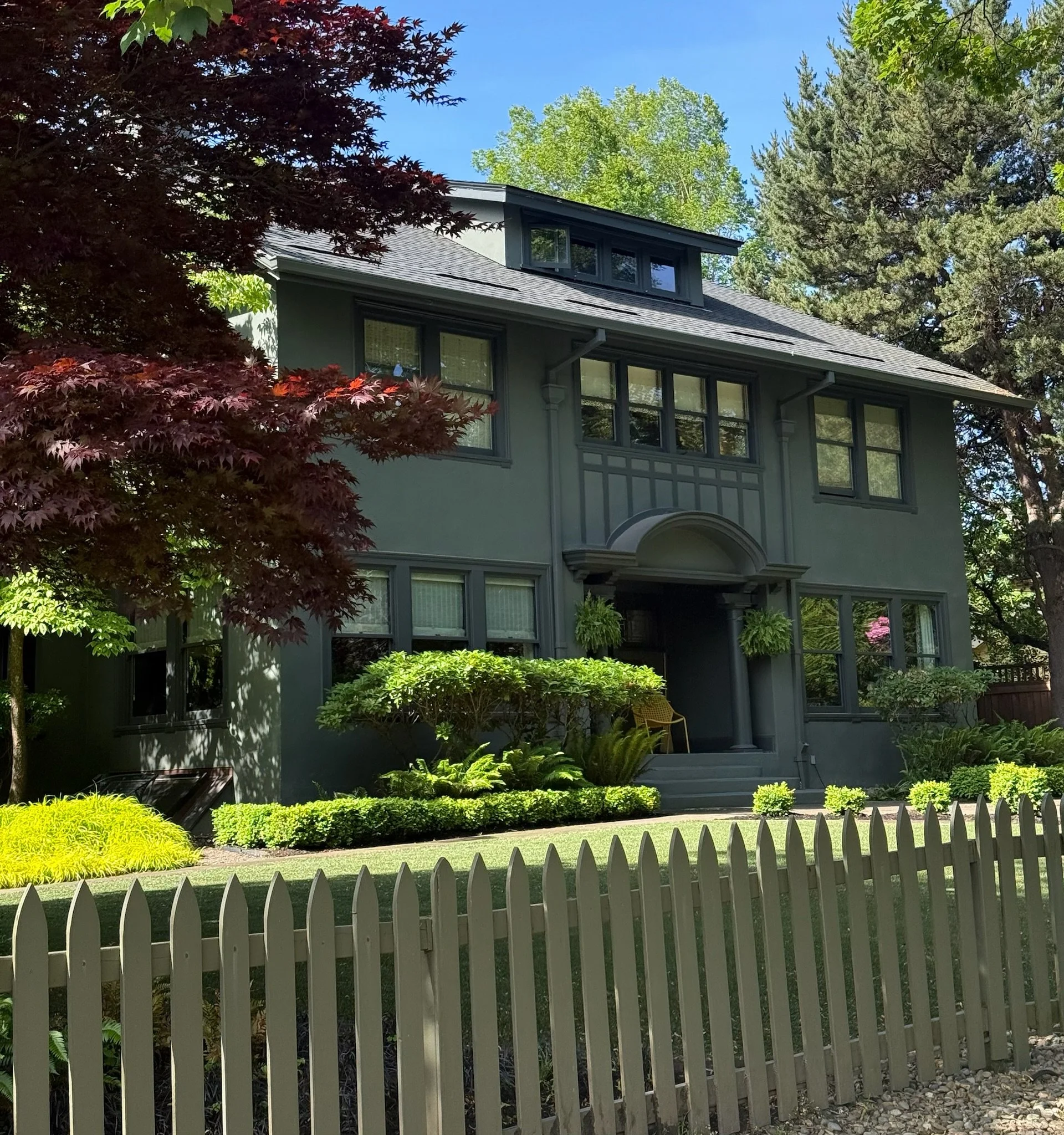
if you love the stately homes and historic beauty of North Queen Anne, Irvington may feel instantly familiar. Grand homes like this, many over 100 years old, line some of Portland’s most iconic tree-canopied streets
Green Lake / Wallingford → Mount Tabor / Eastmoreland
Seattle: $1M – $1.8M typical
Portland: $700K – $1.3M typical
👉 Similar lifestyle, more flexibility in Portland pricing
Columbia City → FoPo / Montavilla
Seattle: $700K – $1.2M typical
Portland: $450K – $800K typical
👉 Where many buyers feel the biggest affordability shift
What matters most
The biggest takeaway isn’t just that Portland is less expensive. It’s how much more variation you get within the same price range.
In Seattle, pricing tends to feel more consistent within neighborhoods. In Portland, the same budget can look very different depending on the street, the block, and even which side of a main road you’re on.
👉 This is especially true when you start paying attention to traffic patterns and street placement → Busy Streets in Northeast & Southeast Portland
Where Seattle buyers tend to land
Most Seattle buyers I work with tend to focus on:
Inner Northeast for a more classic, residential feel
Inner Southeast for energy, food, and walkability
Areas near Mount Tabor for space and a quieter pace
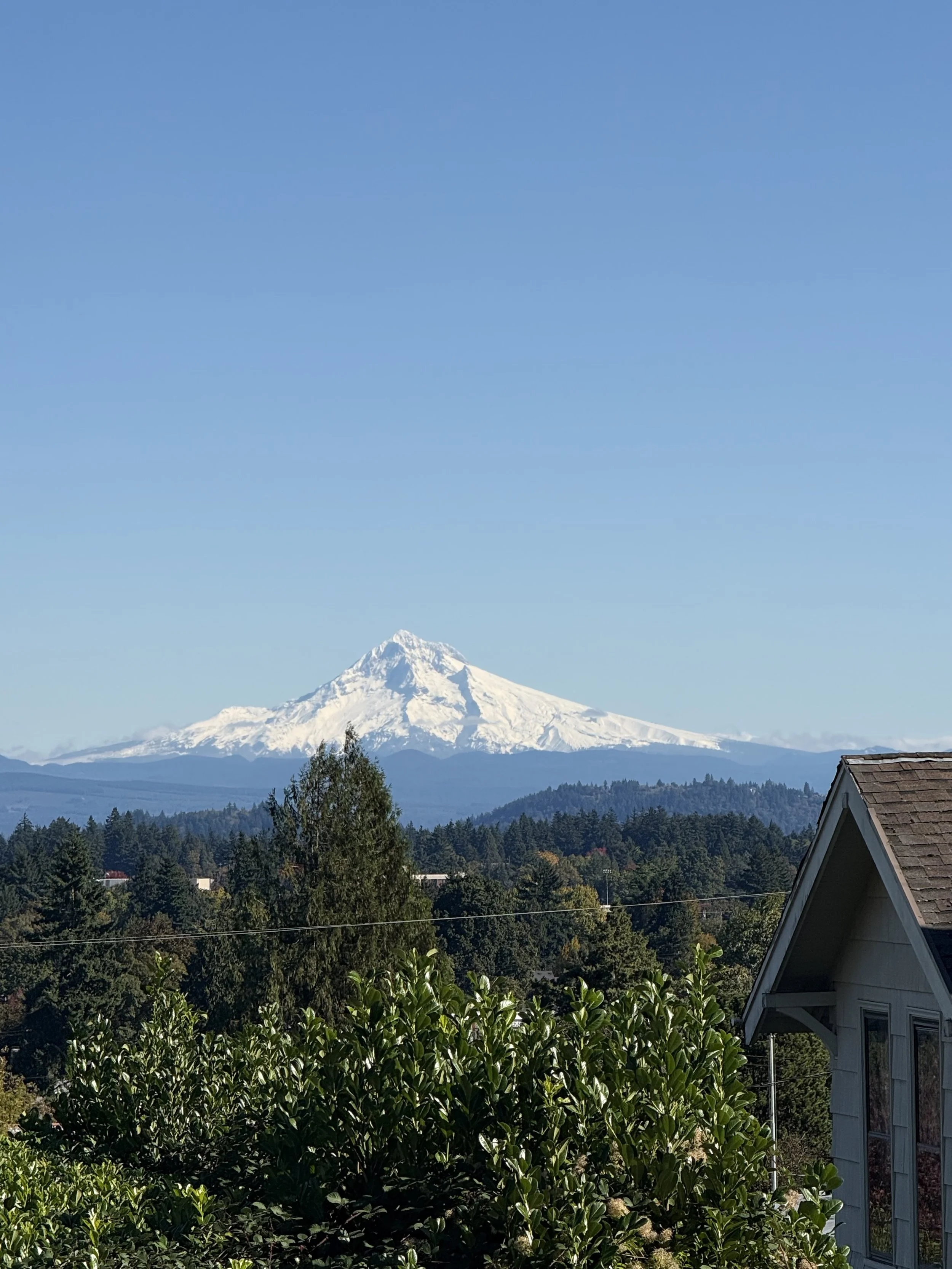
Mount Hood peeks out from Mount Tabor, a close-in Portland neighborhood that feels peaceful, tucked away, and connected to nature.
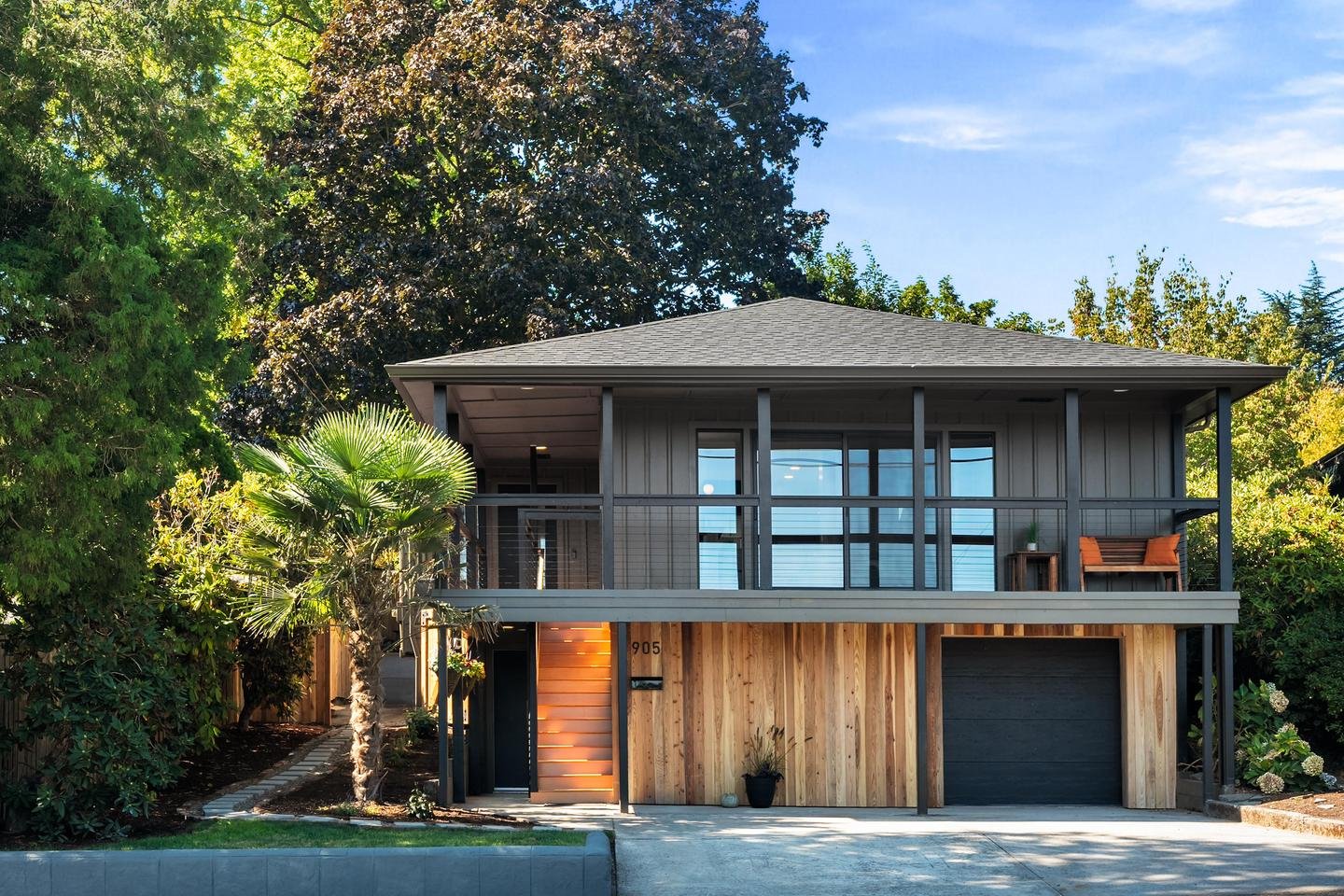
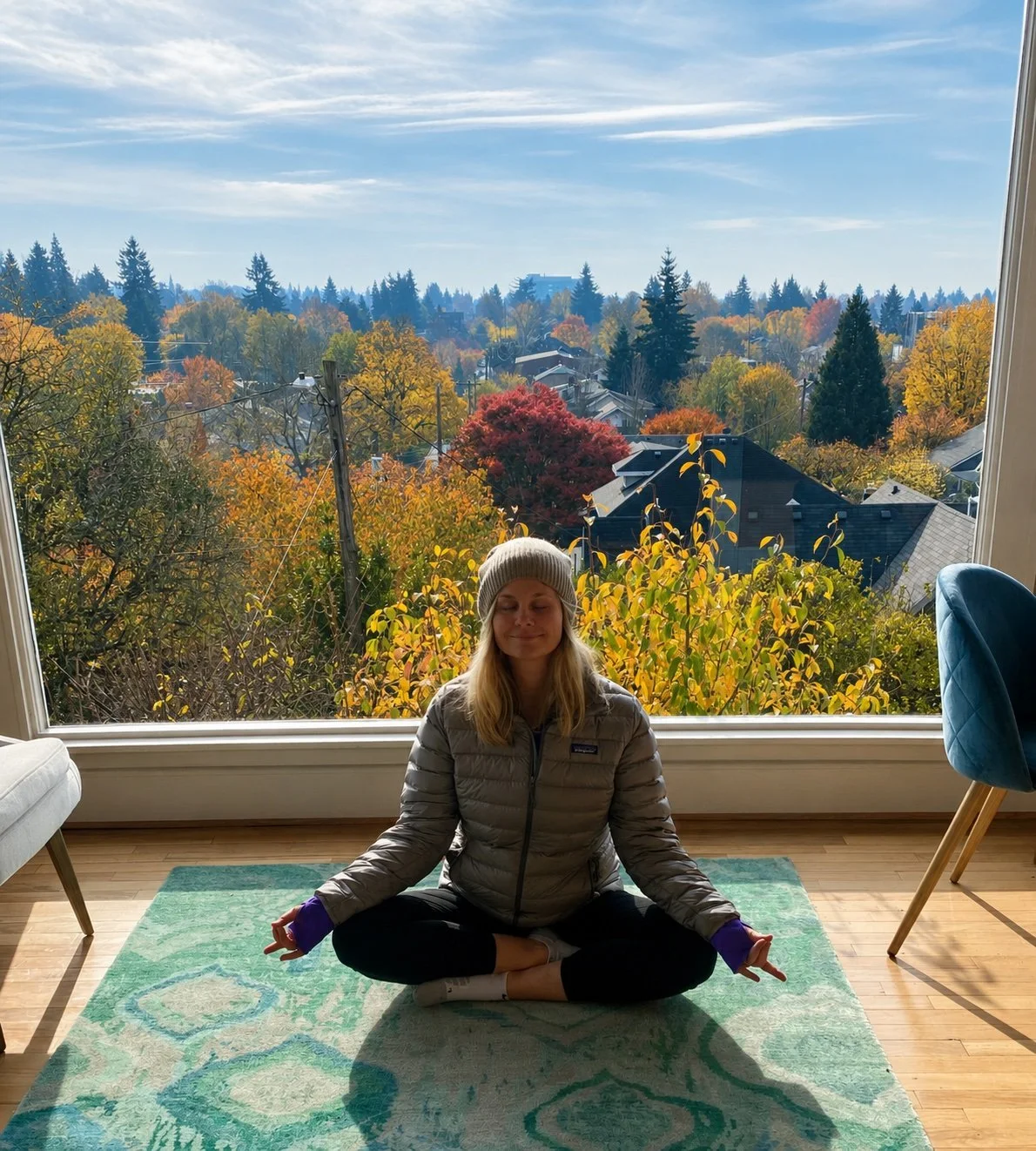
-
Generally, yes, although it depends on the neighborhood and price point. Many Seattle buyers are surprised by how much farther their budget can stretch in Portland, especially in certain eastside neighborhoods. But Portland is very much a city of micro-markets, and prices can vary dramatically from one area to another.
-
There isn’t always a perfect one-to-one match, but I often compare:
Queen Anne → Mount Tabor or West Hills
Ballard/Green Lake → Alameda or Irvington
Fremont → Alberta or Sabin
West Seattle → Sellwood-Moreland
Capitol Hill → Hawthorne, Belmont, or Division
The right fit usually depends on what you love most: architecture, walkability, views, schools, restaurants, or overall vibe.
-
Yes, but not necessarily in the way people expect. Portland often feels more neighborhood-centered. Daily life tends to happen closer to home, and many people find themselves spending less time driving across the city.
-
Not always. Many of my relocation clients buy successfully from out of town. It often helps to narrow down neighborhoods first based on commute, lifestyle, budget, and what kind of home experience you’re looking for.
-
I frequently see Seattle buyers gravitate toward neighborhoods like Alameda, Irvington, Mount Tabor, Sellwood-Moreland, Sabin, and parts of Northwest Portland. But buyers are often surprised by where they ultimately fall in love.
-
That depends on price point and neighborhood, but many buyers moving from Seattle feel they can get more home, more yard, or a different lifestyle for the same budget. One of the biggest surprises is how different two homes at the same price can feel in Portland.
-
For many families, yes. Buyers often tell me they appreciate the neighborhood feel, parks, community events, and the ability to build a more walkable daily lifestyle. Every neighborhood offers something different.
Want help narrowing this down?
If you’re moving from Seattle and trying to figure out where to focus, I can send a few specific neighborhoods and pockets based on your budget and how you want to live day to day.

Where to Find the Best View Homes in Portland
From mountain views and skyline sunsets to hidden river overlooks, Portland is full of incredible vantage points. I’ve been inspired lately to put together guides to some of my favorite neighborhoods — from Mount Tabor and Sabin to Sellwood and beyond — along with relocation resources for anyone considering a move to Portland. ✨

If you’re searching for a home with incredible views in Portland, there’s no one-size-fits-all answer. Some neighborhoods offer sweeping Mount Hood views, others overlook the river, bridges, skyline, or forests. From the dramatic hillsides of the West Hills and Lake Oswego to the iconic East Side viewpoints in Mount Tabor and Alameda, Portland has surprisingly diverse view properties depending on the lifestyle you want.
What neighborhoods in Portland have the best views?
Some of the best neighborhoods for view homes in Portland include:
Portland Heights
Council Crest
Forest Heights
Northwest Heights
Alameda
Mount Tabor
Sabin
Lake Oswego
Sellwood-Westmoreland
Dunthorpe
Rocky Butte area
Southwest Hills
West Linn and Milwaukie riverfront areas
The best neighborhood depends on whether you want:
Mount Hood views
skyline views
river views
bridge/city-light views
forested privacy
sunset exposure
walkability vs seclusion
One of my favorite things about Portland is how dramatically the landscape changes from neighborhood to neighborhood.
One minute you’re tucked into a quiet forested hillside with panoramic valley views. A few miles later, you’re standing on an East Side porch watching the sun set behind the downtown skyline and the West Hills.
Over the past few years, I’ve had the opportunity to tour and show homes from some truly incredible vantage points across Portland, and it’s made me appreciate just how unique our city is.
If you’re dreaming about finding a home with a view, here are some of the neighborhoods and pockets I think are especially worth paying attention to.
Mt Hood View on the Eat side of Mt. Tabor
Mount Tabor
Portland’s most magical volcanic neighborhood
Mount Tabor has some of my favorite view pockets in the city because they feel intimate and surprising.
Depending on the location, homes here can capture:
Mount Hood views
city skyline views
sunset light
treetop territorial views
The western slopes often offer skyline glimpses, while east-facing homes can capture mountain views.
And because of the elevation changes, even homes just a few blocks apart can have dramatically different outlooks.
Think of moving to Mount Tabor? →Pros and Cons of Mount Tabor
Portland Heights & Council Crest
Classic Portland luxury views
This is the quintessential “wow” Portland view experience.
The Southwest Hills, especially Portland Heights and Council Crest, are known for:
sweeping city views
Mount Hood and Mount St. Helens views
dramatic sunsets
forested privacy
luxury architectural homes tucked into the hills
These neighborhoods tend to feel quiet, private, and elevated — literally and emotionally. Many homes are positioned to maximize western light and skyline views, especially at sunset.
Best for:
Luxury buyers
Architectural homes
Privacy + views
Buyers relocating from California or Seattle who want a hillside feel
Moving from Seattle → Moving From Seattle to Portland
Moving from California →Moving to Portland from the Bay Area
Northwest Heights & Forest Heights
Forest-meets-city living
Northwest Heights offers a different kind of beauty.
Instead of feeling urban, these neighborhoods often feel:
wooded
peaceful
tucked away
connected to nature
Many homes have territorial valley views, coastal range sunsets, or glimpses of downtown through the trees.
Forest Heights especially appeals to buyers who want:
newer homes
larger lots
quieter streets
quick Nike/Intel access
hiking nearby
In healthcare ?→ Moving to Portland for Healthcare Professionals
Alameda
Some of the best Mount Hood views on the East Side
Alameda is iconic for a reason.
Many homes along Alameda Ridge and nearby streets capture stunning:
Mount Hood views
downtown skyline views
sunset views over the West Hills
And unlike some hillside neighborhoods, Alameda combines views with walkability and beautiful historic architecture.
The streets here feel elevated and grand while still connected to neighborhood cafes, schools, and parks.
Streets to pay attention to:
Alameda Ridge
Regents
Fremont-adjacent ridge streets
Sabin & Inner Northeast
Hidden skyline view pockets
This is one people sometimes overlook.
Certain elevated pockets of Sabin and Inner Northeast Portland can have incredible:
downtown skyline views
West Hills sunset views
twinkling nighttime city views
Especially from:
upper-level additions
rooftop decks
modern infill homes
homes near the ridge lines
This area can offer a more approachable price point compared to the West Hills while still delivering stunning city views.
Sabin →Sabin Neighborhood Guide
Sellwood, Dunthorpe & River View Areas
River, bridge, and tree-lined beauty
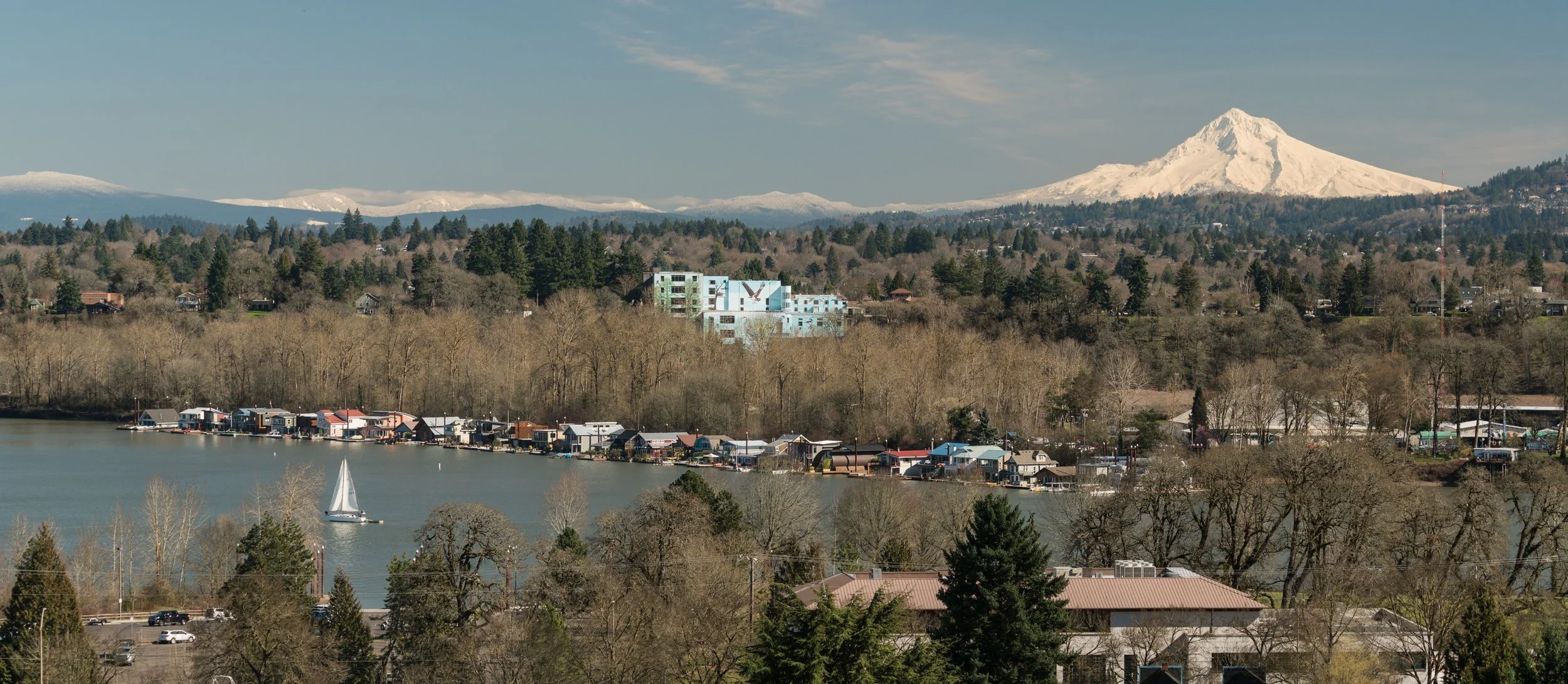
The houseboats along the Sellwood waterfront and the Oaks Bottom Wildlife refuge, offers miles of waterfront trails, a delight for birdwatchers and outdoor enthusiasts.
If your dream view is less “mountain panorama” and more peaceful river scenery, this area deserves attention.
Certain homes in:
Sellwood-Westmoreland
Dunthorpe
Johns Landing
Milwaukie riverfront pockets
can offer:
Willamette River views
bridge views
city reflections at night
tree-lined waterfront scenery
Sellwood especially has some beautiful hidden bluff streets overlooking Oaks Bottom and the river corridor.
→Three Southeast neighborhoods I Love
Rocky Butte Area
Unexpected panoramic views
The Rocky Butte area is one of Portland’s hidden gems for views.
Some homes here capture:
Mount Hood
Mount St. Helens
sweeping eastern territorial views
dramatic sunrise light
Because of the elevation, there are some truly spectacular perspective points throughout the neighborhood.
This area still feels under-the-radar compared to some of Portland’s more established luxury view neighborhoods.
Lake Oswego
Luxury waterfront and territorial views
Lake Oswego offers a very different type of view lifestyle.
Here you’ll find:
lake views
territorial hillside views
golf course outlooks
luxury contemporary homes with walls of glass
The vibe here tends to feel polished, private, and upscale, with many homes designed specifically around indoor-outdoor living and view orientation.
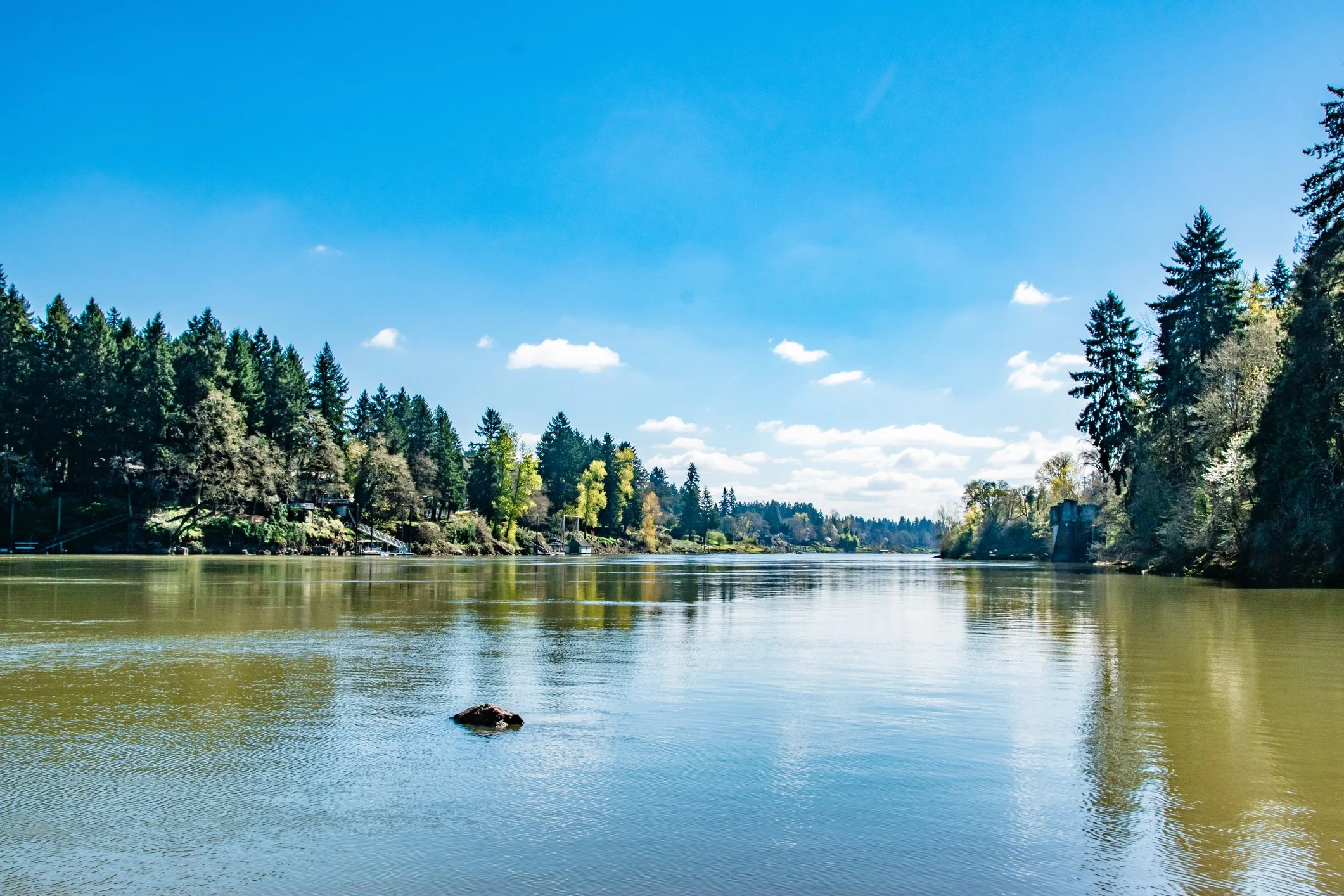
Lake Oswego has some of the most stunning waterfront properties in the Portland area, with peaceful river and lake views, mature trees, and a level of privacy that feels truly special
West Linn & South Waterfront Edges
Underrated river and valley views
West Linn often gets overlooked in Portland view conversations, but there are some incredible homes overlooking:
the Willamette River
forested valleys
dramatic cliffside terrain
You can also find some modern condos and penthouses in South Waterfront with:
river views
bridge views
Mount Hood visibility
incredible nighttime city lights
One of the things I love most about Portland is that there isn’t just one type of “view property.”
Some people want dramatic mountain panoramas.
Others want cozy skyline sunsets.
Others want river reflections, bridges, trees, or total privacy in the hills.
And often, the best view homes are the ones that surprise you.
If you’re searching for a home with a view in Portland, I’d love to help you understand the differences between these neighborhoods and help you find the kind of view that actually fits your lifestyle.
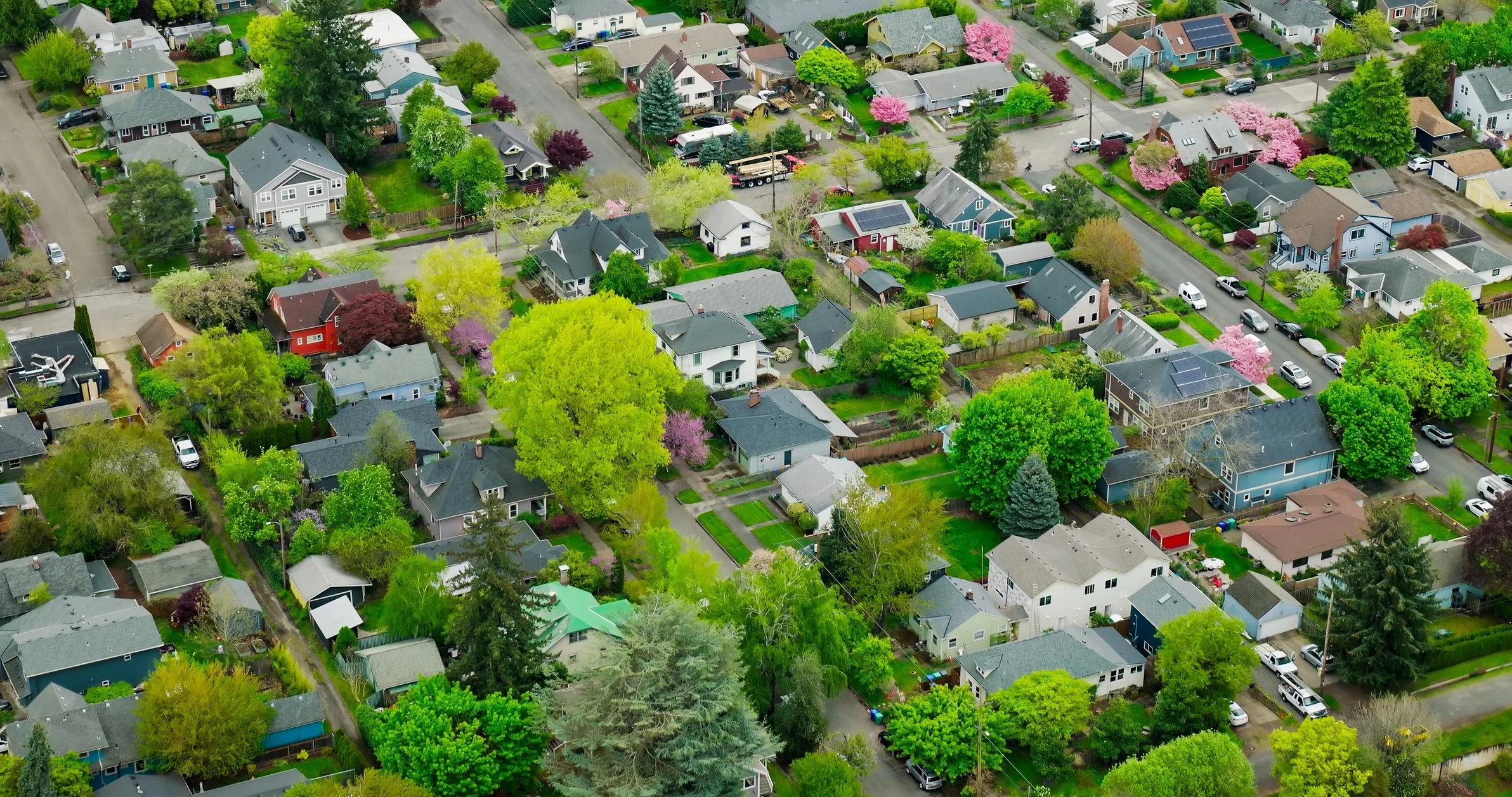
Busy Streets in Northeast & Southeast Portland: The Pros, the Cons, and What It’s Actually Like to Live on Them
Thinking about a home on a busy street in Portland? Here’s how traffic, location, and micro-markets impact livability—and when it can actually work in your favor.
If you’ve spent any time house hunting in Portland, you’ve probably had this moment:
You find the house… and then realize it’s on a busy street.
For some buyers, that’s an immediate no.
But for others, it can actually be a smart way to get into a neighborhood they love—if you understand the trade-offs and the specific street.
And if you’re just starting your search, I put together a broader guide to the best areas in Portland that’s a great place to begin before you zoom in street by street.
If you’re relocating or just starting to explore, you can start with my full guide to choosing the right Portland neighborhood → Moving to Portland Guide
How Portland Streets Actually Work
Portland is a city of micro-neighborhoods, and it’s designed in a very specific way:
👉 A handful of streets carry most of the traffic
👉 And one or two blocks away, things can feel completely different
That’s why “busy street” here isn’t one-size-fits-all. It’s often about the specific stretch, not just the name of the street.
The Pros of Buying on a Busy Street
1. A More Accessible Price Point
Homes on busier streets are often priced lower than similar homes nearby.
That can be your entry point into neighborhoods like Irvington, Alameda, Sabin, Richmond, or Sellwood—areas that might otherwise feel just out of reach.
2. Location & Convenience
These streets exist for a reason—they connect everything.
That means:
Faster access in and out of your neighborhood
Closer proximity to parks, restaurants, and shops
A more connected day-to-day lifestyle
3. Transit & Car-Free Potential
Many of Portland’s main bus routes run along these corridors.
So if you’re considering a more walkable or car-light lifestyle:
You’re closer to transit
Commutes can be easier
You’re often near neighborhood hubs
4. Long-Term Opportunity
If you plan to stay for a while, buying on a busy street can be a strategic way to build equity in a strong location.
The Cons of Buying on a Busy Street
1. Noise & Activity
More traffic means more noise—it’s that simple.
That said, in Portland, the intensity can change dramatically from one block to the next.
2. Less Privacy
There’s typically more foot and car traffic, which can make homes feel a bit more exposed—especially in front-facing spaces.
3. Resale Can Be More Selective
Not every buyer is open to a busy street, so your future buyer pool may be slightly smaller.
4. More Sensitive to Market Shifts
This is the piece most people don’t talk about—but it matters.
Homes on busier streets tend to be a little more sensitive to market changes:
In a strong market, they can sell quickly
In a slower market, buyers become more selective
That’s where pricing strategy and preparation really come into play.
Northeast Portland: Where “Busy” Changes Block by Block
Northeast has a handful of key north–south, and east-west streets that carry most of the traffic—but they don’t feel the same the whole way through.
Cesar Chavez (NE 39th Ave)
One of the main connectors on the east side.
It’s busiest through major crossings like Sandy, Fremont, and Alberta.
But as you head north of Broadway, it starts to feel less intense—more like a typical residential street compared to the busier central stretches.
NE 15th Ave
An important north–south route, especially north of Broadway, and one of the main bus corridors through Northeast.
You’ll feel more activity near:
Broadway
Fremont
Alberta
Between those nodes, it can quiet down somewhat, but it still functions as a through street.
For buyers, this can be a great opportunity to get into neighborhoods like Irvington, Sabin, or Vernon at a slightly more accessible price point.
If you’re curious what Irvington actually feels like beyond the map, I put together a full Irvington walking tour that walks through the streets, architecture, and overall vibe.
And if Sabin is on your radar, you can also take a deeper dive into the neighborhood in my Sabin neighborhood guide.
NE 33rd Ave
A well-used connector that often feels more manageable than 39th.
Traffic is steady, but it tends to be a nice middle ground—especially for buyers trying to balance price and location in neighborhoods like Alameda or Concordia.
NE 57th Ave
A bit of a “sneaky busy” street.
It doesn’t look like a major arterial, but it carries more traffic than expected—especially between Fremont, Sandy, and Halsey.
Southeast Portland: Function Meets Lifestyle
Southeast has a slightly different rhythm, with more “working streets” that balance access with livability—and often come with strong lifestyle benefits.
If Southeast is where you’re focusing, I’ve also shared a few of my favorite pockets in this guide to three Southeast Portland neighborhoods I love.
SE 52nd Ave
One of Southeast’s main north–south routes.
Busier south of Powell, especially toward Woodstock
As you move north toward Division and Richmond, it starts to soften
Still active, but more residential in feel
Sellwood–Westmoreland: Where Busy = Walkable
Sellwood and Westmoreland are incredibly walkable, and here, busier streets often come with a real lifestyle upside.
If you are dreaming of living in Sellwood, check out why I think everyone wnts to live in Sellwood, here.
SE 17th Ave
A primary north–south route.
Busier between Tacoma and Bybee
Some stretches include speed bumps and traffic calming
Can feel more neighborhood-oriented depending on the block
SE 13th Ave
A consistently active street, particularly from Bybee through Tacoma.
But you’re right in the middle of:
👉 Shops
👉 Restaurants
👉 Daily conveniences
SE Milwaukie Ave
The main commercial corridor through Sellwood into Westmoreland.
Yes, it’s busy—but it’s also where a lot of the neighborhood’s daily life happens.
SE Bybee Blvd
A key east–west connector.
Traffic increases closer to the bridge and commercial core, but it’s an important access point for the neighborhood.
The Portland Reality
In Portland:
👉 Busy streets carry the traffic
👉 Quiet streets sit just around the corner
That’s why you can be incredibly close to everything—and still feel tucked away.
Or, you can choose the busier street and gain access to a neighborhood that might otherwise be out of reach.
Final Thoughts
This should help give you a solid understanding of some of the busier streets in Northeast and Southeast Portland—and how much things can change from block to block.
If you’re relocating or home shopping from afar, these are the kinds of nuances that are hard to pick up without spending years here.
If you’re making a move from California, I also put together a guide specifically for Bay Area buyers relocating to Portland, which can help you understand how these neighborhoods compare.
At the end of the day, the difference between a great fit and a missed opportunity can come down to a single street—or even a single block.
I’m always happy to help buyers understand how Portland neighborhoods actually live, so you can make a decision that feels right long-term.
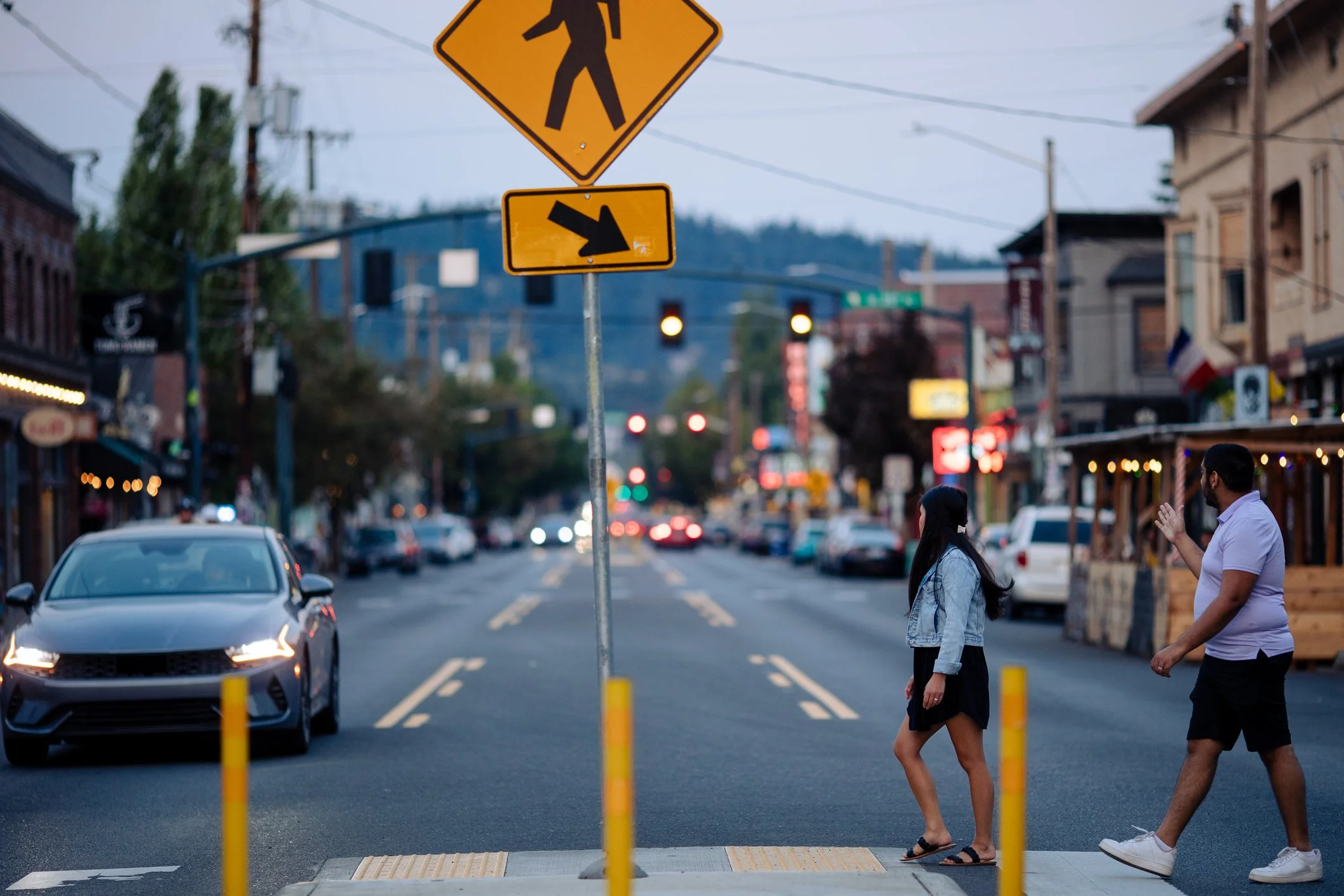
Moving to Portland: How to Choose the Right Neighborhood
Moving to Portland? This guide breaks down how to choose the right neighborhood—from micro-markets to lifestyle fit—so you can narrow down where you actually want to live.
Moving to Portland isn’t just about choosing a quadrant—it’s about understanding how the city actually works.
Two homes just a few blocks apart can feel completely different depending on walkability, street activity, access to other parts of the city, and how you live day to day.
That’s where most people get stuck.
This page is designed to give you a clear starting point—so instead of trying to take in everything at once, you can begin to narrow in on the neighborhoods, streets, and pockets that actually fit how you want to live.
If you’re trying to figure out where to start, here’s the simplest way to think about it:
Portland is a city of micro-markets, and the “right” neighborhood comes down to how you want to live—this guide will help you narrow it down and know where to focus.
👉 Start exploring the neighborhoods below
If you’re Completely new to the buying process:
Start here → Where to Start When Buying a Home in Portland (And What to Expect Along the Way)
How to choose the right neighborhood in Portland
The best neighborhood in Portland depends on how you want to live day to day—but both inner Northeast and Southeast offer highly walkable, livable neighborhoods.
Inner Northeast Portland tends to feel more uniform in areas like Irvington, where historic districts create a consistent architectural look and quieter residential streets. It’s also generally easier to access other parts of the city, with quicker routes to multiple freeways and 99E.
Inner Southeast Portland is just as walkable, but often feels more varied—mixing historic homes with a slightly more eclectic, vibrant, street-by-street character. Getting to main highways can take a bit longer depending on the area, since you’re often driving through neighborhood streets first.
Areas like Mount Tabor offer more space, elevation, and a quieter residential feel with direct access to the park
The key is understanding Portland as a city of micro-markets, where even a few blocks can significantly change how a neighborhood feels.
Start here if you’re relocating
Moving from Seattle → Moving From Seattle to Portland
Moving from California →Moving to Portland from the Bay Area
In healthcare → Moving to Portland for Healthcare Professionals
Start here if you’re exploring neighborhoods
Sabin →Sabin Neighborhood Guide
Irvington → Irvington Neighborhood Guide
Alameda → Alameda Neighborhood Guide
Mount Tabor →Pros and Cons of Mount Tabor
Southeast neighborhoods → Three Southeast neighborhoods I Love
Looking for a View → Portland View Homes
Looking for an ADU → The Portland Metro ADU + Rental Guide: What Buyers Need to Know
Things people don’t think about (but should)
Busy streets → Busy Streets in Northeast and Southeast Portland
How homes are priced (and what it means for you) →Pricing High or pricing to Entice
If you want help narrowing this down based on your lifestyle and budget, I’m always happy to help.

Living in Mount Tabor, Portland: Pros and Cons
Thinking about buying a home in mount Tabor? This guide breaks down the pros and cons of living in one of Portland’s most scenic eastside neighborhoods, from views and walkability to competition and availability.
Living in Mount Tabor, Portland: Pros and Cons of Buying a Home Here
Thinking about buying a home in Mount Tabor? Learn the pros and cons of living in one of Portland’s most scenic eastside neighborhoods, from views and park access to competition and inventory.
Living in Mount Tabor, Portland: What to Know Before You Buy
Mount Tabor is one of those neighborhoods people fall in love with quickly—and then spend years trying to get into.
It’s beautiful, elevated, and incredibly unique for Portland. But like any neighborhood, it comes with both advantages and tradeoffs.
If you’re considering buying a home in Mount Tabor, here’s what to know.
The Pros of Living in Mount Tabor
🌄 Elevation and Views
Mount Tabor sits on an extinct volcanic cinder cone, which means something rare in Portland: elevation.
And with elevation comes views.
Depending on where you are in the neighborhood, you may find:
• Mt. Hood views on clear days
• City skyline views
• Rolling hillside perspectives
Homes with views here are truly special—and highly sought after.
🌿 Access to Mount Tabor Park
This is the heart of the neighborhood, and for many people, the reason they choose to live here.
Mount Tabor Park offers:
• Miles of trails for walking and running
• Open green space
• Scenic reservoirs and viewpoints
• A summit with sweeping views of the city and mountains
On a gray winter day, when you’re craving light and space, being able to climb to the top and look out across the horizon is an incredible perk.
🏡 A Tucked-Away, Residential Feel
Once you’re inside Mount Tabor, it feels different.
It’s:
• Quiet
• Slower-paced
• Very residential
• Deeply neighborly
There’s a sense of being tucked away from the busier parts of the city, even though you’re still very central.
Some people describe Mount Tabor as having a bit of a West Hills feel on the east side, thanks to the elevation, views, and winding residential streets.
🍽️ Close to Eastside Dining Hubs
While Mount Tabor itself is fairly quiet when it comes to restaurants, it’s surrounded by some of the most vibrant areas on the east side.
You’re just minutes from:
• Richmond
• Montavilla (which has become especially lively in the evenings)
• The Hawthorne District
So while you may not have a dense cluster of restaurants right outside your door, you’re never far from great options.
That said, if your priority is being able to walk to a high concentration of restaurants and shops, neighborhoods like Clinton/Division, Irvington, or Alameda may be a better fit.
🍪 A True Local Favorite: Coquine
Mount Tabor is home to one of Portland’s most beloved spots: Coquine.
It’s:
• A highly regarded fine dining restaurant
• A charming market for everyday staples
• A CSA pickup location
I personally consider the “Coquine Cookie” to be the best cookie in Portland.
The Cons of Living in Mount Tabor
📍 A Small, Competitive Micro-Market
Mount Tabor isn’t a large neighborhood, and inventory is limited.
Especially when it comes to:
• View homes
• Well-located properties
• Move-in-ready houses
It’s not uncommon for buyers to search here for years, often seeing the same people at open houses again and again.
🏘️ Limited Inventory, Especially for View Homes
Because of the terrain and layout, there are only so many homes that offer those iconic views.
When they do come on the market, they tend to:
• Attract strong interest
• Move quickly
• Require competitive, well-structured offers
🍴 Fewer Walkable Amenities Within the Neighborhood
Mount Tabor leans residential, which is part of its appeal—but also something to consider.
Compared to other inner eastside neighborhoods, you may find:
• Fewer restaurants within immediate walking distance
• Less density of shops and cafes
You’ll likely drive, bike, or take a short trip to nearby areas for dining and amenities.
Is Mount Tabor Worth It?
If you value:
• Access to nature
• Elevated views
• A quieter, more residential feel
• Proximity to, but not directly inside, busy commercial areas
Mount Tabor is a truly special place to live.
But it’s also a neighborhood where preparation and strategy matter.
⸻
📍 Thinking About Buying in Mount Tabor?
Mount Tabor is one of those areas where having the right approach can make all the difference.
Because inventory is limited and competition can be strong—especially for view homes—it helps to understand how these properties come to market and how to position yourself when the right one appears.
If you’re considering Mount Tabor, I’m always happy to talk through what to expect and help you build a strategy that gives you the best chance of getting in.
👉 Reach out anytime and I’ll help you map it out.
Who’s Moving to Portland? A Real Look at Relocation Trends (And Why Healthcare Professionals Are Leading Right Now)
Relocating to Portland for a healthcare job? Learn where medical professionals are moving, realistic hospital commute zones, and housing strategies for 2026.
Who’s Actually Moving to Portland Right Now?
If you’re researching a move to Portland, you’re not alone — and the mix of people relocating here has shifted over the past few years.
While Portland still attracts tech workers, remote professionals, and families looking for lifestyle change, one group has been growing fast:
Healthcare professionals.
In my real-world client pipeline, I’m seeing more:
• Nurses (staff + travel → permanent transitions)
• Physicians and specialists
• Residents and fellows
• Allied health professionals
• Healthcare administration and research roles
And the reason is pretty straightforward:
➡ Strong hospital systems
➡ Competitive compensation (especially for nurses)
➡ Lifestyle balance that’s hard to find in larger metros
Why Healthcare Professionals Are Choosing Portland
Career Stability + Demand
Oregon continues to have strong healthcare hiring demand, especially in major hospital systems.
Lifestyle That Supports Burnout Recovery
Many healthcare buyers tell me they want:
• Nature access for mental reset
• Neighborhood community feel
• Slower daily rhythm outside of work
• Homes that feel calm, quiet, and restorative
Income vs Lifestyle Balance
Compared to some major West Coast cities, many healthcare professionals find Portland offers a strong balance of:
• Earnings potential
• Homeownership opportunity
• Quality of daily life
The #1 Priority I Hear From Healthcare Relocation Buyers
“I want to live close to work.”
Especially for:
• Night shift nurses
• On-call specialists
• Residents
• Parents balancing school + shift work
That’s why I often help relocation buyers focus first on realistic 10–15 minute commute zones to major inner-city hospitals.
Not Google Maps at 2pm.
Real-world, day-to-day commuting.
Living Within ~10–15 Minutes of Portland’s Major Inner-City Hospitals
(Commutes depend heavily on bridges, hills, and freeway merge points — something unique to Portland geography.)
Near Oregon Health & Science University (OHSU)
Common Roles Here:
Level 1 trauma, specialty medicine, research, teaching, residency programs.
Realistic Close-In Neighborhood Options
• South Waterfront
• Lair Hill
• John’s Landing
• Homestead
• Parts of Hillsdale
Why Healthcare Buyers Like This Area
• Predictable commute for shift work
• Easy access to river + trails
• Condo → house upgrade path
• Close but feels separate from downtown stress
Near Legacy Good Samaritan Medical Center
Common Roles Here:
Surgery, NICU, long-tenured nursing staff, specialty clinics.
Close-In Neighborhood Options
• NW Portland / Alphabet District
• Slabtown
• Goose Hollow
• Pearl District (often just outside 10 but still very workable)
Lifestyle Fit
• Highly walkable
• Great for dual-income households
• Condo + townhome heavy
Near Providence Portland Medical Center
Common Roles Here:
Large RN workforce, specialists, support staff, admin roles.
Close-In Neighborhood Options
• North Tabor
• Montavilla
• Roseway
• Madison South
• Parts of Laurelhurst (edge of commute window)
If you’re thinking about moving to Mount Tabor → Pros and Cons of Buying in Mount Tabor
Why Relocation Buyers Love This Zone
• More house for budget vs west side
• Strong neighborhood identity
• Easy freeway access
• Quiet streets for post-shift recovery
Near Legacy Emanuel medical Center
Common Roles Here:
Trauma, pediatrics, surgical teams, large nursing base.
Close-In Neighborhood Options
• Sabin
• Boise-Eliot
• Humboldt
• Overlook (route dependent)
Lifestyle Fit
• Historic home lovers
• Design-forward buyers
• Close-in family neighborhoods
Portland Commute Reality (Especially Important for Healthcare)
In Portland, commute time is less about miles and more about:
✔ Bridge crossings
✔ Hill traffic bottlenecks
✔ Freeway merge zones
✔ Shift change traffic patterns
That’s why I focus clients on predictable commute zones, not just distance radius.
What Healthcare Buyers Often Prioritize in a Home
From working with relocation healthcare clients, common priorities include:
• Quiet streets and low chaos environments
• Easy parking
• Low-maintenance yards (shift schedules are real)
• Space to decompress
• Proximity to nature
• Strong school stability (for families)
Thinking About Moving to Portland for Healthcare Work?
If you’re relocating for a hospital role, contract position, or fellowship, it helps to start planning earlier than most people expect.
We can map out:
• Neighborhoods that realistically match your commute
• What your budget looks like in today’s market
• Timing strategies around contract start dates
• Which homes are worth competing for (and which aren’t)
My approach is always simple:
Strategic prep, smart spending, and market positioning designed to protect your long-term investment.

Moving to Portland: Best areas to live in 2026
Relocating to Portland can feel overwhelming — especially when you’re trying to balance lifestyle, commute, budget, home style, and long-term value. The good news? With the right guidance, you can quickly narrow down Portland neighborhoods that align with how you actually want to live.

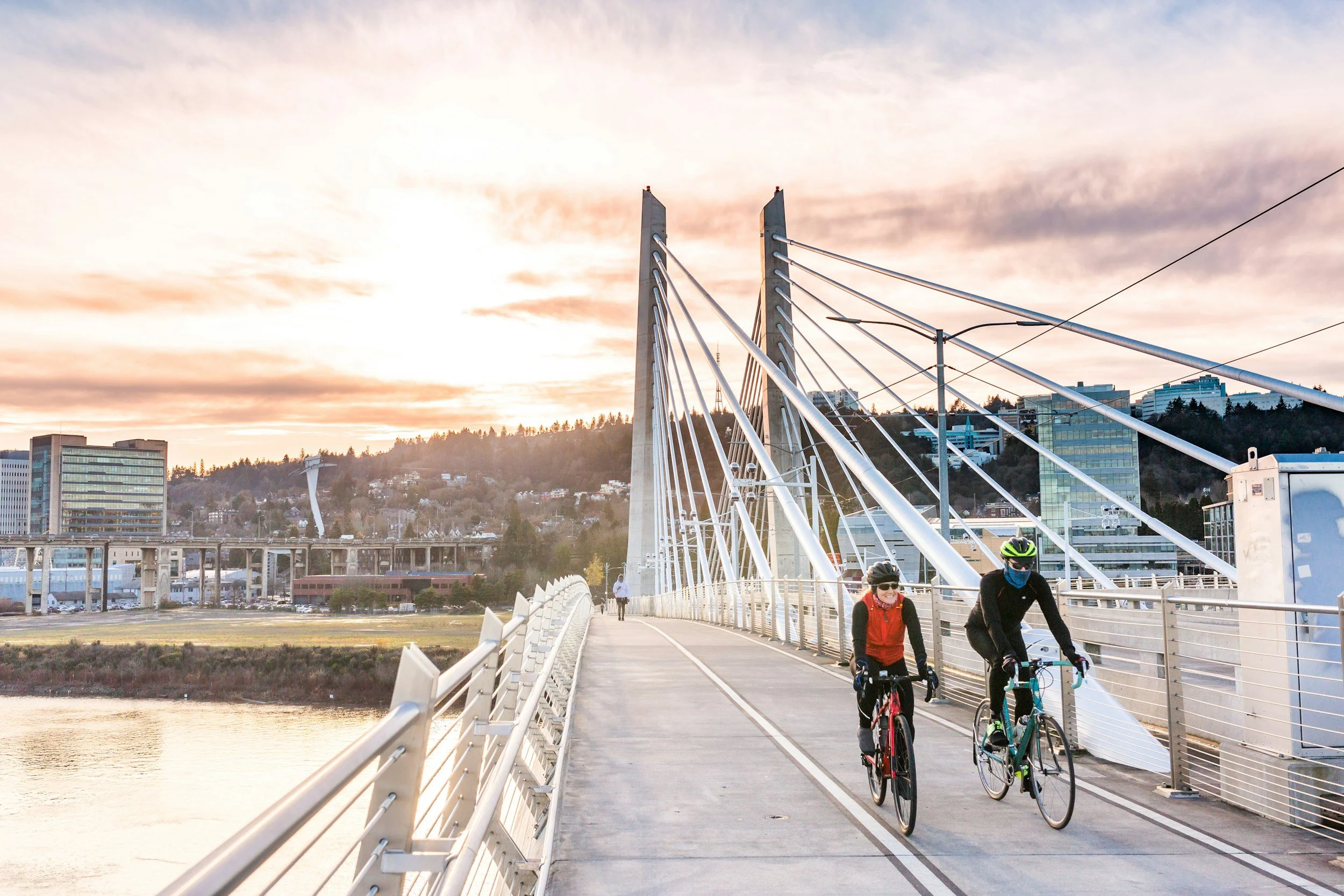
Fremont Bridge
Relocating to Portland can feel overwhelming — especially when you’re trying to balance lifestyle, commute, budget, home style, and long-term value. The good news? With the right guidance, you can quickly narrow down Portland neighborhoods that align with how you actually want to live.
As a Portland real estate broker who works closely with relocation buyers, I help clients compare neighborhoods, identify value pockets, and access homes before they hit the wider market. Whether you’re moving for work, family, or a lifestyle change, Portland offers distinct areas with unique character, architecture, and community energy.
If you’re just starting to explore, you can begin here → Moving to Portland: How to Choose the Right Neighborhood
Below are 3 of the best areas to live in Portland in 2026, with a special focus on standout neighborhoods in Northeast Portland.
Why Northeast Portland Is One of the Best Places to Live
Northeast Portland is known for its tree-lined streets, historic homes, strong schools, vibrant neighborhood hubs, and excellent long-term resale value. Buyers are drawn to the balance of architectural charm, walkability, parks, restaurants, and community feel.
This area offers:
• Classic Craftsman, Tudor, Colonial Revival, and Mid-Century homes
• Easy access to downtown Portland
• Highly desirable residential streets
• Strong long-term property value
• A lifestyle that blends urban energy with neighborhood calm
Here are a few of my favorite Northeast Portland neighborhoods — each appealing to a slightly different type of buyer.
Irvington: Timeless Architecture and Classic Prestige
Check out → Irvington Walking Tour: Historic Homes, Tree-Lined Streets & the Heart of Northeast Portland
Irvington is one of Portland’s most iconic and premium-priced neighborhoods — known for its grand historic homes, wide boulevards, and refined residential atmosphere.
Homes in Irvington often feature beautiful original details, thoughtful modern updates, and a sense of craftsmanship that’s increasingly rare.
Why buyers love living in Irvington:
• Elegant historic architecture and large lot sizes
• A strong neighborhood identity and pride of ownership
• Proximity to downtown, NE dining, and cultural amenities
• Quiet, stately streets with mature trees
• Consistently strong resale and long-term value
Irvington attracts buyers who value heritage, design, craftsmanship, and a sense of permanence — those who want a home that feels meaningful, not just functional
Alameda: Premium Living with Views and Community Feel
Alameda is another highly sought-after, premium neighborhood in Northeast Portland, known for its beautiful homes, elevated views, and strong community atmosphere.
This area offers:
• Architectural charm and well-kept properties
• Scenic outlooks and hillside streets
• A family-friendly feel with access to parks and schools
• A balance of prestige, warmth, and livability
Alameda tends to attract buyers looking for refined residential living with a welcoming, neighborhood-centric vibe — similar in pricing tier to Irvington, but with its own distinct character.
Sabin: Character Homes with Value Potential
Sunny, walkable, and close to multiple neighborhood hubs.→ Read the full Sabin neighborhood guide
For buyers seeking classic Portland charm with more attainable pricing, Sabin continues to stand out as a neighborhood with excellent value potential.
Sabin offers:
• Tree-lined streets and strong neighborhood culture
• Classic Craftsman and bungalow-style homes
• Walkable access to local cafes, restaurants, and shops
• A compelling balance of price, character, and upside
Sabin is often a smart choice for buyers who want to stay close to premium Northeast neighborhoods while capturing more approachability and future growth potential.