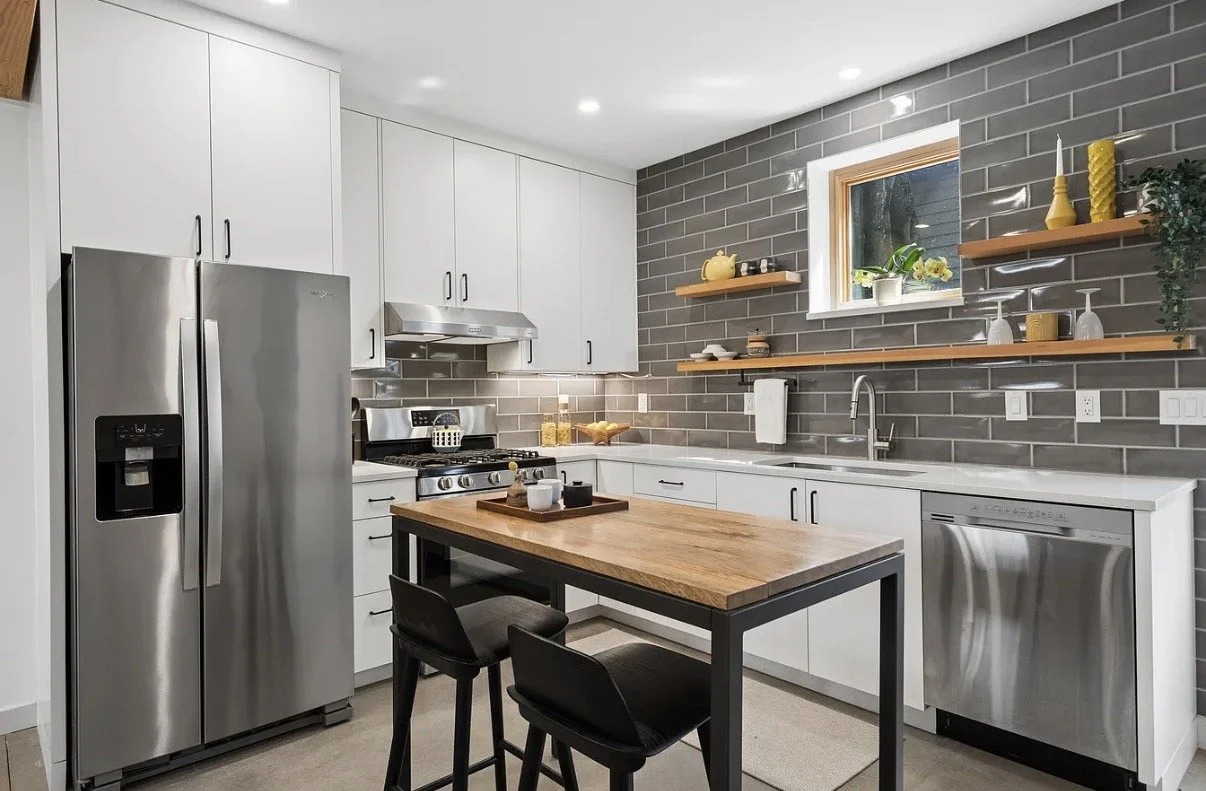
The Portland Metro ADU + Rental Guide: What Buyers Need to Know
If you're considering buying a home with an ADU in the Portland metro, understanding the rental options and local ADU rules can help you evaluate the property's true potential.
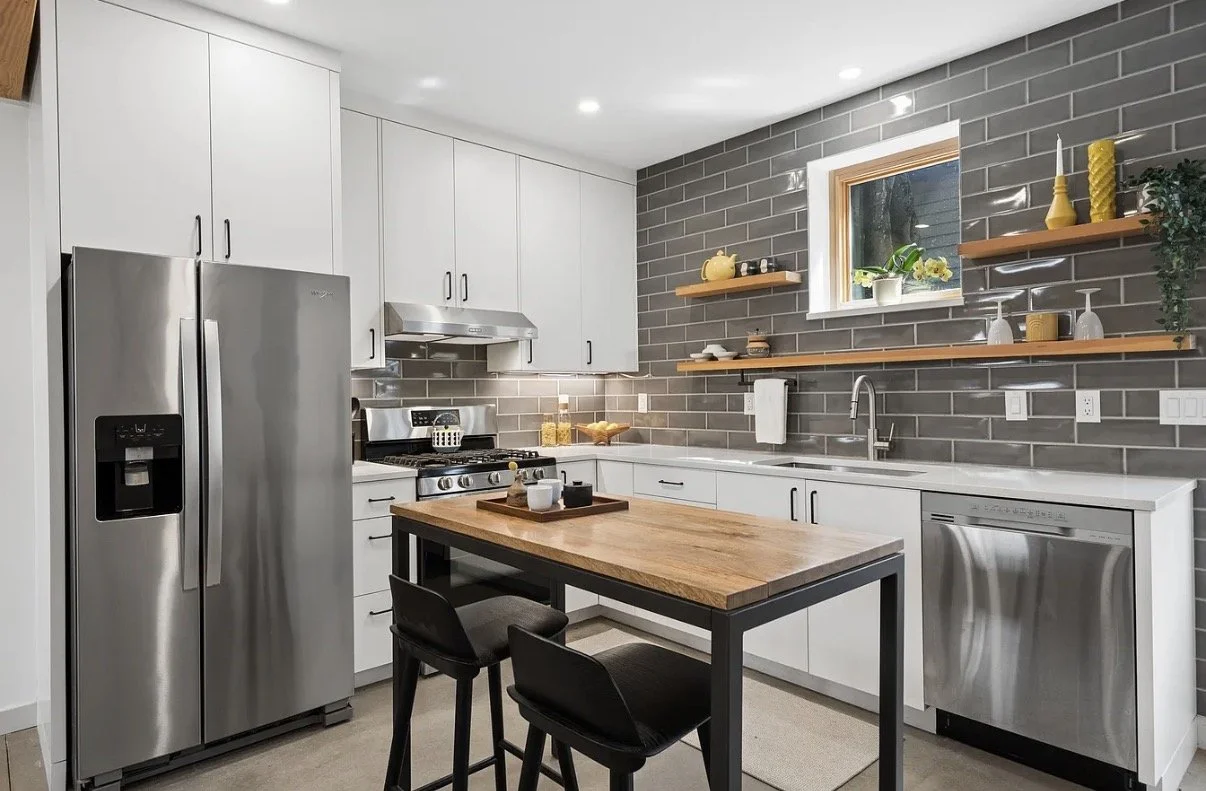
Long-term rentals, furnished mid-term rentals, short-term rentals + creative ways to use an ADU
One of the things I love about homes with accessory dwelling units is that the extra space doesn't have to serve just one purpose. An ADU might provide rental income today, become a private space for an aging parent later, house an adult child someday, serve as a furnished rental between those times, or simply give you a separate place to work, host guests or create. That flexibility can add real value to a home. But if you're considering buying a home with an ADU because of its income potential, there's something important to understand:
The rules can change depending on exactly where the property is located, even within the Portland metro area.
Portland, Milwaukie, Washington County and other cities and jurisdictions have different rules around ADUs, short-term rentals and landlord responsibilities. So before asking, “How much could I rent this for?” I encourage buyers to start with two questions:
What are all the ways I could use this space?
and
Which rules actually apply to this property?
Let's break it down.
What Can You Do With an ADU?
Depending on the property, its permits and the local jurisdiction, an ADU may potentially give you several options:
Rent it long-term to a traditional tenant.
Offer it as a furnished 30+ day mid-term rental for traveling professionals, relocating households, people between homes, insurance-displacement housing and more.
Explore permitted short-term rental use where local regulations allow it.
Use it for multigenerational living for an aging parent, adult child or extended family.
Create private guest quarters.
Use it as a home office, studio or creative space.
Live in the ADU later and potentially rent the main house.
The big takeaway?
An ADU isn't just a rental. It's flexibility.
And if rental income is part of your plan, always verify the property's permits, jurisdiction and current regulations before relying on that income.
If you’re still figuring out where and what to buy, start with my [Portland Home Buyer Guide] for resources on neighborhoods, the buying process, financing and making a smart Portland-area purchase.
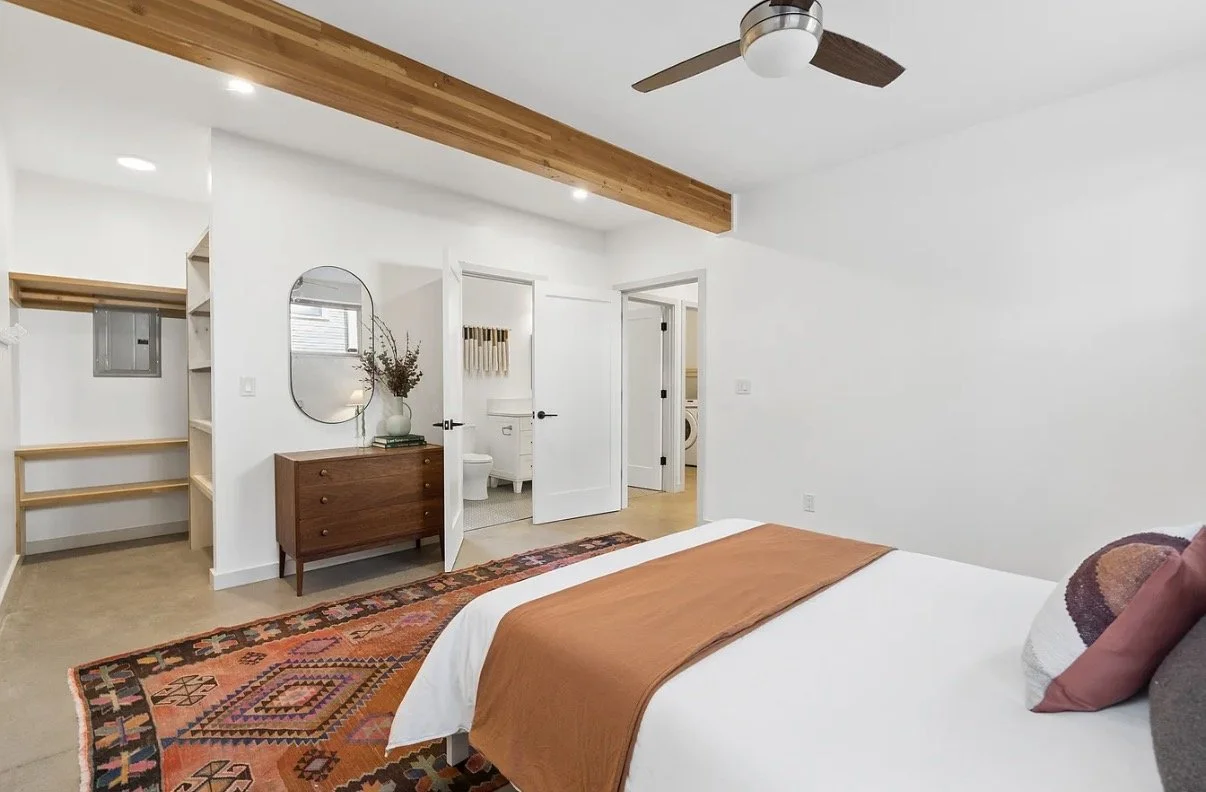
First: What Exactly Is an ADU?
An Accessory Dwelling Unit, or ADU, is an additional dwelling located on the same property as another residence.
Depending on the home, it might be:
A detached backyard cottage
An apartment over a garage
A converted basement
An attached addition
A dwelling created within the primary house
A true ADU generally has its own facilities for living, sleeping, cooking and bathing.
But here's an important distinction for buyers:
A space that looks like an ADU isn't necessarily a legally permitted ADU.
A beautiful finished basement with a kitchen and bathroom may have a very different permit history than a legally established dwelling unit.
If you're considering buying a home with an ADU in the Portland metro, understanding both the rental options and the property's permit history can help you evaluate its true potential.
Six Ways an ADU Could Work for You
1. Create Income With a Long-Term Rental
This is probably the most familiar option. You live in the primary house and rent the ADU to a traditional tenant, potentially creating consistent monthly income while maintaining separate living spaces. Depending on the circumstances, that could involve a fixed-term lease or month-to-month tenancy. It's relatively straightforward conceptually, but once you become a landlord, Oregon landlord-tenant law applies — along with any additional protections imposed by the city or jurisdiction where the property is located. That's why a rental in Portland may be treated differently from an otherwise identical rental a few miles away in Milwaukie or Washington County.
2. Consider a Furnished Mid-Term Rental
This is one of the rental strategies I think buyers often overlook. A mid-term rental generally refers to a furnished home rented for 30 days or longer — often for one, two, three or several months. It's the space between a traditional year-long lease and a nightly vacation rental.
And the potential renter pool is much broader than just travel nurses.
Who Needs Furnished Housing for 30–90+ Days?
Traveling Healthcare Professionals
Portland's large healthcare community creates temporary housing needs for people such as:
Travel nurses
Physicians
Physical and occupational therapists
Medical residents and fellows
Technicians
Other traveling medical professionals
People Relocating to Portland
Imagine moving across the country for a new job.
You may not want to sign a year-long lease before you understand Portland's neighborhoods — and you probably don't want to live in a hotel for three months.
A furnished ADU can fill that gap while someone gets settled and searches for a permanent home.
Buyers + Sellers Between Homes
Real estate timelines rarely line up perfectly.
Someone might sell their house before finding the next one. A buyer might be waiting for a renovation or new construction to finish.
A furnished monthly rental can provide a comfortable bridge.
Insurance-Displacement Housing
Families sometimes need temporary furnished housing after:
Fire or smoke damage
Water damage
Major repairs
Other insured losses
Those stays can last weeks or months.
Corporate + Project-Based Housing
Consultants, executives, contractors, academics and other professionals sometimes need temporary Portland-area housing for a specific assignment.
People Renovating Their Homes
Sometimes moving out for two or three months is considerably easier than trying to live through a major renovation.
People Navigating a Life Transition
Temporary furnished housing can also serve people going through divorce or separation, caring for a family member, hosting extended family, changing jobs or navigating another situation where a traditional year-long lease doesn't make sense.
Why Mid-Term Rentals Are Worth Considering
For the right homeowner, a furnished 30+ day rental can create an interesting middle ground:
More flexibility than a traditional year-long lease.
Less turnover than a nightly vacation rental.
A tenant pool that isn't dependent on tourism.
The ability to keep the space furnished and potentially use it for family or guests between tenants.
There are also tax and regulatory distinctions between transient lodging and longer stays.
For example, under Oregon's transient lodging tax rules, lodging occupied by the same person for 30 consecutive days or more may qualify for an exemption from the state's transient lodging tax.
That doesn't mean a 30+ day rental is regulation-free. Landlord-tenant laws, taxes, insurance and other requirements may still apply.
It simply makes 30 days an important line to understand.
If you’re the one making the move, my [Moving to Portland: How to Choose the Right Neighborhood] guide is a good place to start. It walks through how to narrow down neighborhoods based on lifestyle, commute, housing style and the things that actually matter to your day-to-day life.
3. Explore Short-Term Rental Potential
Airbnb, VRBO and similar short-term rentals are another potential strategy — but this is where buyers should be particularly careful about making assumptions.
Owning a home with an ADU does not automatically mean you can operate the ADU as a full-time vacation rental.
Short-term rental rules vary by jurisdiction.
Portland Short-Term Rental Rules
Portland regulates qualifying short-term rentals as Accessory Short-Term Rentals, or ASTRs.
For a typical Type A ASTR, the resident must occupy the dwelling as their primary residence for at least 270 days during the calendar year.
The resident can generally be away while guests occupy the rental for up to 95 days per year.
Permitting, business registration, neighborhood notification, lodging taxes and other requirements may also apply.
ADUs can potentially be used for accessory short-term rental purposes, but property-specific restrictions matter. For example, certain ADUs that received previous System Development Charge incentives may have restrictions on short-term rental use.
Bottom line: Don't automatically count on full-time Airbnb income when evaluating a Portland ADU.
Milwaukie Short-Term Rental Rules
Milwaukie has its own short-term rental regulations.
A qualifying short-term rental generally involves stays of fewer than 30 days and is treated as an accessory use to a primary residence.
Current rules include an owner or primary-operator occupancy requirement of at least 270 days per year, and unhosted short-term rentals are limited to 95 days per year.
Milwaukie also has registration, building and safety requirements associated with establishing a short-term rental.
So while Milwaukie's overall rental regulations differ from Portland's, an ADU there should not automatically be viewed as an unrestricted vacation rental.
What About Washington County?
This is where understanding jurisdiction becomes especially important.
A property with a Portland mailing address may actually be located in unincorporated Washington County rather than within Portland city limits.
Washington County currently states that it does not generally regulate short-term rentals at the county level.
That does not mean every dwelling in Washington County can automatically become a vacation rental.
Zoning, building requirements, state regulations, HOA rules and property-specific restrictions can still matter.
Washington County also expanded ADU allowances to certain rural residential properties in 2026, and those newly permitted rural ADUs specifically cannot be used for vacation occupancy.
And if the property is located within Beaverton, Hillsboro, Tigard or another incorporated city, you'll need to check that city's requirements rather than relying on Washington County's rules.
Which brings me to one of the most important lessons in this guide:
Never determine rental rules from the city written on the mailing address alone.
4. Create Multigenerational Housing
Of course, not every benefit of an ADU has to show up as rental income.
An ADU can provide independent housing for:
Aging parents
Adult children
Extended family
An au pair or caregiver
Long-term guests
Having a separate kitchen, bathroom, living space and entrance can create a completely different experience from simply adding another bedroom.
Family can be close while everyone maintains some privacy and independence.
And even if you don't need that arrangement today, you may really appreciate having the option ten years from now.
5. Live in the ADU + Rent the Main House
Here's another strategy buyers don't always consider.
Your housing needs at 40 may be very different from your housing needs at 65.
Someone might initially live in the primary residence and use the ADU for rental income.
Later, depending on applicable rental, financing, insurance and local requirements, that same homeowner might choose to occupy the smaller ADU and rent the larger house.
That could allow someone to remain on a property, and in a neighborhood they love, while significantly reducing the amount of living space they personally maintain.
That's one reason I think of ADUs as long-term housing flexibility, rather than simply rental units.
6. Don't Rent It at All
Sometimes the luxury is simply having another space.
An ADU could potentially become a:
Private home office
Art studio
Writing space
Guest suite
Remote-work retreat
Hobby space
Place for visiting family
You don't have to become a landlord to benefit from having an independent living space.
Location Matters: Portland Metro Rental Rules Aren't All the Same
One of the most useful things a buyer can understand is that “Portland metro” isn't one rental jurisdiction.
A property could fall within:
City of Portland
City of Milwaukie
City of Beaverton
City of Hillsboro
City of Tigard
Unincorporated Washington County
Unincorporated Clackamas County
Another local jurisdiction entirely
And the rules aren't interchangeable.
A Portland mailing address doesn't necessarily mean a property is located within Portland city limits.
So what's the first step?
Determine the property's actual jurisdiction before researching its rental rules.
From there, I like to think of rental research in three layers:
1. Oregon law
The statewide landlord-tenant, rent-stabilization and lodging requirements that may apply.
2. Local city or county rules
Portland, Milwaukie, Beaverton, Washington County and other jurisdictions may add their own requirements.
3. The specific property
Permit history, zoning, ADU approvals, prior incentives, HOA restrictions, financing and other property-specific considerations.
All three matter.
Portland Has Additional Local Landlord Requirements
This distinction becomes particularly important for traditional and mid-term rentals.
Properties within Portland city limits may be subject to additional local renter protections, including Portland's Mandatory Renter Relocation Assistance program.
Certain events can potentially trigger relocation assistance, including some termination and non-renewal situations, substantial changes to lease terms and rent increases of 10% or more within a 12-month period.
But There's an Important Owner-Occupied ADU Exemption
Portland has a potential relocation-assistance exemption specifically for certain landlords who live on the property and rent a dwelling unit on a property containing an ADU.
However, don't assume that exemption happens automatically.
Portland has an exemption process with specific requirements and notice procedures.
This is exactly the kind of thing I'd want a buyer to understand before signing their first lease, rather than discovering it later when they want the space back for another purpose.
Buying a Home With an ADU? Here's What I'd Investigate.
Before relying on potential ADU income when deciding whether to purchase a property, I recommend verifying:
Whether the ADU was legally permitted
Whether final inspections were completed
The property's actual jurisdiction
Zoning and approved use
Whether previous incentives or fee waivers restrict how the ADU can be used
Short-term rental eligibility
Business-registration requirements
Local landlord regulations
Oregon landlord-tenant requirements
Insurance requirements
Mortgage or lender restrictions
Smoke and carbon-monoxide requirements
Bedroom and egress requirements
Utility arrangements
Parking and access
Privacy between the two living spaces
Realistic long-term and furnished rental rates
And if anticipated rental income is an important part of making the purchase financially viable, I'd want these questions answered before you rely on that income in your purchasing decision.
The Bigger Question: How Flexible Is the Property?
When buyers see an ADU, one of their first questions is often:
“How much could I rent it for?”
That's certainly worth investigating.
But I think there's an even better question:
“How many different ways could this property work for me over the next 10 or 20 years?”
Maybe today you want rental income.
Five years from now you need space for a parent.
Later you want a home office.
Your adult child might need somewhere to live.
Eventually, you may want to live smaller without leaving your neighborhood.
The same ADU could potentially serve a completely different purpose during each of those chapters.
A home that can adapt along with you can be incredibly valuable.
Thinking About Buying a Home With an ADU?
Homes with ADUs, duplexes, guest houses and other flexible living spaces can create opportunities a traditional single-family home simply can't.
But evaluating one involves more than estimating the rent.
When I'm helping a buyer consider a property like this, I want to understand how they might use the space now, how that could change over time, and which questions we need answered before they rely on potential rental income.
If you're considering a Portland-area home with an ADU, guest house or other income-producing potential, I'm happy to help you think through those possibilities and identify the questions you'll want answered before you buy.
Denise Wolfe | Urban Nest Realty
Portland-area residential real estate
This guide is intended for general educational purposes and does not constitute legal, tax, financial, zoning, property-management or investment advice. Rental and land-use regulations change, and individual properties and tenancies may be subject to different requirements. Buyers and property owners should independently verify current regulations and property-specific information with the appropriate government agencies and qualified professional advisors.
Frequently Asked Questions About Portland Metro ADUs + Rentals
-
Potentially, yes. A legally established ADU can generally be rented as a residential dwelling, but the rules depend on how you plan to rent it. A traditional or furnished 30+ day rental is treated differently from a short-term rental. Portland also has local landlord requirements in addition to Oregon landlord-tenant law.
Always verify the specific property's permits and any restrictions before relying on rental income.
-
Potentially, but owning an ADU does not automatically mean you can operate it as a full-time Airbnb.
Portland regulates short-term rentals through its Accessory Short-Term Rental program. Primary-residency, permitting, business registration, lodging-tax and other requirements may apply. Certain ADUs may also have property-specific restrictions related to previous incentives or System Development Charge waivers.
If short-term rental income is important to your purchase, verify eligibility for that particular property before you buy.
-
Potentially, yes. A furnished 30+ day mid-term rental can be an interesting alternative to both a traditional year-long lease and a nightly vacation rental.
Potential renters might include traveling healthcare professionals, relocating employees and families, people between homes, corporate travelers, people displaced by insurance claims and homeowners temporarily relocating during renovations.
Keep in mind that a 30+ day furnished rental may still create a residential tenancy and trigger applicable Oregon and local landlord-tenant requirements.
-
No, and this is one of the most important things for buyers to understand.
Oregon law creates the statewide foundation, but cities and counties may have additional rules. Portland and Milwaukie have their own short-term rental requirements, while unincorporated Washington County has different regulations.
Properties inside Beaverton, Hillsboro, Tigard or another incorporated city may be subject to that city's rules instead.
Always determine the property's actual jurisdiction before researching its rental potential.
-
Not necessarily.
A property can have “Portland, OR” as its mailing address while actually being located in an unincorporated area or another jurisdiction.
The governing jurisdiction — not simply the mailing address, determines which local zoning and rental regulations apply.
-
Potentially. This can be one of the most interesting long-term benefits of owning a property with an ADU.
An owner might live in the primary residence today, rent the ADU for income, and eventually choose to live in the smaller unit while renting the larger house.
Whether that works for a particular property and tenancy depends on local regulations, financing, insurance and other requirements, so it should be verified before making it part of your financial plan.
-
Don't rely solely on how the property is described in a real estate listing.
Permit records can help determine whether the ADU was legally established and whether required inspections and approvals were completed.
When I'm helping a buyer evaluate a home with an ADU or other separate living space, permit history is one of the things I want to investigate before the buyer relies on that space as a legal rental.
-
It can be, but rental income is only one part of the equation.
An ADU may provide income, but it can also create value through flexibility: housing for a parent, space for an adult child, a home office, furnished temporary housing, guest quarters or even a future downsizing option.
Rather than asking only “How much can I rent this for?” I encourage buyers to ask:
“How many different ways could this property work for me over time?”
That's often where the real value of an ADU becomes apparent.
Thinking About Buying a Home With an ADU?
Homes with ADUs, duplexes, guest houses and other flexible living spaces can create opportunities a traditional single-family home simply can’t.
But evaluating one involves more than estimating the rent. When I’m helping a buyer consider a property like this, I want to understand how they might use the space now, how that could change over time, and which questions we need answered before they rely on potential rental income.
If you’re considering a Portland-area home with an ADU, guest house or other income-producing potential, I’m happy to help you think through those possibilities and identify the questions you’ll want answered before you buy.
Just starting your home search? Visit my [Portland Home Buyer Guide] for more resources on buying a home in the Portland metro.
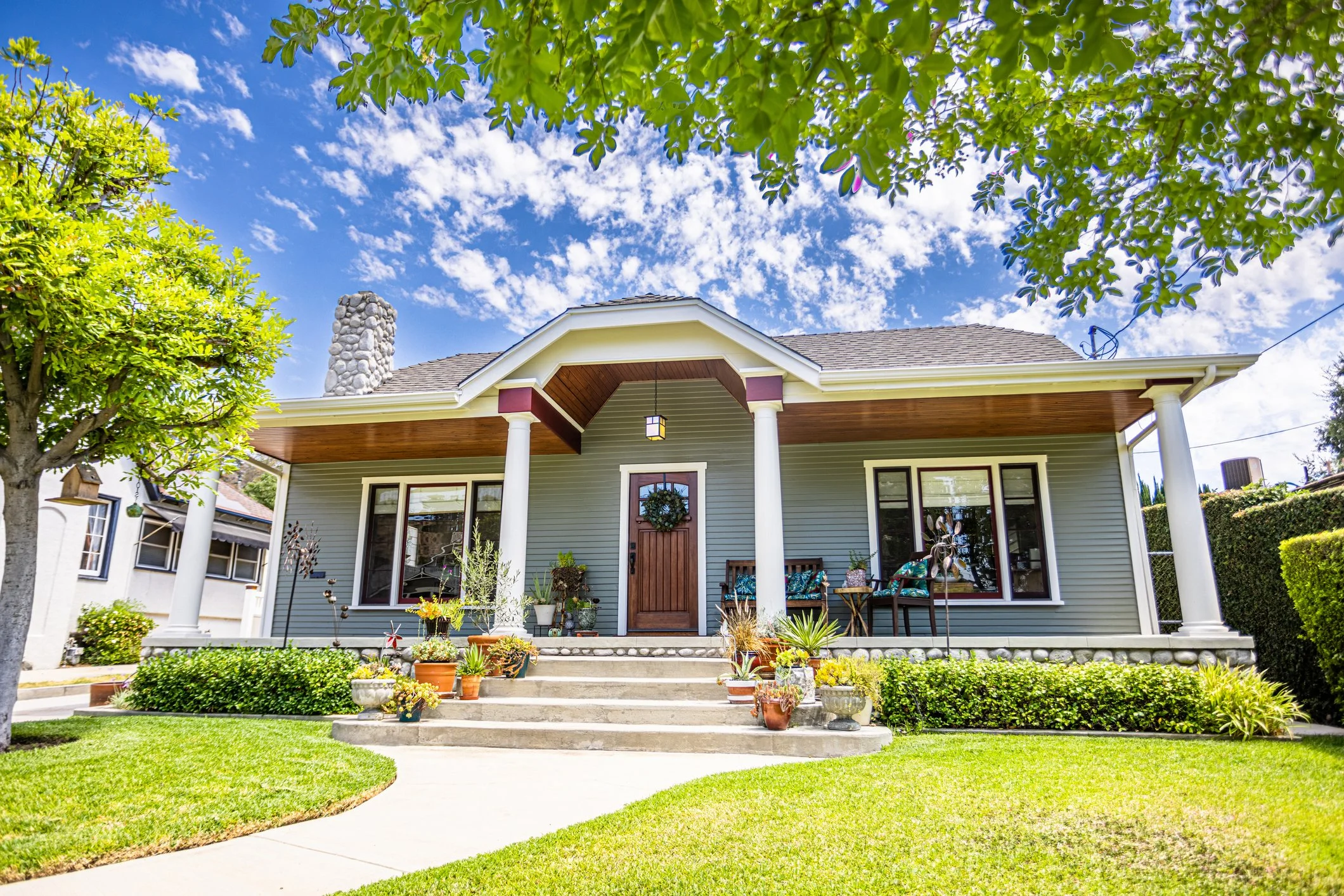
Where to Start When Buying a Home in Portland (And What to Expect Along the Way)
Buying a home in Portland? Learn what to expect from your first conversation through closing with this step-by-step guide for confident buyers.
Buying a home in Portland is easier when you understand the process before you begin. Here's what to expect:
Connect with a trusted Portland Realtor and create a buying strategy.
Get pre-approved so you know your budget before touring homes.
Tour homes and narrow down your priorities.
Find the right home and submit a competitive offer.
Once your offer is accepted, complete inspections, appraisal, title review, and any negotiations.
Sign your closing documents and get the keys to your new home.
The goal isn't just finding a house, it's making a confident, informed decision that fits your lifestyle and long-term goals.
Buying a home can feel overwhelming, especially if it's your first purchase, you're relocating to Portland, or you haven't bought a home in years.

One of the biggest misconceptions I hear is that buyers think they need to have everything figured out before they ever reach out to a Realtor. The truth?
You don't need to know everything. You just need to know where to start.
This guide walks you through the entire buying process, from our first conversation all the way to getting the keys to your new home.
Step 1: Connect With Your Realtor
Everything starts with a conversation.
We'll talk about things like:
What kind of home you're looking for
Your ideal neighborhoods
Your budget
Your timeline
Whether you're relocating
Any questions or concerns you have
This isn't about looking at houses.
It's about creating a strategy.
Step 2: Get Pre-Approved
Before we start touring homes, I always recommend talking with a trusted lender. I help match buyers with the right lender for their specific needs.
A pre-approval helps you understand:
Your comfortable monthly payment
Your purchasing power
Your estimated cash to close
Which loan programs fit your goals
Even if you're months away from buying, this conversation is incredibly valuable. Sometimes a lender can help make suggestions to make your credit score higher to help you qualify for a better rate. It’s worth talking to a lender to see where you stand, sometimes you are closer to purchasing a home than you think.
Step 3: Start Touring Homes
Now the fun begins.
We'll tour homes that fit your goals, not just because they're available.
As we walk through homes, you'll quickly learn:
what you love
what you don't
where you're willing to compromise
what matters most
Almost every buyer's priorities evolve after seeing homes in person. That's completely normal.
Step 4: Find "The One"
Eventually you'll walk into a house that feels different.
That's when we slow down.
We'll evaluate:
comparable sales
condition
disclosures
inspection concerns
neighborhood
future resale potential
Buying the right home isn't just about falling in love with it. It's about making a smart investment.
Step 5: Make an Offer
Once we've found the right home, I'll help you build the strongest offer possible.
Depending on the market, that may include:
price
earnest money
contingencies
closing timeline
seller credits
possession timing
Every situation is different. And Portland is a competitive market, I will help you structure an offer that will help you get accepted, while also protecting you, and your money.
Step 6: Mutual Acceptance 🎉
Congratulations!
Once both parties sign the agreement, you're officially under contract. But we're not done yet. Now the due diligence begins.
What Happens After You're Under Contract?
Many buyers think they're finished once the offer is accepted. In reality, several important steps still happen before closing.
Buyer Deposits Earnest Money
This deposit demonstrates your commitment to purchasing the home. It eventually becomes part of your down payment or closing costs.
Escrow Opens
A neutral escrow company begins coordinating all of the paperwork and money involved in the transaction.
Preliminary Title Report
We'll review the property's title history to ensure there aren't unexpected liens, ownership issues, or easements that could affect your purchase.
Home Inspections
One of the most important steps.
Licensed inspectors evaluates the home's major systems and helps us understand:
maintenance items
safety concerns
larger repairs
items to negotiate
Typical Inspections in Portland Include:
General Home inspection
Radon
Sewer scope
Underground oil tank search
Mold, Asbestos or lead evaluations if needed
The inspection period isn't about finding a perfect house. It's about making an informed decision. I see the inspection period as a valuable planning opportunity. I bring in contractors, discuss future projects, gather estimates, and help you start envisioning how you’ll make the home your own over time.
One of my favorite parts of the process is helping buyers create a roadmap for improvements. Together, we’ll prioritize projects, that fit your budget, lifestyle and long-term goals, while identifying the updates most likely to add value, and build equity along the way.
Negotiations
Sometimes everything looks great.
Other times we'll negotiate:
repairs
credits
price adjustments
additional inspections
I'll help you decide what's reasonable and what isn't.
Appraisal
If you're financing the purchase, your lender will order an appraisal to confirm the home's value. In a sense it is like a less extensive inspection for the lender. Sometimes the lender may require certain repairs prior to the close of escrow.
Signing Day
A few days before closing, you'll sign your final loan and escrow documents.
Closing Day
The sale records. The seller receives their proceeds.
And then...
You Get the Keys! 🔑
One of my favorite moments in every transaction. It never gets old!
My Job Throughout the Process
Many people think a Realtor's job is opening doors. That's actually a very small part of what I do.
My role is to help you:
create a strategy
avoid costly mistakes
evaluate neighborhoods
negotiate confidently
hold your hand and help you stay calm
understand inspections
coordinate lenders and escrow
solve problems when they arise
make informed decisions from start to finish
Frequently Asked Questions:
-
No. I actually encourage buyers to reach out first if they have questions. I can explain the buying process, recommend trusted local lenders if needed, and help you understand what to expect before you begin touring homes.
-
It depends on the loan program, your down payment, and closing costs. Many buyers are surprised to learn they may not need a 20% down payment. A lender can help you understand your options based on your financial situation.
-
Every purchase is different, but many buyers spend anywhere from a few weeks to a few months searching for the right home. Once you're under contract, closing typically takes about 30 days, depending on financing and the terms of the agreement.
-
After mutual acceptance, you'll typically deposit earnest money, complete inspections, review the preliminary title report, go through the appraisal process (if financing), negotiate any repairs or credits if needed, sign your closing documents, and receive the keys once the sale records.
-
Yes! A home inspection helps you understand the property's condition before closing and can identify maintenance items or repairs that may affect your decision or become part of negotiations.
-
Absolutely. Many homeowners do exactly that. Planning the timing carefully is important, and there are several strategies depending on your financial situation and the current market.
👉 Related: Should I Sell My House Before Finding My Next Home?
-
Think about your commute, lifestyle, schools, walkability, budget, and future plans. Every neighborhood has its own personality, and part of my job is helping you narrow down the areas that best fit your goals.
👉 Related: Portland Neighborhood Guide
-
That depends more on your personal goals than trying to perfectly time the market. The best time to buy is when you're financially prepared and find a home that fits your needs. We can discuss current market conditions together and create a strategy that's right for you.
-
In many transactions, the buyer's agent compensation is addressed as part of the purchase agreement, but how compensation is handled can vary. We'll discuss it before you begin your search so you understand exactly how representation works and there are no surprises.
-
Yes! A large part of my business is helping people relocate to Portland. I can help you compare neighborhoods based on your commute, lifestyle, schools, budget, and the type of community you're looking for.
Whether you're moving from Seattle, the Bay Area, or another part of Oregon, I'll help you narrow down your options before you even start touring homes.
Thinking About Buying in Portland?
Whether you're buying your first home, moving across town, or relocating from another state, you don't have to figure it out alone.
Every purchase is different, but the process doesn't have to feel overwhelming when you have someone guiding you every step of the way. I'd love to help you build a plan that's tailored to your goals, and then walk beside you all the way to closing.
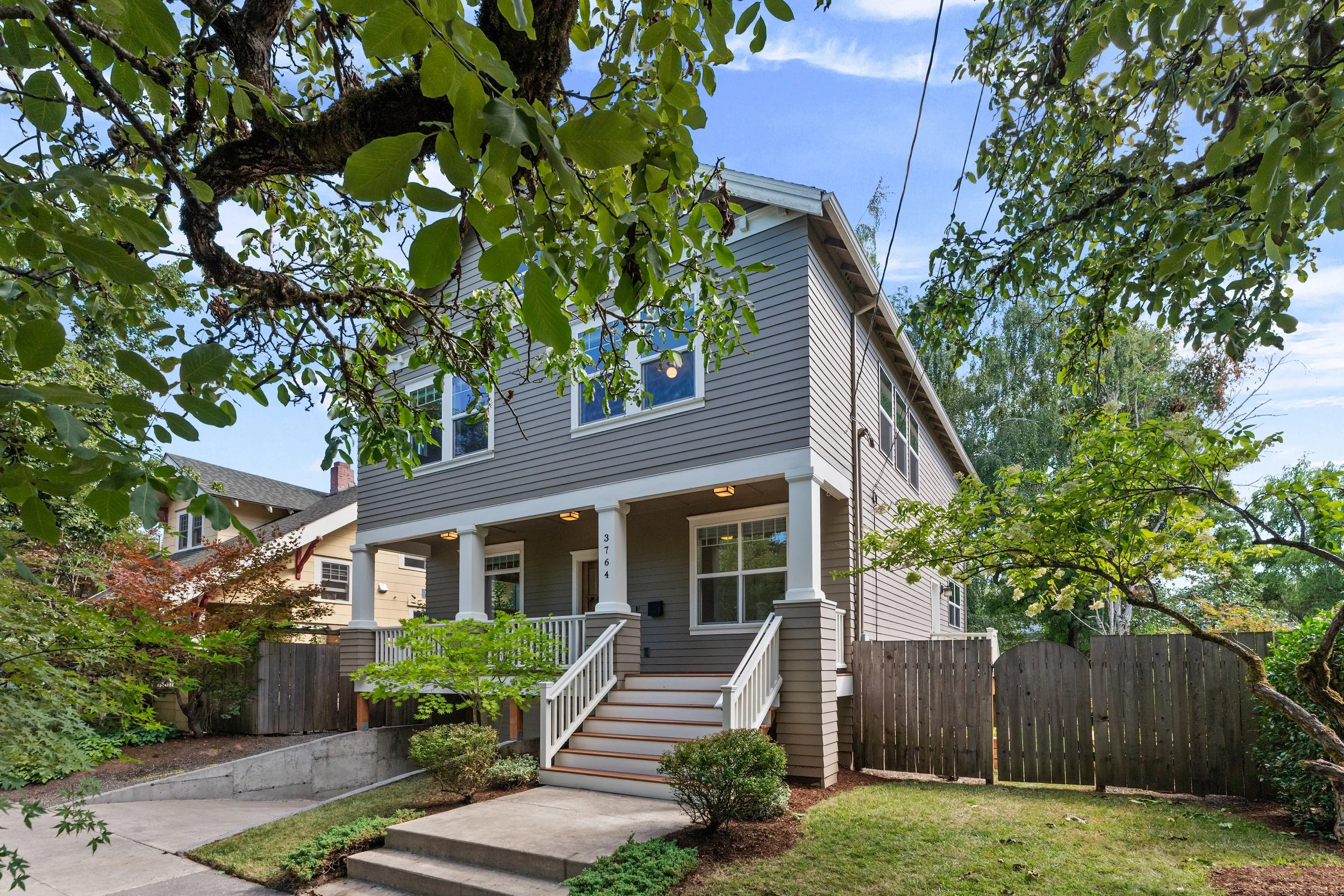


Seller Fear: “What Happens If We Sell and Don’t Have Our Next Home Yet?”
One of the most common fears I hear from Portland homeowners is this:
“What if we sell our house and don’t have our next home lined up?”
The good news is that selling and buying at the same time isn’t your only option. From rent-backs and bridge financing to flexible closing timelines and temporary housing solutions, there are several ways to create a smoother transition. Here’s how I help sellers make a move without feeling rushed or homeless in the process.
Portland Home Selling Guide, Denise Wolfe
Worried about selling your home before finding the next one?
You have more options than you might think.
Most Portland sellers choose one of three paths:
🏡 Buy first, then sell
🔑 Sell with flexibility built into the sale
📦 Sell first and use short-term housing while you shop
What happens if you sell before finding your next home?
After helping Portland sellers for 15 + years, I’ve guided many clients through this exact situation.
In Portland, it’s no secret, our inventory is tight, especially if you are trying to move into a bigger home in your favorite neighborhood. Don’t worry, I have a strategy for that very scenario.
Once pricing starts to make sense, the next question almost always comes up:
“Okay… but where do we go if we sell?”
For a lot of sellers, this is the part that causes hesitation.
Not because they don’t want to move, but because they don’t want to:
Move twice
Feel rushed into buying
Disrupt their day-to-day more than necessary
The good news is there’s not just one way to handle this. There are a few clear paths, and together we, can choose the one that fits your situation best.
🧭 3 Paths Sellers Take
Path 1: Buy First, Then Sell (the ideal when possible)
👉 Secure your next home → move once → prepare and sell strategically
Path 2: Sell with Flexibility Built In
👉 Sell first → use rent-back or timing strategies → buy next
Path 3: Sell, Then Bridge the Gap
👉 Sell → move into short-term housing → buy with clarity and no pressure
💡 Most sellers don’t use just one of these—they use a combination.
When possible, moving first allows us to prepare, stage, and market your home for optimal results, without disrupting your life. Just leave all the work to me.
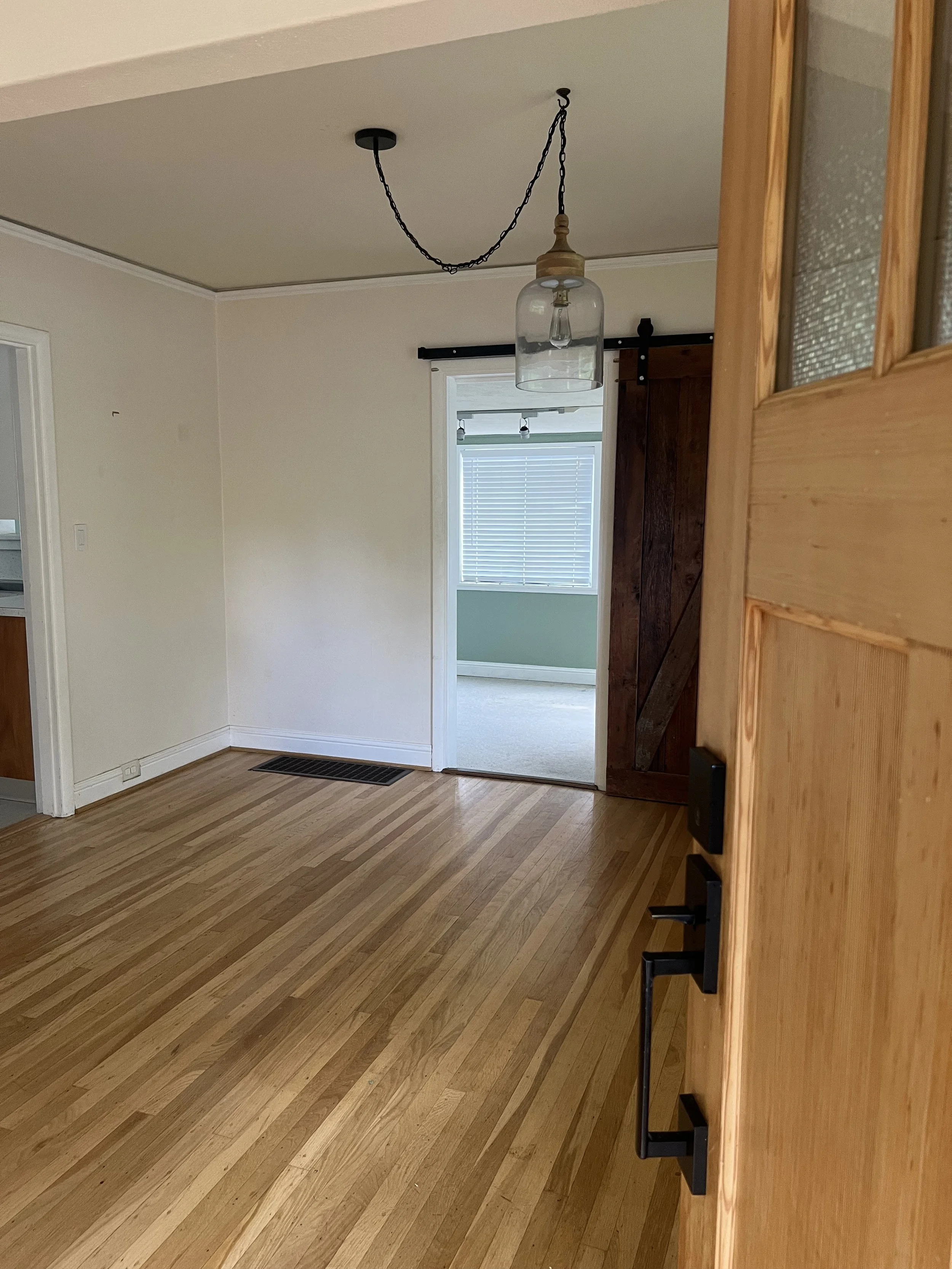
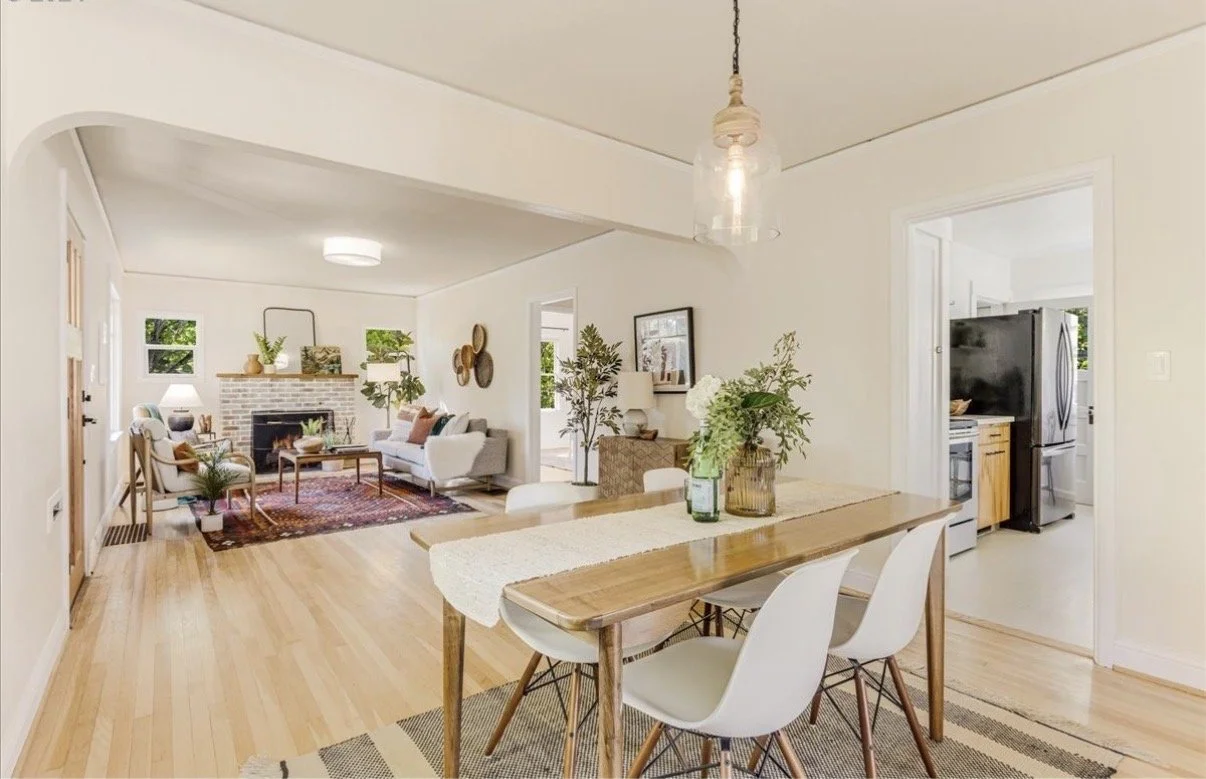
🥇 Path 1: Buy First, Then Sell
If we can make this work financially, this is usually the smoothest experience.
You:
Secure your next home first
Move once
Then let me come in and fully prepare your current home
This allows us to:
Handle updates without disruption
Stage the home properly
Launch with intention
Maximize buyer interest from day one
👉 This is where you tend to see the strongest results.
💡 How sellers make this work
This is where the right lending strategy matters.
Options can include:
HELOC (home equity line of credit)
Bridge loans designed for buying before selling
Other tailored financing solutions
I work closely with lenders who specialize in this, so we can explore whether it’s a fit before making any decisions.
🥈 Path 2: Sell with Flexibility Built In
If buying first isn’t the right fit, the next best option is building flexibility into your sale.
Rent-Back Agreements
You sell your home, then stay in it temporarily after closing, up to 60 days in most cases or up to 90 days if the sale is cash.
This gives you:
Time to find your next home
Liquid funds to purchase non-contingent
Flexibility without an immediate move
Extended Closing Timelines
Instead of a quick close, we negotiate more time upfront.
This creates breathing room while you:
Continue your search
Align timelines more comfortably
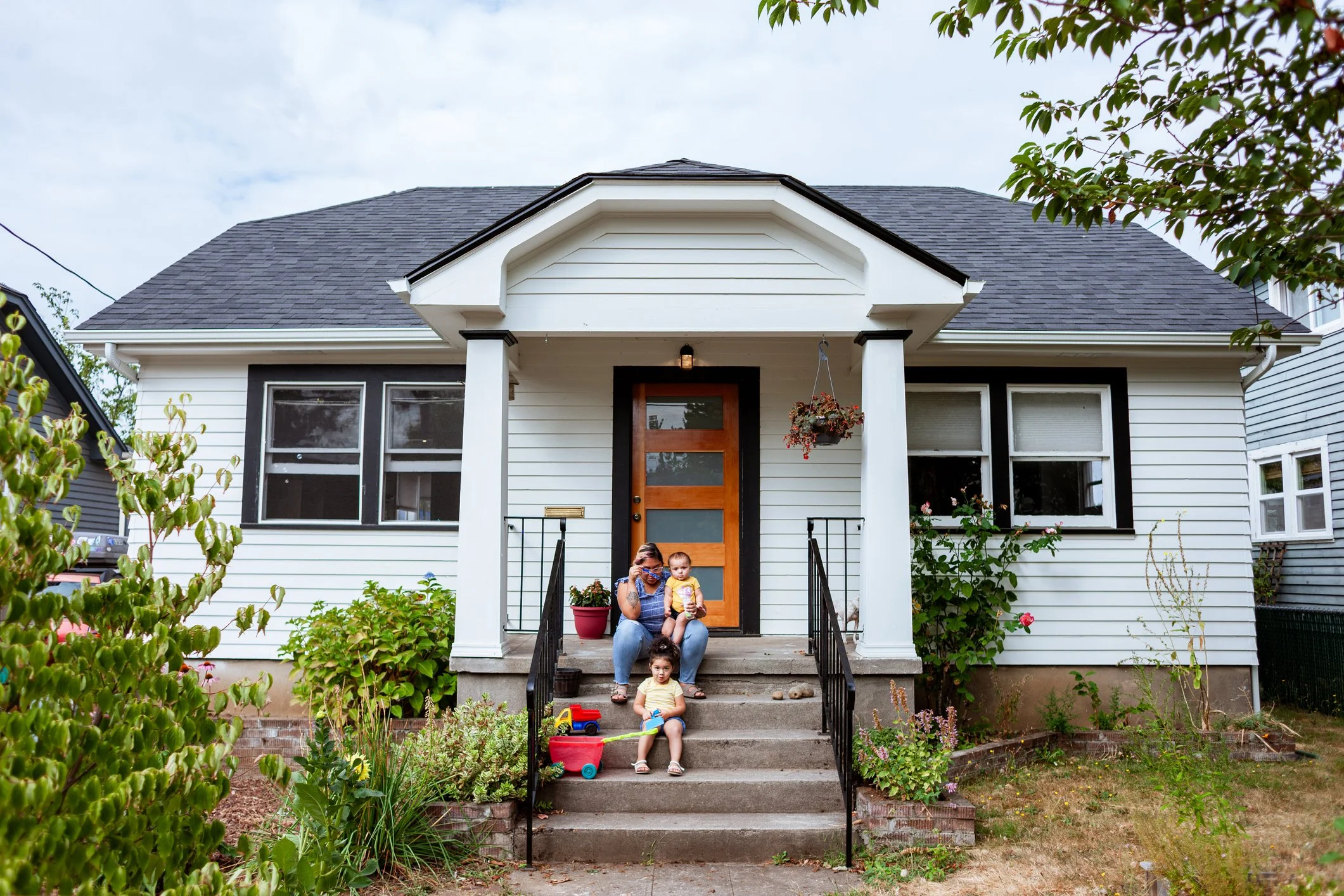
Rent-backs and extended closings can provide breathing room while you search for your next home.
Contingent Sale (Buying with Your Home Still on the Market)
Another option is writing an offer on your next home that’s contingent on the sale of your current home.
This means:
You find a home you love
You make an offer
But the purchase only moves forward once your current home goes under contract or closes
This can work well if:
Your home is already on the market (or even better if you have an accepted offer on your home)
It’s priced strategically and generating strong interest
Or you’re in a less competitive buying environment
That said, in Portland, especially in more competitive price points, contingent offers can be harder to get accepted.
Sellers often prefer offers without that added layer of uncertainty.
👉 When we use this strategy, it’s usually paired with a strong pricing plan and a clear timeline to make your home as attractive to buyers as possible.
In the right scenario, it can work well—but it’s something we approach strategically, not by default.
👉 These strategies work best when your home is positioned well and attracting strong buyer demand.
Which comes back to pricing.
If you haven’t read it yet, this breaks down how pricing impacts your leverage → 👉 how to price your home in Portland to avoid leaving money on the table
🥉 Path 3: Sell, Then Bridge the Gap
This is more common than people expect—and often less stressful than it sounds.
You sell first, then buy with clarity.
The key is having a plan for the in-between.
Short-Term + Mid-Term Housing Options
Short term rentals (Airbnb, VRBO)
30–90 day mid-term furnished housing
Executive or travel nurse housing
👉 In Portland, there are a surprising number of flexible options depending on timing and location.
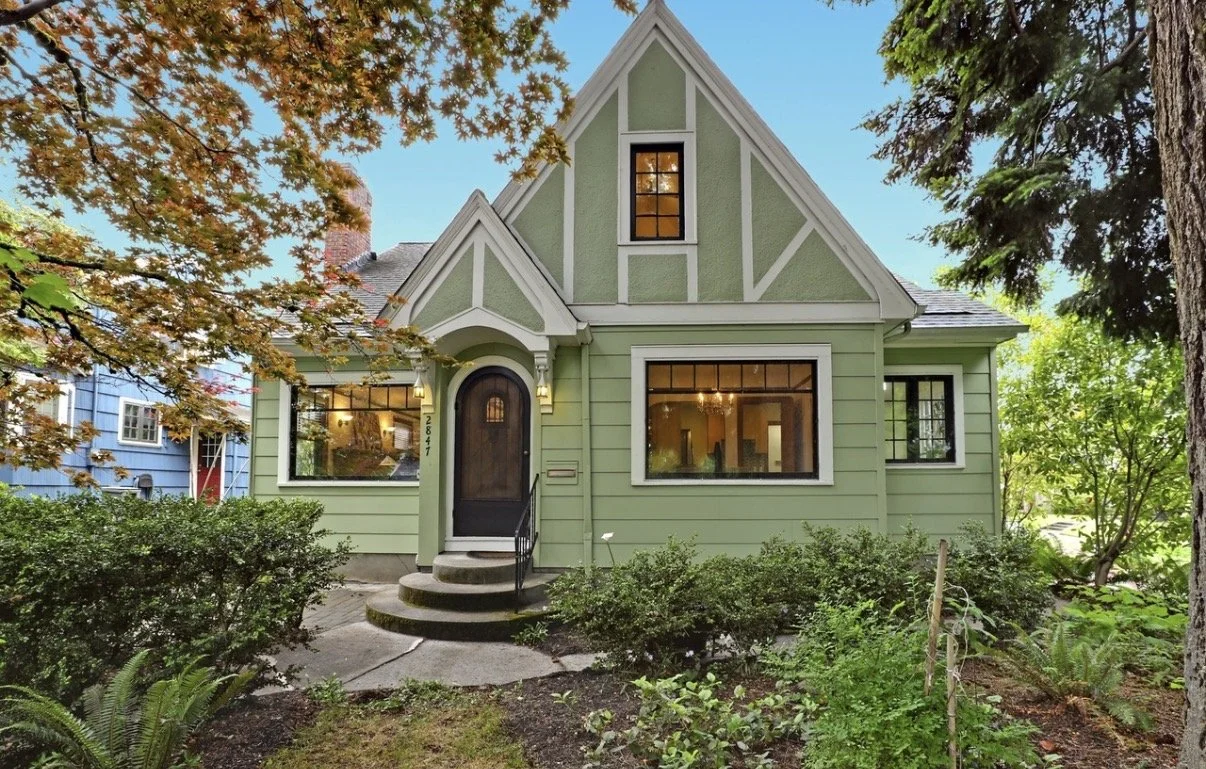
A home in Alameda may attract very different terms and buyer behavior than a similar home elsewhere. Portland is a city of micro-markets.
Where Micro-Markets Still Matter
One thing that impacts all of these paths? Your specific location and buyer pool. A home in a high-demand pocket of Alameda or Irvington may attract different terms than one on a busier street or in a different price bracket.
That affects:
Rent-back feasibility
Timeline flexibility
Negotiation strength
If you want to understand how street location plays into demand, I break that down here.
→ Pros and Cons of Buying on a busy Street in Portland
The Real Takeaway
There isn’t one “right” way to do this.
There’s a strategy that fits:
Your finances
Your timeline
Your tolerance for flexibility
The goal isn’t to rush you out of your home.
It’s to create a plan where:
You’re not scrambling
You’re not settling
And every step feels intentional
How This Connects to the Bigger Picture
A lot of this becomes easier when your home is:
Priced strategically
Positioned correctly
Generating strong demand early
That’s exactly why the first step matters so much
→How to price your home in Portland (and avoid leaving money on the table)
And if you want to go deeper into how buyer behavior plays into this
→ price high vs price to entice: understanding buyer psychology in Portland real estate
Frequently Asked Questions About Buying and Selling Simultaneously
-
This is one of the most common concerns I hear from Portland sellers. Fortunately, there are several strategies available, including buying before selling, negotiating a rent-back agreement, extending closing timelines, or using short-term housing while you search for your next home.
-
Sometimes, yes. Many homeowners use a HELOC, bridge loan, or other lending solutions to access their equity before selling. If buying first is important to you, I can connect you with lenders who specialize in these strategies.
-
A rent-back allows you to remain in your home after closing for a negotiated period of time. In many Portland transactions, sellers can stay up to 60 days after closing, and sometimes longer in cash transactions. This can provide valuable breathing room while searching for your next home.
-
They can be, but it depends on market conditions, price point, and competition. In highly competitive neighborhoods, contingent offers may be less attractive to sellers. However, when paired with strong pricing, preparation, and timing, they can still be successful.
-
If financially possible, buying first is often the smoothest experience because you only move once and can prepare your current home after moving out. That said, every situation is different. Sometimes selling first provides more certainty and negotiating power.
-
Portland is a city of micro-markets. A home in Alameda, Irvington, Sabin, Mount Tabor, or Eastmoreland may attract different buyer behavior than a similar home elsewhere. Demand, timing, and negotiation strength can all influence which strategy makes the most sense.
-
The best place to start is with a conversation. We'll look at your home's value, your timeline, your financial goals, and the neighborhoods you're considering. From there, we can build a plan that helps you move forward without feeling rushed or pressured.

Moving from Seattle to Portland: What Actually Feels Different (and What Your Budget Gets You)
Moving from Settle to Portland? Here’s what actually feels different, and how your budget translates across neighborhoods. A clear, real-world comparison to help you figure out where you’ll feel at home.
Portland Relocation Guide, Denise Wolfe

The Seattle skyline with the Space Needle rising above the city, a familiar view for many making the move from Seattle to Portland.
✔ Portland feels smaller and more neighborhood-driven
✔ Your money often stretches further
✔ Neighborhood personalities are strong
✔ Commutes often feel easier
✔ Buyers usually choose different areas than expected

After helping people relocate to Portland for over 15 years, I’ve learned Portland isn’t one market. It’s dozens of micro-markets with completely different personalities.
If you’re moving from Seattle to Portland, a lot will feel familiar at first. The climate, the general pace, even the emphasis on walkable neighborhoods, it’s not a dramatic shift.
But once you start looking more closely, there are a few differences that tend to shape how people actually live here day to day.
This guide is meant to help you understand those differences more clearly so you can focus on the areas that will actually feel like the right fit.
Moving from Seattle to Portland isn’t about adjusting to a completely new lifestyle. It’s about understanding how Portland’s micro-markets work, and how your budget and preferences translate into specific neighborhoods.
Seattle tends to feel more uniform from block to block. Portland varies more, and that variation can significantly impact both lifestyle and value.
In general, your budget often goes further in Portland. But in highly walkable, close-in neighborhoods, competition is still strong and pricing can feel similar in key pockets.
Is moving from Seattle to Portland a big adjustment?
Not usually, but the differences show up in how neighborhoods feel and how your budget translates.
Portland tends to feel more neighborhood-driven, where small pockets can vary significantly block to block
Seattle buyers are often surprised by how much micro-location and street placement impact both lifestyle and value
While pricing can feel more approachable in some areas, competition still exists in highly walkable neighborhoods
For most people, the transition is less about adapting to a new city and more about learning how to navigate Portland’s micro-markets.

View from Portland’s Alameda neighborhood overlooking the city, trees and surrounding landscape.
What feels similar (and why that matters)
Walkability is important in both cities
Neighborhood identity matters
Access to food, coffee, and local spots is a priority
For a lot of Seattle buyers, this is what makes the transition feel easier than expected.
Where things start to feel different is how those neighborhoods are laid out and how much they can vary from one block to the next.
What actually feels different
This is where the biggest shift tends to happen.
Portland neighborhoods often have more variation block-to-block. They can feel less uniform than many Seattle areas, and those differences are more noticeable day to day.
Two homes just a few blocks apart can offer completely different experiences in terms of noise, walkability, and overall feel.
What your budget looks like in Portland
For most buyers moving from Seattle, one of the biggest shifts is what your budget actually translates to on the ground.
In many Portland neighborhoods, the same price point tends to go a bit further, often in terms of space, lot size, or overall feel.
That said, it’s not always a direct upgrade.
In close-in, highly walkable neighborhoods, pricing can still feel competitive, especially for updated homes.
The bigger difference is how pricing interacts with micro-markets, where similar price points can offer very different experiences depending on the street and location.
👉 If you want to understand how pricing strategy plays into this, I break that down here → Price High vs Price to Entice
Seattle → Portland neighborhood comparisons (loosely)
These aren’t exact matches, but they are a helpful starting point:
Ballard / Green Lake → Sabin, Alameda, parts of Northeast
Capitol Hill → Inner Southeast (Hawthorne, Belmont, Division)
Queen Anne → Mount Tabor or West Hills (with a different feel)
West Seattle → Sellwood / Moreland

Portlands Sellwood-Moreland neighborhood, a favorite among Seattle transplants who love West Seattle’s community feel, charm, and balance of Urban living and outdoor access.
👉 If you want to go deeper into these areas:
💰 Seattle vs Portland pricing (by neighborhood)
When you compare similar lifestyles and locations, some clear patterns show up.
In general:
Seattle is still roughly 20 to 40 percent higher in comparable close-in neighborhoods
Portland often offers more space or better condition at the same price point
Highly walkable Portland neighborhoods can still feel competitive
West Seattle → Sellwood / Moreland
Seattle: $900K – $1.5M typical
Portland: $650K – $1.1M typical
👉 Similar lifestyle, often a lower entry point in Portland
Ballard → Mississippi / Inner North
Seattle: $1M – $1.6M typical
Portland: $600K – $1M typical
👉 Walkability is similar, but pricing is noticeably lower in Portland
Fremont → Alberta Arts District
Seattle: $900K – $1.5M typical
Portland: $550K – $900K typical
👉 One of the biggest price gaps for a similar vibe

Alberta Street is one of Portland’s most creative corridors, known for its murals, local restaurants, and eclectic charm. Seattle buyers often compare its artistic energy and personality to Fremont.
Queen Anne → Irvington / West Hills
Seattle: $1.5M – $3M+
Portland: $800K – $1.8M typical
👉 Lower entry into luxury neighborhoods in Portland
Looking for a View → Portland View Homes
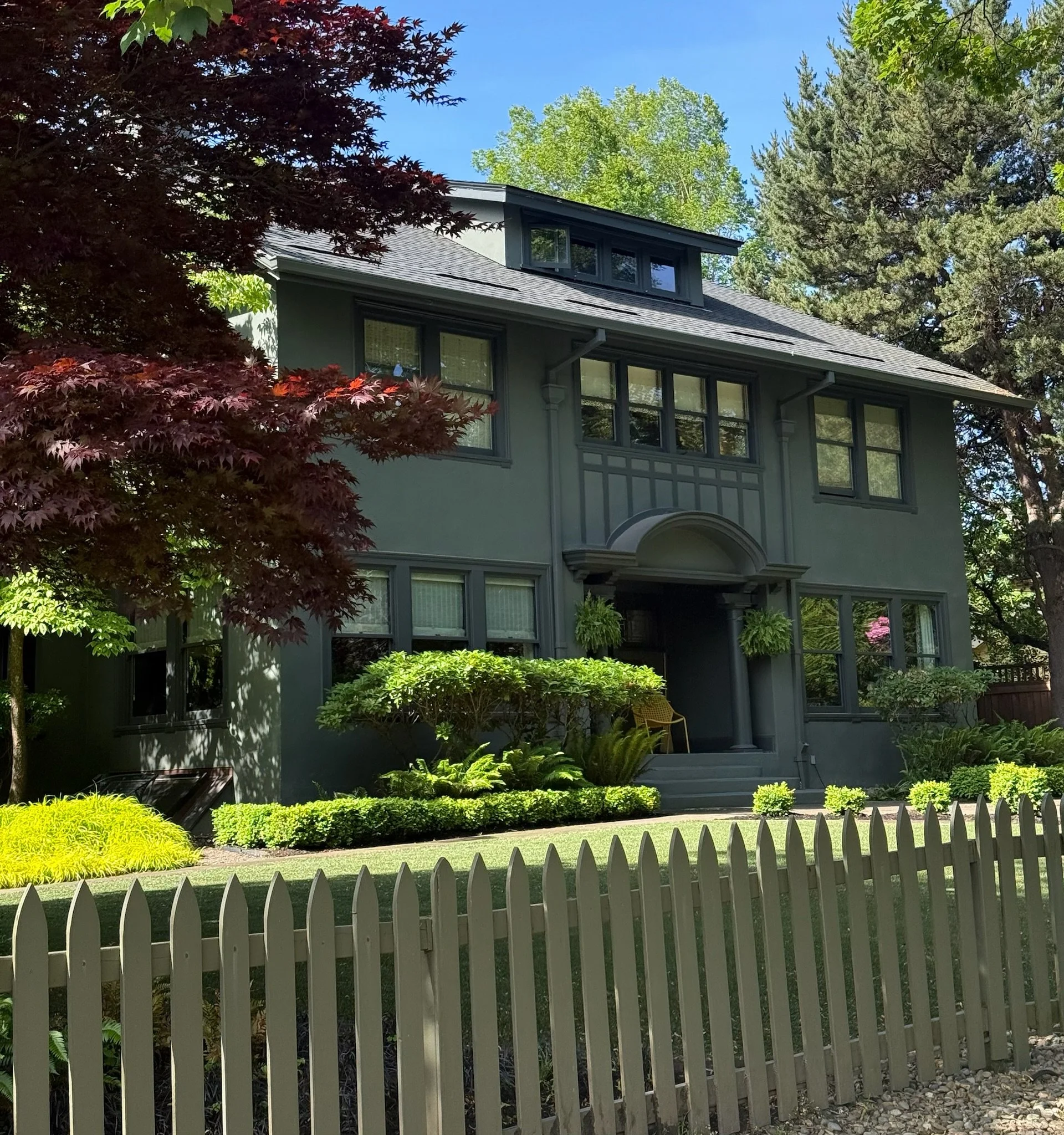
if you love the stately homes and historic beauty of North Queen Anne, Irvington may feel instantly familiar. Grand homes like this, many over 100 years old, line some of Portland’s most iconic tree-canopied streets
Green Lake / Wallingford → Mount Tabor / Eastmoreland
Seattle: $1M – $1.8M typical
Portland: $700K – $1.3M typical
👉 Similar lifestyle, more flexibility in Portland pricing
Columbia City → FoPo / Montavilla
Seattle: $700K – $1.2M typical
Portland: $450K – $800K typical
👉 Where many buyers feel the biggest affordability shift
What matters most
The biggest takeaway isn’t just that Portland is less expensive. It’s how much more variation you get within the same price range.
In Seattle, pricing tends to feel more consistent within neighborhoods. In Portland, the same budget can look very different depending on the street, the block, and even which side of a main road you’re on.
👉 This is especially true when you start paying attention to traffic patterns and street placement → Busy Streets in Northeast & Southeast Portland
Where Seattle buyers tend to land
Most Seattle buyers I work with tend to focus on:
Inner Northeast for a more classic, residential feel
Inner Southeast for energy, food, and walkability
Areas near Mount Tabor for space and a quieter pace

Mount Hood peeks out from Mount Tabor, a close-in Portland neighborhood that feels peaceful, tucked away, and connected to nature.
-
Generally, yes, although it depends on the neighborhood and price point. Many Seattle buyers are surprised by how much farther their budget can stretch in Portland, especially in certain eastside neighborhoods. But Portland is very much a city of micro-markets, and prices can vary dramatically from one area to another.
-
There isn’t always a perfect one-to-one match, but I often compare:
Queen Anne → Mount Tabor or West Hills
Ballard/Green Lake → Alameda or Irvington
Fremont → Alberta or Sabin
West Seattle → Sellwood-Moreland
Capitol Hill → Hawthorne, Belmont, or Division
The right fit usually depends on what you love most: architecture, walkability, views, schools, restaurants, or overall vibe.
-
Yes, but not necessarily in the way people expect. Portland often feels more neighborhood-centered. Daily life tends to happen closer to home, and many people find themselves spending less time driving across the city.
-
Not always. Many of my relocation clients buy successfully from out of town. It often helps to narrow down neighborhoods first based on commute, lifestyle, budget, and what kind of home experience you’re looking for.
-
I frequently see Seattle buyers gravitate toward neighborhoods like Alameda, Irvington, Mount Tabor, Sellwood-Moreland, Sabin, and parts of Northwest Portland. But buyers are often surprised by where they ultimately fall in love.
-
That depends on price point and neighborhood, but many buyers moving from Seattle feel they can get more home, more yard, or a different lifestyle for the same budget. One of the biggest surprises is how different two homes at the same price can feel in Portland.
-
For many families, yes. Buyers often tell me they appreciate the neighborhood feel, parks, community events, and the ability to build a more walkable daily lifestyle. Every neighborhood offers something different.
Want help narrowing this down?
If you’re moving from Seattle and trying to figure out where to focus, I can send a few specific neighborhoods and pockets based on your budget and how you want to live day to day.

Should you Price High or Price to Entice? Here’s What Actually Nets You more.
Trying to decide whether to price your Portland home high or price to attract more buyers? Here’s how pricing strategy, buyer psychology, and early market response can impact your final sale price. And what actually nets you more.
If you’re thinking about selling, this question almost always comes up:
“Should we price high to leave room… or price lower to attract attention?”
And I understand why. Pricing higher can feel like you’re protecting your bottom line. Pricing lower can feel a little risky.
But here’s the thing most people don’t realize:
Pricing isn’t just about the number. It’s about how buyers respond to it.
💡 The Way Buyers Actually Shop for Homes
Buyers aren’t evaluating your home in isolation. They’re scrolling quickly. Touring multiple homes. Comparing everything, often within the same week.
And whether they realize it or not, they’re constantly asking:
👉 “How does this one stack up?”
That means your price isn’t just a price. It’s a signal. It tells buyers whether to: lean in, pause, or move on…
⏱️ Why the First 7–10 Days Matter So Much
The first week or two on market is where the magic happens. That’s when: your listing is brand new, the most buyers see it, and interest is at its highest
In fact, homes typically see the strongest activity in those first 1–2 weeks.
After that, something subtle can shift. If a home doesn’t feel well-positioned on price, buyers don’t always reject it. They just… wait. And waiting is where momentum—and often money—gets lost.
💰 Pricing High: The Hesitation Effect
When a home is priced on the higher end (or even just slightly above where buyers expect), it tends to trigger a more analytical response.
Buyers start thinking:
“I like it… but I don’t know if it’s worth that”
“Let’s keep looking”
“Maybe it’ll sit and we can come back to it”
Even if they love the home, that small layer of doubt slows them down.
And once a home sits: it gets fewer showings, buyers start to question why, and price reductions often follow.
The challenge is, price reductions don’t reset the market’s perception. They can actually shift leverage toward the buyer.
🔥 Pricing to Entice: The Competition Effect
When a home is priced strategically to attract attention, the psychology flips.
Buyers feel:
“This looks like a good value”
“We should go see this right away”
“Other people are probably going to like this too”
And that’s where things get interesting.
Because instead of comparing, buyers start competing.
When multiple buyers are engaged at the same time, you’re more likely to see:
Stronger offers, fewer contingencies and, in many cases, a higher final price.
This is how some homes end up selling above list. Not because they were priced low, but because they were positioned well.
📊 A Quick Reality Check (What the Data Supports)
We see this play out consistently:
Homes that are priced correctly from the start tend to sell faster and closer to—or above—list price
The first 1–2 weeks generate the most buyer activity
When a home lingers, buyers often assume something is off—even when it isn’t. Strong presentation matters too: 81% of buyers say staging helps them visualize a home as their own, which directly impacts how they value it. None of this is accidental. It’s all tied to how buyers experience a home.
🏡 When Pricing Higher Can Work
This is where nuance matters.
Pricing to entice is powerful, but it’s not always the right strategy. There are situations where pricing higher can absolutely make sense:
The home is truly unique (architecture, design, lot, or views)
There aren’t clear comparable sales
The buyer pool is more specific or limited
You’re in a higher price bracket, where buyers tend to move more deliberately
In these cases, buyer behavior shifts.
Instead of urgency, buyers expect to:
Take their time, evaluate more carefully, and negotiate more directly. Here, pricing becomes less about creating competition and more about anchoring value. And when done well, that can work beautifully.
⚖️ So… What Actually Nets You More?
In many cases—especially in Portland’s close-in neighborhoods—
👉 pricing to entice, when done strategically, can drive a higher final sale price
Because it: maximizes early attention, creates urgency, and builds competition.
But in more unique or higher-end situations…
👉 Pricing higher can be the right move
When the goal is to position the home thoughtfully and attract the right buyer.
🧭 How I Approach Pricing
Before we land on a number, I’m looking at:
Your home’s condition and presentation
What buyers are responding to right now.
Recent closed and pending sales (not just what’s active)
Your specific micro-market, and how we want buyers to feel when they see your home
Because Portland isn’t one market.
It’s a collection of micro-markets—and each one behaves a little differently.
✨ Final Thoughts
Pricing isn’t about picking a number and hoping for the best. It’s about choosing a strategy that:
Aligns with your home
Reflects current buyer behavior, and puts you in the strongest position from day one. Sometimes that means creating urgency, and sometimes it means holding position.
But the goal is always the same:
Maximize your net and give you control of the outcome.
🔑 Thinking About Selling?
If you’re curious how this would play out for your home, I’m happy to walk you through it.
No pressure—just a clear strategy based on what’s happening right now.