
Moving from Seattle to Portland: What Actually Feels Different (and What Your Budget Gets You)
Moving from Settle to Portland? Here’s what actually feels different, and how your budget translates across neighborhoods. A clear, real-world comparison to help you figure out where you’ll feel at home.
Portland Relocation Guide, Denise Wolfe

The Seattle skyline with the Space Needle rising above the city, a familiar view for many making the move from Seattle to Portland.
✔ Portland feels smaller and more neighborhood-driven
✔ Your money often stretches further
✔ Neighborhood personalities are strong
✔ Commutes often feel easier
✔ Buyers usually choose different areas than expected

After helping people relocate to Portland for over 15 years, I’ve learned Portland isn’t one market. It’s dozens of micro-markets with completely different personalities.
If you’re moving from Seattle to Portland, a lot will feel familiar at first. The climate, the general pace, even the emphasis on walkable neighborhoods, it’s not a dramatic shift.
But once you start looking more closely, there are a few differences that tend to shape how people actually live here day to day.
This guide is meant to help you understand those differences more clearly so you can focus on the areas that will actually feel like the right fit.
Moving from Seattle to Portland isn’t about adjusting to a completely new lifestyle. It’s about understanding how Portland’s micro-markets work, and how your budget and preferences translate into specific neighborhoods.
Seattle tends to feel more uniform from block to block. Portland varies more, and that variation can significantly impact both lifestyle and value.
In general, your budget often goes further in Portland. But in highly walkable, close-in neighborhoods, competition is still strong and pricing can feel similar in key pockets.
Is moving from Seattle to Portland a big adjustment?
Not usually, but the differences show up in how neighborhoods feel and how your budget translates.
Portland tends to feel more neighborhood-driven, where small pockets can vary significantly block to block
Seattle buyers are often surprised by how much micro-location and street placement impact both lifestyle and value
While pricing can feel more approachable in some areas, competition still exists in highly walkable neighborhoods
For most people, the transition is less about adapting to a new city and more about learning how to navigate Portland’s micro-markets.
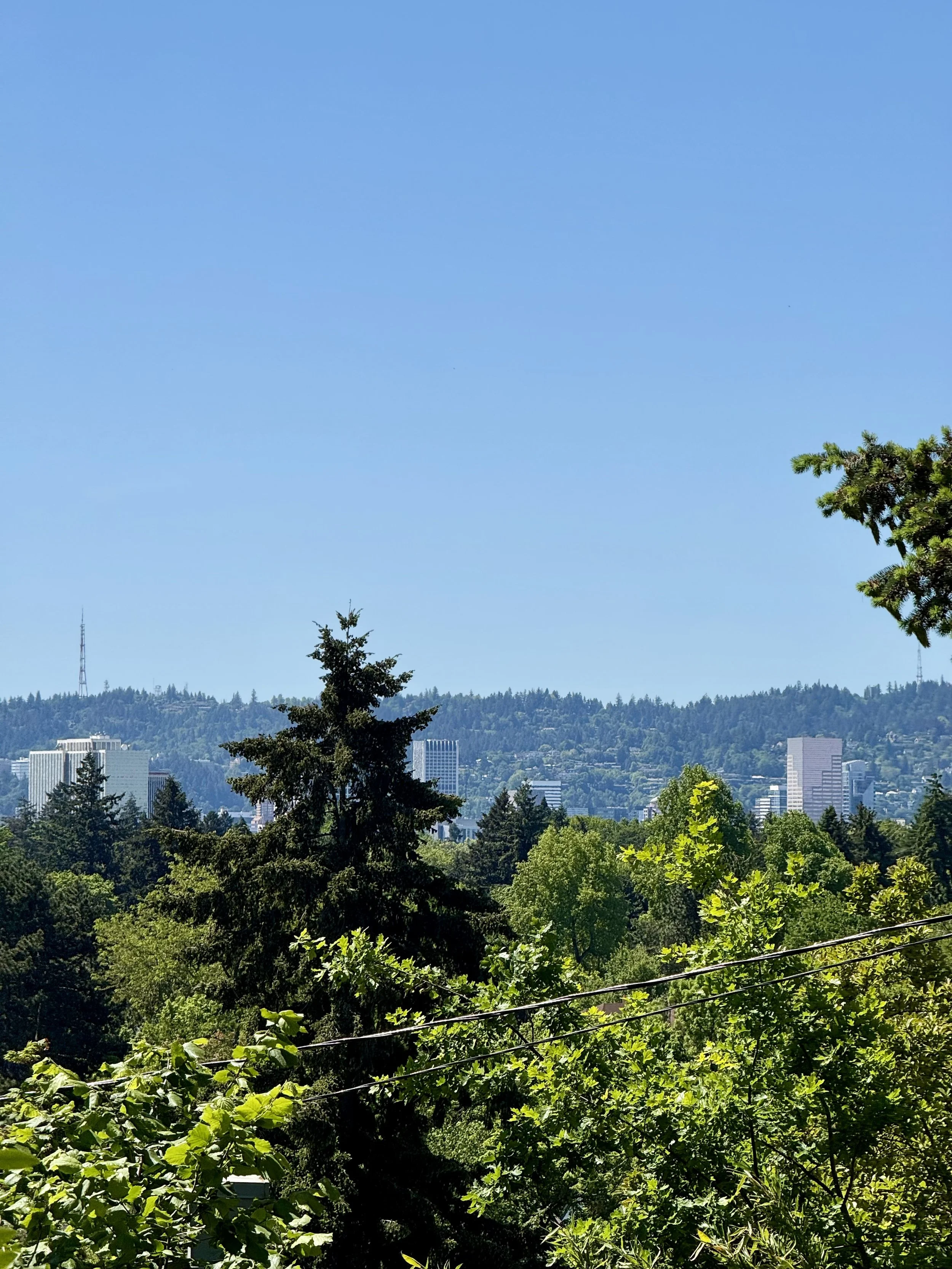
View from Portland’s Alameda neighborhood overlooking the city, trees and surrounding landscape.
What feels similar (and why that matters)
Walkability is important in both cities
Neighborhood identity matters
Access to food, coffee, and local spots is a priority
For a lot of Seattle buyers, this is what makes the transition feel easier than expected.
Where things start to feel different is how those neighborhoods are laid out and how much they can vary from one block to the next.
What actually feels different
This is where the biggest shift tends to happen.
Portland neighborhoods often have more variation block-to-block. They can feel less uniform than many Seattle areas, and those differences are more noticeable day to day.
Two homes just a few blocks apart can offer completely different experiences in terms of noise, walkability, and overall feel.
What your budget looks like in Portland
For most buyers moving from Seattle, one of the biggest shifts is what your budget actually translates to on the ground.
In many Portland neighborhoods, the same price point tends to go a bit further, often in terms of space, lot size, or overall feel.
That said, it’s not always a direct upgrade.
In close-in, highly walkable neighborhoods, pricing can still feel competitive, especially for updated homes.
The bigger difference is how pricing interacts with micro-markets, where similar price points can offer very different experiences depending on the street and location.
👉 If you want to understand how pricing strategy plays into this, I break that down here → Price High vs Price to Entice
Seattle → Portland neighborhood comparisons (loosely)
These aren’t exact matches, but they are a helpful starting point:
Ballard / Green Lake → Sabin, Alameda, parts of Northeast
Capitol Hill → Inner Southeast (Hawthorne, Belmont, Division)
Queen Anne → Mount Tabor or West Hills (with a different feel)
West Seattle → Sellwood / Moreland
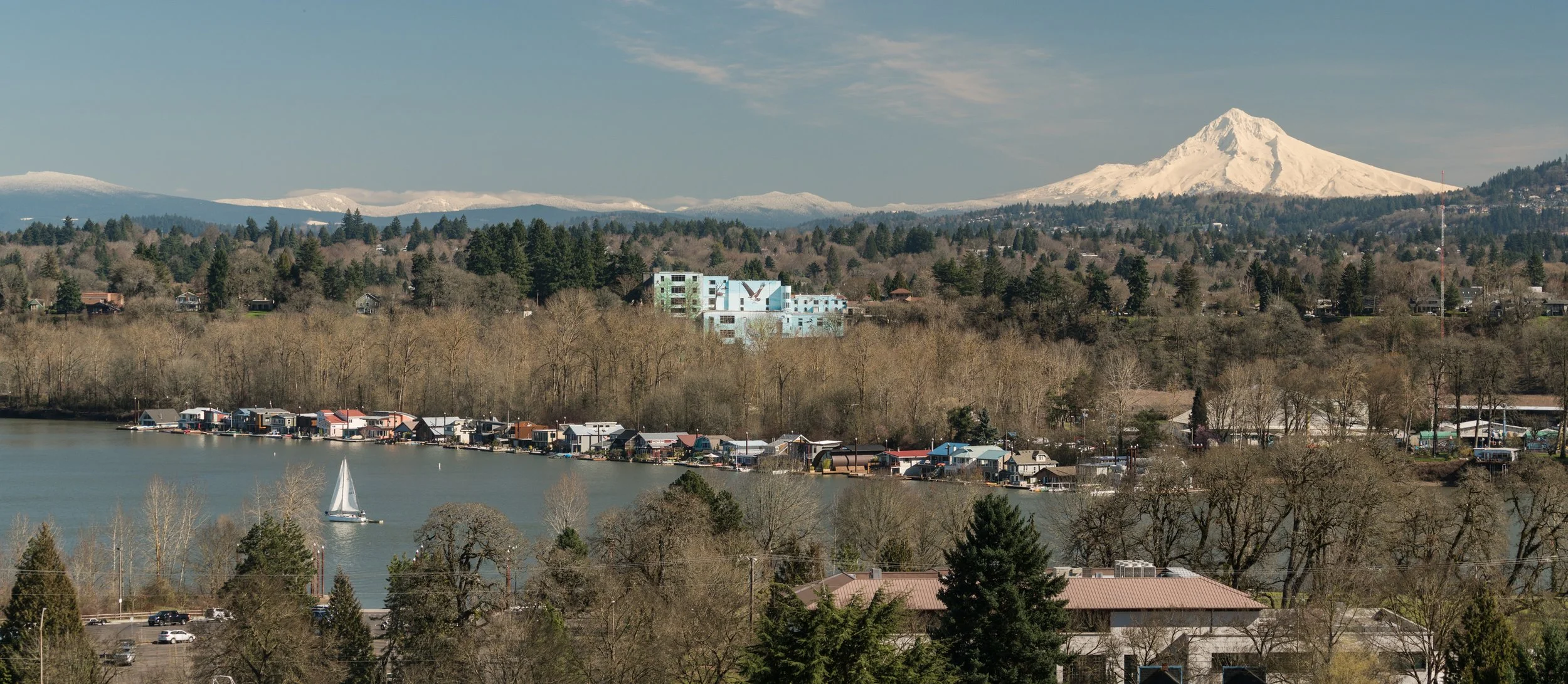
Portlands Sellwood-Moreland neighborhood, a favorite among Seattle transplants who love West Seattle’s community feel, charm, and balance of Urban living and outdoor access.
👉 If you want to go deeper into these areas:
💰 Seattle vs Portland pricing (by neighborhood)
When you compare similar lifestyles and locations, some clear patterns show up.
In general:
Seattle is still roughly 20 to 40 percent higher in comparable close-in neighborhoods
Portland often offers more space or better condition at the same price point
Highly walkable Portland neighborhoods can still feel competitive
West Seattle → Sellwood / Moreland
Seattle: $900K – $1.5M typical
Portland: $650K – $1.1M typical
👉 Similar lifestyle, often a lower entry point in Portland
Ballard → Mississippi / Inner North
Seattle: $1M – $1.6M typical
Portland: $600K – $1M typical
👉 Walkability is similar, but pricing is noticeably lower in Portland
Fremont → Alberta Arts District
Seattle: $900K – $1.5M typical
Portland: $550K – $900K typical
👉 One of the biggest price gaps for a similar vibe
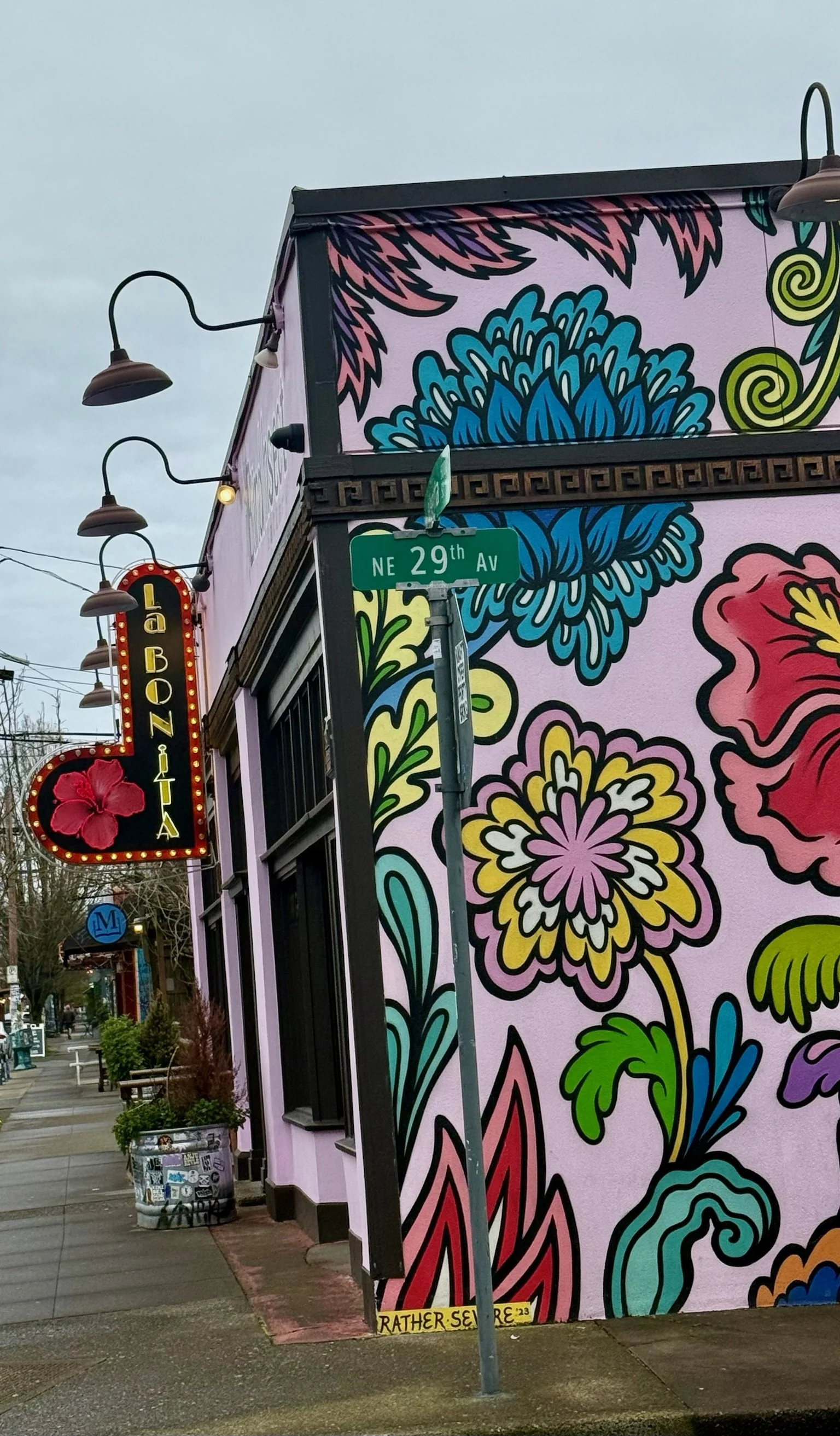
Alberta Street is one of Portland’s most creative corridors, known for its murals, local restaurants, and eclectic charm. Seattle buyers often compare its artistic energy and personality to Fremont.
Queen Anne → Irvington / West Hills
Seattle: $1.5M – $3M+
Portland: $800K – $1.8M typical
👉 Lower entry into luxury neighborhoods in Portland
Looking for a View → Portland View Homes
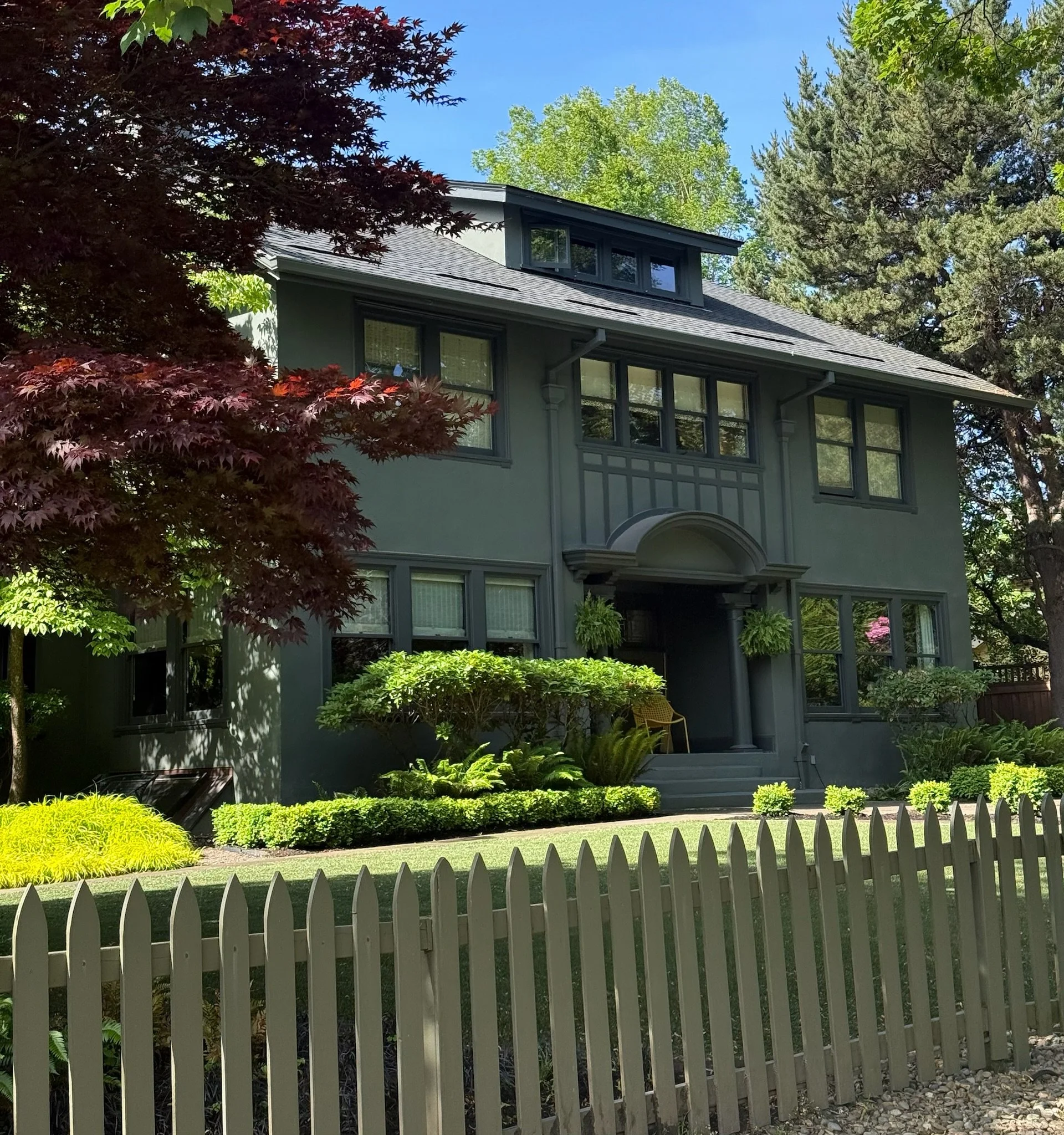
if you love the stately homes and historic beauty of North Queen Anne, Irvington may feel instantly familiar. Grand homes like this, many over 100 years old, line some of Portland’s most iconic tree-canopied streets
Green Lake / Wallingford → Mount Tabor / Eastmoreland
Seattle: $1M – $1.8M typical
Portland: $700K – $1.3M typical
👉 Similar lifestyle, more flexibility in Portland pricing
Columbia City → FoPo / Montavilla
Seattle: $700K – $1.2M typical
Portland: $450K – $800K typical
👉 Where many buyers feel the biggest affordability shift
What matters most
The biggest takeaway isn’t just that Portland is less expensive. It’s how much more variation you get within the same price range.
In Seattle, pricing tends to feel more consistent within neighborhoods. In Portland, the same budget can look very different depending on the street, the block, and even which side of a main road you’re on.
👉 This is especially true when you start paying attention to traffic patterns and street placement → Busy Streets in Northeast & Southeast Portland
Where Seattle buyers tend to land
Most Seattle buyers I work with tend to focus on:
Inner Northeast for a more classic, residential feel
Inner Southeast for energy, food, and walkability
Areas near Mount Tabor for space and a quieter pace
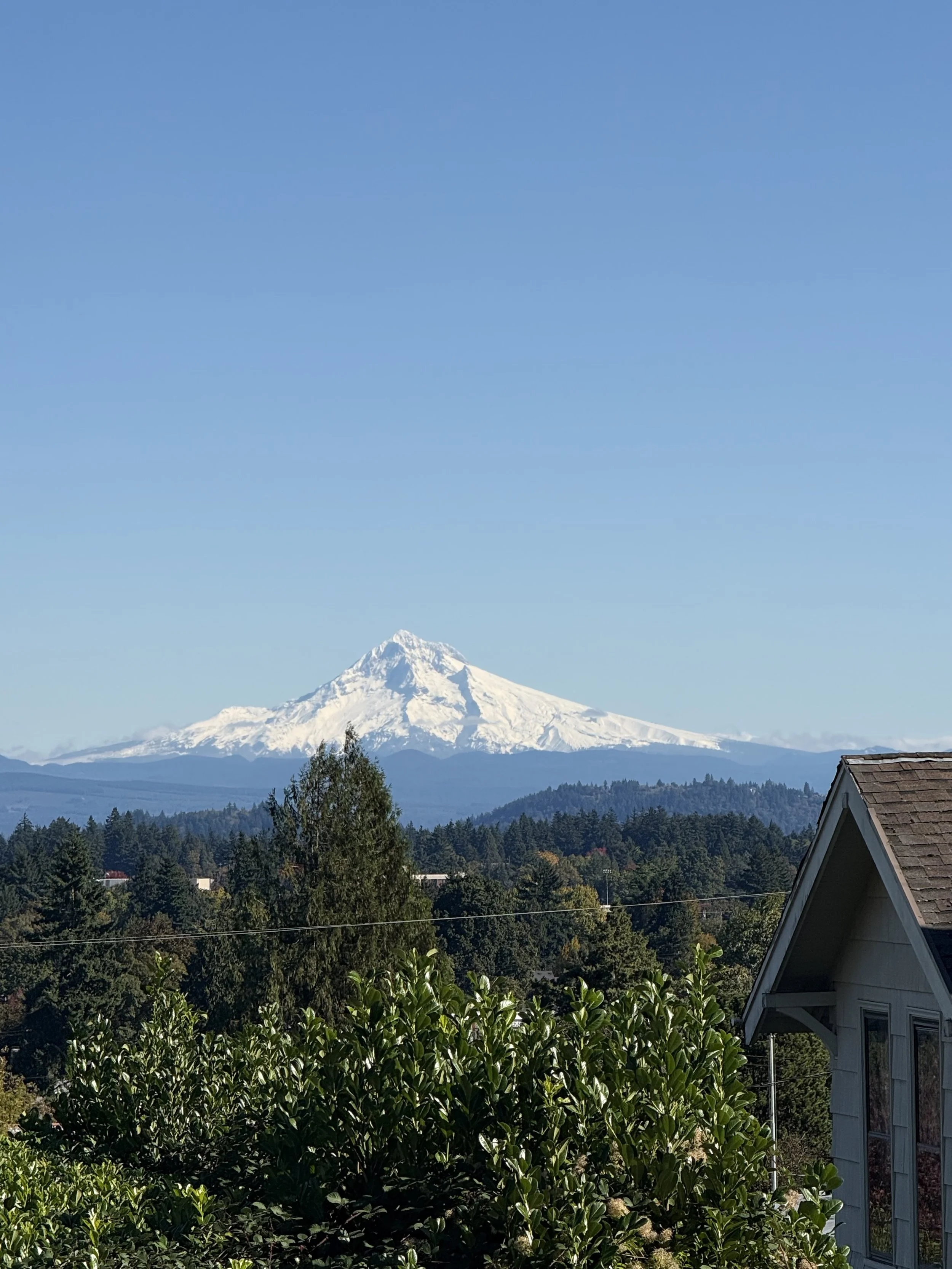
Mount Hood peeks out from Mount Tabor, a close-in Portland neighborhood that feels peaceful, tucked away, and connected to nature.
-
Generally, yes, although it depends on the neighborhood and price point. Many Seattle buyers are surprised by how much farther their budget can stretch in Portland, especially in certain eastside neighborhoods. But Portland is very much a city of micro-markets, and prices can vary dramatically from one area to another.
-
There isn’t always a perfect one-to-one match, but I often compare:
Queen Anne → Mount Tabor or West Hills
Ballard/Green Lake → Alameda or Irvington
Fremont → Alberta or Sabin
West Seattle → Sellwood-Moreland
Capitol Hill → Hawthorne, Belmont, or Division
The right fit usually depends on what you love most: architecture, walkability, views, schools, restaurants, or overall vibe.
-
Yes, but not necessarily in the way people expect. Portland often feels more neighborhood-centered. Daily life tends to happen closer to home, and many people find themselves spending less time driving across the city.
-
Not always. Many of my relocation clients buy successfully from out of town. It often helps to narrow down neighborhoods first based on commute, lifestyle, budget, and what kind of home experience you’re looking for.
-
I frequently see Seattle buyers gravitate toward neighborhoods like Alameda, Irvington, Mount Tabor, Sellwood-Moreland, Sabin, and parts of Northwest Portland. But buyers are often surprised by where they ultimately fall in love.
-
That depends on price point and neighborhood, but many buyers moving from Seattle feel they can get more home, more yard, or a different lifestyle for the same budget. One of the biggest surprises is how different two homes at the same price can feel in Portland.
-
For many families, yes. Buyers often tell me they appreciate the neighborhood feel, parks, community events, and the ability to build a more walkable daily lifestyle. Every neighborhood offers something different.
Want help narrowing this down?
If you’re moving from Seattle and trying to figure out where to focus, I can send a few specific neighborhoods and pockets based on your budget and how you want to live day to day.