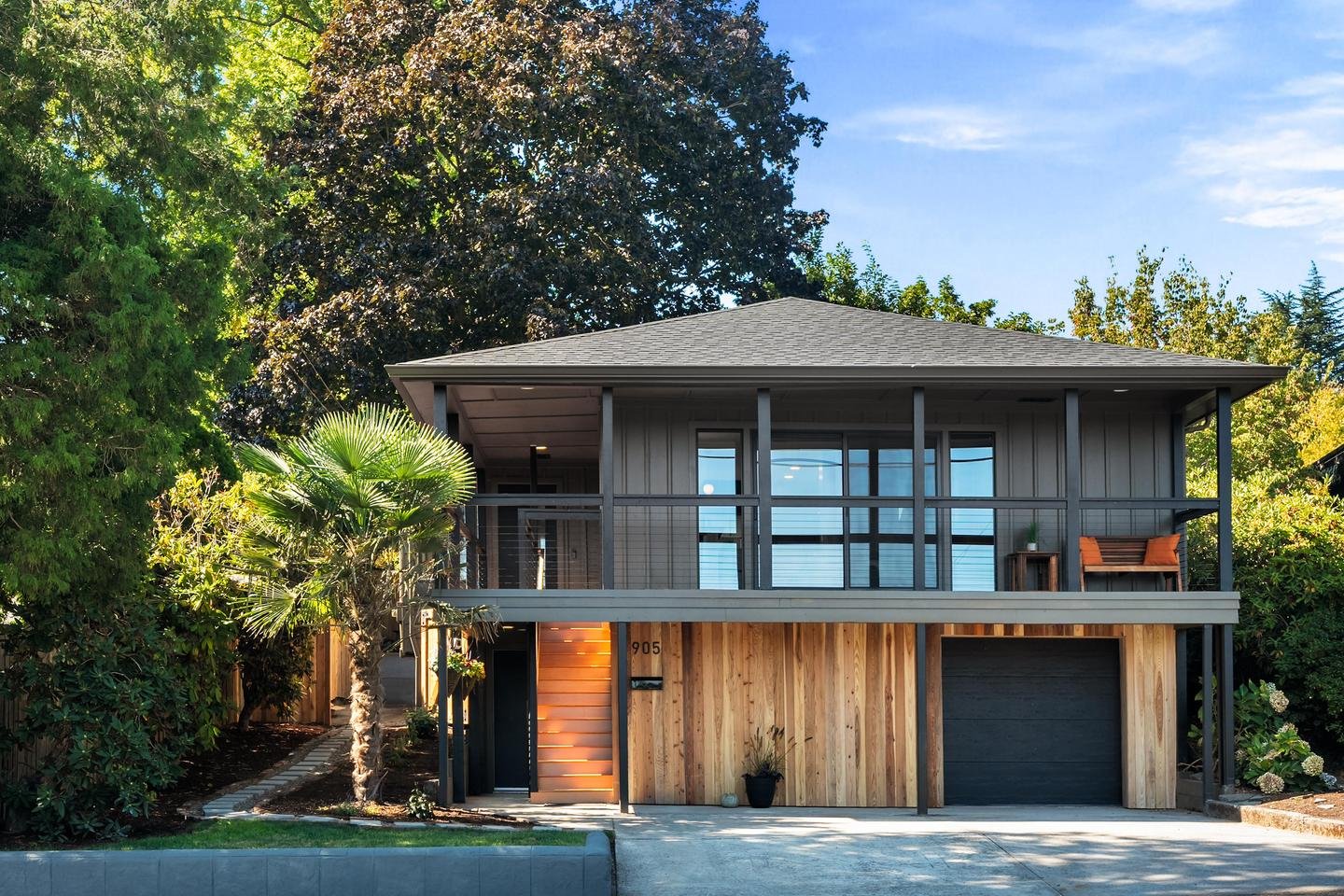
What Should You Do Before Listing Your House?
One of the first questions I hear from sellers is:
“What should we actually do before listing?”
And once you start looking around your home, it’s easy to feel like everything needs updating.
The truth is, most sellers don’t need a major renovation. In fact, some of the highest-impact improvements are also the simplest.
From staging and fresh paint to lighting and hardware, here’s how I help Portland sellers focus on the updates that matter most, avoid unnecessary projects, and create a plan that maximizes value without creating overwhelm.
Because the goal isn’t to renovate your home.
It’s to make the right improvements, coordinate them efficiently, and create the kind of confidence that makes buyers willing to pay top dollar.
Portland Selling Guide, Denise Wolfe
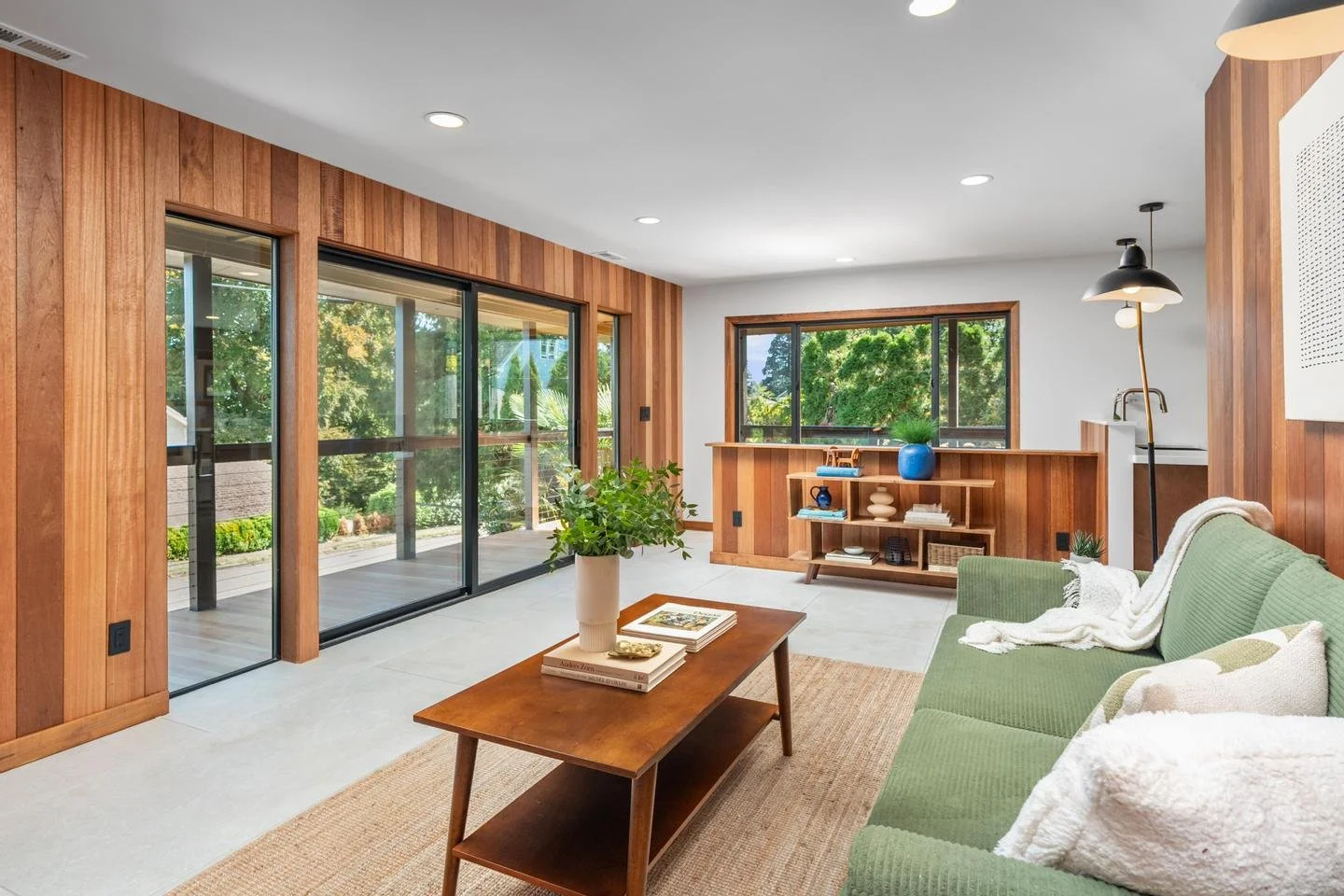
Strategic preparation doesn't mean renovating. It means focusing on what buyers actually notice.
Preparing your home for sale doesn’t mean renovating everything.
In fact, if you only do one thing, I almost always recommend staging. From there, focus on small repairs, fresh paint, updated lighting and hardware, and curb appeal.
Most of my clients don’t spend the most money.
They simply spend money in the right places.

My process starts with a walk-through and a consultation with my designer. Together, we create a list of possible improvements, estimate costs, and prioritize projects based on your goals and budget.
What Should You Actually Do Before Listing Your House?
One of the first questions I get from sellers is:
“What should we actually do before listing?” And I understand why. Once you start looking around your home, it’s easy to feel like everything needs updating.
But here’s the good news:
Most sellers don’t need a major renovation. In fact, one of the biggest mistakes I see is people spending money in places that buyers won’t value. The goal isn’t to do everything. It’s to do the right things.
My Process
When I first meet with a seller, one of the things we do is walk through the home together. Then I bring in my designer, and together we create a detailed list of potential updates. From there, I gather bids, estimate costs, and organize everything into a prioritized plan based on each client’s budget and goals. Not every seller does every project. And that’s okay. The goal is never to spend the most money. The goal is to make smart decisions and focus on the improvements that will have the biggest impact.
Start With the Small Stuff
Before we even talk about paint colors or light fixtures, I always recommend taking care of the little things. These are often inexpensive repairs, but they make a huge difference in how a home feels to buyers.
Things like:
Torn window screens
Wobbly doorknobs
Loose cabinet doors
Burned-out light bulbs
Sticky locks
Non-functioning switches
Small areas of caulking that need attention
Buyers notice when a home feels well cared for.
And while these details may seem insignificant, they quietly communicate that the home has been maintained.
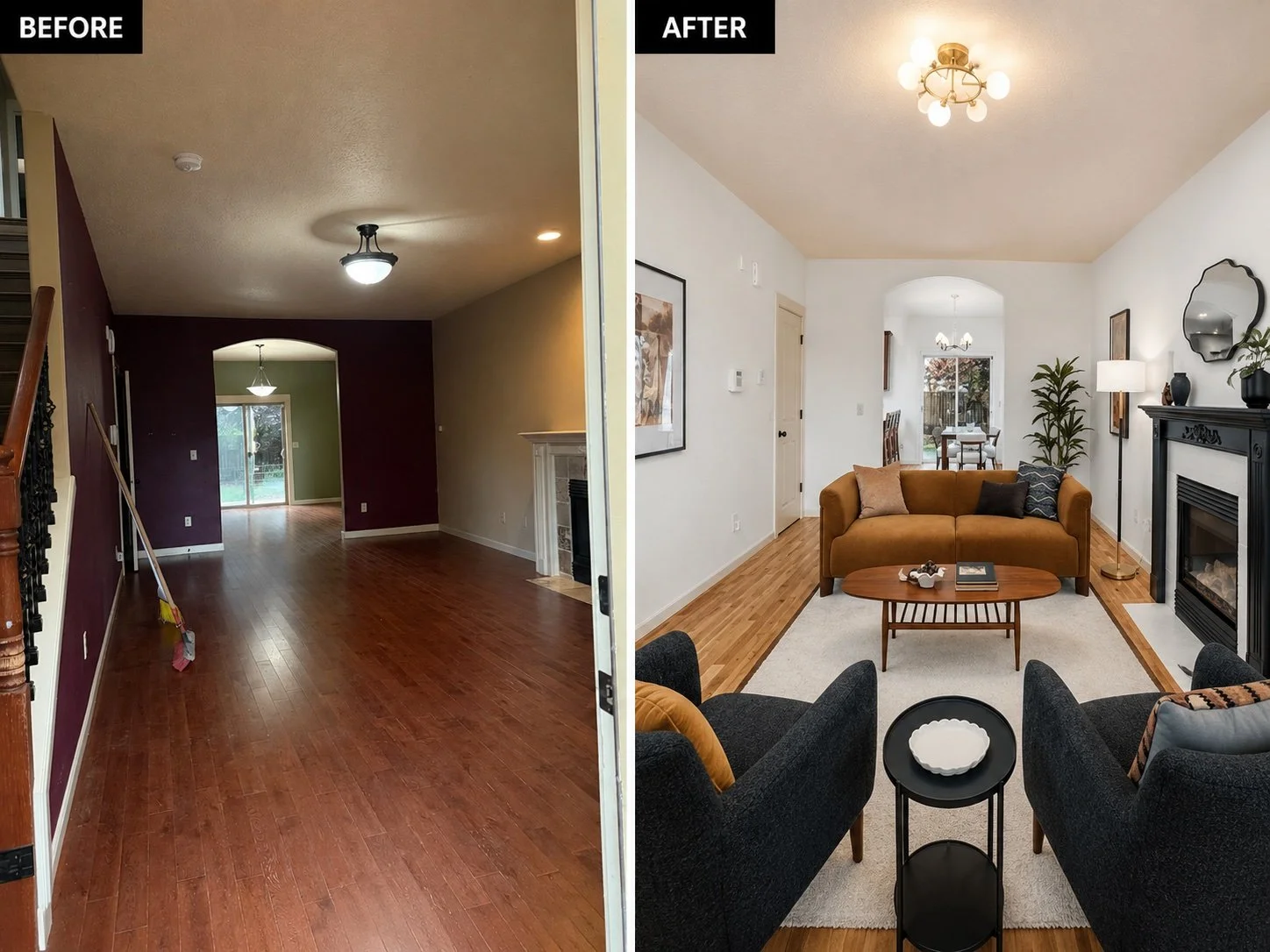
This space felt dark, and outdated. It’s hrd for buyers to understand the potential of space, and they almost always overestimate the costs of a refresh.
Fresh Paint Is Almost Always Worth It
Never underestimate what a fresh coat of paint can do. Paint is one of the highest-impact improvements you can make before listing.
Fresh paint:
Brightens a space
Creates a cohesive feel
Helps buyers see the home as move-in ready
Makes rooms photograph beautifully
And perhaps most importantly, it allows buyers to focus on the home itself rather than being distracted by outdated colors or worn walls. Time and time again, I’ve seen paint transform a home.
Lighting and Hardware: Small Changes, Big Impact
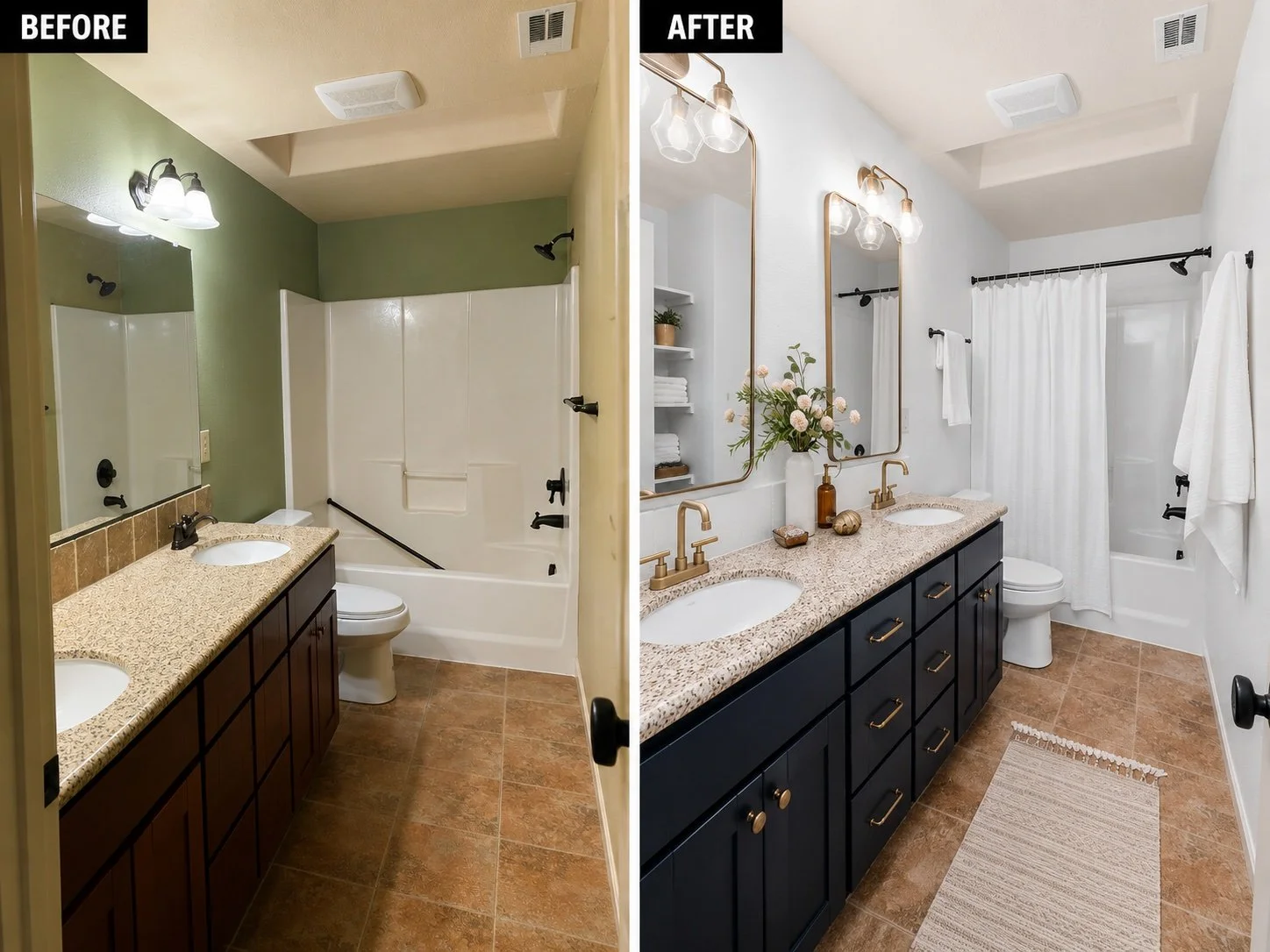
Fresh paint, updated hardware, and new fixtures were all it took to bring this bathroom in line with today’s design preferences. Sometimes it’s not about spending more. It’s knowing where t spend.
This is one of my favorite categories because the investment is relatively small, but the visual return can be tremendous.
Updating things like:
Light fixtures
Cabinet hardware
Plumbing fixtures
Door hardware
can instantly make a home feel more current and intentional. These aren’t expensive renovations. They’re simply thoughtful updates that help a home feel refreshed and aligned with today’s design aesthetic.
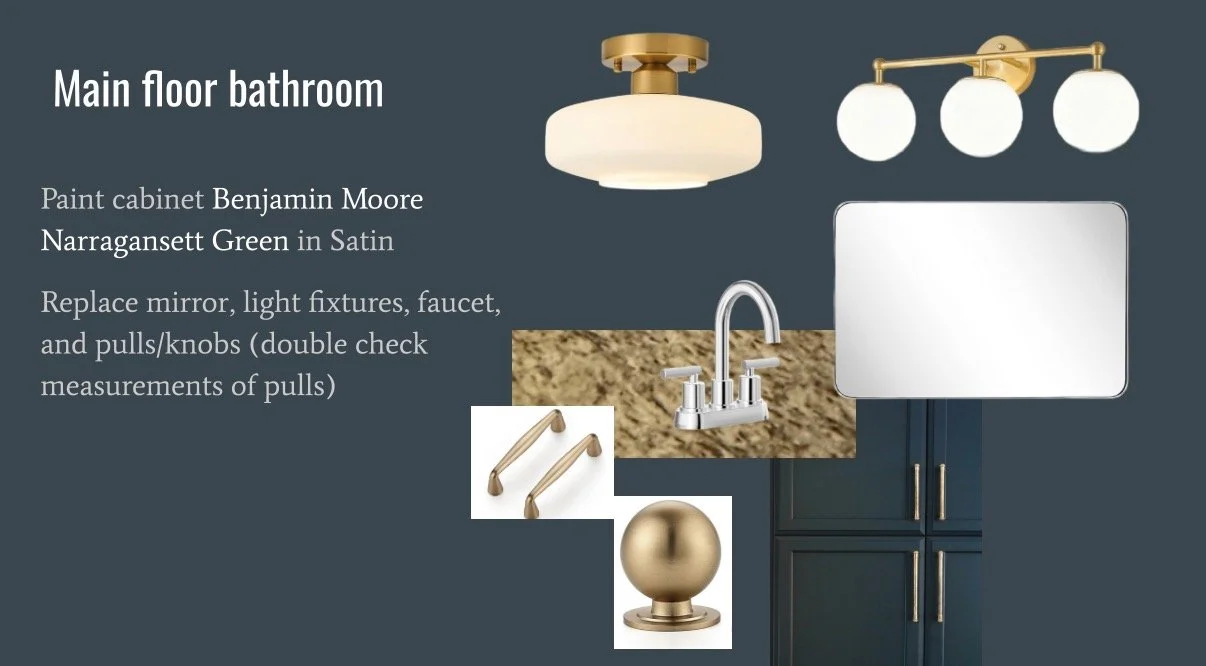
From paint colors to hardware. Everything is in the report, it will all flow and create a cohesive design.
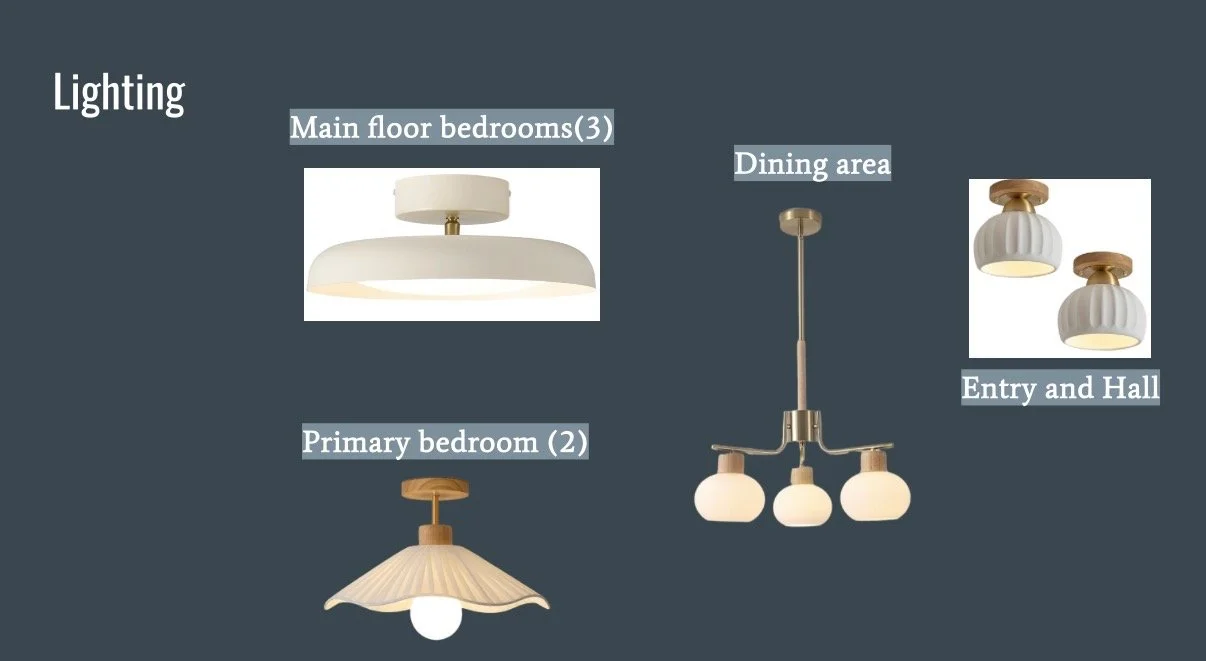
No need to guess what light fixtures will work, i provide all of the information in my design report.
Don’t Forget Curb Appeal
First impressions matter. Sometimes buyers start forming opinions before they even step inside. Fortunately, curb appeal improvements don’t always have to be expensive.
Simple updates like:
Painting the front door
Refreshing trim
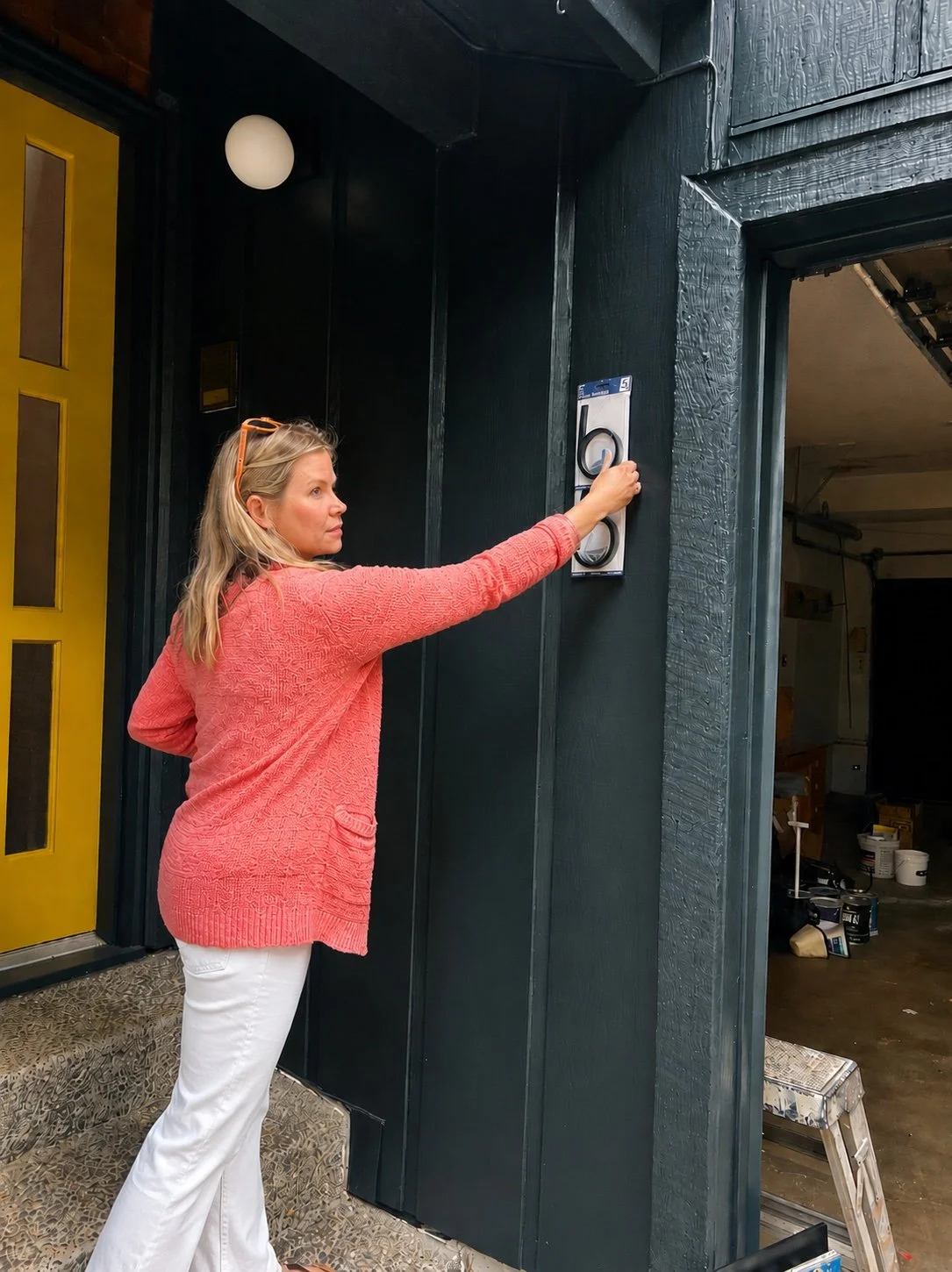
Updating house numbers
Pressure washing
Adding fresh mulch
Planting seasonal flowers
can completely change the feel of a home. And landscaping, in particular, goes a long way. A well-maintained yard creates a sense of care and pride that buyers immediately respond to.
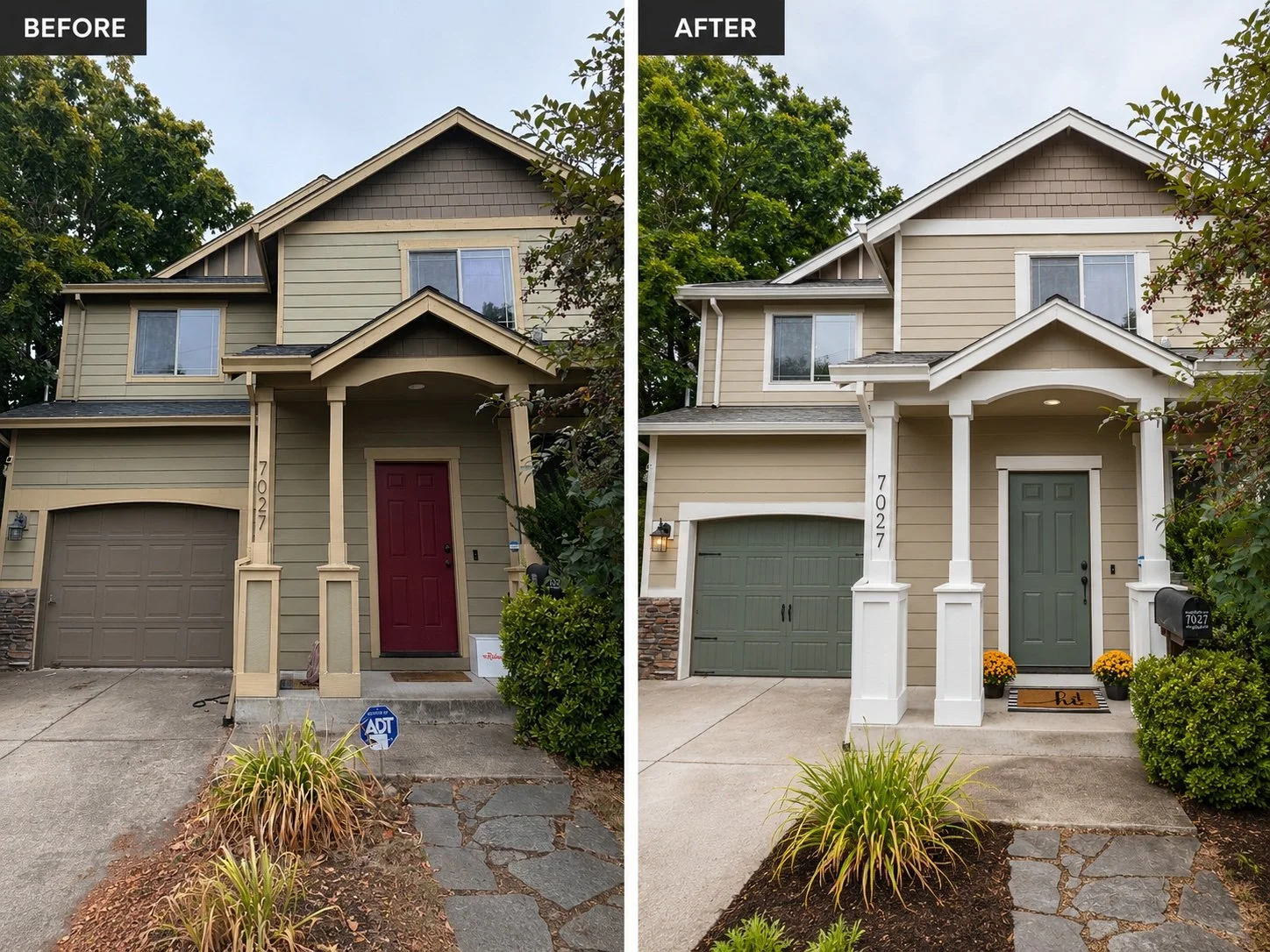
Small changes can go a long way. Refreshing trim and a door instead of a full repaint, can help stretch a budget.
What I Tell My Clients
Preparation isn’t about turning your home into something it isn’t. It’s about helping buyers see the very best version of what already exists. And that rarely means doing everything. It means making thoughtful improvements that maximize your home’s appeal and ultimately help you achieve the strongest result. That’s why I encourage sellers to start the conversation earlier than they think they need to.Whether you’re planning to move in three months or three years, we can create a roadmap and tackle projects gradually. That approach tends to be less stressful, more efficient, and ultimately far more effective.
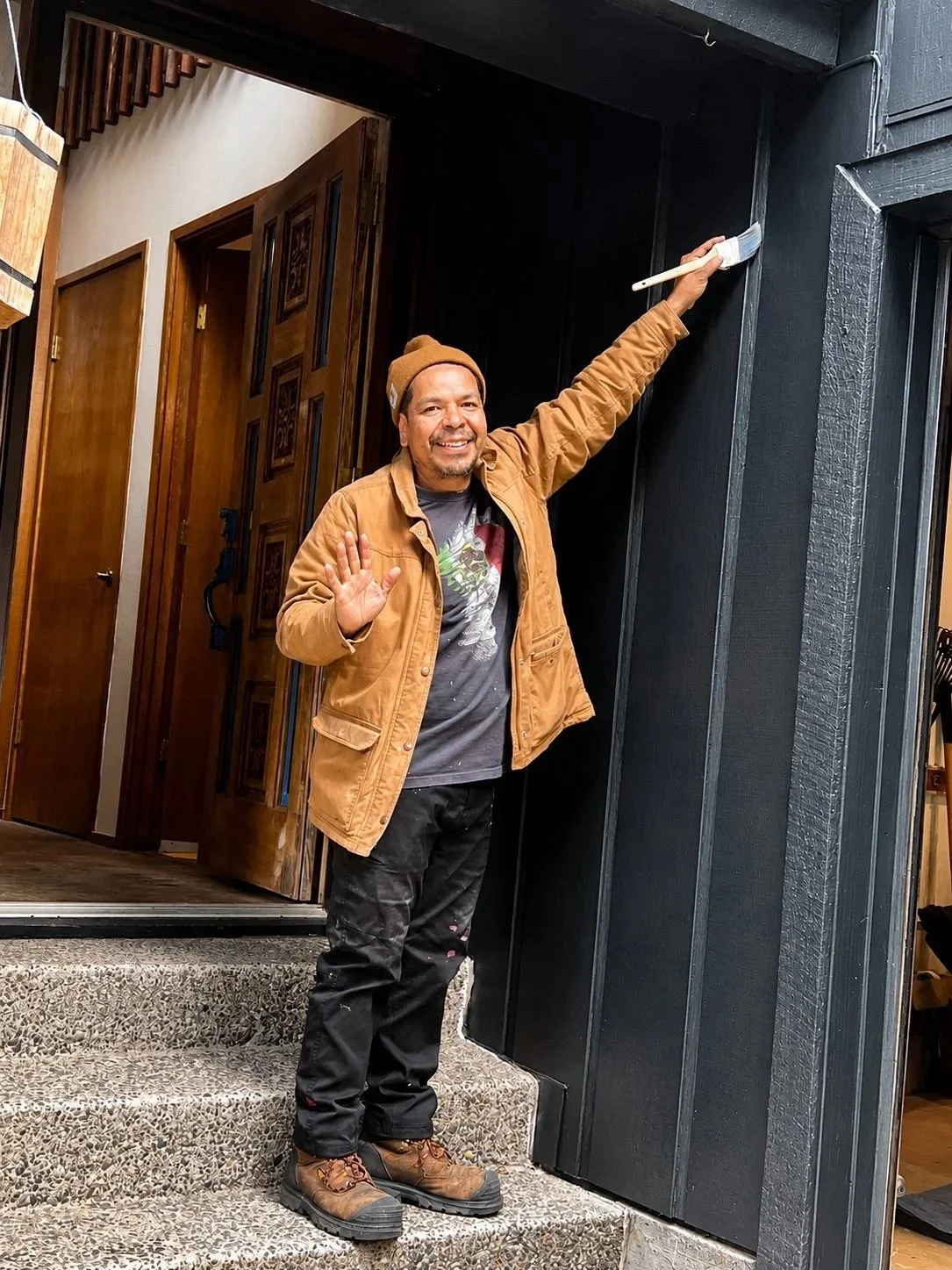
A Trusted Team Behind Every Successful Sale
Preparing a home for market is rarely a one-person job. Over the years, I’ve assembled a trusted team of stagers, designers, painters, contractors, electricians, plumbers, landscapers, and specialists who help ensure every project moves smoothly and efficiently. Together, we create a plan, coordinate the work, and keep the timeline on track so that homes spend less time in transition and more time doing what they’re supposed to do: attracting buyers. Whether you’re living in the home during the process or preparing a vacant property for market, my role is to oversee the details, manage the moving pieces, and help make what can feel overwhelming surprisingly manageable, and fast.
Because selling a home isn’t just about strategy.
It’s about execution.
And having the right team behind you can make all the difference.
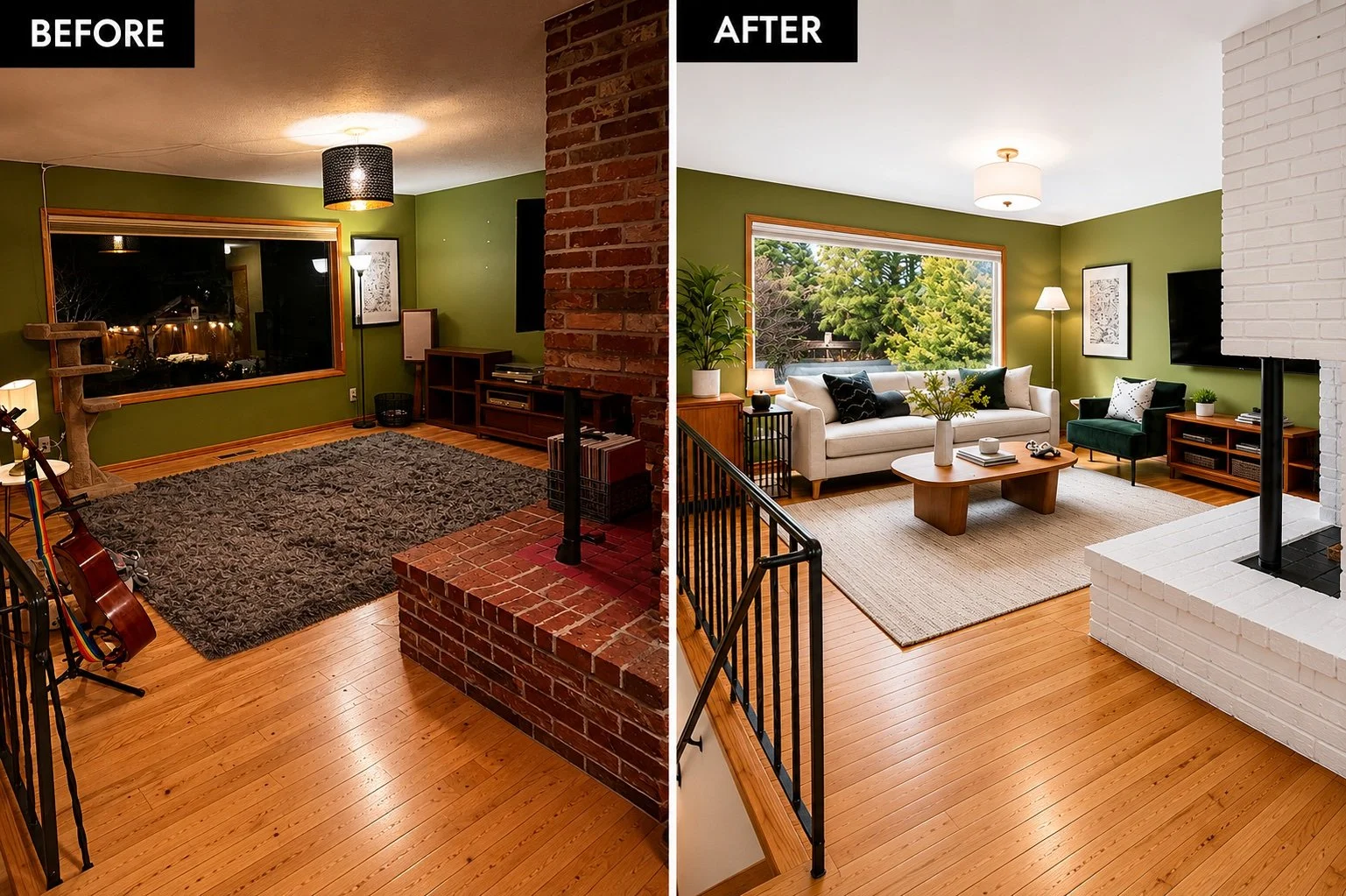
The transformation in this room was incredible, the whitewashed brick brightened the room, and became a visual centerpiece of the room.
One thing I always tell my clients is that if we make the right improvements, we’re often creating leverage before we ever hit the market.
In today’s environment, where interest rates are higher and everyday costs have increased, many buyers don’t feel like they have the extra cash or emotional bandwidth to take on major renovations after purchasing a home. They’re looking for confidence. They want to move in, settle into their new space, and enjoy it without feeling overwhelmed by additional projects and unexpected expenses. That’s why well-prepared homes tend to command such strong interest. When buyers walk through a home that feels cohesive, thoughtfully updated, and move-in ready, they’re often willing to pay a premium for that sense of certainty and ease. Because in many ways, we’re not just selling the house. We’re selling the feeling of being able to relax.
And if we can create that feeling, we’re often starting the negotiation long before the home officially hits the market.
Frequently Asked Questions
-
Most sellers don’t need a major renovation before listing. I typically recommend focusing on the improvements that buyers notice most, including staging, fresh paint, and updated lighting and hardware. The goal isn’t to do everything. It’s to make thoughtful updates that create the biggest impact.
-
Usually not. One of the biggest mistakes I see sellers make is over-improving for their price point. Many homes can be brought in line with current design preferences through strategic cosmetic updates rather than expensive renovations.
-
Almost always. Staging helps buyers understand how the space lives, creates stronger listing photos, and allows buyers to emotionally connect with the home. In many cases, staging is one of the highest-return investments a seller can make.
-
In my experience, the biggest impact usually comes from:
• Professional staging
• Fresh interior paint
• Updated lighting
• New hardware and fixtures
These relatively simple improvements often create more value than major remodeling projects.
-
Absolutely. Most of my clients don’t spend the most money. They simply spend wisely. Thoughtful preparation often matters far more than expensive renovations.
-
Depending on the scope of the project, we can prioritize only the highest-impact updates and, in some cases, work with vendors who may be willing to wait until closing to be paid through escrow. The goal is to remove obstacles, not create additional stress.
-
No. Over the years, I’ve assembled a trusted team of painters, contractors, electricians, plumbers, landscapers, and stagers who help bring our preparation plans to life. Together, we coordinate the work and keep the timeline moving so homes spend less time in transition and sellers spend less time living in a construction zone.
-
Earlier than most people think. Even if you’re planning to sell next year, we can walk through your home together and create a plan you can tackle gradually over time. Starting early allows you to spread out costs, avoid last-minute stress, and make smarter decisions.
-
With higher interest rates and rising costs, many buyers don’t feel like they have extra cash to take on major projects after closing. Buyers are increasingly willing to pay a premium for homes that feel cohesive, updated, and ready to enjoy from day one.
-
No. More money spent does not always equal a higher sale price. The key is understanding which improvements buyers will value and which projects are unlikely to provide a meaningful return.
-
Absolutely. One of the first things I do with sellers is walk through the home, identify what will actually move the needle, and create a clear plan. No pressure. Just thoughtful advice, a trusted team, and a strategy designed to help you maximize your results.
Wondering Where to Start?
If you’re wondering where to start, I’d be happy to walk through your home and help you understand what’s worth doing, what isn’t, and how to prioritize improvements based on your goals and budget.

Seller Fear: “What Happens If We Sell and Don’t Have Our Next Home Yet?”
One of the most common fears I hear from Portland homeowners is this:
“What if we sell our house and don’t have our next home lined up?”
The good news is that selling and buying at the same time isn’t your only option. From rent-backs and bridge financing to flexible closing timelines and temporary housing solutions, there are several ways to create a smoother transition. Here’s how I help sellers make a move without feeling rushed or homeless in the process.
Portland Home Selling Guide, Denise Wolfe
Worried about selling your home before finding the next one?
You have more options than you might think.
Most Portland sellers choose one of three paths:
🏡 Buy first, then sell
🔑 Sell with flexibility built into the sale
📦 Sell first and use short-term housing while you shop

What happens if you sell before finding your next home?
After helping Portland sellers for 15 + years, I’ve guided many clients through this exact situation.
In Portland, it’s no secret, our inventory is tight, especially if you are trying to move into a bigger home in your favorite neighborhood. Don’t worry, I have a strategy for that very scenario.
Once pricing starts to make sense, the next question almost always comes up:
“Okay… but where do we go if we sell?”
For a lot of sellers, this is the part that causes hesitation.
Not because they don’t want to move, but because they don’t want to:
Move twice
Feel rushed into buying
Disrupt their day-to-day more than necessary
The good news is there’s not just one way to handle this. There are a few clear paths, and together we, can choose the one that fits your situation best.
🧭 3 Paths Sellers Take
Path 1: Buy First, Then Sell (the ideal when possible)
👉 Secure your next home → move once → prepare and sell strategically
Path 2: Sell with Flexibility Built In
👉 Sell first → use rent-back or timing strategies → buy next
Path 3: Sell, Then Bridge the Gap
👉 Sell → move into short-term housing → buy with clarity and no pressure
💡 Most sellers don’t use just one of these—they use a combination.
When possible, moving first allows us to prepare, stage, and market your home for optimal results, without disrupting your life. Just leave all the work to me.
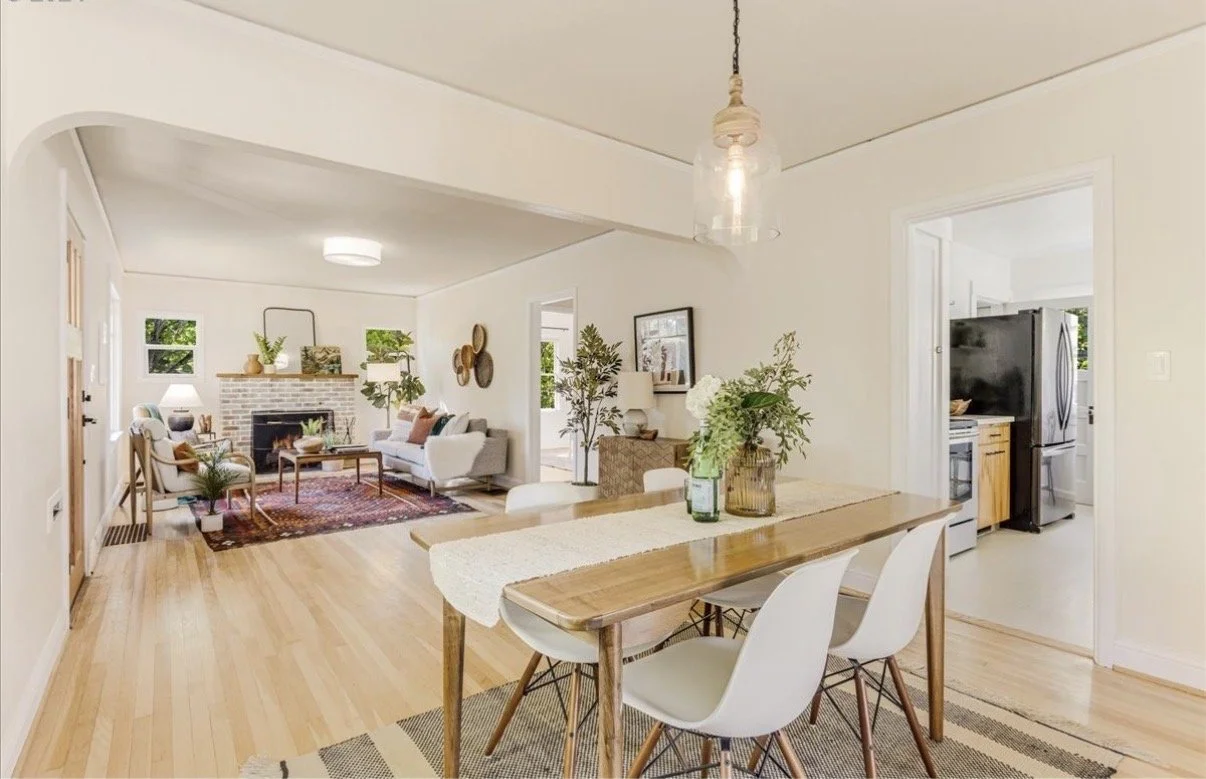
🥇 Path 1: Buy First, Then Sell
If we can make this work financially, this is usually the smoothest experience.
You:
Secure your next home first
Move once
Then let me come in and fully prepare your current home
This allows us to:
Handle updates without disruption
Stage the home properly
Launch with intention
Maximize buyer interest from day one
👉 This is where you tend to see the strongest results.
💡 How sellers make this work
This is where the right lending strategy matters.
Options can include:
HELOC (home equity line of credit)
Bridge loans designed for buying before selling
Other tailored financing solutions
I work closely with lenders who specialize in this, so we can explore whether it’s a fit before making any decisions.
🥈 Path 2: Sell with Flexibility Built In
If buying first isn’t the right fit, the next best option is building flexibility into your sale.
Rent-Back Agreements
You sell your home, then stay in it temporarily after closing, up to 60 days in most cases or up to 90 days if the sale is cash.
This gives you:
Time to find your next home
Liquid funds to purchase non-contingent
Flexibility without an immediate move
Extended Closing Timelines
Instead of a quick close, we negotiate more time upfront.
This creates breathing room while you:
Continue your search
Align timelines more comfortably
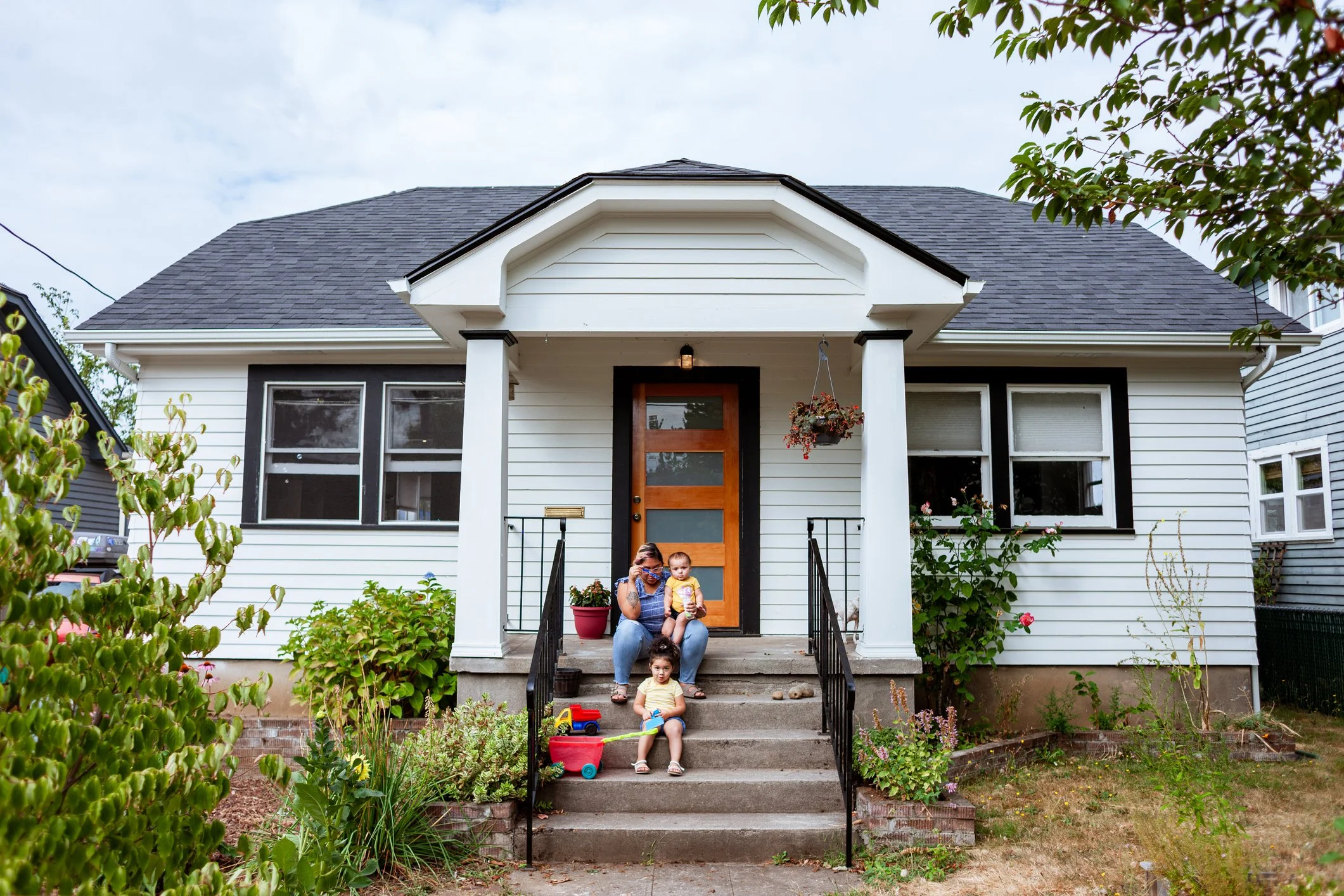
Rent-backs and extended closings can provide breathing room while you search for your next home.
Contingent Sale (Buying with Your Home Still on the Market)
Another option is writing an offer on your next home that’s contingent on the sale of your current home.
This means:
You find a home you love
You make an offer
But the purchase only moves forward once your current home goes under contract or closes
This can work well if:
Your home is already on the market (or even better if you have an accepted offer on your home)
It’s priced strategically and generating strong interest
Or you’re in a less competitive buying environment
That said, in Portland, especially in more competitive price points, contingent offers can be harder to get accepted.
Sellers often prefer offers without that added layer of uncertainty.
👉 When we use this strategy, it’s usually paired with a strong pricing plan and a clear timeline to make your home as attractive to buyers as possible.
In the right scenario, it can work well—but it’s something we approach strategically, not by default.
👉 These strategies work best when your home is positioned well and attracting strong buyer demand.
Which comes back to pricing.
If you haven’t read it yet, this breaks down how pricing impacts your leverage → 👉 how to price your home in Portland to avoid leaving money on the table
🥉 Path 3: Sell, Then Bridge the Gap
This is more common than people expect—and often less stressful than it sounds.
You sell first, then buy with clarity.
The key is having a plan for the in-between.
Short-Term + Mid-Term Housing Options
Short term rentals (Airbnb, VRBO)
30–90 day mid-term furnished housing
Executive or travel nurse housing
👉 In Portland, there are a surprising number of flexible options depending on timing and location.
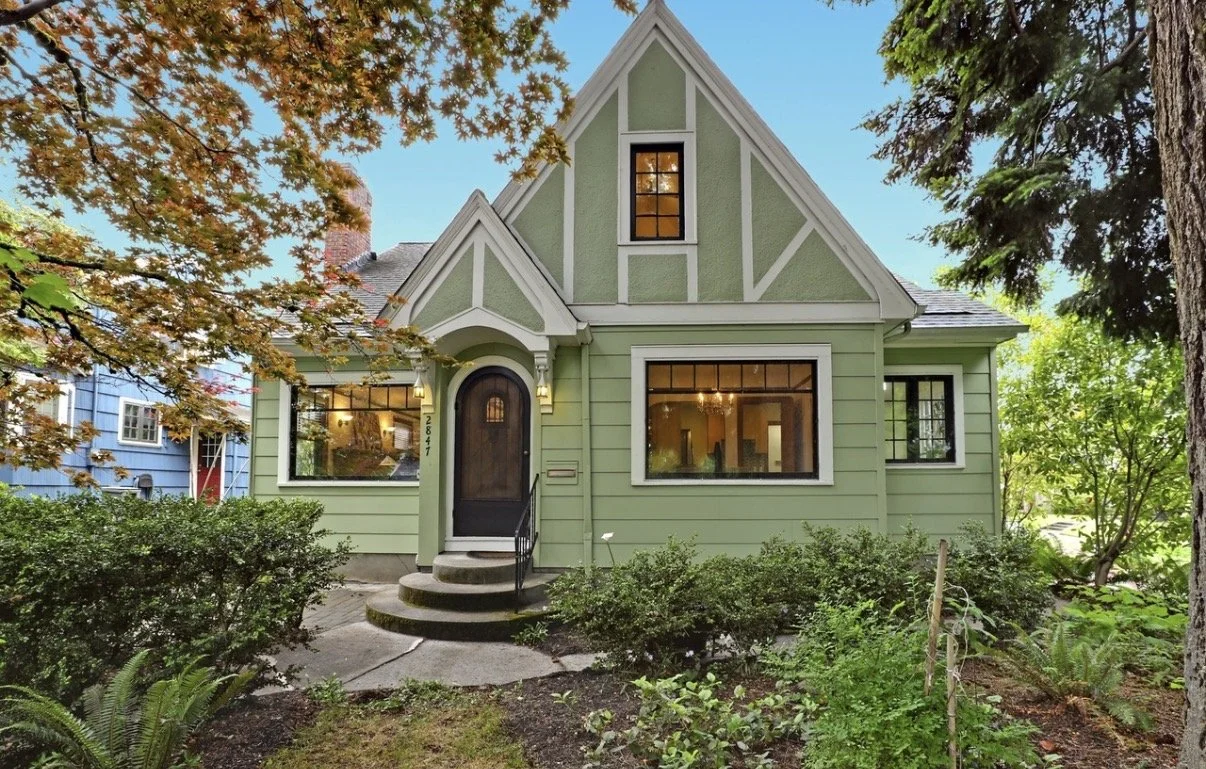
A home in Alameda may attract very different terms and buyer behavior than a similar home elsewhere. Portland is a city of micro-markets.
Where Micro-Markets Still Matter
One thing that impacts all of these paths? Your specific location and buyer pool. A home in a high-demand pocket of Alameda or Irvington may attract different terms than one on a busier street or in a different price bracket.
That affects:
Rent-back feasibility
Timeline flexibility
Negotiation strength
If you want to understand how street location plays into demand, I break that down here.
→ Pros and Cons of Buying on a busy Street in Portland
The Real Takeaway
There isn’t one “right” way to do this.
There’s a strategy that fits:
Your finances
Your timeline
Your tolerance for flexibility
The goal isn’t to rush you out of your home.
It’s to create a plan where:
You’re not scrambling
You’re not settling
And every step feels intentional
How This Connects to the Bigger Picture
A lot of this becomes easier when your home is:
Priced strategically
Positioned correctly
Generating strong demand early
That’s exactly why the first step matters so much
→How to price your home in Portland (and avoid leaving money on the table)
And if you want to go deeper into how buyer behavior plays into this
→ price high vs price to entice: understanding buyer psychology in Portland real estate
Frequently Asked Questions About Buying and Selling Simultaneously
-
This is one of the most common concerns I hear from Portland sellers. Fortunately, there are several strategies available, including buying before selling, negotiating a rent-back agreement, extending closing timelines, or using short-term housing while you search for your next home.
-
Sometimes, yes. Many homeowners use a HELOC, bridge loan, or other lending solutions to access their equity before selling. If buying first is important to you, I can connect you with lenders who specialize in these strategies.
-
A rent-back allows you to remain in your home after closing for a negotiated period of time. In many Portland transactions, sellers can stay up to 60 days after closing, and sometimes longer in cash transactions. This can provide valuable breathing room while searching for your next home.
-
They can be, but it depends on market conditions, price point, and competition. In highly competitive neighborhoods, contingent offers may be less attractive to sellers. However, when paired with strong pricing, preparation, and timing, they can still be successful.
-
If financially possible, buying first is often the smoothest experience because you only move once and can prepare your current home after moving out. That said, every situation is different. Sometimes selling first provides more certainty and negotiating power.
-
Portland is a city of micro-markets. A home in Alameda, Irvington, Sabin, Mount Tabor, or Eastmoreland may attract different buyer behavior than a similar home elsewhere. Demand, timing, and negotiation strength can all influence which strategy makes the most sense.
-
The best place to start is with a conversation. We'll look at your home's value, your timeline, your financial goals, and the neighborhoods you're considering. From there, we can build a plan that helps you move forward without feeling rushed or pressured.